Do you learn how to build a house? A question that every architecture student is asked by friends, family or even someone they just met. But, how can I blame them for their preconceived notion, considering how we all thought the same until we started college. Sometimes the question leaves me tongue-tied. However, I can answer it with a couple of more questions. Do you visit the Taj Mahal to click pictures or, listen to the story it has to narrate? Do you try to flick a snail on your book out of its way or, draw inspiration from its shell? Do you give a helping hand to a physically disabled man or create an environment that helps him be independent? Do you ever watch a movie and begin to discuss the house in the background more than the actors themselves? Do you ever pay more attention to the font rather than the article itself? Or do you ever see yourself getting excited over a well designed public washroom?? Architecture changes the way you look at the world. Be it an insect, a tree, a building, a car, a movie, a book, a culture or even the people around. We develop a distinct eye to our surroundings.
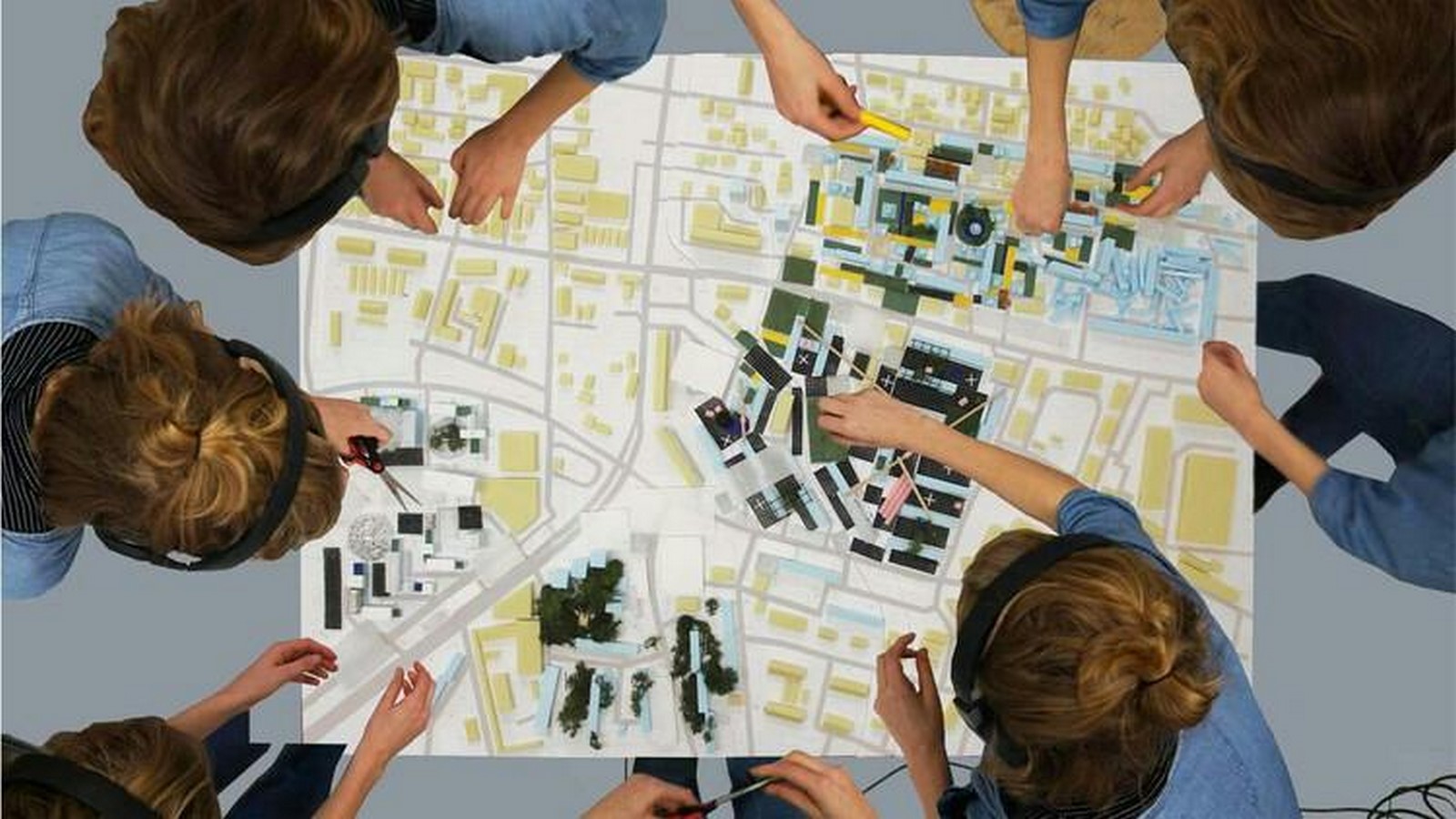
I walked into college on my first day thinking of architecture as a highly visual course where I was going to study buildings, physics, math, some history and a lot of sketching. To the contrary, we spent the first two weeks drawing straight lines, sharpening pencils and trying to cut thermocol neatly. I sure was confused about what I signed up for, although, a part of my presumption was right. A couple of months into my course I was on my computer 24/7 learning a great deal of Softwares like AutoCAD, Revit, SketchUp, Photoshop, 3ds max, rhinoceros and grasshopper.it was only my first jury and I had already questioned my existence which happens quite a bit in this course. All it took was one bad crit. But in the end, it’s all okay. It has taught me to develop a shield around myself and listen patiently to the countless crits we receive.
When we moved on to designing a building, I was quick to draw an analogy between the design process of a building and creative problem-solving in day to day issues. This is where architecture relates to everyday life and encourages us to think outside the box while addressing difficulties. Architecture students often look ridiculous in the eyes of the public and attract a lot of attention. It could be a cutter in our bags (that never makes it through the scanner at the metro station!), sketching outdoors, measuring a 10-foot tall door at a monument or just carrying a huge model to college now and then. All of this attracts more than a fair share of staring. But did this help me be a little easier on myself? Yes, it did! Right from defending your work and opinions, to public speaking and presenting effectively, to marketing yourself and your work, to giving your building a narrative, it indeed brings out a more confident version of you. When we take a step into the real world, we often always find ourselves working in teams. As cliche as it may sound, “None of us, is as smart as all of us.” The process is often messy and involves a considerable amount of quarrelling. Thankfully, architecture school provides plenty of opportunities to learn to compromise and work together. (hopefully!)
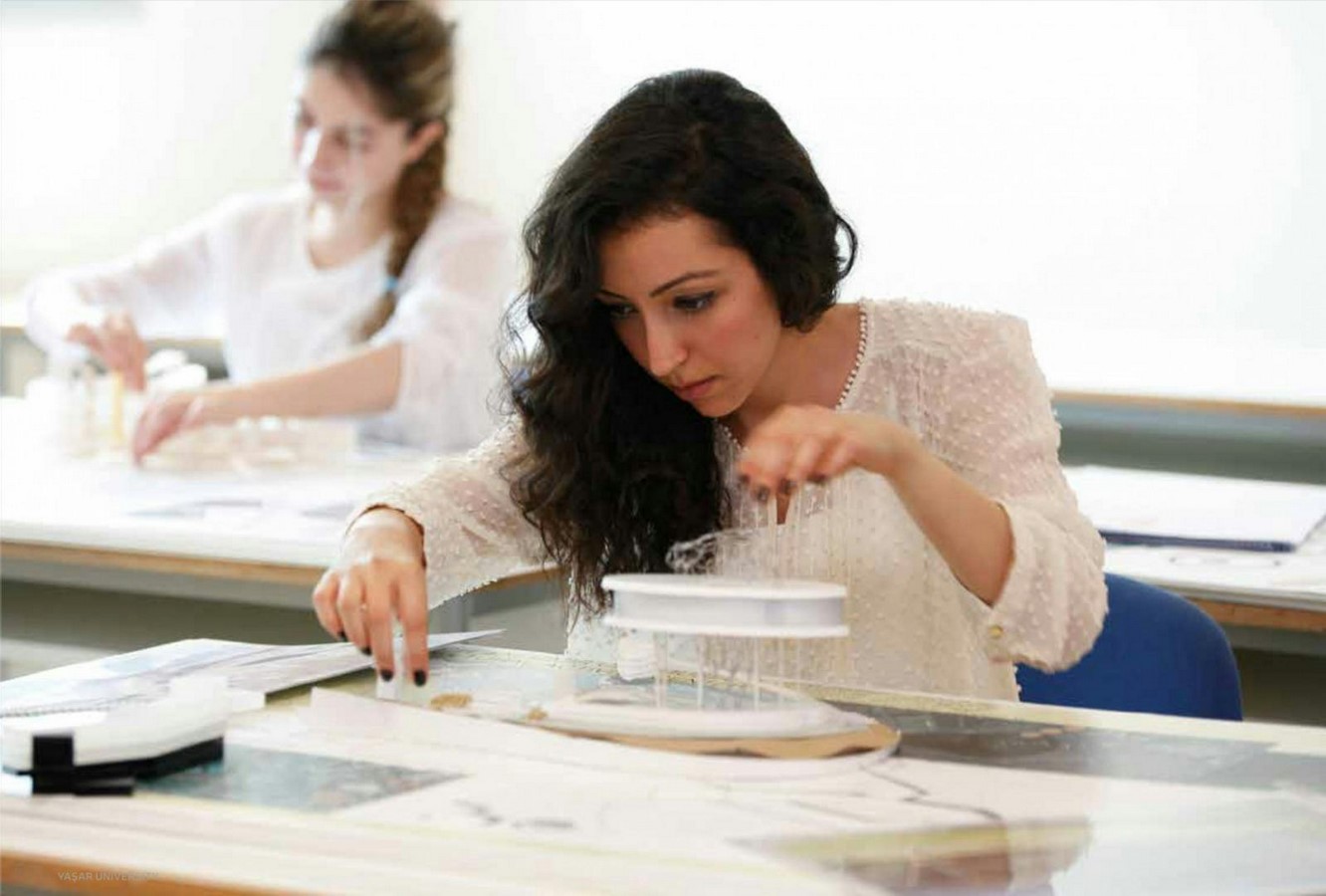
Although It took severe headaches, backaches, eye bags and innumerable stressful hours to fix our postures, fitness and sleep schedules. Some things are learnt the harder way.
BACKUP! certainly, something architecture school taught me was to store and save even the tiniest of details. Only an architect knows the pain of hours of work getting destroyed and leaving us miserable before a submission. Who can predict when a system is going to crash, when a pen drive is going to get stolen or even worse when a virus is going to pay a visit. On a lighter note, we get to travel the world, explore places, meet some great people, make some amazing friends and have a ton of fun!
We can’t run away from the fact that architecture school is demanding and is not meant to be a smooth sailing journey. This frustrating yet fun journey only drastically changes you as a person and helps you grow. Most importantly, architecture school doesn’t necessarily mean you’re going to be an architect but certainly helps you discover and gives you a clear idea of what you want to do. Be it a graphic designer, artist, journalist, photographer, entrepreneur, filmmaker, lawyer, programmer and what not. From assuming that 5 years is a whole lot of time for a professional degree to realising its not just a course but a way of life, architecture has taught us a great deal. At the end of college, we not only leave with a degree but with plenty of life lessons.