When Architecture is Tested
Architecture is frequently viewed as a discipline of extreme precision, with each line and joint methodically designed. However, some of the world’s most renowned structures owe their fame not to perfection, but to last-minute drastic modifications. The Eleventh-Hour Pivot: Architecture’s Most Famous Last-Minute Changes notion refers to instances in which architects, engineers, or patrons are forced or inspired to reconsider projects shortly before or during construction. These watershed moments are frequently precipitated by structural failures, budget restrictions, or unexpected creative breakthroughs, resulting in inventive and resilient outcomes.
Many renowned buildings have been shaped by such late-stage decisions throughout history, demonstrating that design survives on both foresight and adaptation. Understanding these pivots reveals how buildings can change under duress while retaining their aesthetic and functional identity.
Defining the Eleventh-Hour Pivot
An eleventh-hour pivot occurs when key design ideas are changed late in the timeline, construction methods are redefined, or a building’s architectural identity evolves owing to unanticipated events. Unlike modest tweaks, major modifications substantially reshape the structure, resulting in more memorable effects than originally intended.
These examples highlight architecture as an adaptive process rather than a static result, demonstrating how restrictions may drive creative solutions. The Eleventh-Hour Pivot: Architecture’s Most Famous Last-Minute Changes examines the dynamic interplay of vision, material reality, and human inventiveness, demonstrating that disruption can lead to creative achievements.
Case Study 1: Sydney Opera House
Architect: Jørn Utzon
Nature of the Pivot: Structural and political transformation
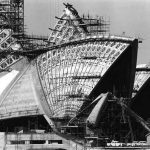
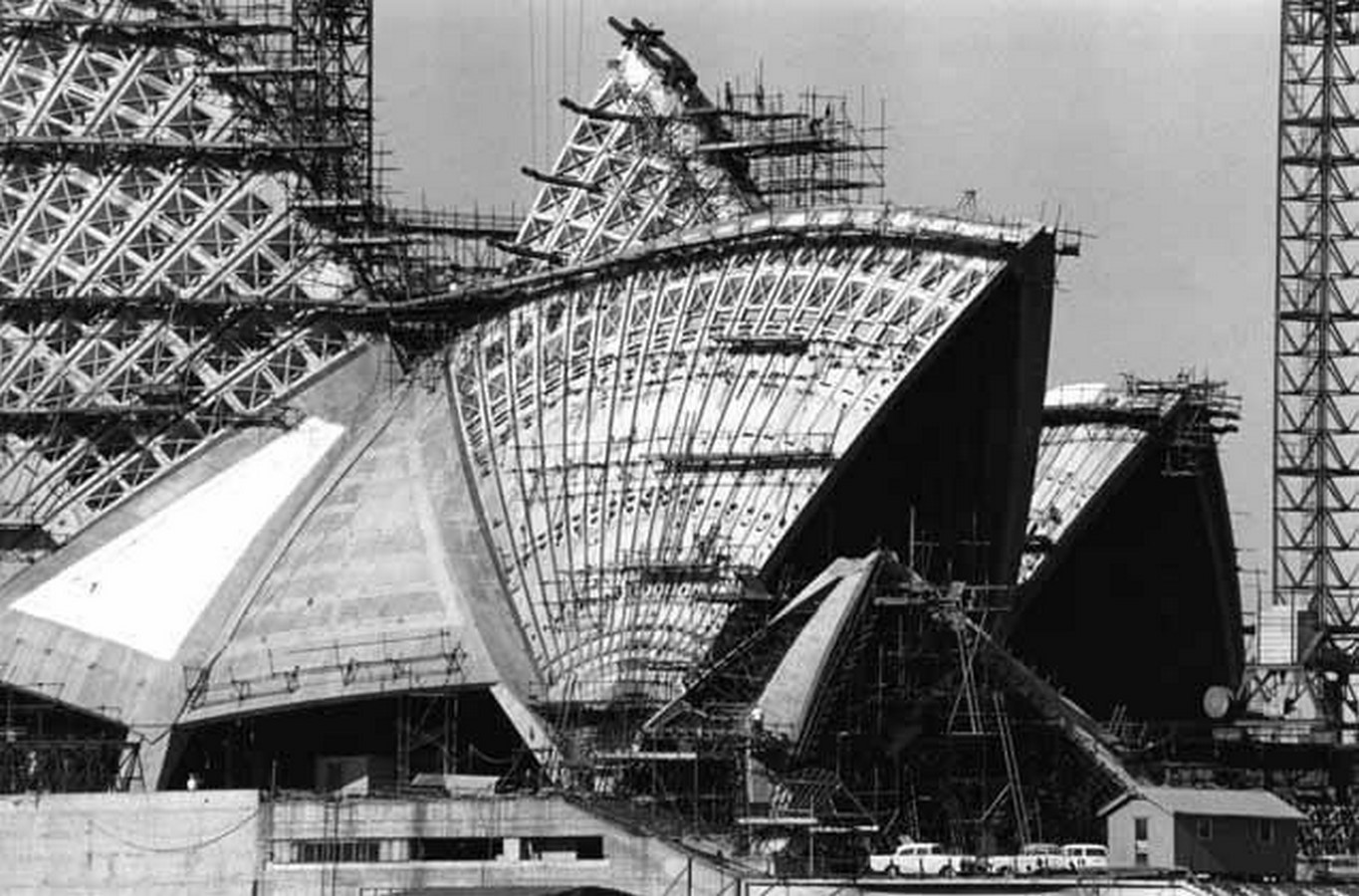
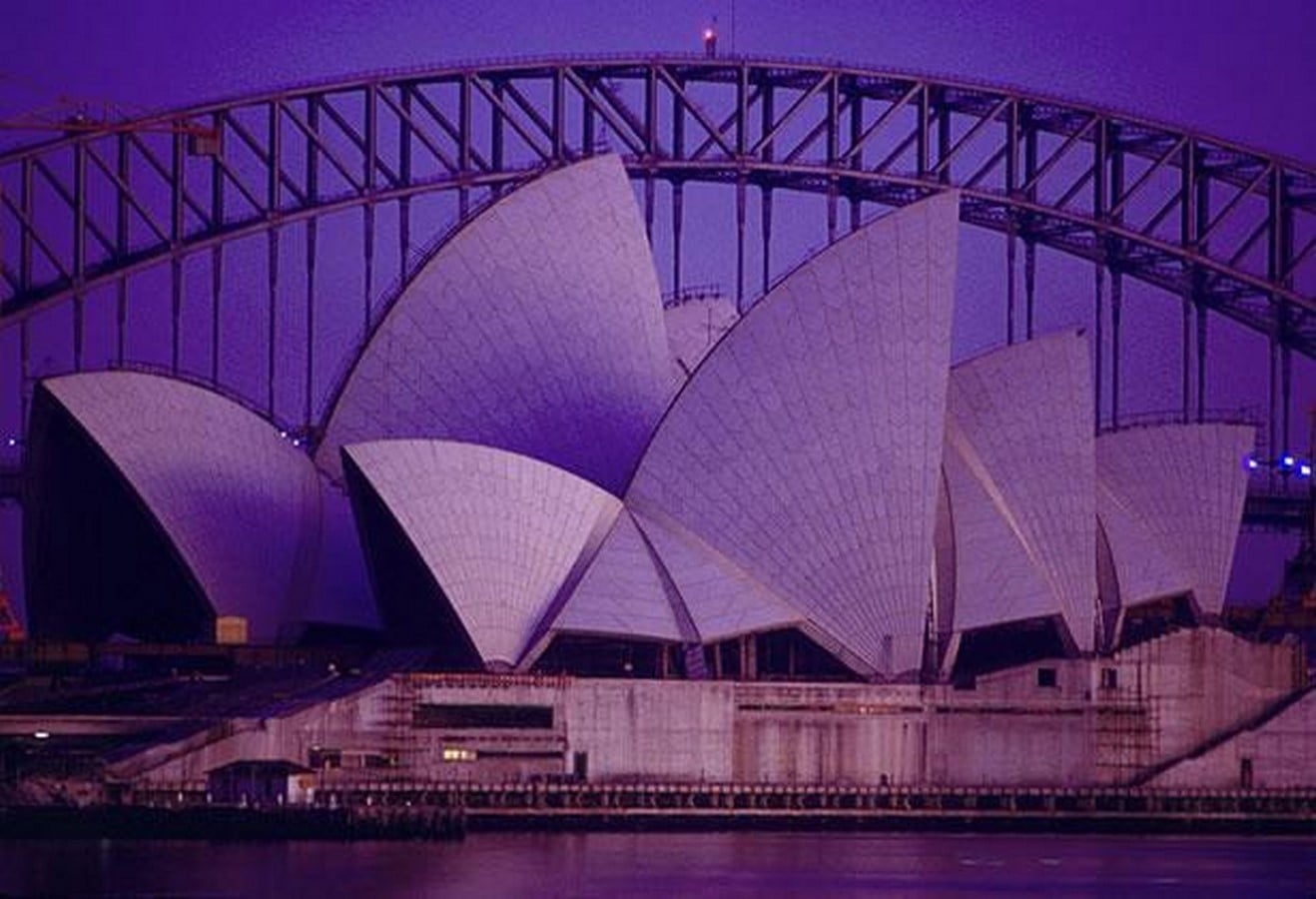
Severe structural issues and rising expenses required significant redesigns of the Sydney Opera House while it was under construction. The roof shells, which were previously undetermined geometrically, were reengineered mid-process into a spherical geometry system (Utzon 1957-1973). Political conflicts and budget overruns led to Utzon’s resignation, allowing later architects to oversee interior completion. Despite these hurdles, the Opera House became one of the world’s most well-known architectural symbols, exhibiting the transformative potential of late-stage decision-making.
Case Study 2: Centre Pompidou
Architects: Renzo Piano & Richard Rogers
Nature of the Pivot: Budget-driven design reversal
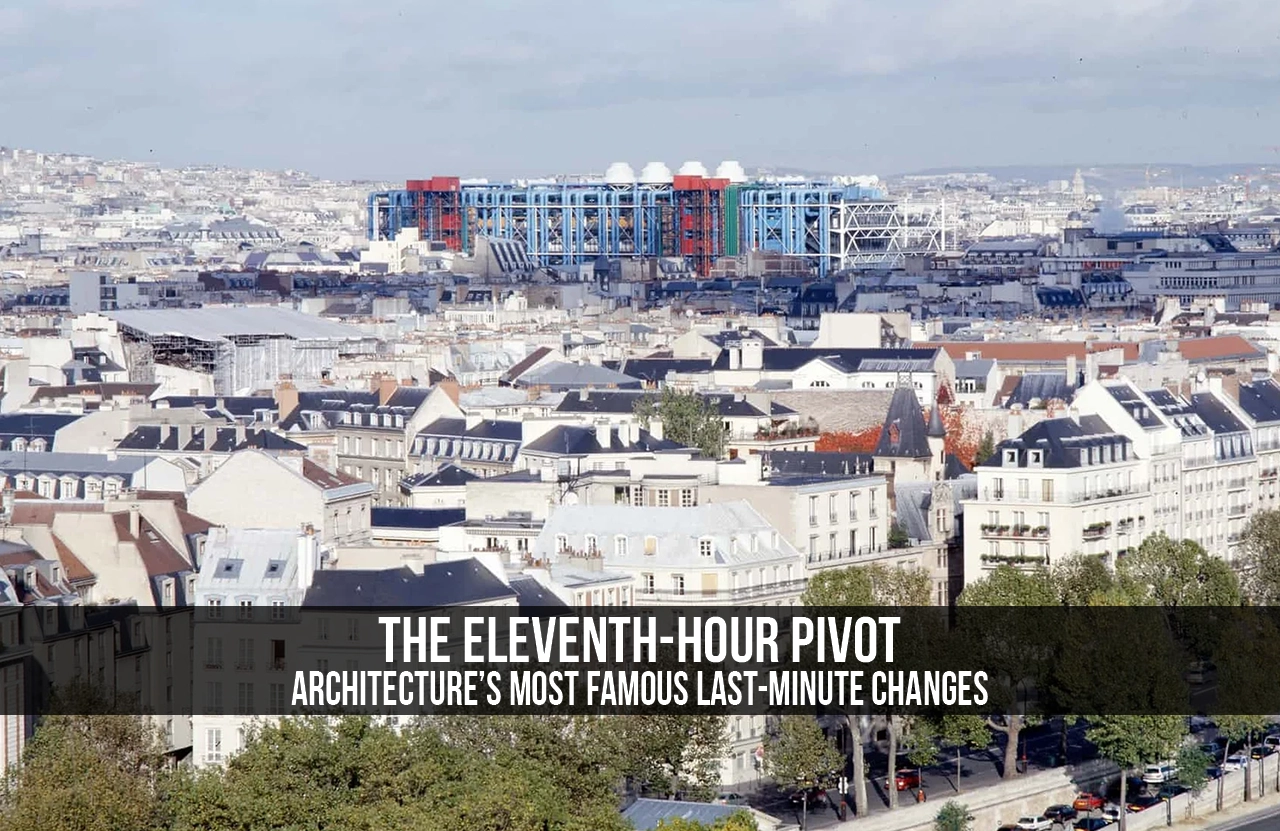
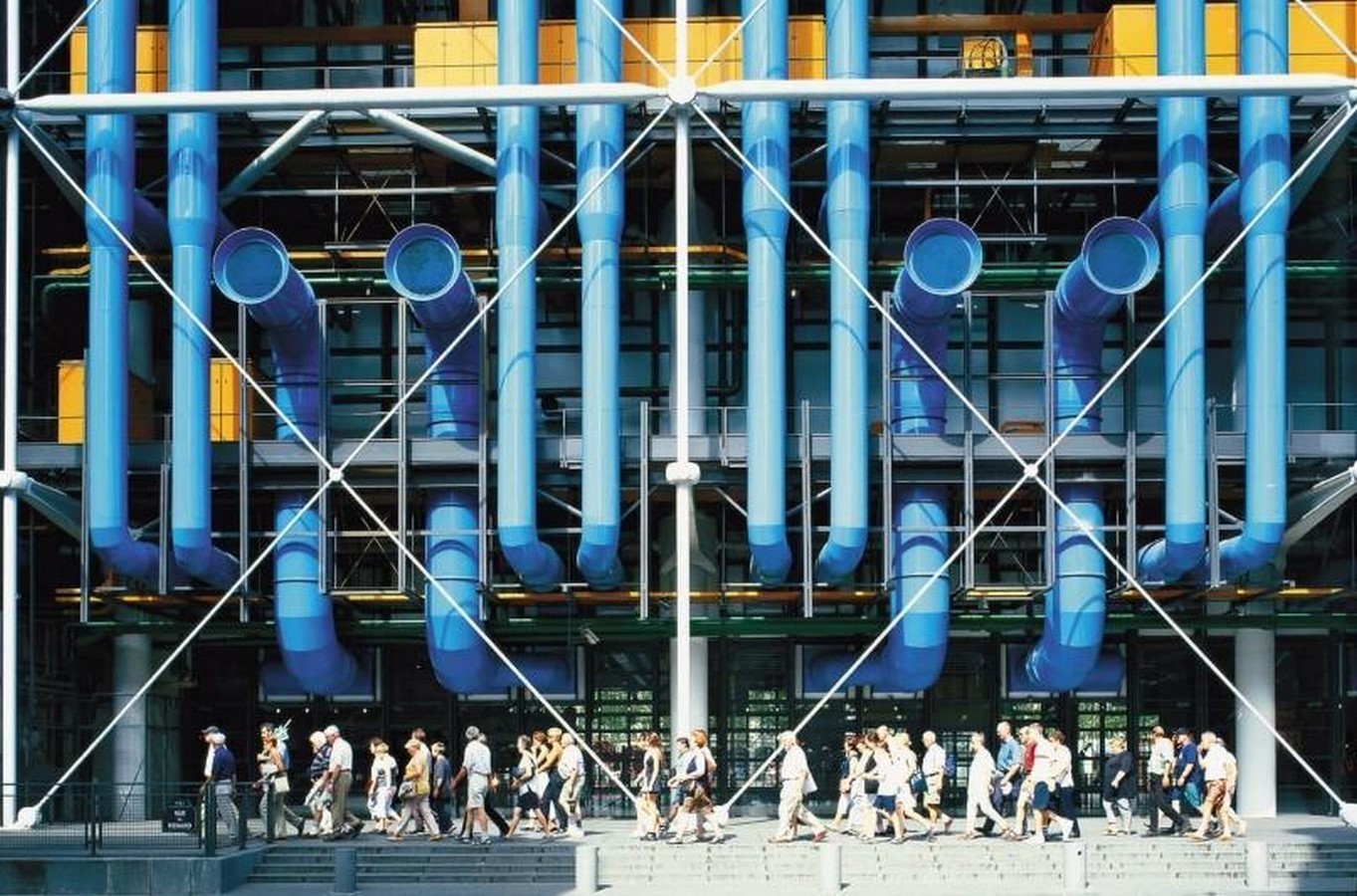
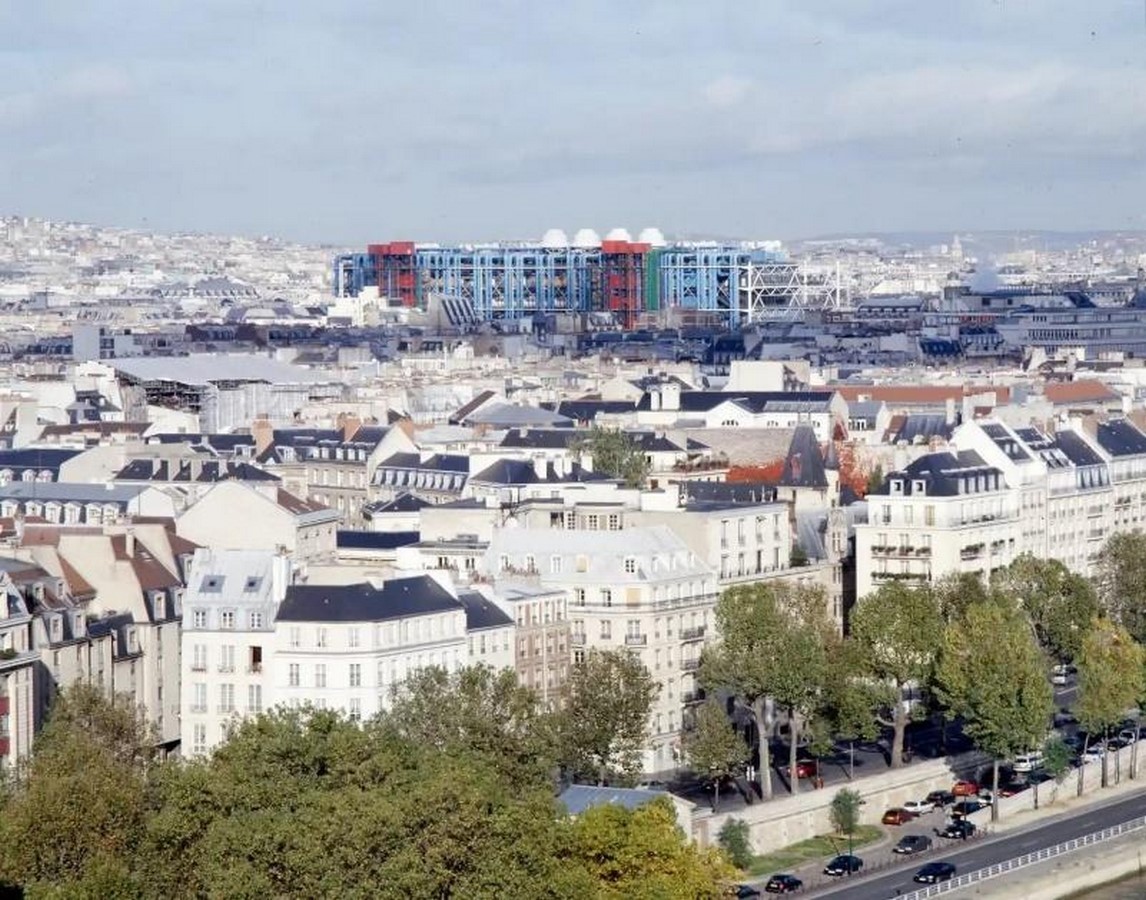
Late in the design process, budget constraints and functional considerations forced Piano and Rogers to externalize the building’s services, structural elements, mechanical systems, and circulation to the façade. This decision elevated a practical change to the Centre Pompidou’s defining aesthetic, transforming infrastructure into architecture (Rogers & Piano 1971-1977). By embracing a last-minute change, the architects created an iconic example of adaptability, transparency, and bold innovation.
Credit: McGuickin, G. (2022) Building Brilliance: Centre Pompidou, LZF Lamps Blog.
Case Study 3: Eiffel Tower
Engineer: Gustave Eiffel
Nature of the Pivot: Functional and programmatic reinterpretation
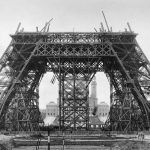
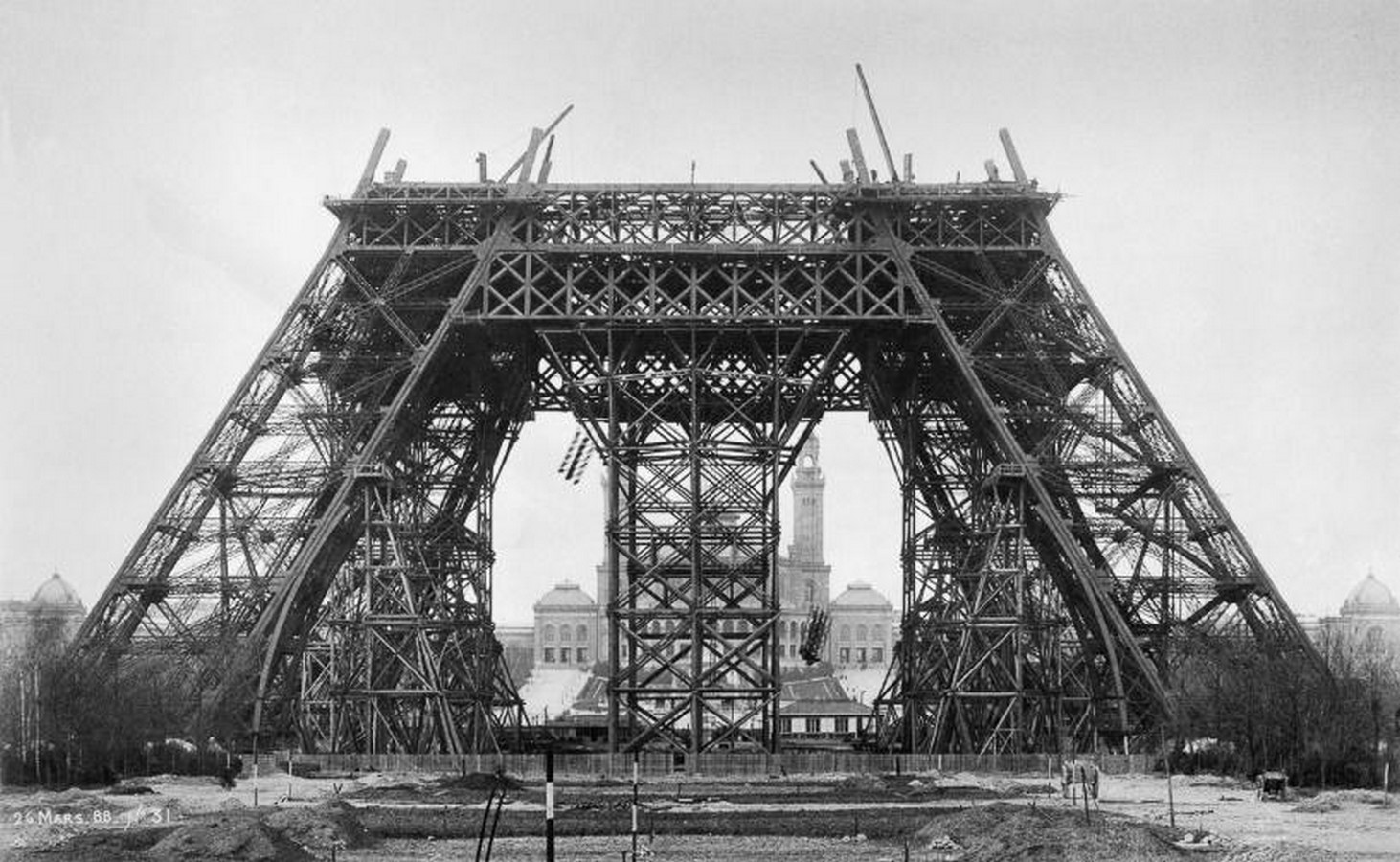
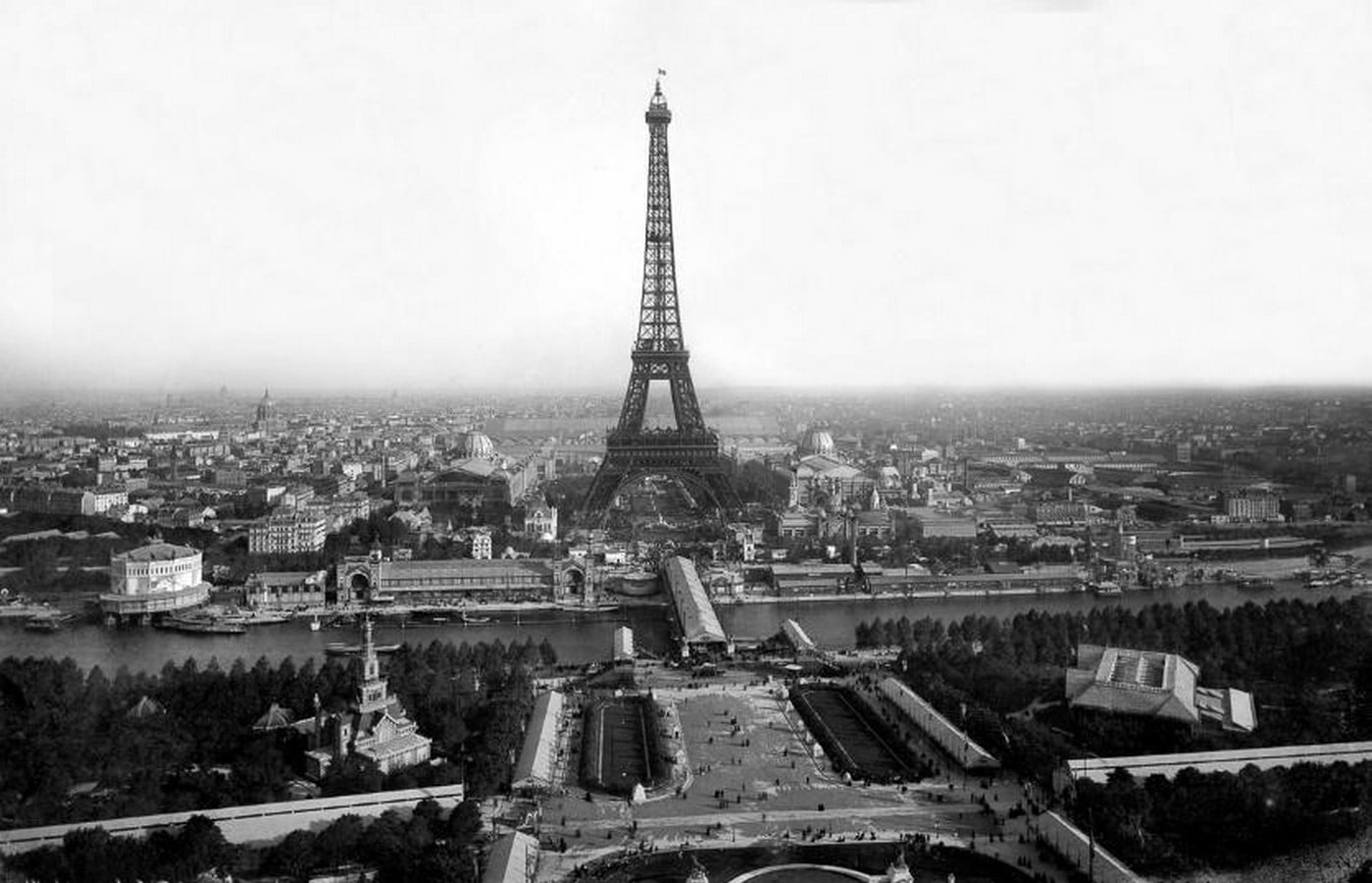
The Eiffel Tower was designed as a temporary entrance marker for the 1889 Exposition Universelle. Despite public criticism and disagreements about its appearance, the tower was reused for scientific research and telecommunications, ensuring its longevity (Eiffel 1889). This late functional shift not only saved the tower, but also transformed it into a symbol of Paris and a demonstration of architectural adaptation.
Architecture as an Adaptive System
These examples show that uncertainty actually strengthens architecture rather than weakens it. Eleventh-hour pivots highlight the dynamic interplay between ambition and reality, as architects, engineers, and clients negotiate under duress. In many situations, these late-stage decisions result in outcomes that are more expressive, resilient, and culturally significant than originally intended. The Eleventh-Hour Pivot: Architecture’s Most Famous Last-Minute Changes exemplifies this notion by demonstrating how adaptation can transform potential catastrophes into opportunities for iconic architecture.
Contemporary Relevance
In today’s world of rapid technology development, economic volatility, and climate unpredictability, eleventh-hour pivots are becoming increasingly important. Architects must reimagine structures in the middle of their construction to accommodate adaptive reuse, circular construction, and flexible design solutions. Drawing inspiration from previous pivots such as the Sydney Opera House and the Centre Pompidou, contemporary architecture embraces adaptation as a core approach, repeating lessons of resilience, inventiveness, and creative problem-solving.
Designing for the Unplanned
Finally, the most enduring buildings are those that respond intelligently to disruption, rather than those that strictly adhere to the original concept. The eleventh-hour pivot reveals that architecture’s greatest strength is adaptation, innovation, and resilience, illustrating that last-minute modifications may result in some of the world’s most iconic and celebrated structures.
References:
Utzon, J. (1957–1973) Sydney Opera House, Sydney, Australia
Rogers, R. & Piano, R. (1971–1977) Centre Pompidou, Paris, France.
Eiffel, G. (1889) Eiffel Tower, Paris, France