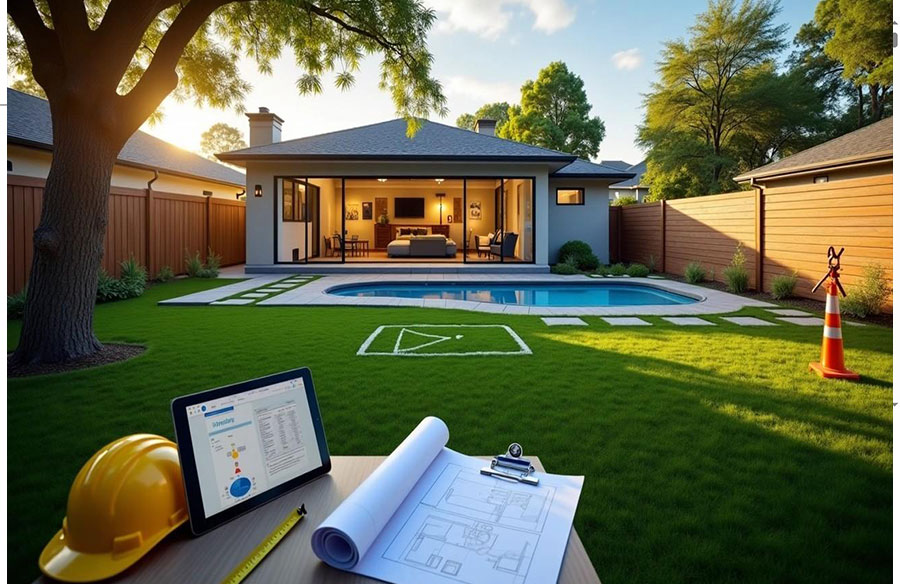
Installing a backyard swimming pool can cost anywhere from $40,000 to $200,000, depending on design complexity and features. You’ll also need to budget for ongoing expenses, with annual maintenance ranging from $1,560 to $2,700. Still, the investment can pay off, as pools increase home values by an average of $95,000 in some markets.
Before you break ground, you need to review multiple factors including backyard swimming pool size, terrain challenges, and backyard swimming pool cost. This piece covers everything from small backyard swimming pool ideas and backyard swimming pool design to legal requirements and contractor selection. Understanding these factors will help you make informed decisions that line up with your budget and lifestyle.
Understanding Your Backyard Space and Pool Options
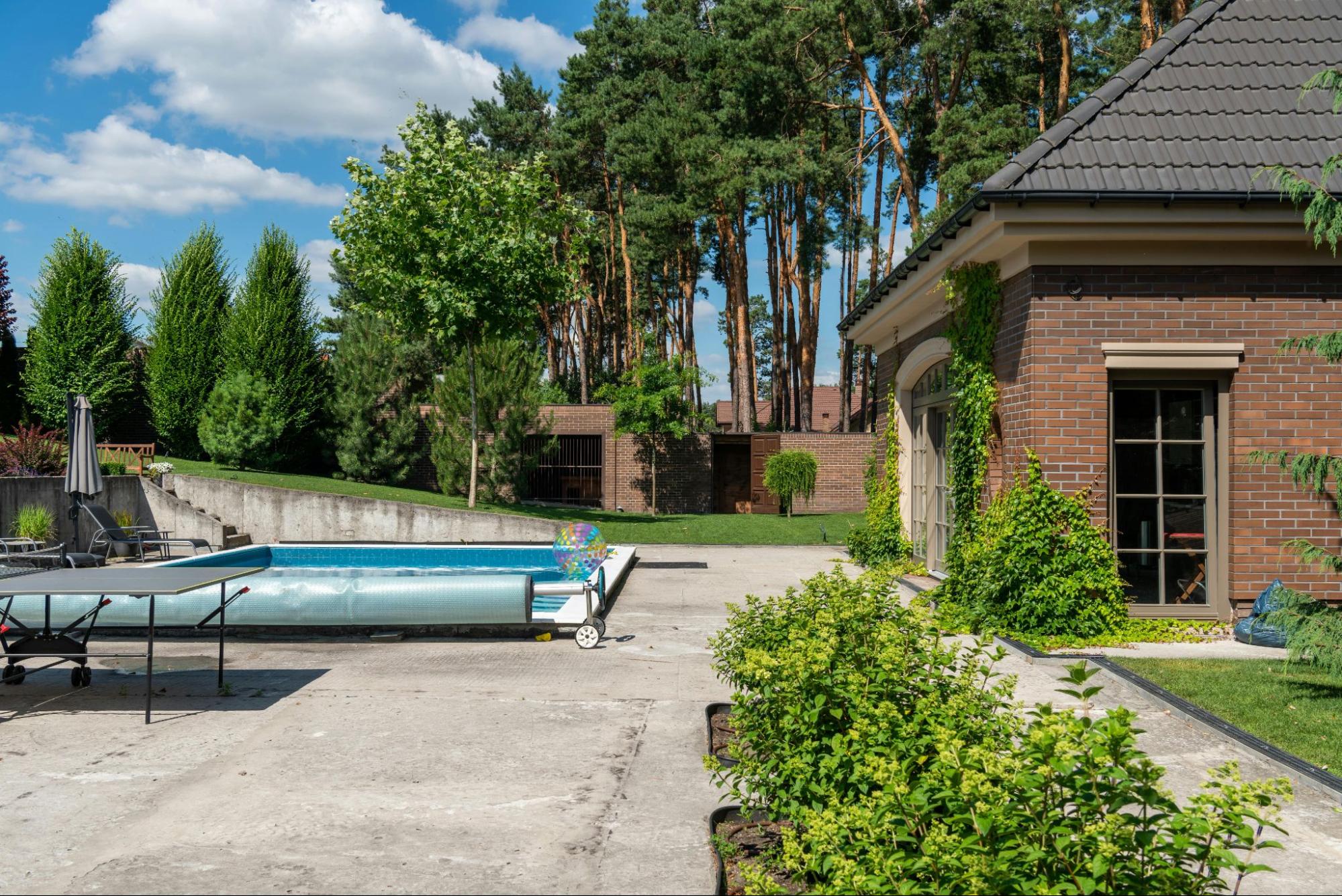
Understanding how your space interacts with different pool types helps you avoid costly design mistakes and unexpected limitations later. Careful planning at this stage also makes it easier to explore practical options such as layout adjustments, landscaping integration, and even solutions like swimming pool financing to align your vision with your budget.
Your yard dimensions determine what pool configurations work for your property. Measure length and width first, and note existing features like patios, trees, and utility lines that influence placement. Pools and surrounding areas should occupy about 25% of your total outdoor space as a general guide. This allocation leaves room for entertainment zones, play areas, or garden beds. You should also consider other backyard solutions you may want to add later.
Deck space around the pool’s perimeter needs planning—about 50% of the pool’s surface area. This provides enough room for safe navigation and outdoor furniture placement. Beyond personal space requirements, check your survey for easements, floodplain locations, and required distances from your residence. Side and rear easements restrict pool positioning because utility companies need access to underground services.
Backyard Swimming Pool Size: What Fits Your Property
A backyard between 1,200 and 3,200 square feet can accommodate a pool while maintaining functional outdoor space. Pools measuring 10′ x 20′ work well for smaller yards around 1,200 square feet. Yards with 2,000 square feet fit 15′ x 30′ designs. Family-sized pools range from 7 x 3 meters to 9 x 4 meters. Plunge pools offer compact alternatives at 5 x 3 meters to 7 x 3 meters, and lap pools extend from 9 x 2.5 meters to 15 x 3 meters.
Position your pool at least 10 feet from property lines and power sources. Federal regulations mandate a minimum 10-foot distance between your pool edge and home’s outer wall, though some municipalities require 25 feet or more.
In-Ground vs Above Ground Pool Comparison
Above-ground pools cost between $7,000 and $8,000, while in-ground installations start at $38,000 and average $55,000. Installation timeframes differ by a lot: above-ground pools take a few days, whereas in-ground construction requires six to eight weeks.
In-ground pools last 30 to 50 years depending on materials, balanced against above-ground pools that last 7 to 15 years. Above-ground options max out at 54 inches depth. This reduces excavation requirements but limits diving capabilities.
Terrain Challenges and Solutions
Sloped yards require specialized approaches. Retaining walls provide structural support by holding back soil and preventing erosion. Costs for retaining walls range from $2,000 to $30,000. Grading reshapes slopes to create level areas, though proper materials matter: use gravel rather than excavated dirt under patios to prevent settling. Building up the lower side with gravel costs $900 to $2,500 for mild slopes.
Budget Planning and Cost Factors
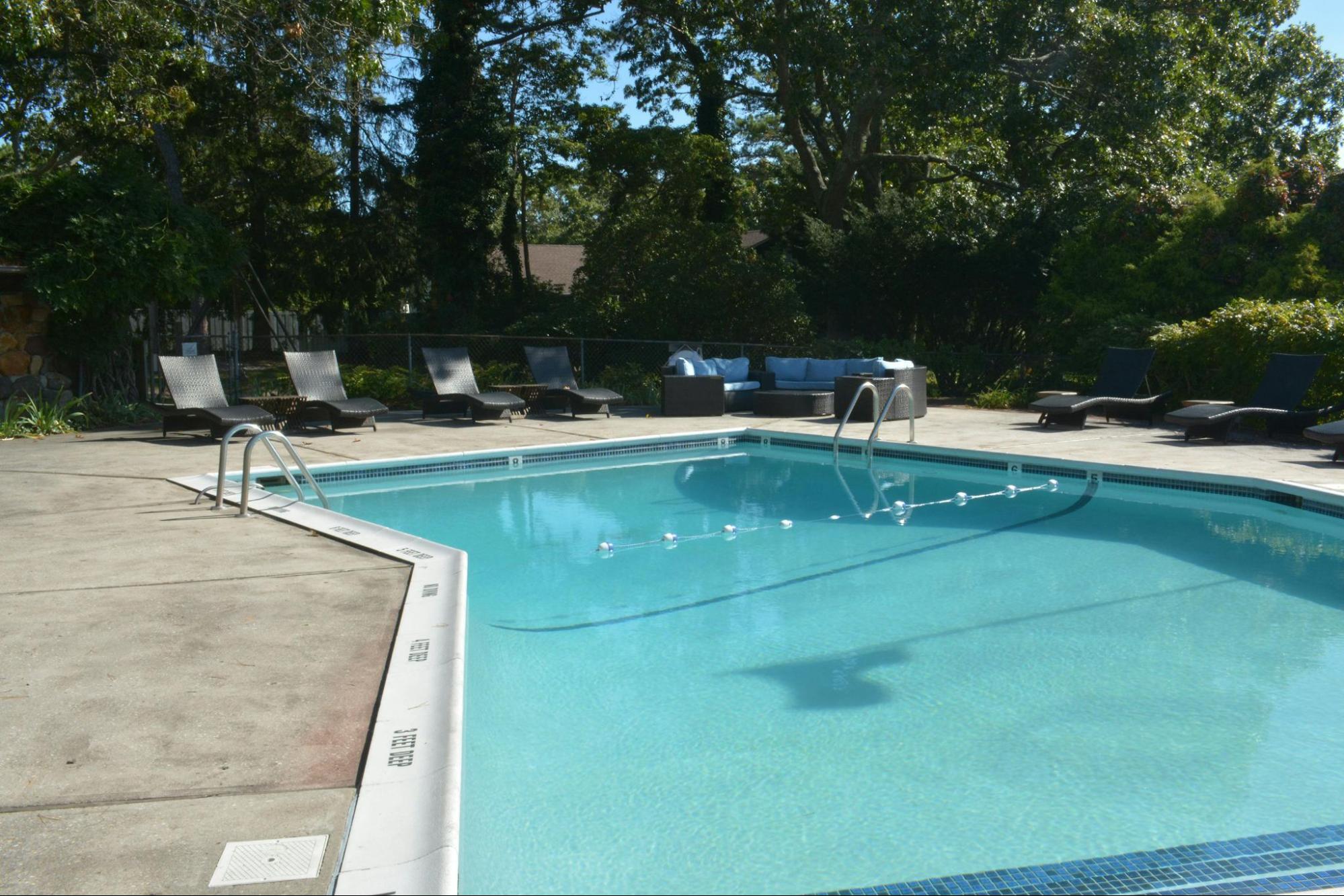 Your backyard swimming pool cost extends beyond the original installation. Understanding both upfront and recurring expenses helps you create a realistic budget that lines up with your financial capacity.
Original Installation Costs
Material selection drives your main expense. Vinyl pools cost $40,000 to $75,000 to install, while fiberglass installations range from $55,000 to $100,000. Concrete pools represent the highest investment at $65,000 to $120,000. Pool dimensions further influence pricing, with costs averaging $90 to $250 per square foot. A 288-square-foot pool runs around $25,200, whereas an 800-square-foot installation reaches $70,000.
Labor accounts for 25% to 50% of total project costs. Pool contractors charge $55 to $150 per hour. Electricians cost $50 to $150 per hour, and fence installers run $35 to $65 per hour. Site preparation adds $500 to $3,020 for excavation and $1,000 to $3,300 for yard leveling. Permits cost $450 to $1,800.
Ongoing Maintenance and Operating Expenses
Annual maintenance varies by material. Fiberglass pools cost $375 yearly for electricity and chemicals. Vinyl liner pools just need around $700 each year, and concrete pools demand about $1,650 per year. Electricity alone adds $30 to $50 monthly with variable-speed pumps or $75 to $150 with single-speed systems.
Equipment replacements factor into long-term budgets. Vinyl liners need replacement every 10 years at $3,000 to $7,500, whereas concrete resurfacing occurs every 10 to 15 years and costs $10,000 or more.
Additional Features and Upgrades
Pool heaters cost $1,830 to $4,210, while covers range from $870 to $2,800. Fencing installations run $1,500 to $10,000, and pool decking adds $3,000 to $12,000. Waterfalls cost $4,000 to $20,000, and slides range from $1,500 to $20,000.
Financing Your Pool Investment
Planning how you will fund your pool is just as important as choosing its size, design, and features. Because pool installation requires a significant upfront investment, swimming pool financing provides tailored solutions with flexible repayment structures that align with long-term home improvement goals. This approach allows you to move forward with construction while maintaining financial stability and avoiding unnecessary delays.
Legal, Safety, and Technical Requirements
Legal and technical requirements shape every stage of pool installation, from planning to final approval. Addressing these obligations early helps prevent delays, protects your property, and ensures the finished pool meets all necessary standards.
Required Permits and Inspections
Building permits apply to pools holding 3,000 gallons or more. Permit fees vary by location: Philadelphia charges $57, Pennsylvania municipalities range from $50 to $500, and Florida starts at $75. Licensed professionals must complete installations for separate electrical and plumbing permits. Inspections occur after excavation and upon completion.
Checking for Utility Lines and Infrastructure
Before excavation begins, utility mapping helps identify underground systems such as irrigation lines, drainage pipes, and electrical wiring installed throughout your property. This process provides a clear picture of what lies beneath the surface, allowing contractors to plan excavation safely and avoid damaging critical infrastructure. Proper mapping ensures your pool can be installed without disrupting existing systems or creating costly repairs later.
Property Line Setbacks and Zoning Compliance
Pools must not be located in front or side yards and require minimum two-foot clearance from property lines. Setback distances for in-ground pools must equal pool depth from adjoining property lines. Most municipalities enforce 10-foot setbacks, though requirements vary: parcels under 15,000 square feet need five-foot side and rear setbacks.
Making the Right Decisions for Long-Term Success
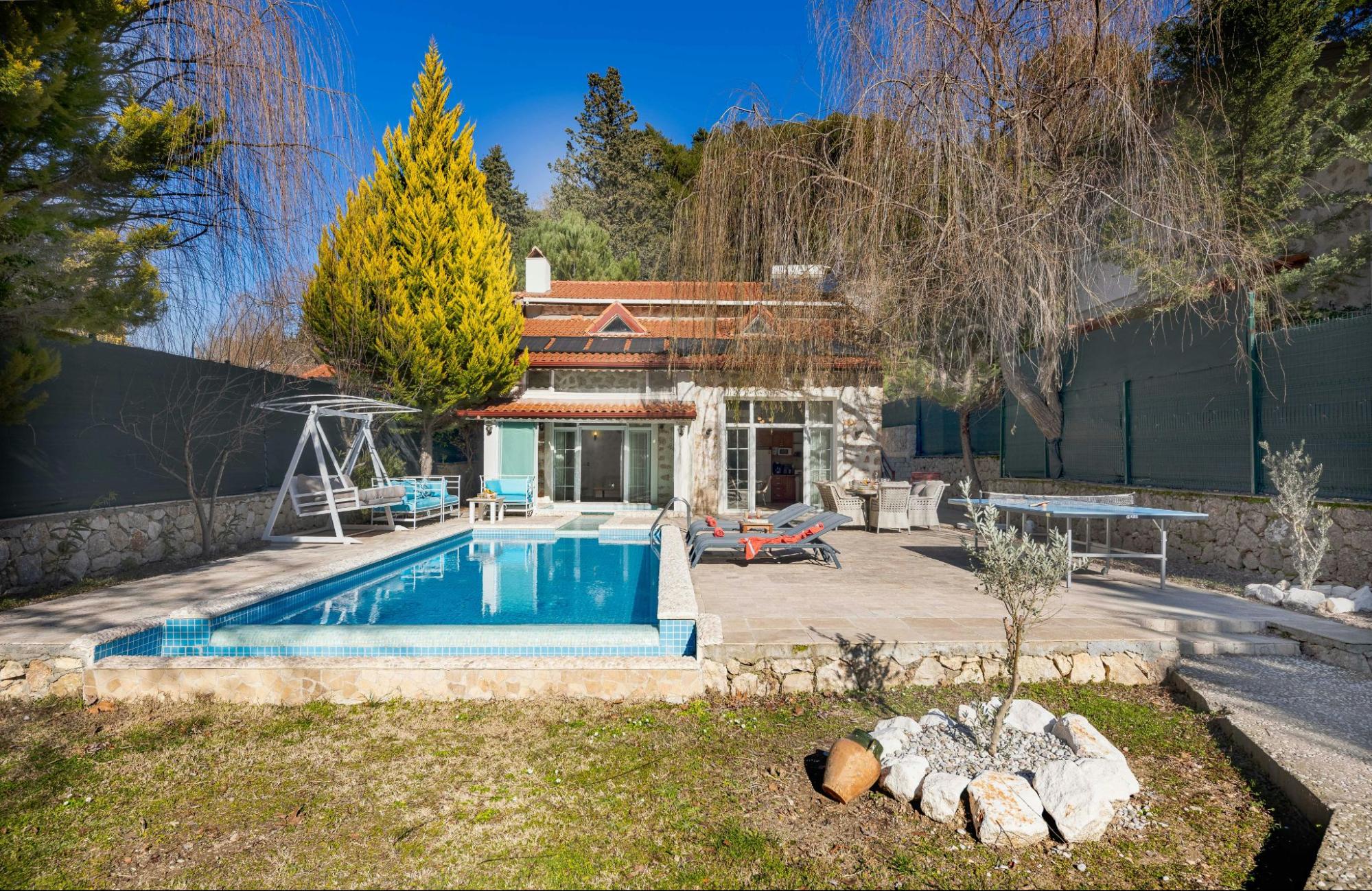 The choices you make during installation will directly affect how easy your pool is to maintain and how well it performs over time. Thinking beyond the initial build helps ensure your investment continues to deliver enjoyment, reliability, and long-term value.
Maintenance Commitment and Time Investment
Weekly pool care just needs skimming daily, brushing walls twice weekly, and testing water chemistry weekly. Professional maintenance services cost $960 to $1,800 annually. DIY approaches need about $100 yearly for chemicals plus $150 to $200 for annual professional checks. You’ll spend time managing pH levels between 7.2 and 7.8, maintaining chlorine at 1 to 3 ppm, and keeping alkalinity at 80 to 120 ppm.
Pool Type and Material Selection
Fiberglass pools require the lowest maintenance and cost $4,000 over 10 years. Their non-porous surfaces resist algae and last 25 to 30 years. Vinyl pools need liner replacement every 8 to 10 years at $6,000. The 10-year maintenance totals $18,000 to $24,000. Concrete pools demand the most upkeep at $22,500 to $29,500 over 10 years but last 50 years with care.
Climate Considerations
Fiberglass pools excel in cold climates due to freeze-thaw resistance and natural insulation. Concrete suits tropical and desert environments and withstands intense heat and UV exposure. Subtropical regions accommodate all pool types.
Conclusion
Installing a backyard swimming pool requires you to think about your space, budget and the commitment you’re making. Pool type, materials and contractor selection are decisions that will affect your enjoyment and expenses for decades. Research local regulations really well and compare material options based on your climate. Verify your contractor’s credentials. Plan really well and choose wisely. You’ll create a valuable outdoor retreat that fits your lifestyle and budget.