Early Life and Foray into the Architectural Realm
Brinda Somaya, a pioneer in her own right, weaves stories of architecture, narratives of nature, and tales of timeless heritage in a five-decade-long rendition of built environments and conservation efforts. From a small office setup at the back of her house to a large, multi-faceted, internationally acclaimed architectural firm, Brinda Somaya has come a long way on this journey, carving out a niche for herself as an architect and urban conservationist. In an interview with newsletters, Somaya recounts that as a child, she wanted to become an archeologist, having developed a flair for history and conservation upon visiting the brick ruins of Nalanda. Brinda Somaya secured an international scholarship to study in the United States at the age of sixteen, returning from which, Somaya went on to pursue architecture at the renowned college, J J School of Architecture in Mumbai and subsequently graduated from Smith College, Massachusetts, with a masters degree. She was later bestowed with an Honorary Doctorate from Smith College, USA, and the IIA Baburao Mhatre Gold Medal for Lifetime Achievement from the Indian Institute of Architects.
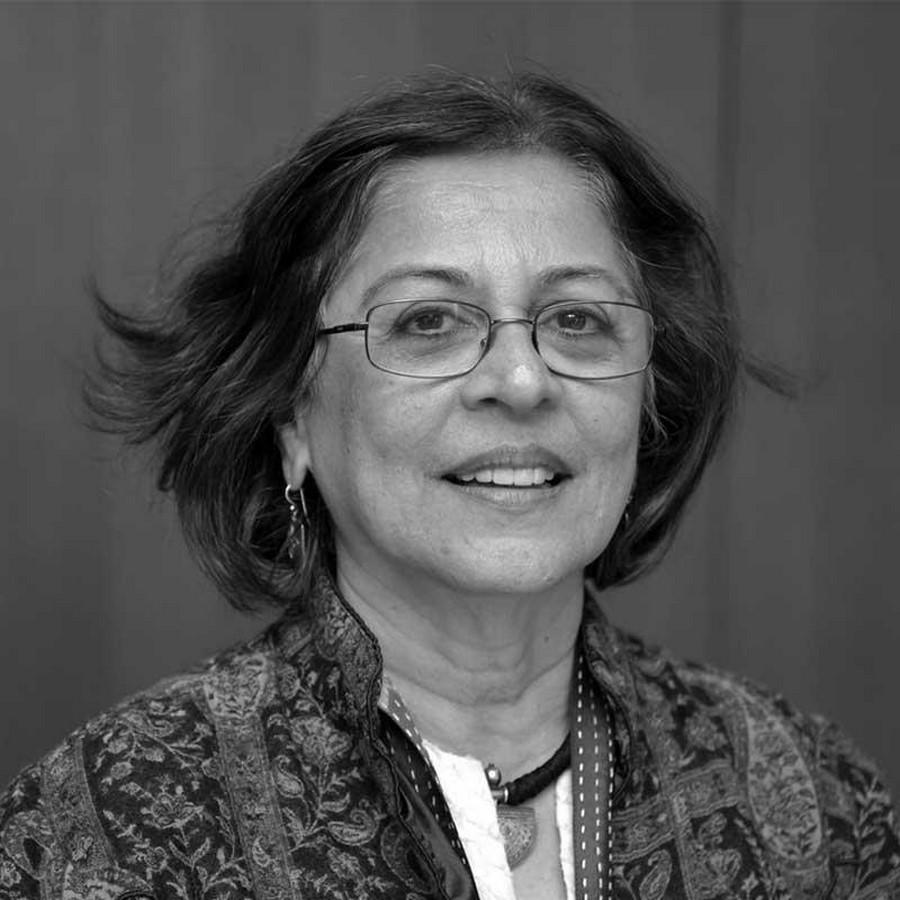
Brinda Somaya describes her first project in Mumbai, designing a swimming pool with necessary amenities for the Chembur Golf Club, following which she landed her first industrial project, the Parle Products Biscuit and Confectionery Company, courtesy to the board member of the club. In 1978, Somaya, along with her sister Ranjini, who was also an architect, began their architectural firm, Somaya and Kalappa, in Mumbai. Somaya continued to run her own practice after her sister left for Holland, touring rural parts of India in attempts to understand conservation and vernacular architecture, elements that would soon become her philosophy of practice.
Design Philosophy
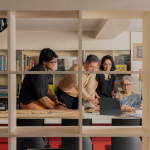
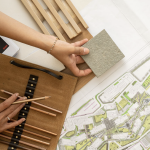
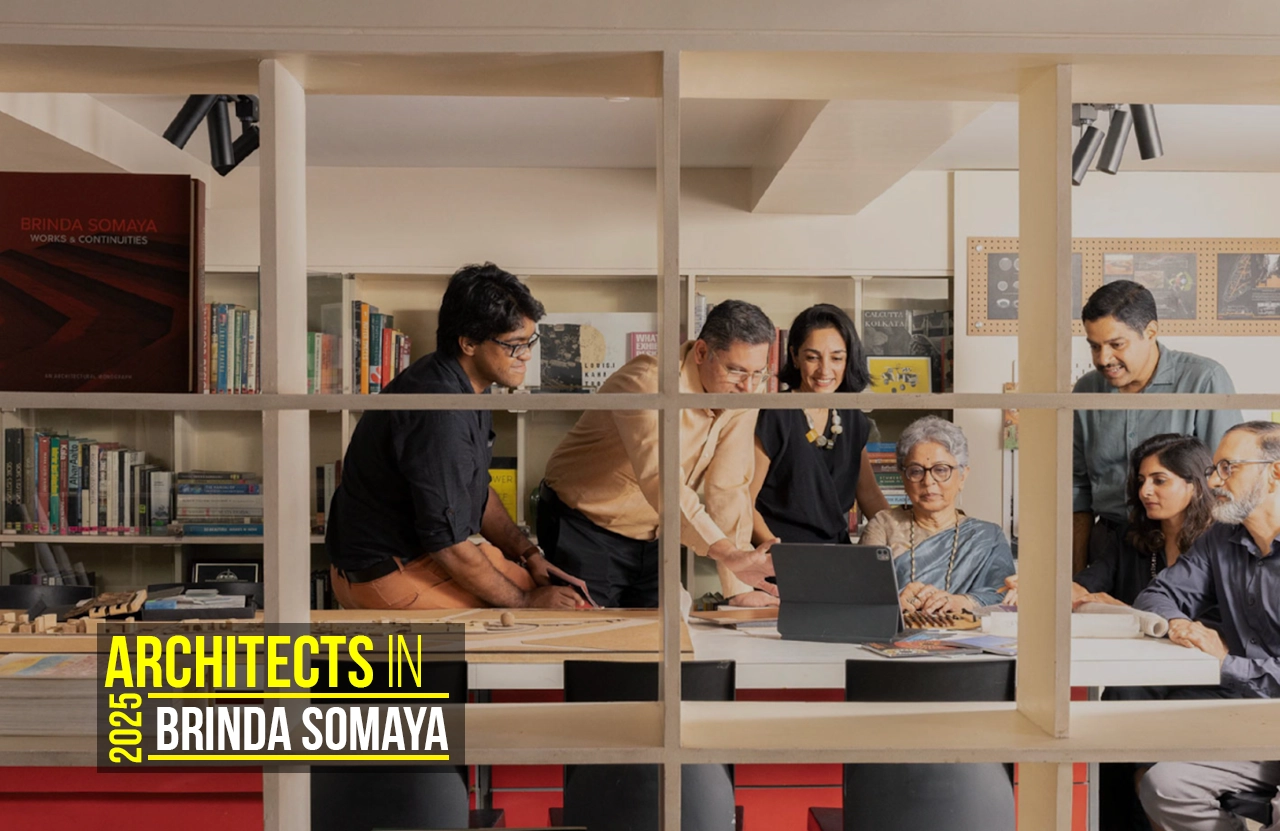
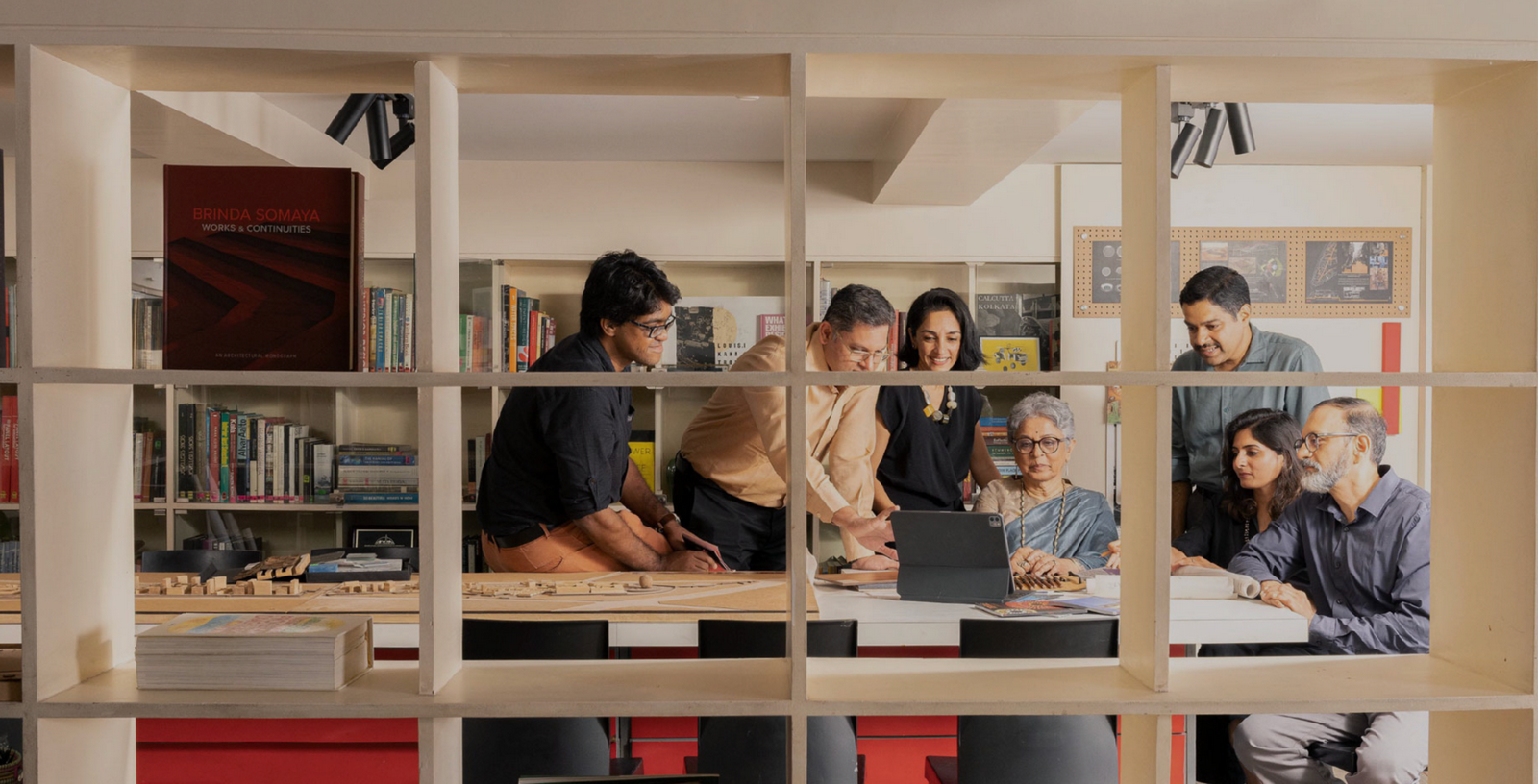
Having spearheaded the Somaya and Sampat studio (erstwhile Somaya and Kalappa) for a staggering period of five decades, Brinda Somaya has shaped the design philosophies, principles, and mode of approach to the constraints and attributes of a project. Adopting a holistic and multidisciplinary method of project synthesis, they delve into meaningful architectural research and execution that not only looks into materials, function, and aesthetics, but also resonates with the people, culture, and environment, forging a deep and profound connection between the users, the built forms, and the organic nature. Rooted in strong ethical and moral values, the firm encourages an inclusive and conducive environment for growth and professionalism, steering ahead with newer concepts, ideas, and advancements.
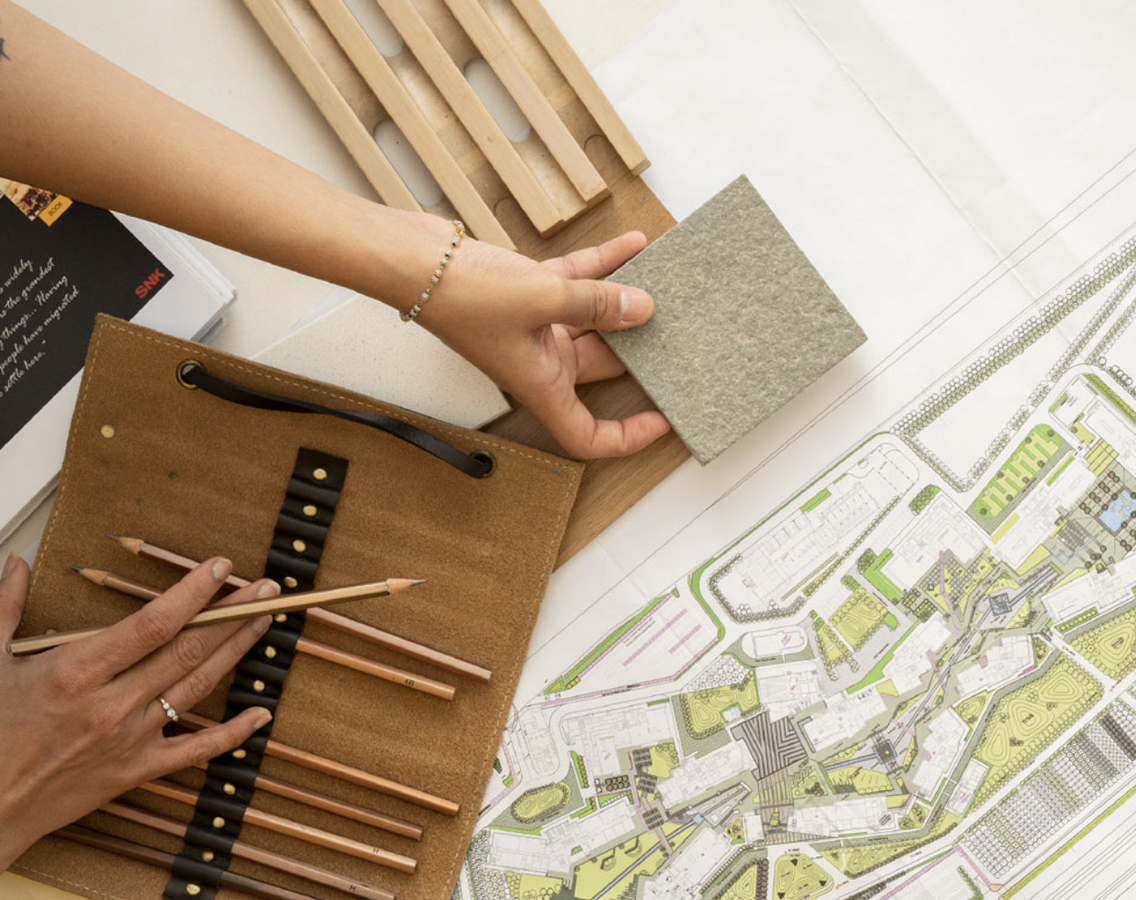
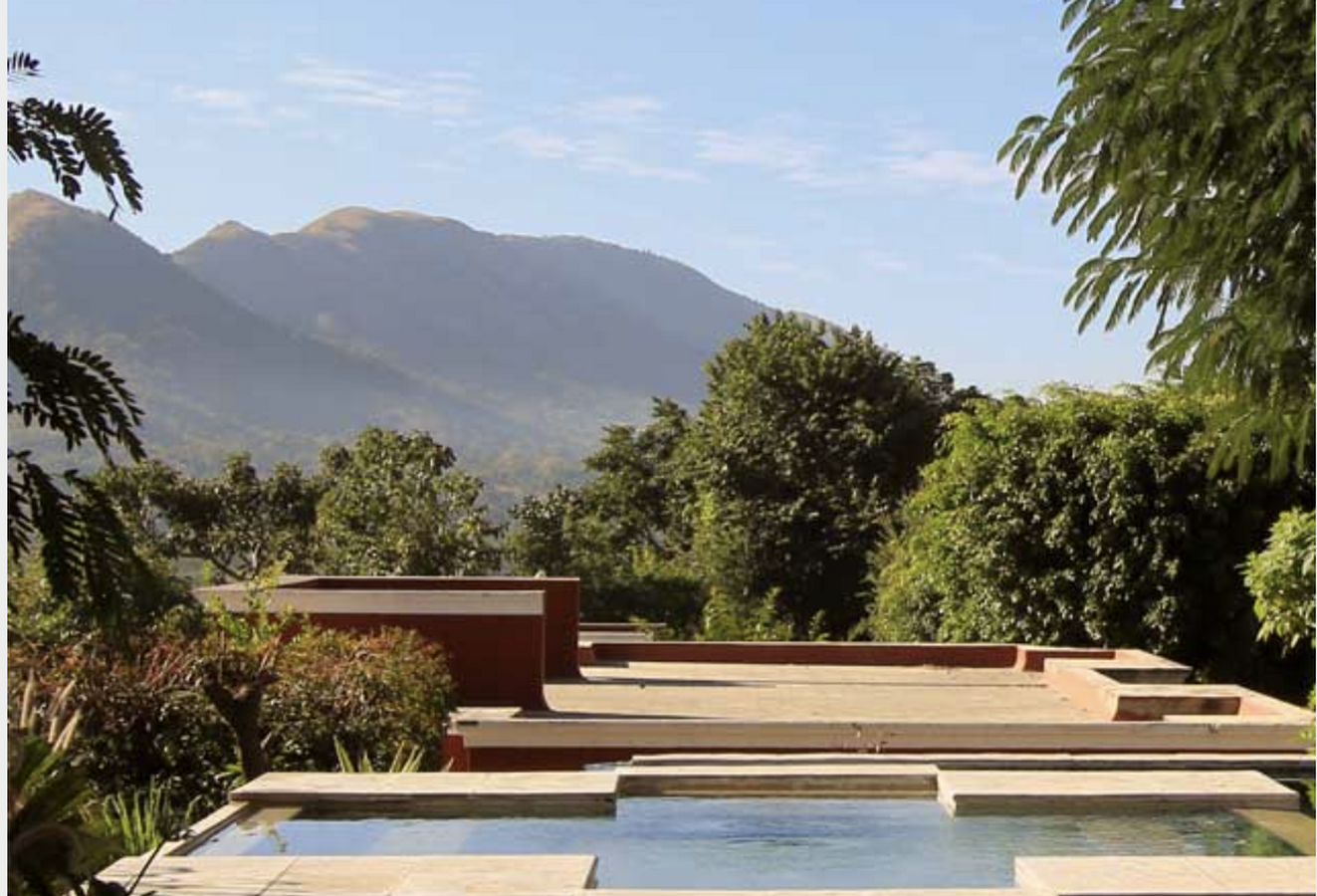
Predominantly, their design philosophy leverages fundamental principles of ‘water’, a nucleus and generator of microclimates, ‘walls and facades’, a seamless bridge between the external and internal environment, ‘ light’, usage of natural daylighting and shadow-play, ‘geometry’, design precepts of symmetry, unity, balance and proportion and lastly ‘materials’, a reflection of context and vernacularity. Ultimately, they believe that it is an amalgamation of innovation, collaboration, context, and sustainability that contributes to a successful design.
Critically Acclaimed Projects
- Nalanda International School, Vadodara
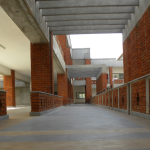
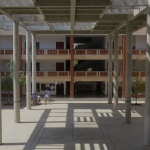
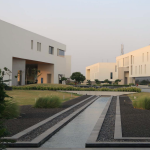
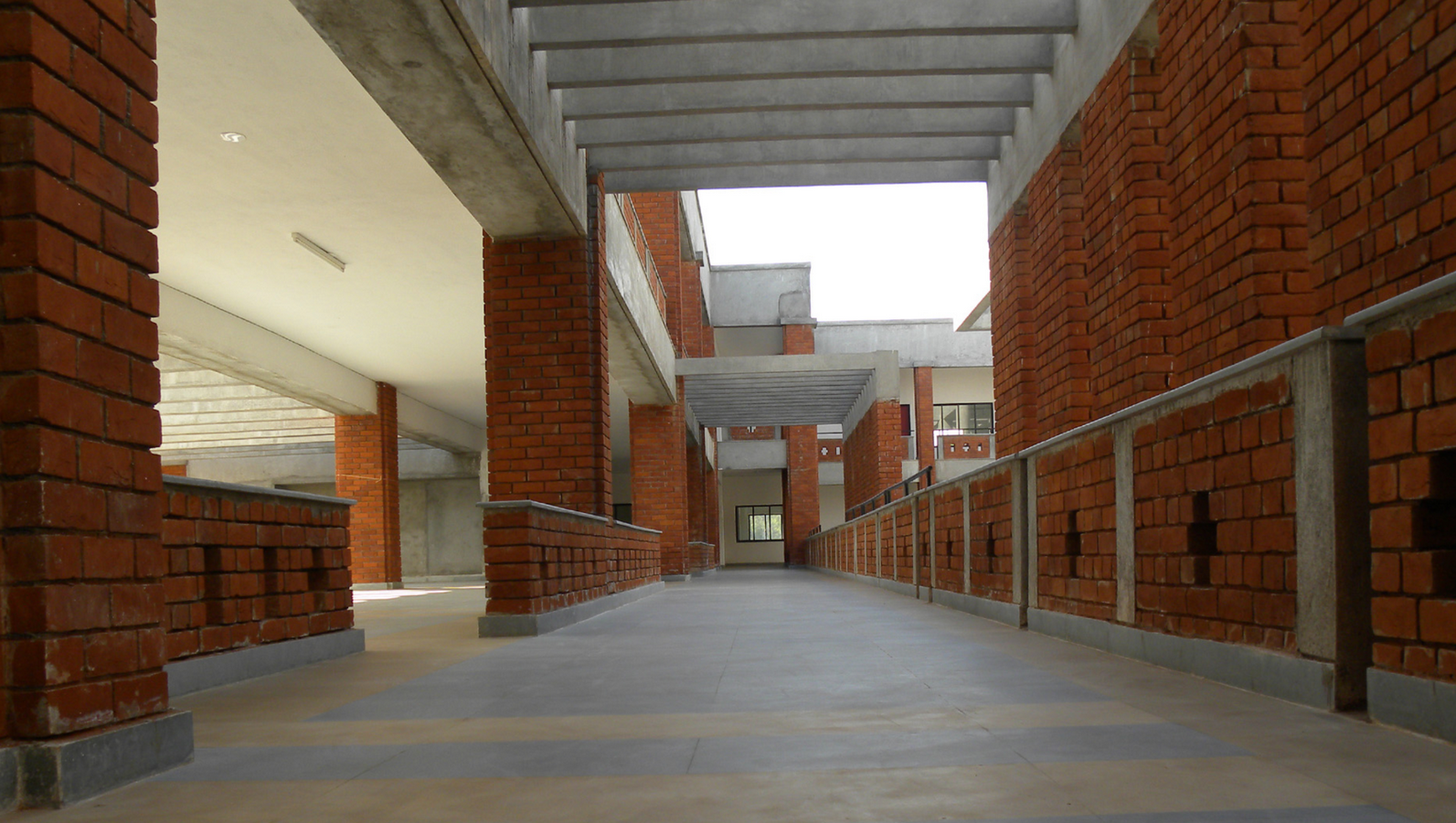
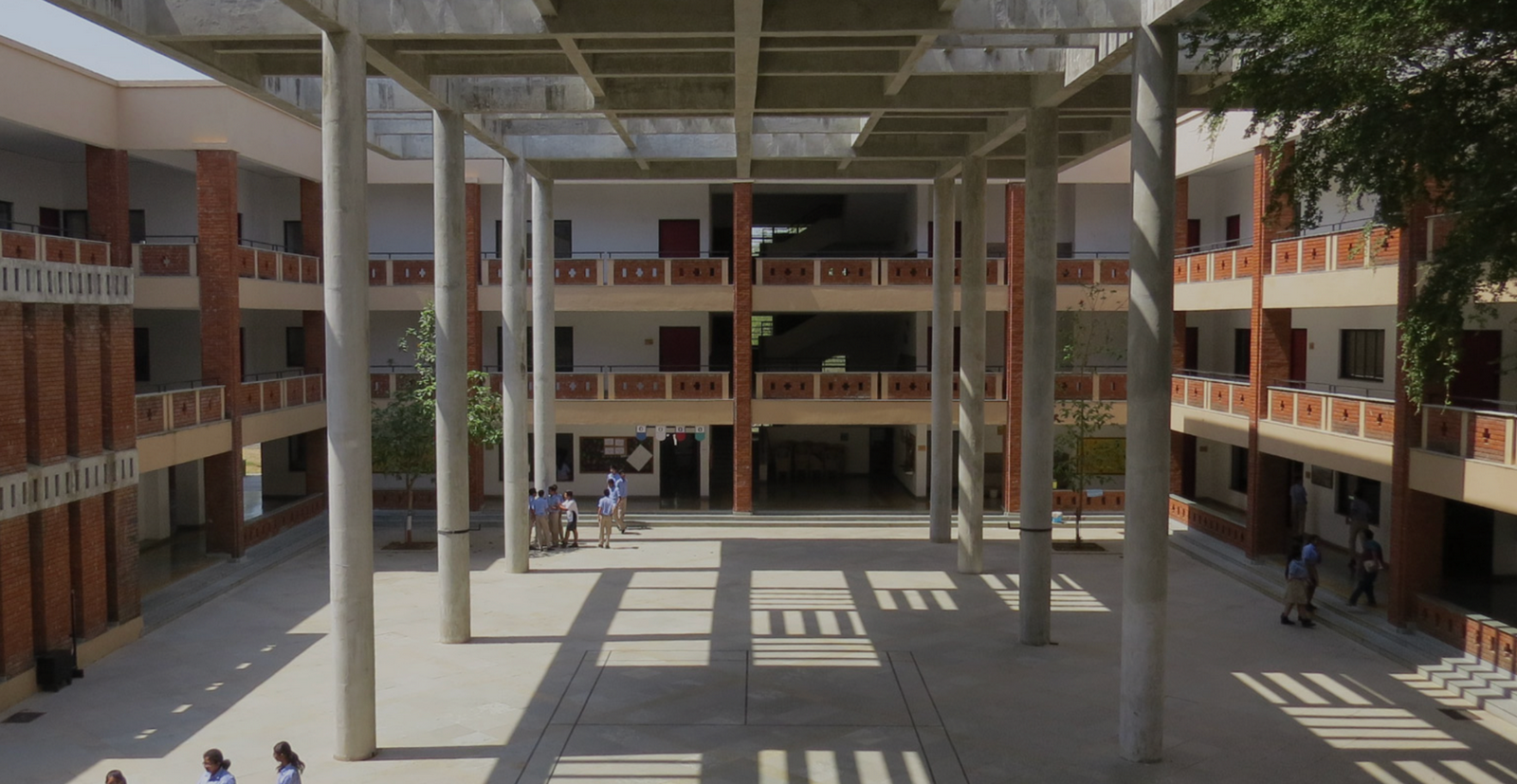
This project justifies the cultural ethos of the place by making use of vernacular elements and traditional strategies to combat climate and offer a peaceful and tranquil environment conducive for learning and growing. A reflection of the original Nalanda University, an ancient centre for learning, this project ultimately attempts to positively engage the students in an environmentally responsive and sensitive precinct. The design is largely based around a central courtyard, with smaller internal courtyards around which classrooms and activity zones are arranged in clusters. The school’s design also features pergolas, shaded classrooms, and jalis, forming a link between the outside and inside. Different blocks corresponding to different grades and classes were made in phases that took around six to seven years to complete. Local bricks, natural stone flooring and terracotta tiles were predominantly used along with passive climatological strategies for ample ventilation and natural daylighting.
- Rajabai Clocktower and University Library, Mumbai
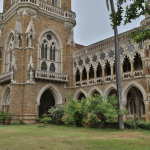
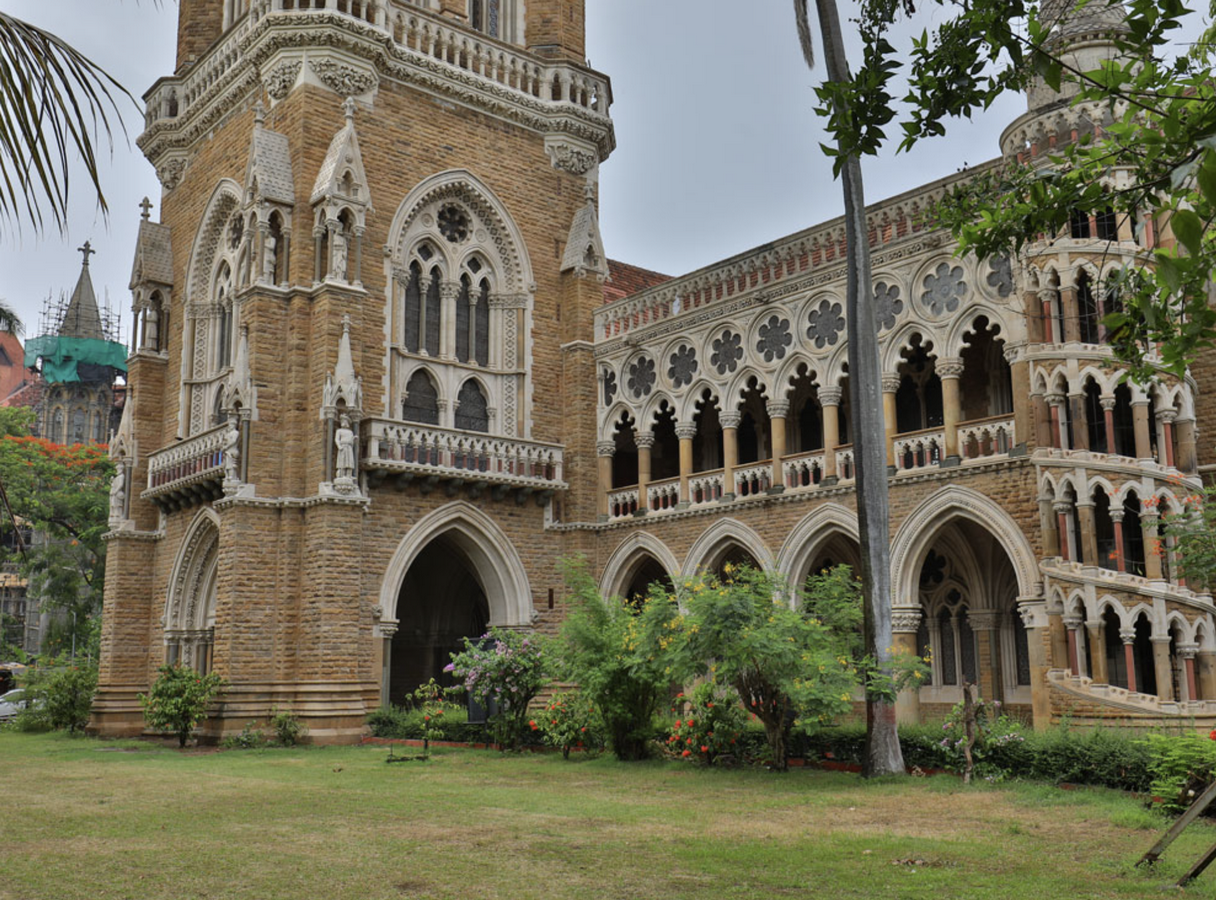
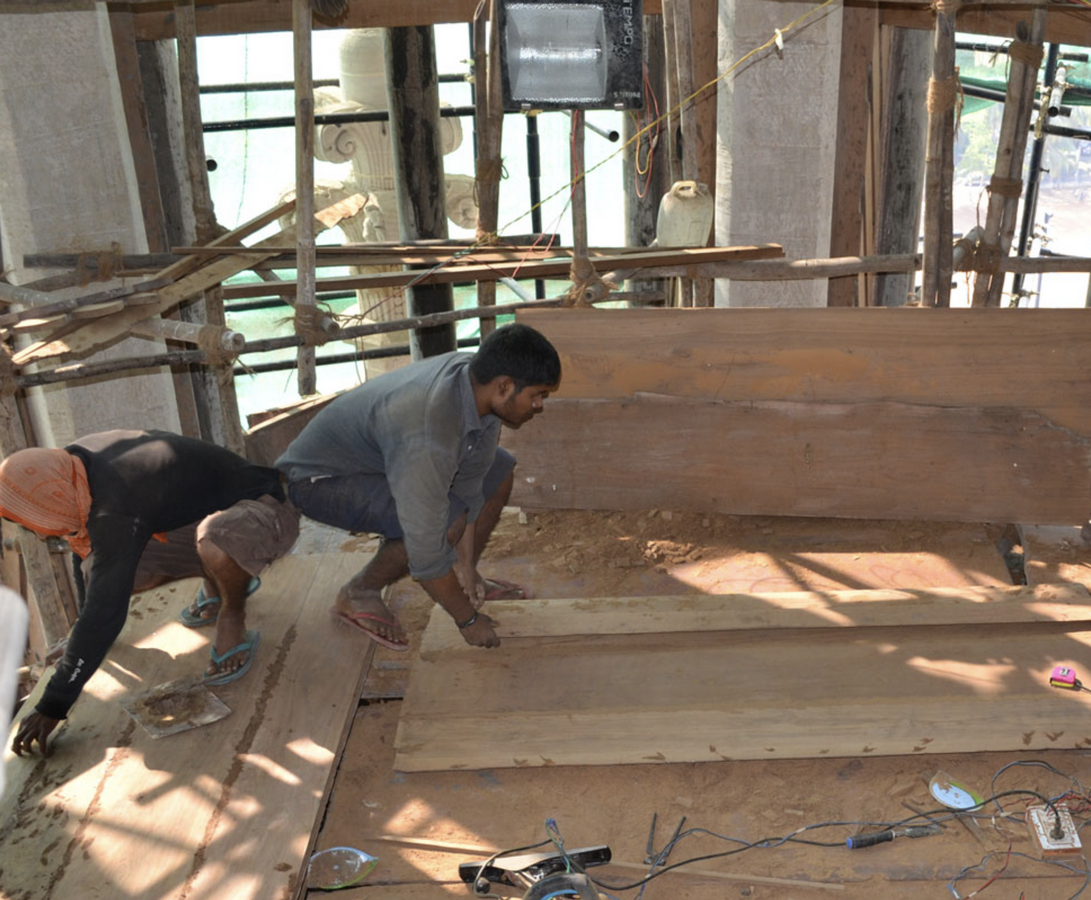
This project was a restoration effort to revive the famous clocktower and library to its former glory. To achieve this and suggest plausible interventions, a meticulous and laborious research procedure was carried out, documenting the vocabulary of the elements and motifs, understanding their historical meaning and their structural integrity. A solution was to be proposed that would further strengthen the structure while making it functional and relevant for today’s context. The building and tower were mainly laid in Malad, grey basalt, Porbandar, and dharmadasa Trivandrum stones, reflecting its rich historical legacy and grandeur. The library building’s electrical connections had to be worked upon, concealing conduits and wires while also not harming the facade treatments. Despite challenges like narrow access spaces, constraints in meddling with the design, conventional service designs impeding renovations, or restrictions by regulations, Brinda Somaya, along with the firm, successfully rejuvenated the historic landmark, respecting both culture and architecture to revive the timeless structure.
- Tata Consultancy Services, Indore
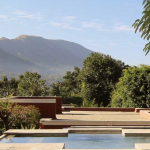
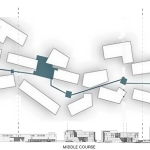
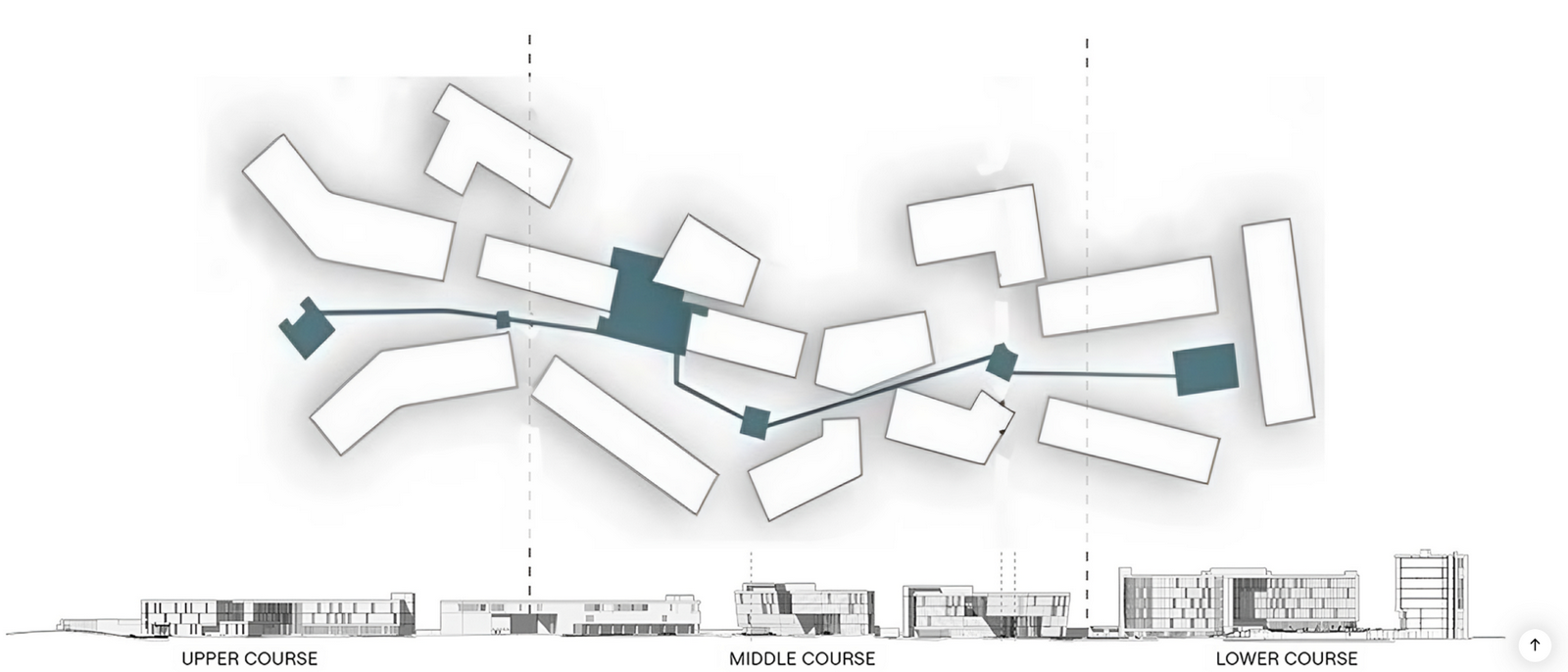
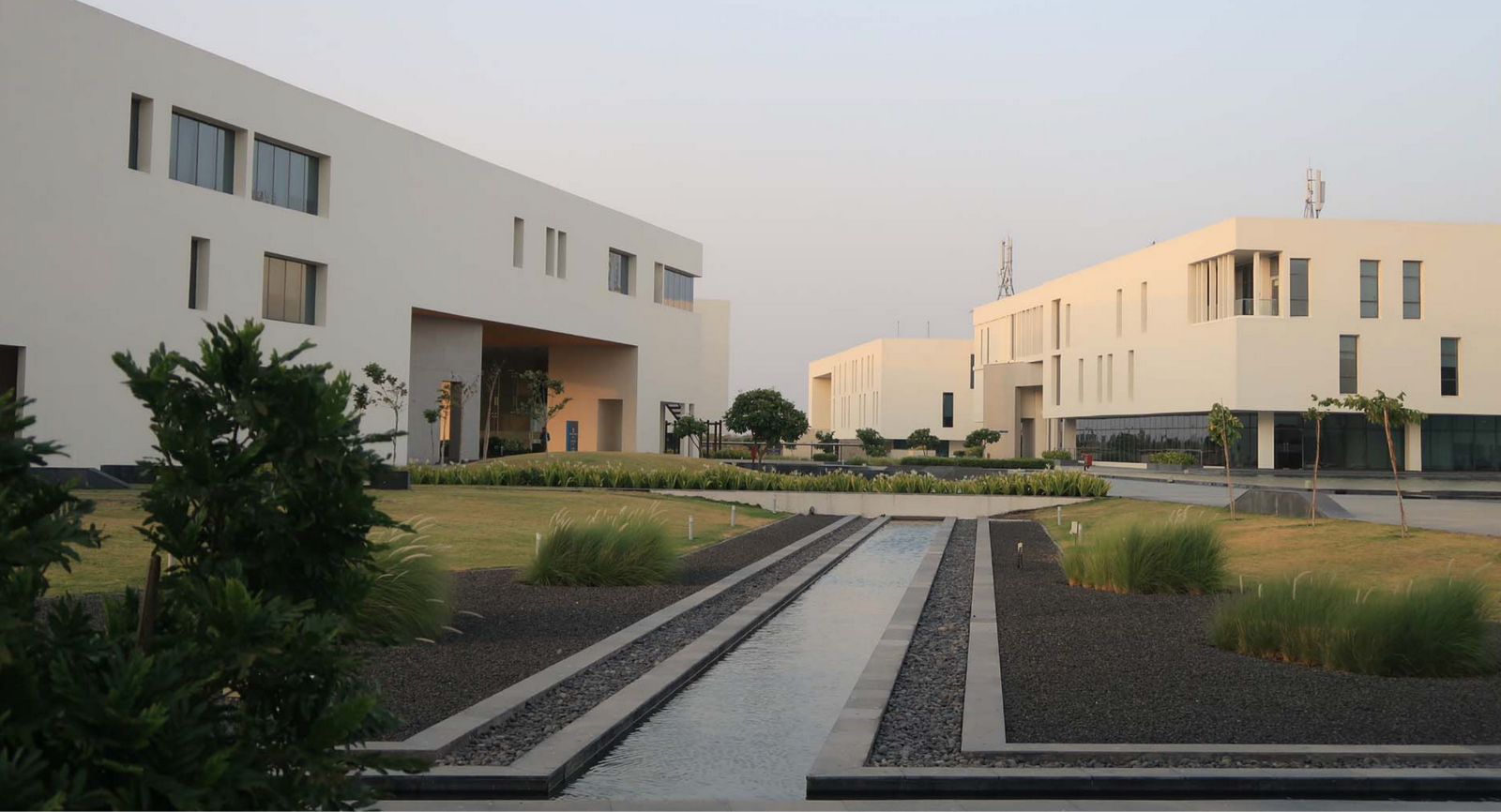
TCS, a well-known IT company, needed a knowledge hub in the city of Indore, Madhya Pradesh, where young and innovative talent could be incubated and proliferated. This venture, built on a land of 100 acres, draws inspiration from the river of Narmada and its courses, which is reflected in the massing of the blocks and linear arrangement of the campus buildings flanking a central axis. Conceptualised around the geographic terrain and undulations of the area, the campus promotes a healthy work-life balance and fosters social interaction. This approach ensured a seamless integration of the built blocks and nature, providing a novel dimension to landscaping and the arrangement of spaces. The ‘upper course’ houses clusters of blocks with a central pond/ well with pavilions and white cubes to symbolise the origin of the river, Amarkantak. Following this, in the ‘second course’, the buildings are scattered and fragmented to mirror the meandering of a river and the formation of gorges. Finally, the lower course features more buildings with lower facets and a pivoted arrangement of forms. At the end of the course, an amphitheatre is placed to encourage community and social activity.
In Popular Culture
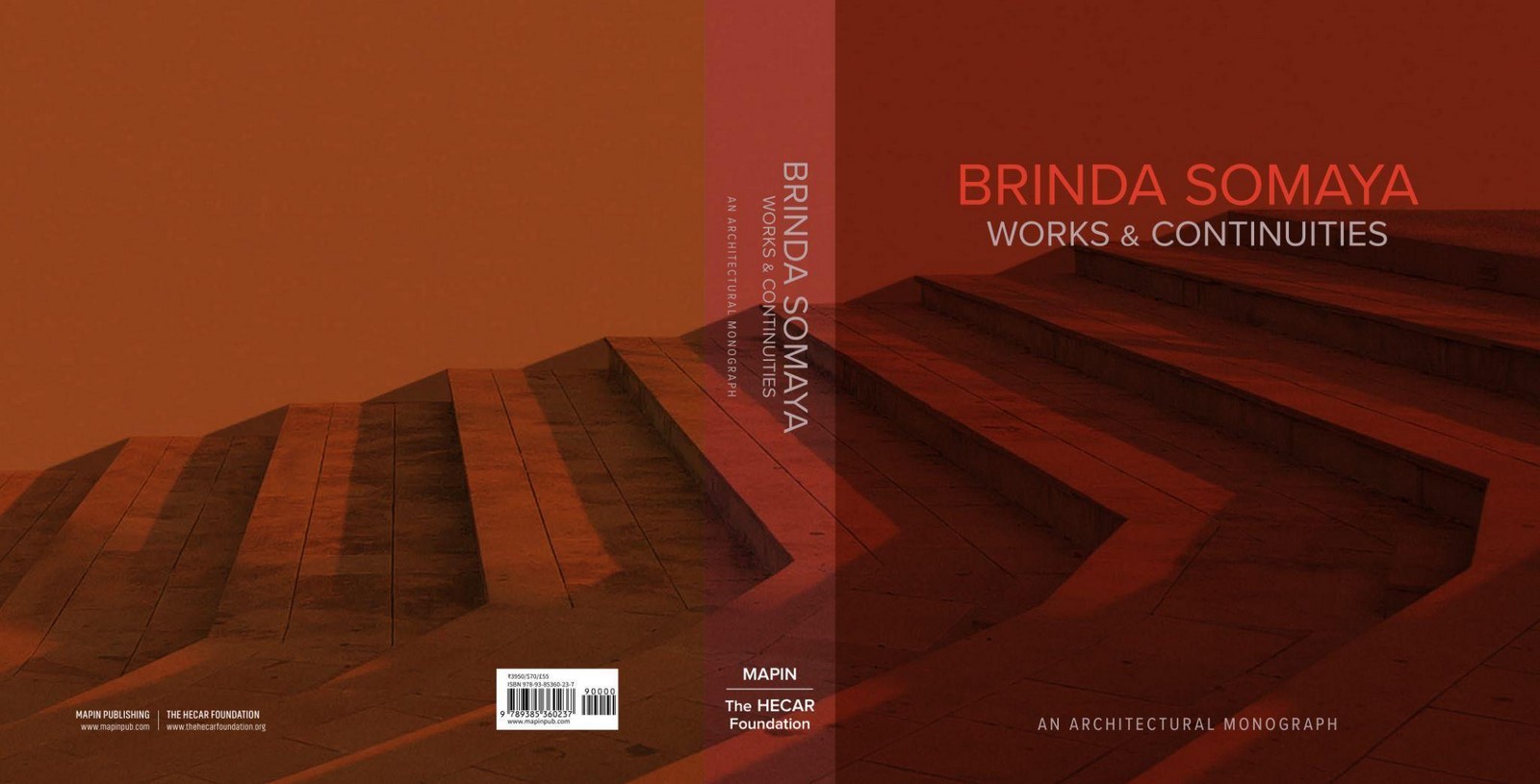
In 2018, an architectural monograph, ‘Works and Continuities,’ was released to the public, detailing Somaya’s insightful journey in curating designs, site visits, findings, and heritage conservation. It explicitly explores various works, which include but is not limited to residences, institutions, industrial works, conservation, urban design, and social projects, going beyond the lines of architecture and design to encompass the essence, history, and environmental impact of the locations. The record also presents the readers with the evolution of her design principles and philosophy, the diverse work profiles she has indulged in, and sheds light on her seminal journey as an architect.
Aptly, the title of the book does not contain the word ‘architecture,’ conveying to the readers that her works traverse beyond buildings, into the nuances of rural and urban spaces, preservation, and sustainability. Brinda Somaya has successfully redefined the landscape of built environments in India and worldwide, respecting traditional roots and technological advancements, promoting adaptive reuse concepts and conservation, and strongly inferring that an architect is a guardian of built and unbuilt environments.
The following are the references in Harvard Citation style:
Wikipedia Contributors (2025). Brinda Somaya. Wikipedia.
Glue Lagoon (2025). Somaya and Sampat, Consultants, Brinda Somaya, Architecture, Interiors, Planning, Conservation, Urban Design. [online] Somayasampat.com. Available at: https://www.somayasampat.com/work.php [Accessed 7 Sep. 2025].
Hbs.edu. (2018). Brinda Somaya – Creating Emerging Markets – Harvard Business School. [online] Available at: https://www.hbs.edu/creating-emerging-markets/interviews/Pages/profile.aspx?profile=bsomaya [Accessed 7 Sep. 2025].
Durganand Balsavar (2018). Brinda Somaya says architects need to look beyond the boundaries of buildings. [online] The Hindu. Available at: https://www.thehindu.com/society/go-beyond-the-boundaries-of-buildings-60-minutes-with-brinda-somaya/article23398766.ece [Accessed 7 Sep. 2025].
Indian-Architects. (2025). Nalanda International School Somaya & Kalappa. [online] Available at: https://www.indian-architects.com/ca/somaya-and-kalappa-mumbai/project/nalanda-international-school [Accessed 7 Sep. 2025].