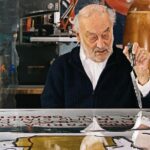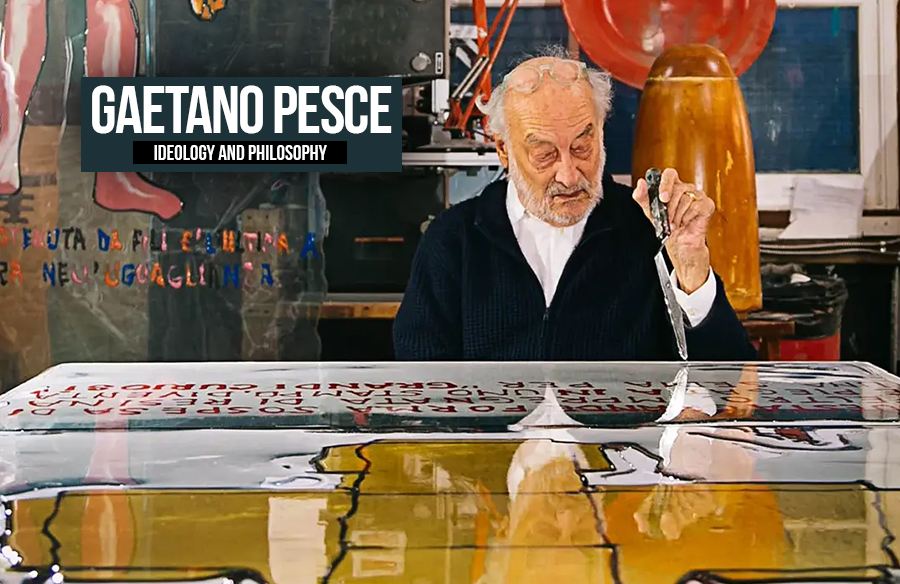
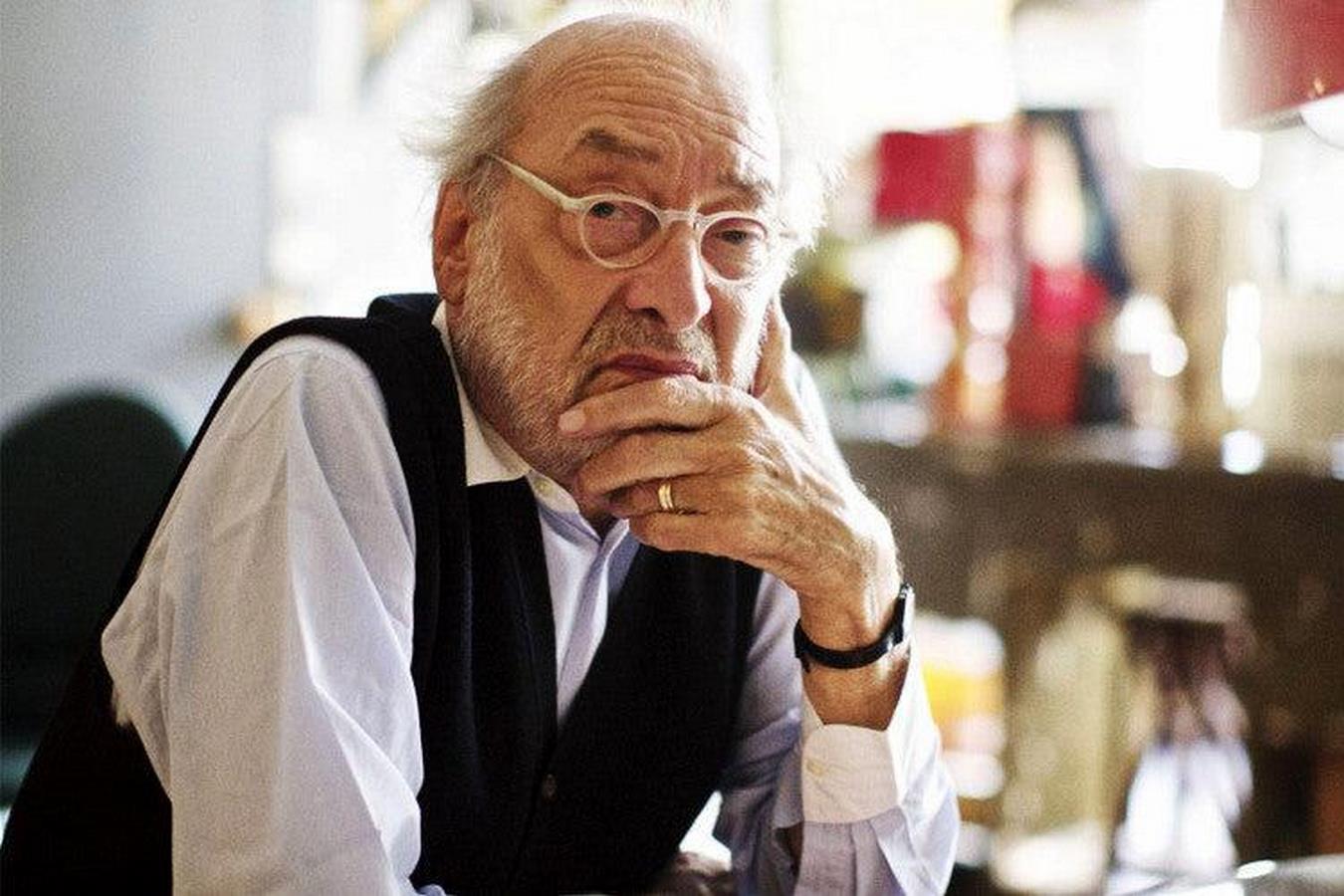
A famous architect, artist, and designer, Gaetano Pesce, once said, ‘Design must tell a story’. Pesce followed his ideas. His projects aren’t just pieces of furniture; they embrace imperfection and challenge conventions. Even after his passing in April 2024, he continues to inspire. This article will show his legacy, explore how he redefined functional art, and inspire designers today.
The UP Series
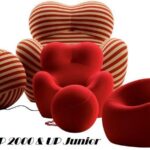
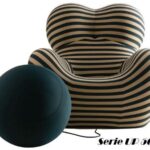
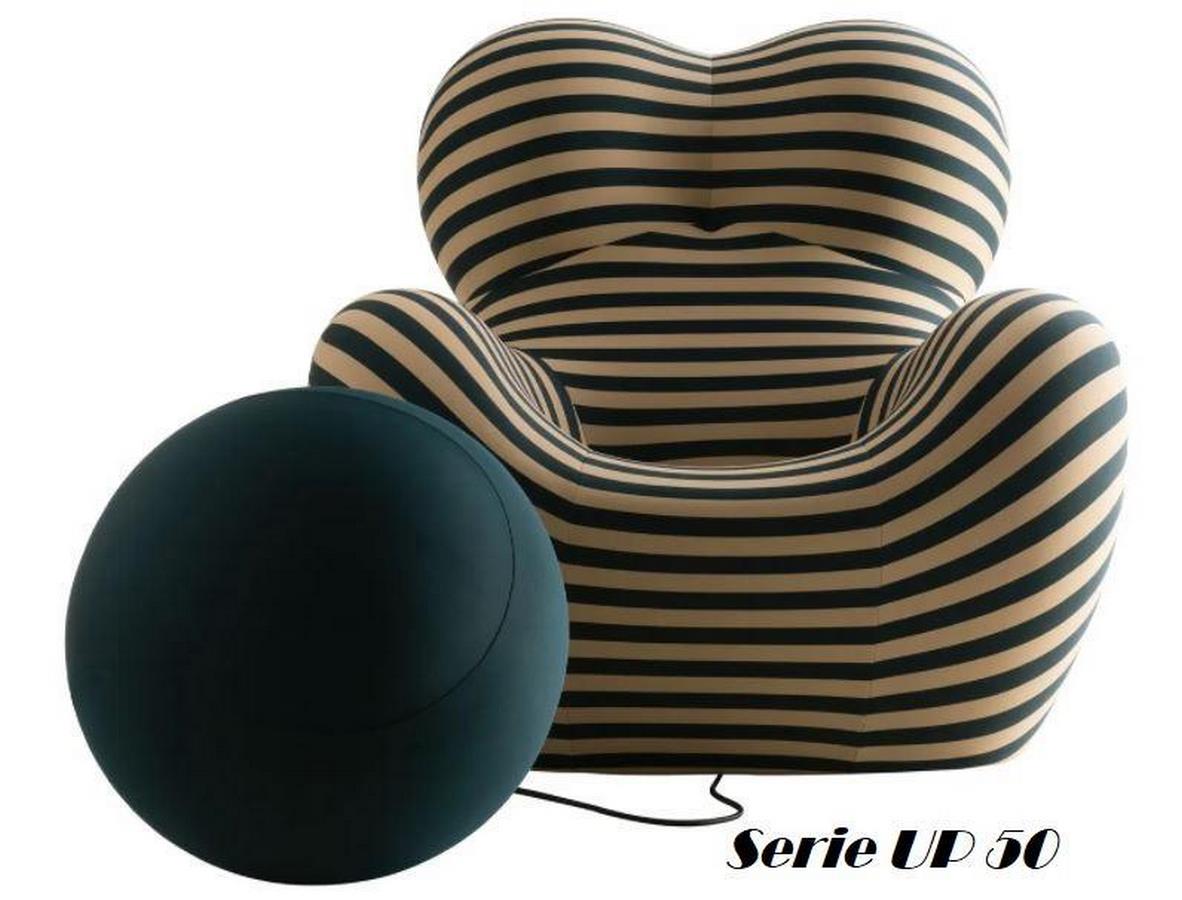
The UP Series, also known as the UP chair, is a seating collection that was started in 1969 in collaboration with an Italian furniture company, C&B. (Cassina & Busnelli later changed it to B&B Italia) This collection has seven designs named UP1, UP2, UP3 all the way upto UP7 with each series reflecting a unique design.
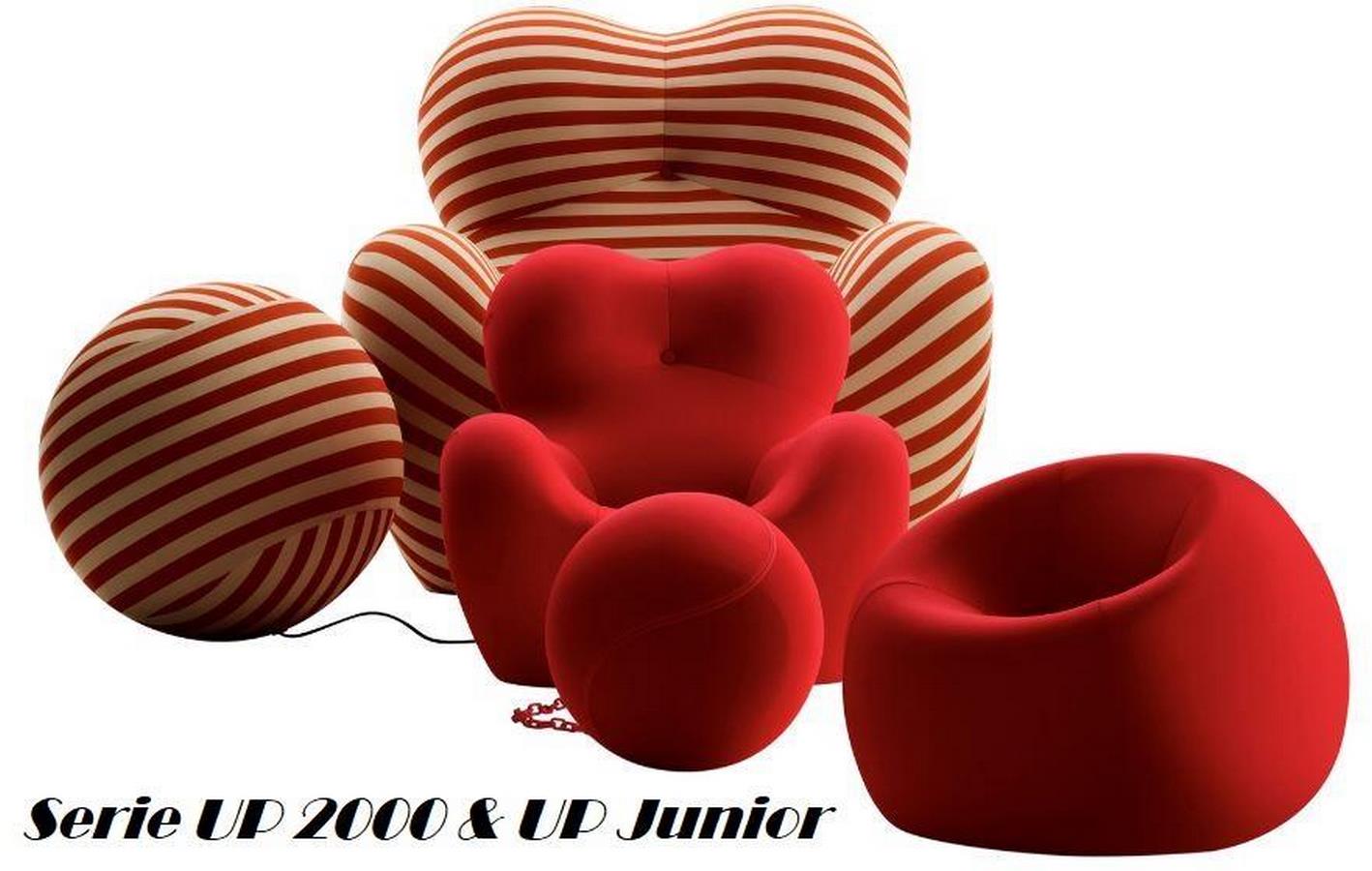
This series, which he used to call ‘Donna’, was inspired by the statues of ancient fertility goddesses. Pesce was struck with this idea in the shower and noticed his sponge’s rubber and its ability to regain shape after compression. With the inspiration in mind, the chair features curves similar to the female figure, which was done using polyurethane foam. This foam made furniture is lightweight, elastic, and durable, and its vacuum-packed design expands when unwrapped, showing innovative technologies of the era. This makes the UP series visually striking and thought-provoking.
The Nobody’s Perfect Series
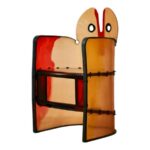
In the 2000s, Gaetano Pesce showed that perfect furniture is impossible, and the pieces in this collection reflect his beliefs. All the furniture in this collection is moulded by hand without any dimensions or colours.
This collection includes chairs, tables, and other pieces with asymmetrical shapes. These designs are made to melt or flow and are made of resin for their ability to capture organic designs. This collection mixes bold colours and translucent accents for a more playful feel.
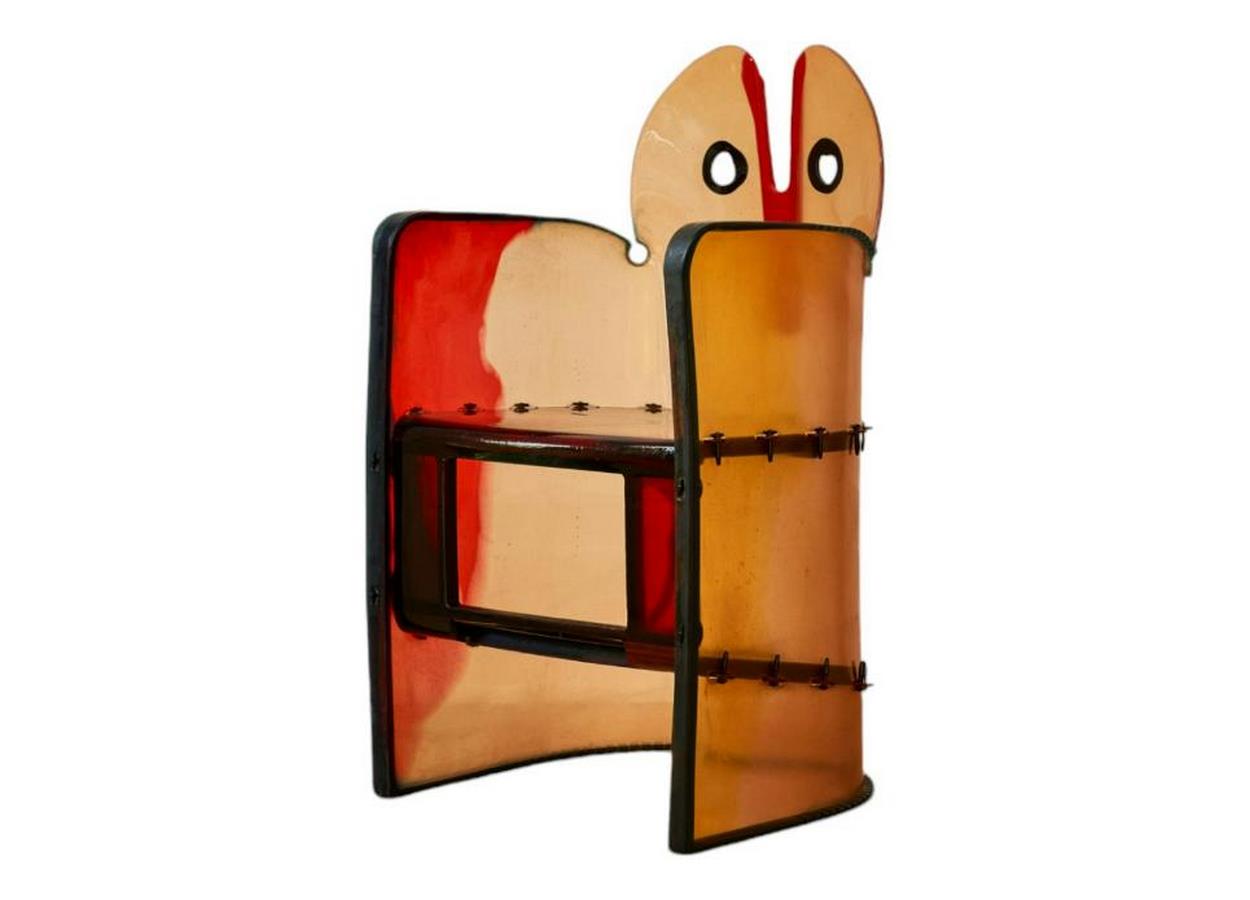
Gaetano Pesce believed the design community often prioritised uniformity over creativity, which led to pieces that had no meaning and were just functional. Nobody’s Perfect is a sort of a rebel against this trend. It promotes the idea of imperfect objects and people and how special they can become, emphasising individuality and uniqueness.
I Feltri Chair
In 1987, Pesce said and believed that ‘Many people say that the future will be more complex. I don’t believe that. Instead, we will have shorter production runs-not millions of copies but 3000 or 4000.’
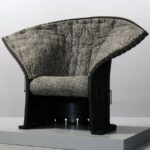
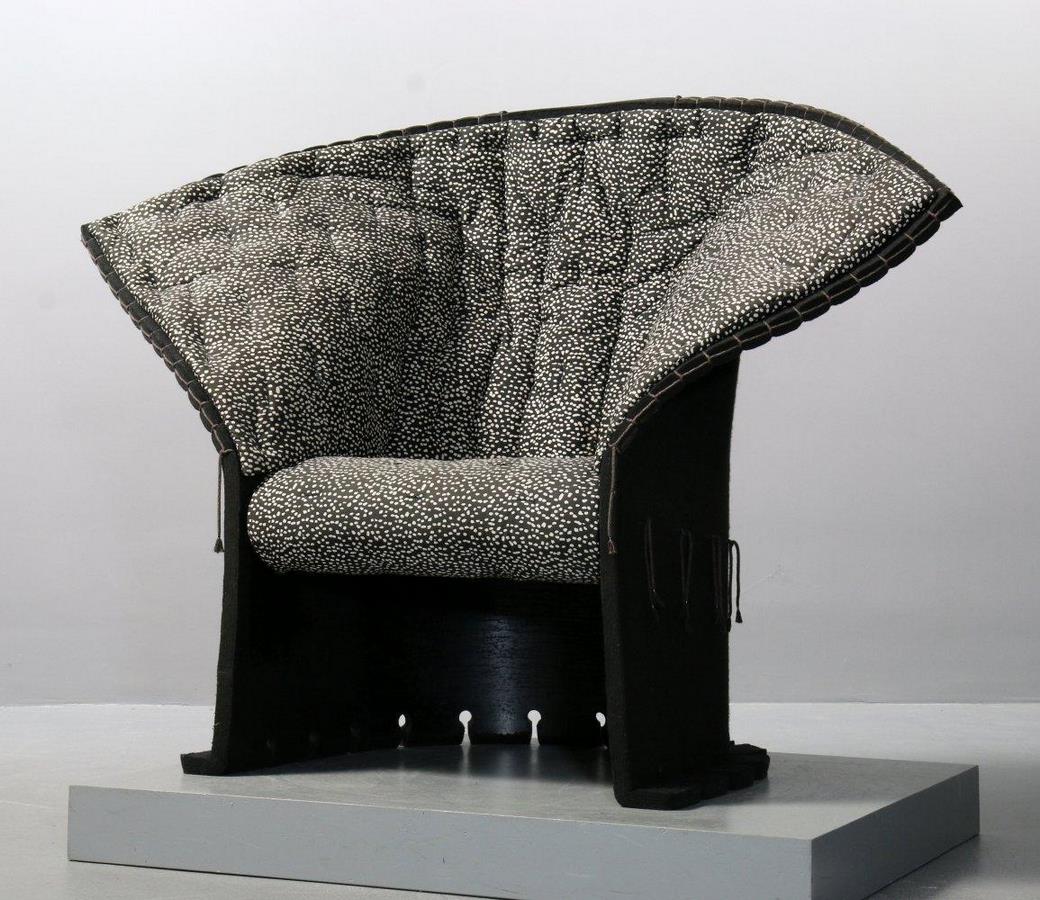
This chair is made entirely of felt saturated with epoxy resin. The back of the chair is quilted upholstery and can be adjusted to change the position of the chair. This ability to use unconventional materials creates adaptable and cost-effective designs.
Gaetano Pesce’s Philosophy
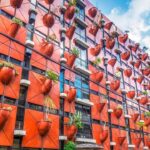
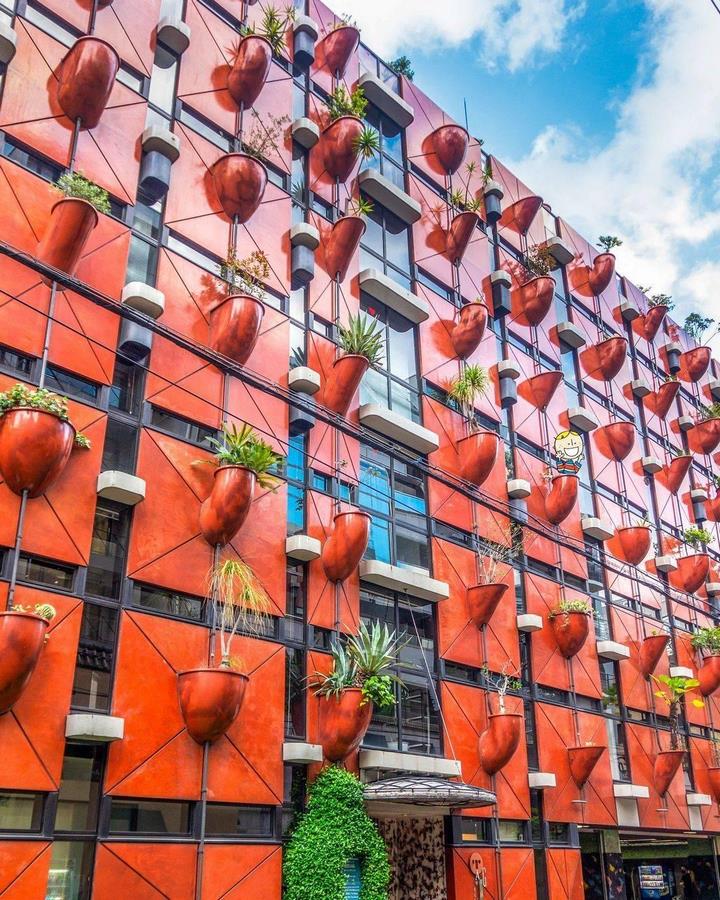
- Architecture as a living body and association with nature: Gaetano Pesce viewed architecture as a dynamic and evolving body, not a functional structure. The Organic Building in Osaka, completed in 1993, is a good example. Pesce covered the exterior of this building with steel-encased concrete panels with a red finish containing a space for fibreglass planters with over 80 types of Indigenous plants and trees. A computer-controlled hydrating system of mechanical pipes regulates all of them. This type of architecture makes the building fit and blend into the environment and should evolve over time. Pesce’s work has also inspired the urban planning industry, creating biophilic design and human-centric spaces.
- Flexibility in Design: Pesce emphasised the importance of flexibility and adaptability in his creations. His works allowed users to rearrange or customise elements to make the object more personal. His designs saw many curvy or non-standard designs, showing he wasn’t afraid of thinking differently.
- Material Selection: Pesce chose materials for their properties but also for their meaning; he did this by constantly experimenting with new materials like resin and rubber and pushing the boundaries often to show more of his creativity. His materials often symbolised transformation or resilience. Pesce used rubber and cork for their ability to flex, stretch and adapt, showing his philosophy that evolving is necessary. Pesce’s exploration of unconventional materials opened new possibilities for modern designs.
- Designing for Awareness: Many of his works showed how actions to stop global warming and how waste can be harmful, and he promoted designs that encouraged longevity and durability rather than disposable trends. To this day, his works continue to inspire design students and artists worldwide.
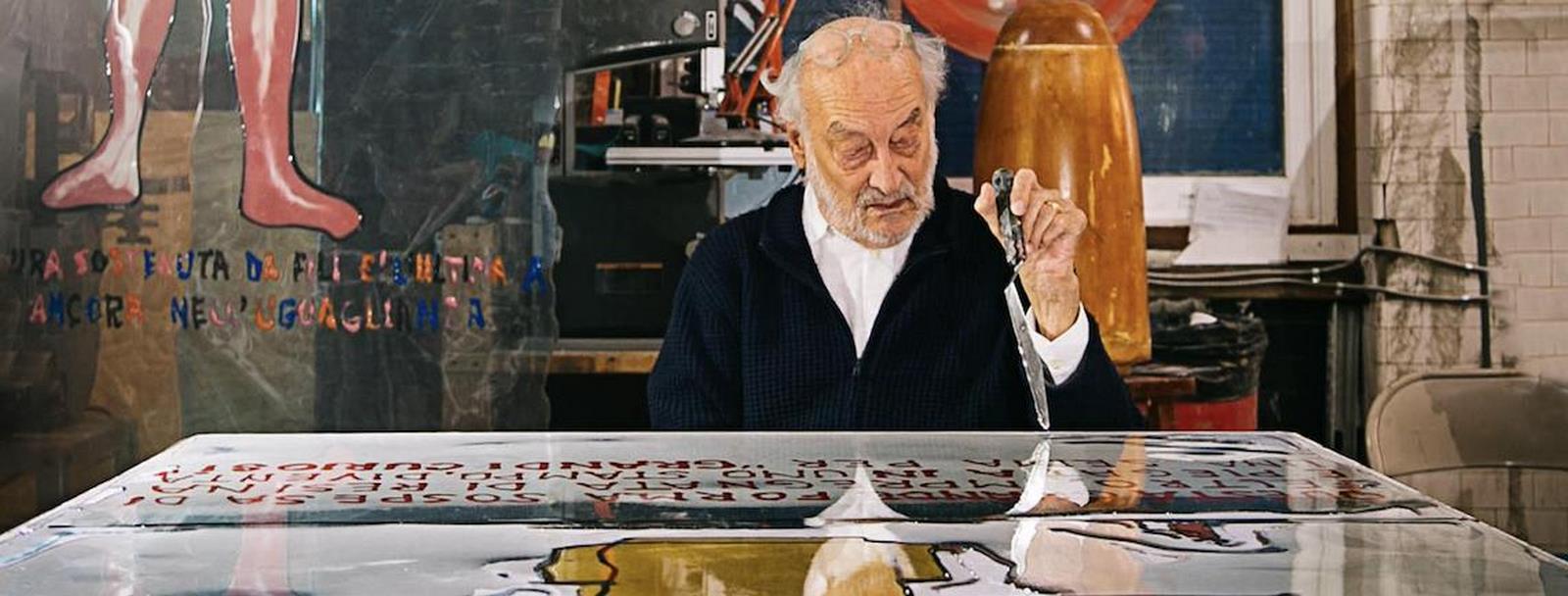
Gaetano Pesce’s legacy
Gaetano Pesce’s legacy transcends time, merging art, design, and social issues in ways that continue to inspire. His fearless experimentation with materials, imperfection, and commitment to sustainability have inspired the modern design world. Designers like Patricia Urquiola’s Husk Chair worked with the same company, B&B Italia, and used bold colours and designs. Similarly, Marcel Wanders’s Knotted Chair challenges traditional forms. This way, they carry Pesce’s philosophy forward, showing that creativity and functionality coexist boldly and meaningfully. His legacy challenges designers to question norms and think beyond symmetry and perfection.
References:
- Gaetano Pesce (no date) Modern Furniture. Available at: https://www.bebitalia.com/en-us/gaetano-pesce
- Gaetano Pesce: Fish design (no date) Corsi Design. Available at: https://www.corsidesign.it/gaetano-pesce?srsltid=AfmBOooWwOF1C6v77yJvjioOeWiguUmrEUFbAUq3YmAm3A63qh3LVs5V
- Gaetano Pesce: Fish design (no date) Corsi Design. Available at: https://www.corsidesign.it/gaetano-pesce?srsltid=AfmBOooWwOF1C6v77yJvjioOeWiguUmrEUFbAUq3YmAm3A63qh3LVs5V
- Nobody’s perfect chair (no date) The Future Perfect. Available at: https://www.thefutureperfect.com/product/uncategorized/nobodys-perfect-chair-commission/?srsltid=AfmBOorgJ8o7ytMCVyDXYM7nWIAMtmRTQgLJgyUlhe21k11D1CMzrzMa
Image References:
- Gaetano Pesce (Website) https://the-woods.fr/en/collections/gaetano-pesce
- UP series (Website) https://www.metropolitanme.com/en/blog/interior-design-style/350-design-objects-serie-up-1969-by-gaetano-pesce.html
- UP series (Website) https://www.metropolitanme.com/en/blog/interior-design-style/350-design-objects-serie-up-1969-by-gaetano-pesce.html
- Nobody’s Perfect seating (Website) https://estliving.com/product/gaetano-pesce-nobodys-perfect-chair/
- Feltri Chair (Website) https://www.vntg.com/122436/feltri-chair-by-gaetano-pesce-for-cassina-1987/
- The Organic Building Osaka (Website) https://maido-bob.osaka/en/spot/organic-building/
- Gaetano Pesce (Website) https://www.modemonline.com/modem-mag/article/8206-gaetano-pesce-the-visionary-artist