Italo Rota, an Italian architect, designer, and artist, contributed a radical vision towards the shaping of contemporary architecture. Born in 1953, Rota devoted over fifty years to weaving history with technology and nature in his works. His creations ranged from monumental architecture through urban planning to interior design, all inspired by a sane, biophilic philosophy. Another major contribution of Rota was uniting the natural elements with the built fabric in his works of design. The designs speak firmly to the environment as well as to human emotions. This article is about his life, ideology, and philosophy that has given him a meaningful contribution to architecture and design.

Italo Rota’s Life and Personal Journey as an Architect
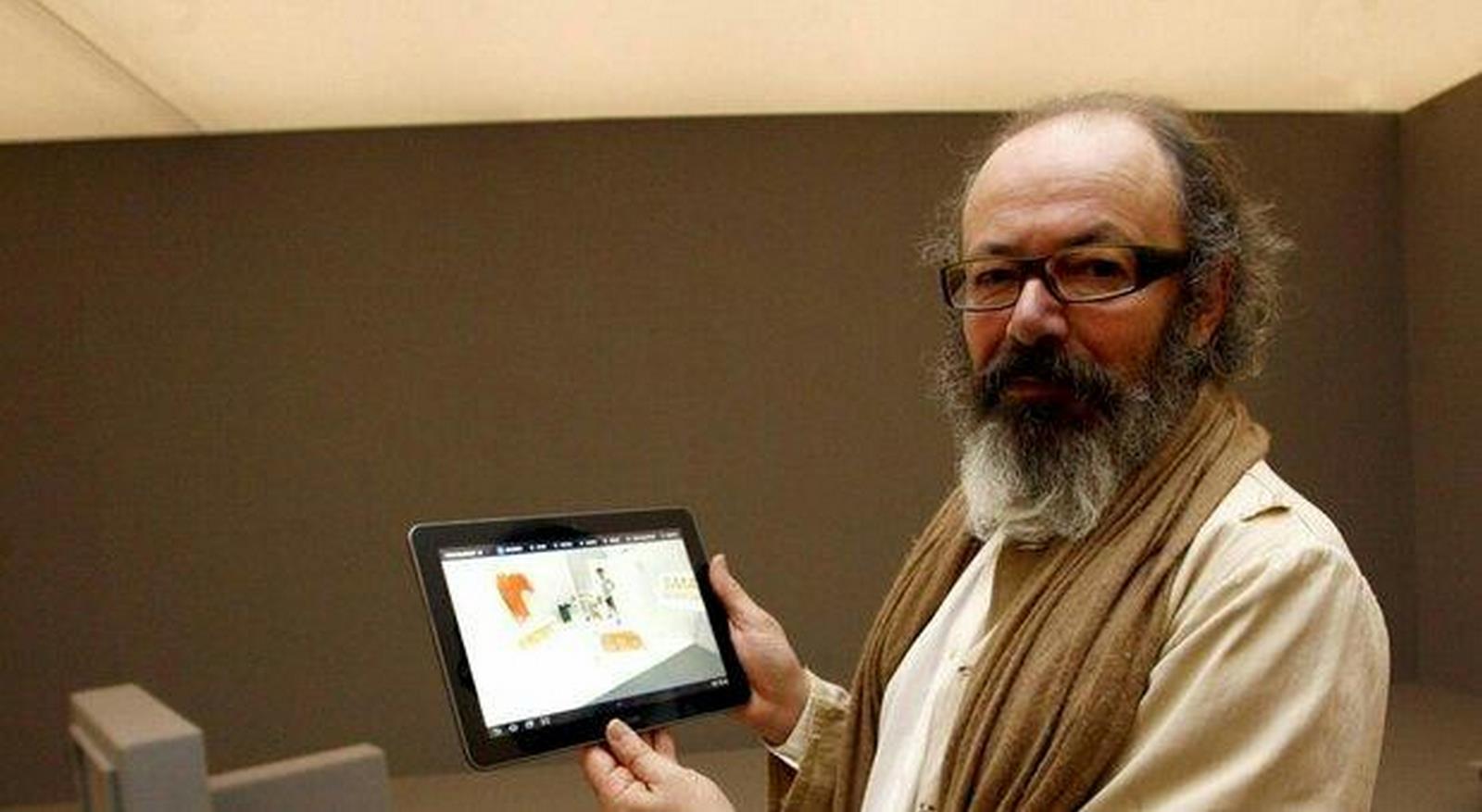
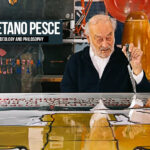
Italo Rota of Italian origin, in 1953, became one of the most respected contemporary personalities in architecture. He studied architecture at the Politecnico di Milano, which allowed him to acquire a proper knowledge of design, rooted in both art and technical know-how. Since the beginning of his career, his projects have included works ranging from public space renovation to monumental works. The overlapping nature between Rota’s work and the redevelopment of past and future architecture is evident as he has dedicated his career to developing interpretations of the historical language through the filter of the modern devilment. The world of art has also deeply influenced Rota’s architectural practice; he often collaborates with artists, designers, and thinkers from various backgrounds. He was part of architecture in a more self-expressive sense, not only social integration and a functionalist construction, something personal to his artistic approach vis-a-vis the societies for which he built architecture. His belief shaped his own life: his feelings and views implored him and his ilk to move beyond perceptible experiences in the works that would respect those places.
Italo Rota as an Artist
Italo Rota’s work was infused with artistry and creativity. To him, architecture is a poetic medium of expression: every individual project represents another opportunity to relate to history, culture, or nature. His designs then suggest strong design traditions that overload wearing combinations of daring colors, fluid textures, and user experiences. This is typified in his design of the Italian Pavilion for Expo 2000 in Hanover. The pavilion harmoniously juxtaposes the rich cultural heritage of Italy with contemporary technology, representing Rota’s philosophy of merging tradition and futurism to suggest an implication on both cultural and ecological aspects.
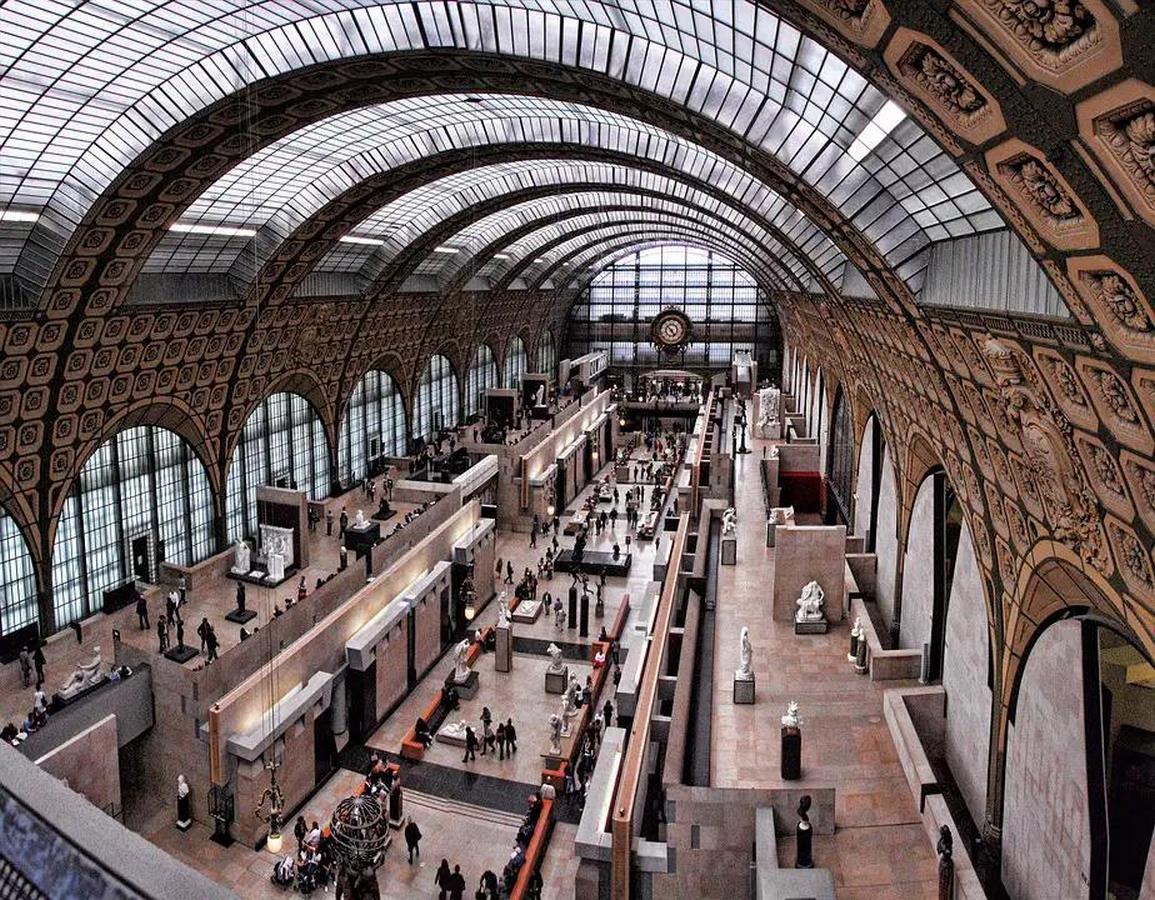
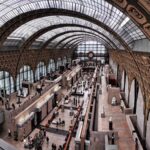
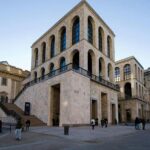
Here is one example of how Rota’s artistry would also come to fruition in his restoration work at the Musée d’Orsay in Paris, where his acute understanding of historical preservation enabled him to enhance the space without compromising its original charm. Rota accomplished a very delicate balance between respecting prior generations on one end and introducing modern elements on the other, improving visitor experience without compromising the structure’s historic significance. Rota’s artistic vision was also to engage all senses-light, sound, and textiles, to create spaces that were not only spaces but experiences. Rota’s legacy as an artist remains an inspiration to architects and designers all over the world.
Italo Rota as a Designer
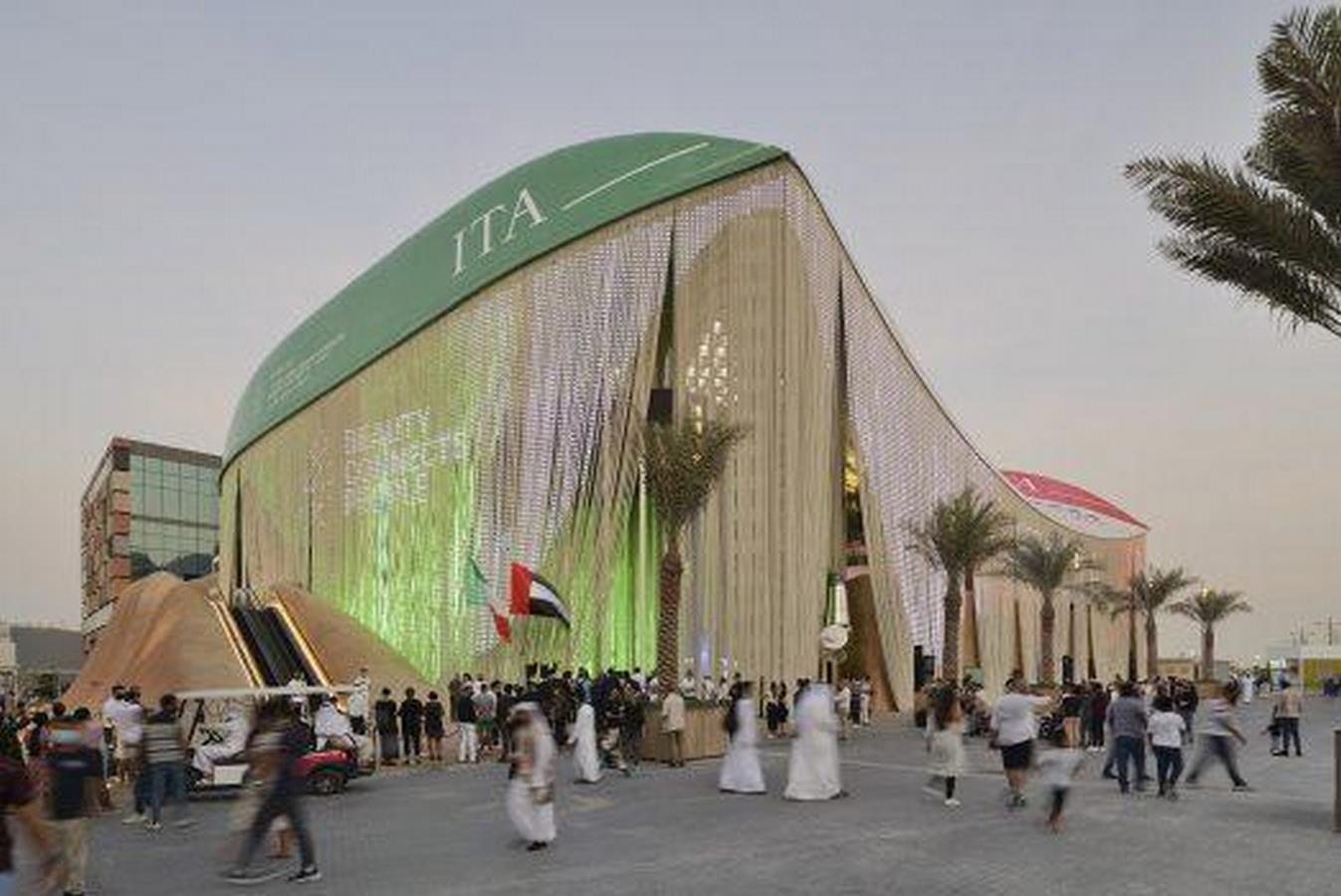
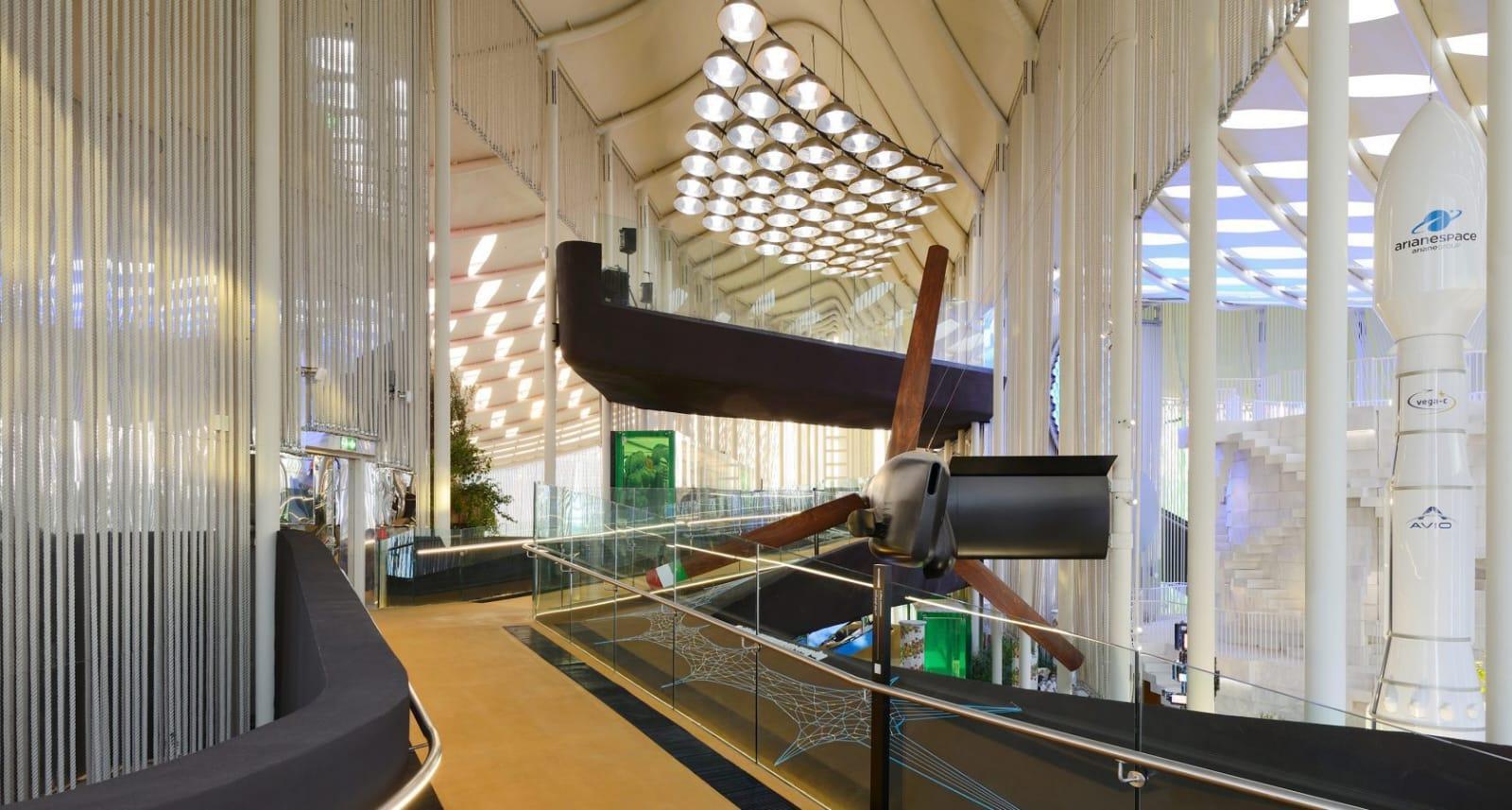
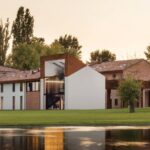
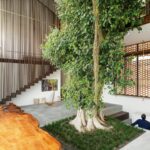
Italo Rota combined functionality and creativity in each project as a designer. Human experience was the core of his philosophy, ensuring that every space constituted all practical and emotional needs. The collaboration with other design professionals, including work on ‘The Greenary’ with Carlo Ratti Associati, was an epitome of Rota’s faith in the integration of nature into design. Italians used to get excited–this was no ordinary house. Where have you seen a house built around a tree so large–and this tree, the house’s showpiece, had to be CF 10 meters tall? It shows Rota’s affordable passion for biophilic design as natural elements and architecture blend.
Rota migrated beyond separate buildings to other massive urban projects. His endeavor to rescue public space from the jail of hypotheticals suggests his vision of constructing inclusive and active cities. His designs kept focusing on the people. Their accessibility and encouraging civic interaction were important specifications. Rota just talked about pushing the boundaries of what design could do-from household furniture to public space, all breakthroughs. His interdisciplinary approach allowed him to smoothly junto between architecture and design, with the blend between creativity and sustainability.
Italo Rota as an Architect
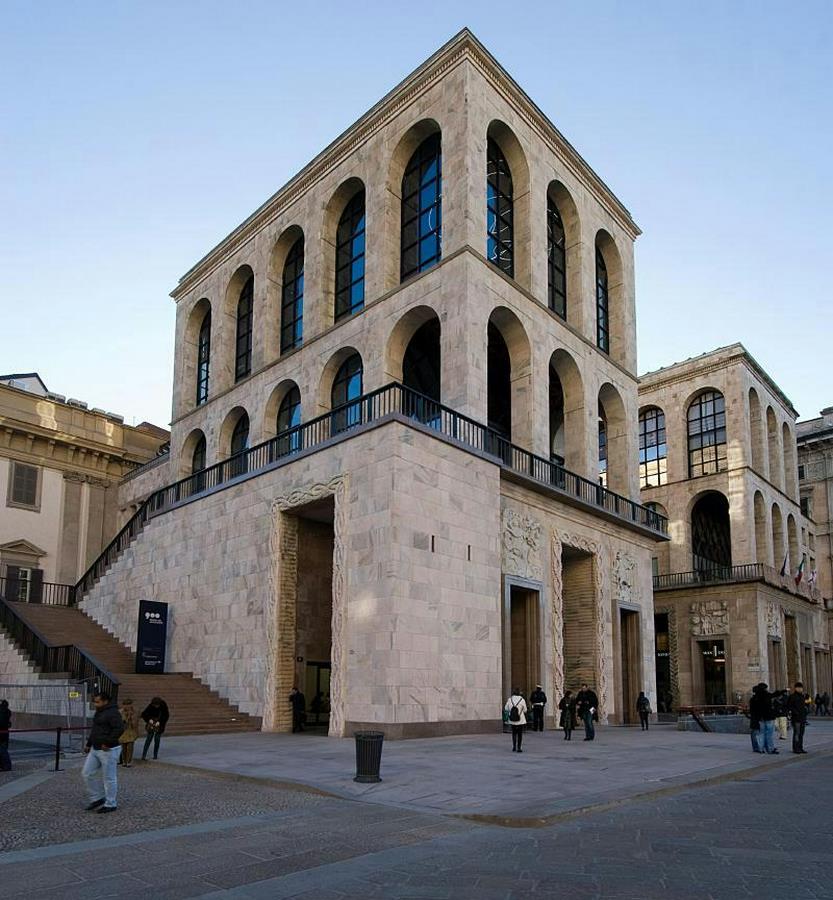
Rota’s architectural career was notable for his commitment to preserving historic contexts while embracing modern innovations. His architectural philosophy advocated for the fusion of nature and built spaces for an ecological cause. Architectural projects like the remodeling of the Musée d’Orsay or urban redesigns in Milan demonstrate Rota’s ability to merge the past with the present, using architectural features that create harmonious relationships between built and natural environments. In his urban planning work, Rota advocated for spaces for social interaction and inclusion. His designs insisted on accessible public spaces, where communities could flourish and thrive.
A prime example thereof is when he worked on the redesigning of public spaces in Milan, where he engaged with green elements within a design framework stimulating further community interaction. Such experiences reflect Rota’s broader vision of architecture in his belief in architecture’s role in catalyzing positive social change. Rota’s work engaged sustainable means because he recognized good design as an ecological practice. His buildings were always graced with such brilliant ideas as green roofs, vertical gardens, or open courtyards that add splendidness and promote environmental sustainability. Technical knowledge combined with artistic vision set Rota apart as the most respected architect of his time.
Ideology
Rota believed that design could be a positive force for change in society. He saw architecture and design not merely as means of creating better environments for living but also as means of rebuilding life in the face of many global challenges, like climate change and urbanization. His work operated on the idea that design should fit into a larger narrative, which connects man with his environment and other people.
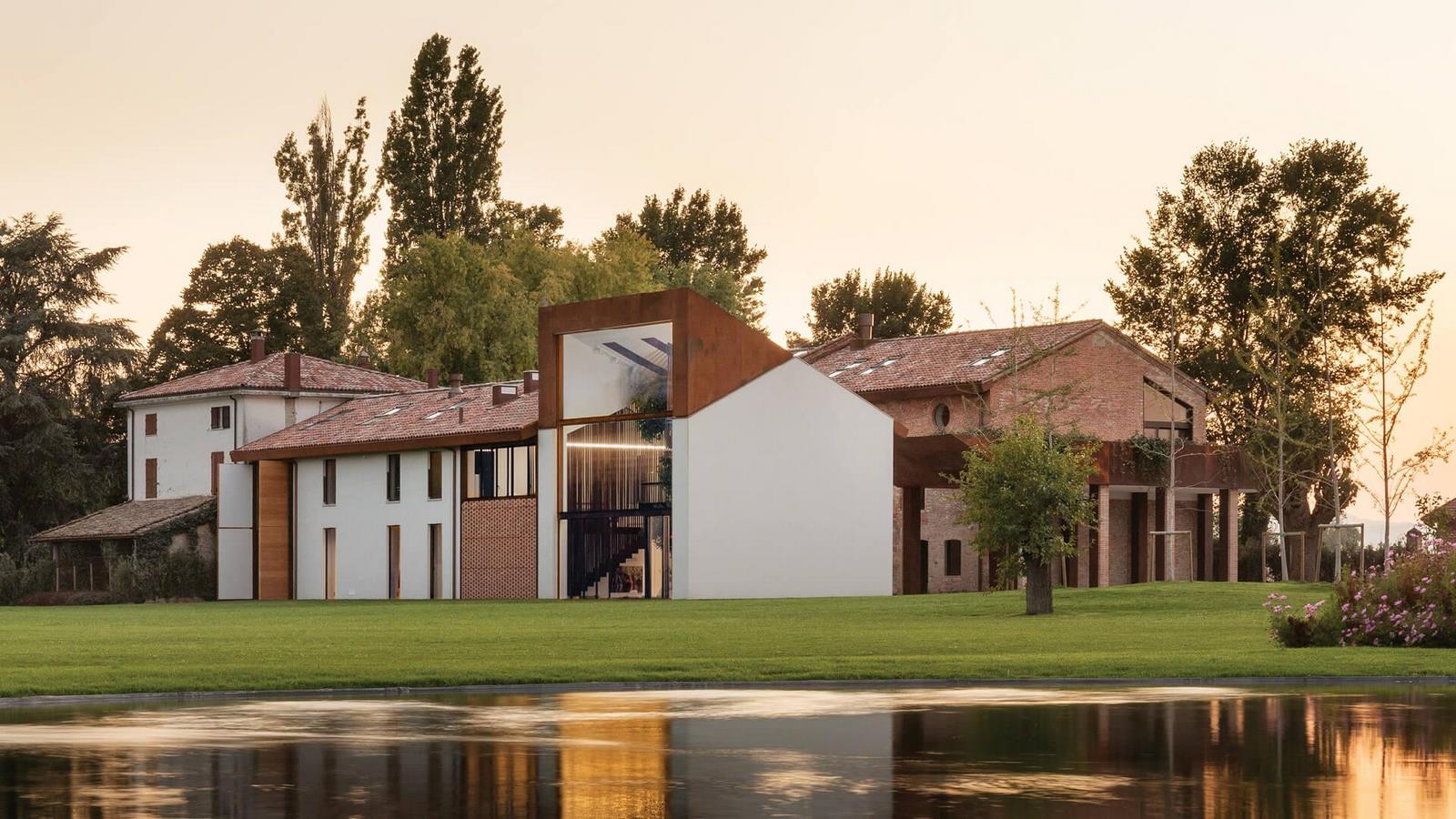
Sustainability was at the core of Rota’s ideology. It went much further than just using eco-friendly materials. It was about creating designs that lived together with nature and blended green elements smoothly into urban and architectural spaces. “The Greenary,” in his projects, demonstrated how Rota was doing things that were further endearing nature with design, creating settings that were both sustainable and livable. He believed in democratization in design. His urban development practices were based on accessibility and inclusivity and made sure spaces were built for enjoyment and use by all members of society. Every project, he saw, was approached human-centeredly, and each environment was designed to support connection, engagement, and belonging.
Philosophy
Underlying Rota’s design philosophy was a compelling belief in biophilia, which refers to a deep-seated human urge to connect with nature. His design would emerge from the idea that architecture should be more than mere shelter; it should be a living being that responds to its inhabitants. This philosophy became clear in his designs for “The Greenary,” wherein the central tree was used as a powerful symbol for the balance of coexistence between nature and human life.
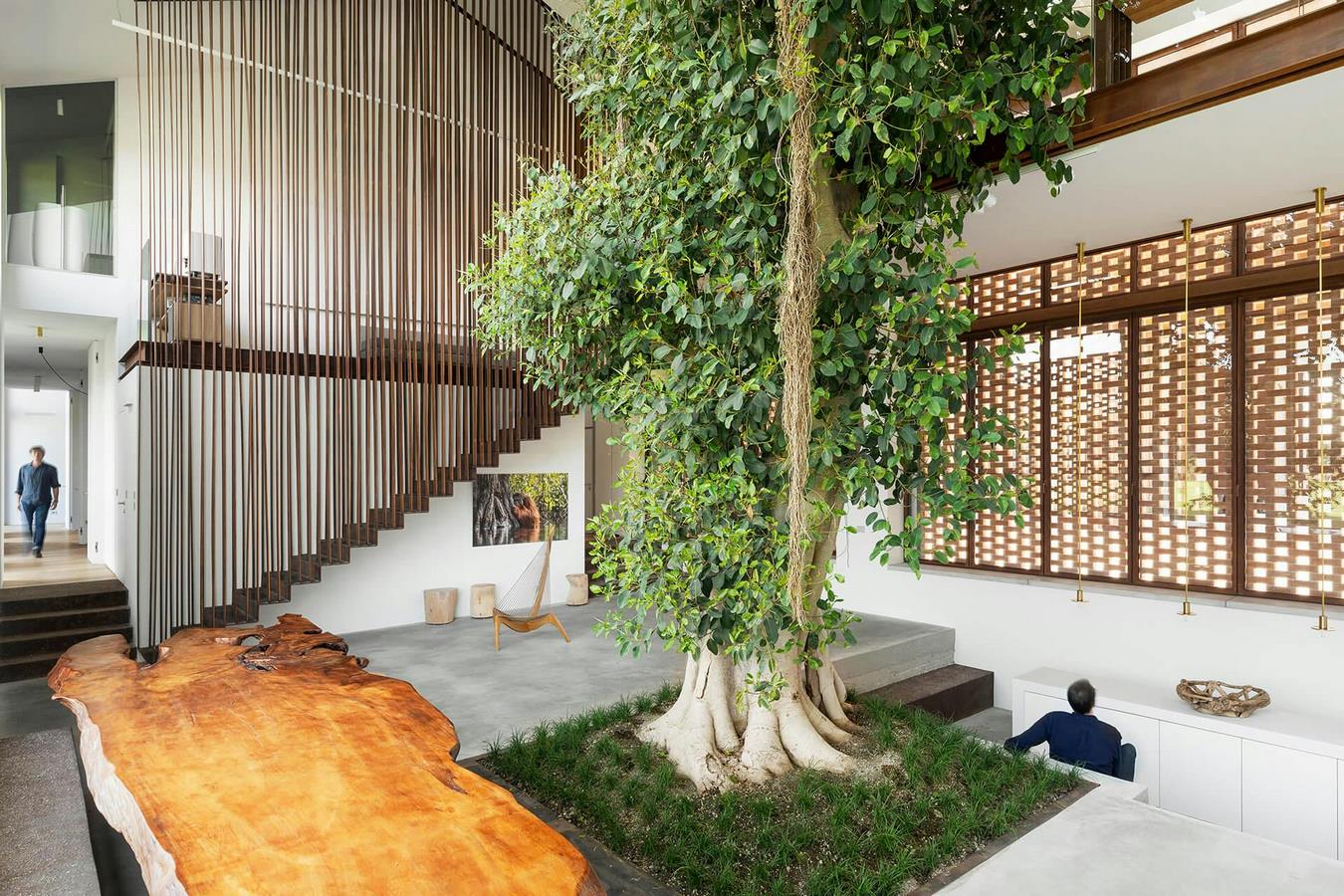
Artistic and sensory experience was one more focus of Rota’s design philosophy. Using innovative materials, light, and sound, he created living-built environments that excited emotion and imagination. He perceived architecture as a form of art, a vessel where functionality transcends into the intellectually and emotionally stimulating.
Another one of Rota’s distinctive philosophies involved his profound respect for history and culture. He would simply preserve a spirit of historical architecture while adding some marks of modernity in a way that would ensure a gear towards coexistence of the past with the future. Rota’s philosophy introduced a comprehensive approach to architecture whereby every space was created not only for convenient use but also in the sense of culture and the heightened spirit of environment spirituality.
Italo Rota, the renowned Italian architect and designer, died on April 6, 2024, at the age of 70. His death marked the end of a remarkable career that profoundly influenced contemporary architecture and design. As an architect, designer, and artist, Rota’s legacy firmly stands on the merits of his unique approach toward creating spaces that were both functional and meaningful. His work to integrate art, history, and nature into design has left a great mark on the architectural world. The ideology founded on sustainability, inclusivity, and nature’s integration continues to influence architects and designers worldwide. Rota’s work went beyond the traditional restoration interventions that could be seen in his work at the Musée d’Orsay but rather was developed to be biophilic.
His projects are testaments in showing how contemporary design interacts with cultural discourses as well as environmental legacies. He, through the artful characterization of human relationships, fosters dynamic experiences connected socially and emotionally to an environment. It then becomes manifest that Italo Rota’s contribution was not merely a product of building and shelter, but rather the form of experiencing and interacting with this world. His revolutionary concepts and ideas have imprinted indelible marks on the architectural landscape and inspired subsequent generations to reflect on those greater relations between space, nature, and humankind.
References:
to, C. (2015). Italian architect (1953–2024). [online] Wikipedia.org. Available at: https://en.m.wikipedia.org/wiki/Italo_Rota .
iqd. (2021). ITALO ROTA | iqd. [online] Available at: https://iqd.it/en/architects/italo-rota/ .
Florian Holsbeek (2024). Italo Rota is décédé à l’âge de 70 ans. [online] Architecture. be. Available at: https://www.architectura.be/fr/actualite/italo-rota-est-decede-al-age-de-70-ans/ .
Supreetha Sudheer (2022). Carlo Ratti Associati And Italo Rota Designs Residence That Revolves Around A Tree – DesignNuance. [online] DesignNuance. Available at: https://www.designnuance.com/carlo-ratti-associati-and-italo-rota-designs-residence-that-revolves-around-a-tree/ .
Mehra, P. (2023). The Greenary by Carlo Ratti and Italo Rota is designed around a 10 m-tall tree. [online] Stirworld.com. Available at: https://www.stirworld.com/see-features-the-greenary-by-carlo-ratti-and-italo-rota-is-designed-around-a-10-m-tall-tree .
Web, R. (2024). Remembering Italo Rota: A Stalwart of Italian Architecture. [online] Ilmessaggero.it. Available at: https://www.ilmessaggero.it/AMP/en/remembering_italo_rota _a_ stalwart_of _i talian _ architecture-8039917.html .
Image References:
to, C. (2015). Italian architect (1953–2024). [online] Wikipedia.org. Available at: https://en.m.wikipedia.org/wiki/Italo_Rota .
Web, R. (2024). Remembering Italo Rota: A Stalwart of Italian Architecture. [online] Ilmessaggero.it. Available at: https://www.ilmessaggero.it/AMP/en/remembering_italo_rota_a_stalwart_of_italian_architecture-8039917.html .
Finestresullarte.info. (2021). A museum inside a station: the Musée d’Orsay in Paris, the home of the Impressionists. [online] Available at: https://www.finestresullarte.info/en/museums/a-museum-inside-a-station-the-musee-d-orsay-in-paris-the-home-of-the- impressionists [Accessed 29 Dec. 2024].
Carlo Ratti Associati. (2022). Italian Pavilion at Expo Dubai 2020 | Carlo Ratti Associati. [online] Available at: https://carlorattiassociati.com/project/italian-pavilion-at-expo-dubai-2020/ [Accessed 29 Dec. 2024].
Divisare. (2024). Italo Rota, Fabio Fornasari, emmanuele assists, Paolo Montanari, Roberto Gennari Felsikenian · Museo del Novecento. [online] Available at: https://divisare.com/projects/106960-italo-rota-fabio-fornasari-emmanuele-auxilia-paolo-montanari-roberto-gennari-felsikenian-museo-del-novecento [Accessed 29 Dec. 2024].
Mehra, P. (2023). The Greenary by Carlo Ratti and Italo Rota is designed around a 10 m-tall tree. [online] Stirworld.com. Available at: https://www.stirworld.com/see-features-the-greenary-by-carlo-ratti-and-italo-rota-is-designed-around-a-10-m-tall-tree#gallery -1 [Accessed 29 Dec. 2024].