In-Between Thresholds, designed by OSA Studio in collaboration with Cindrebay and curated by Daksh Goel, brings together artists and emerging practitioners from India, Bangladesh, Dubai and beyond at Tower Tavern, University of Westminster.
Project Name: London Design Festival 2026
Studio Name: OSA Studio
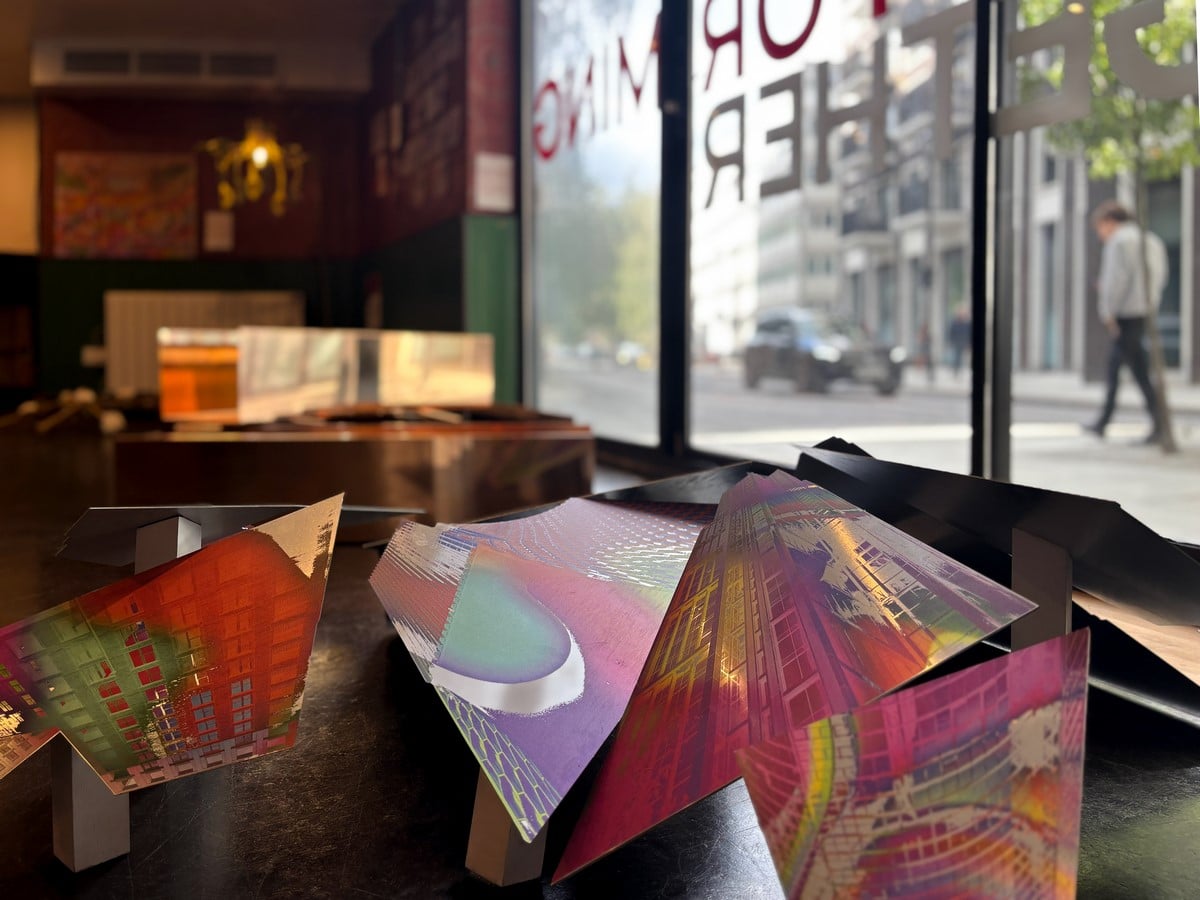
Presented as part of London Design Festival 2026, the exhibition creates a meeting point between contemporary art, architecture and design, connecting South Asian perspectives with London’s international design landscape.
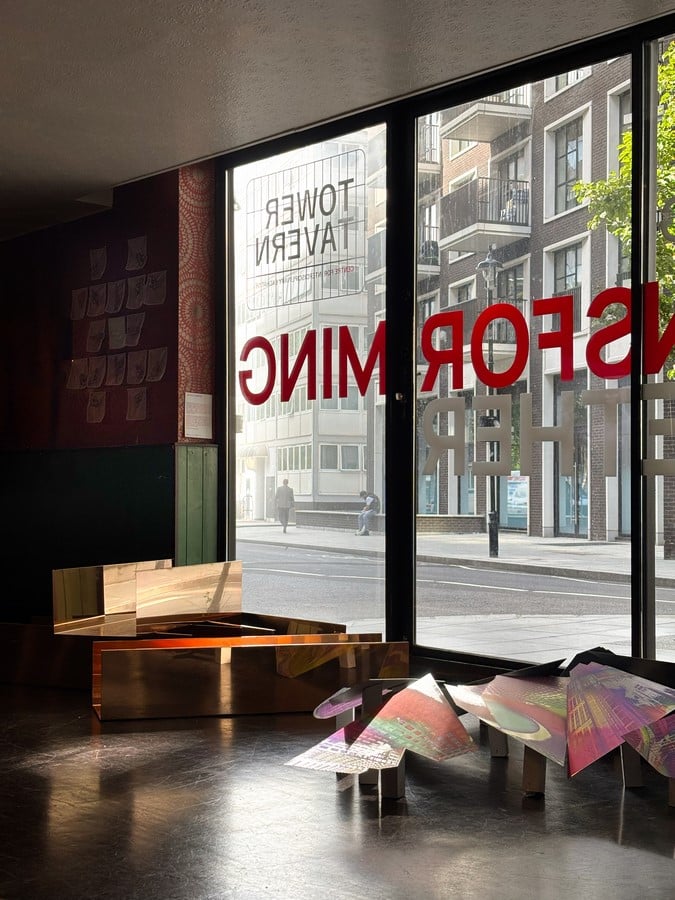
In-Between Thresholds begins with the spaces that exist between one place and another,
where boundaries soften and experiences unfold. Courtyards, verandahs, corridors and
shaded edges become architectural conditions of transition, memory and belonging. Across
South Asia, these in-between spaces are rarely simply passages. They are places where
conversations linger, rituals unfold, shadows shift and identities are negotiated. The
exhibition translates this idea into an architectural intervention, allowing art to occupy the
spaces between the existing and the new, the familiar and the unfamiliar, the building and
its temporary transformation.
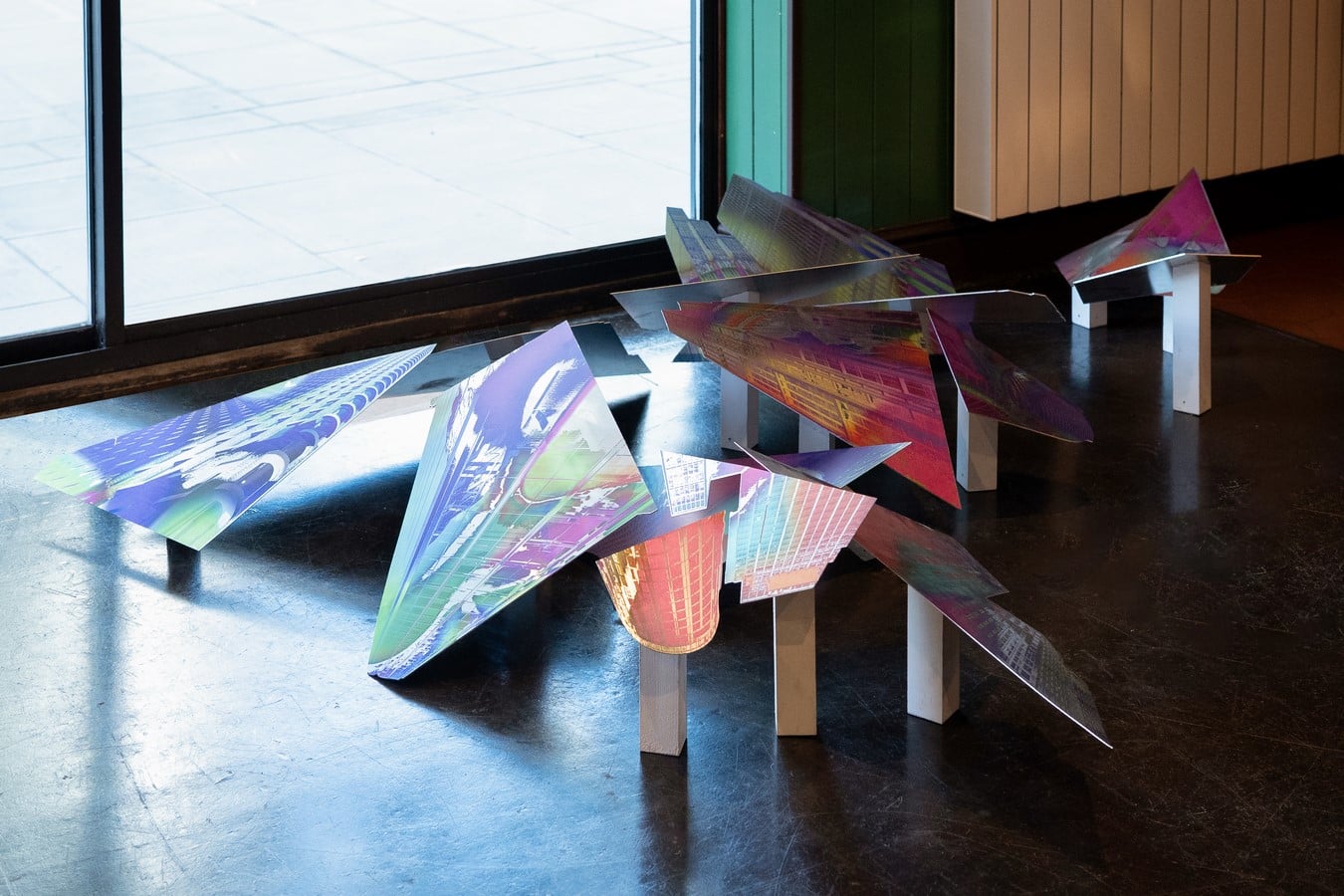
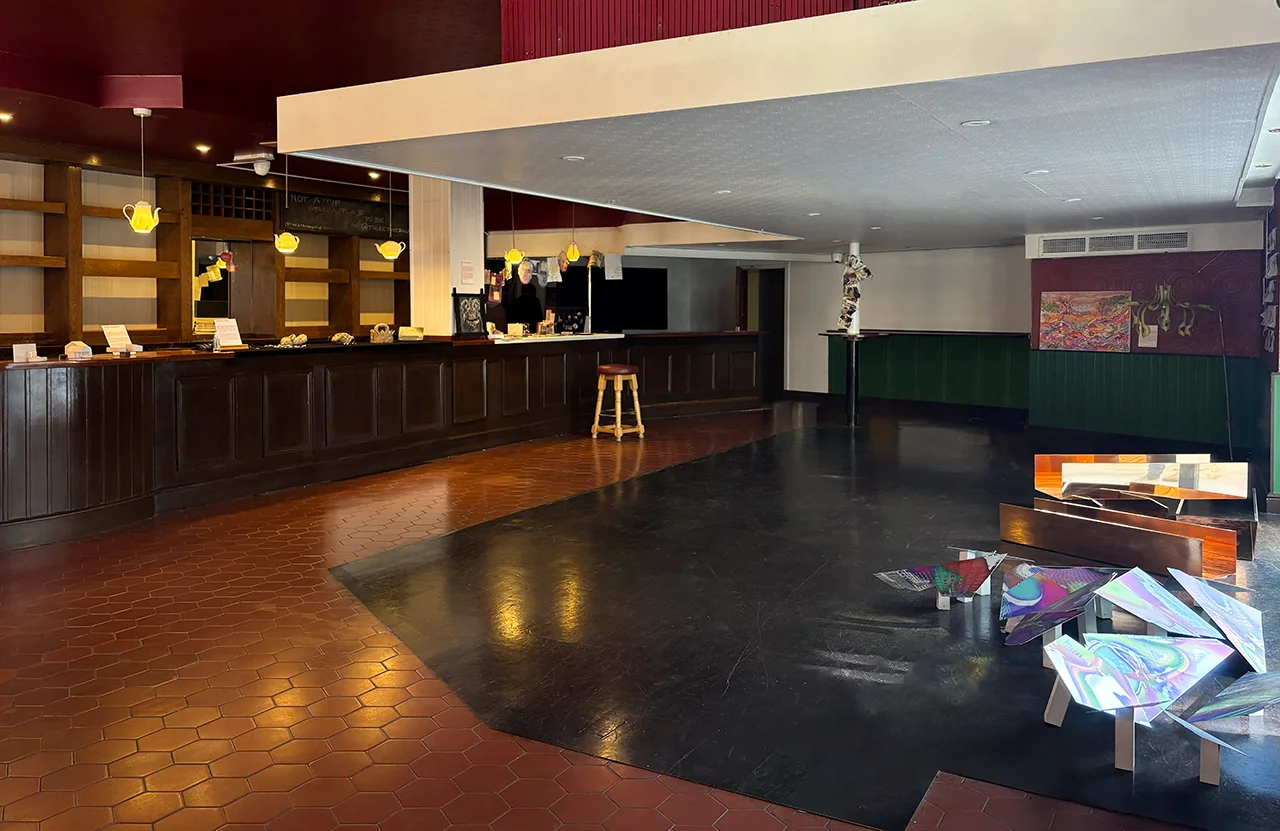
The choice of Tower Tavern adds another layer to this idea of adaptation. Dating back to
1776, the site began as The Bastard Arms before becoming the Fitzroy Arms in 1826 and
later the Tower Tavern, named after the nearby Post Office Tower. The original pub was
demolished in the 1970s and replaced by the modern building that stands today, before
closing permanently around 2020–21. Rather than erasing this history, OSA Studio works
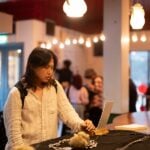
with the existing bar as a backdrop. Its modest, dimly lit interiors, existing finishes and traces of its former life are retained as part of the spatial experience. The intervention is
deliberately light, allowing the artworks to revitalise the space without overpowering it. Through this approach, the former bar becomes an exercise in adaptive reuse, demonstrating how an existing and underused interior can acquire a new cultural purpose through careful occupation rather than extensive transformation.
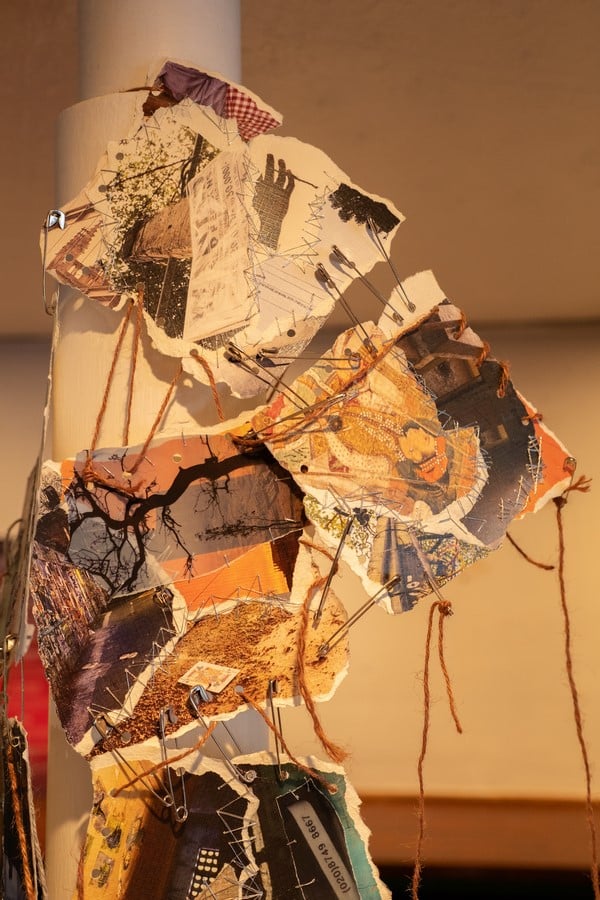
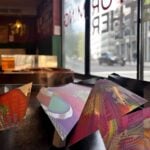
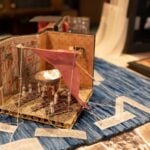
The artworks breathe a new life into the once-quiet bar, introducing colour, material, light
and movement into an interior previously defined by its everyday function. The contrast
between the raw character of the existing space and the contemporary works creates a
setting where art can be encountered intimately, away from the neutrality of a conventional white gallery. The architecture becomes a backdrop rather than the protagonist, providing a layered and atmospheric setting that allows each work to be appreciated on its own terms. In this transformation, the project explores how reuse can be cultural as well as architectural, giving an existing space a renewed public life through art, exchange and occupation.
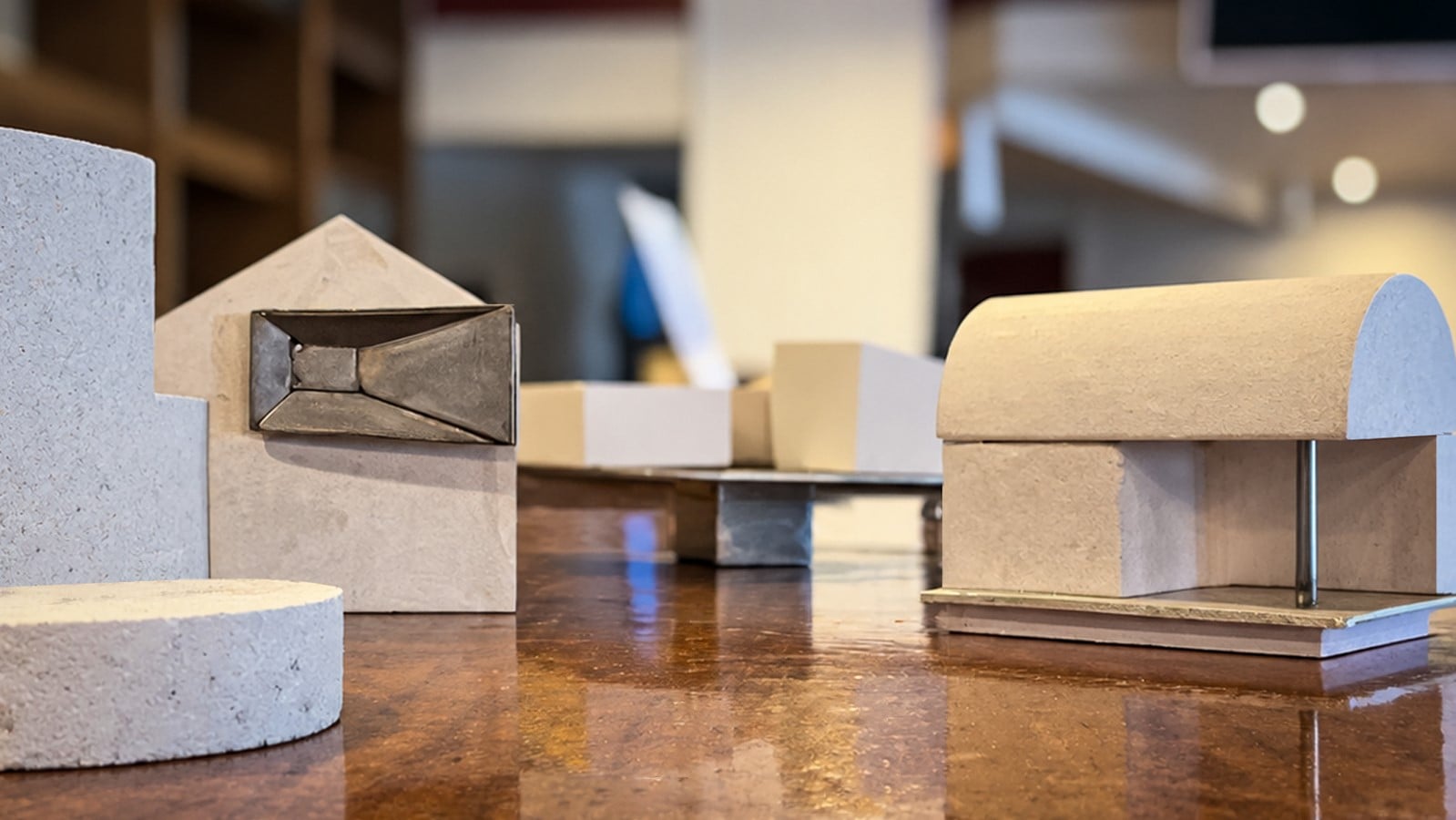
The exhibition brings together 10 international artists alongside emerging practitioners
connected to 8 universities, creating a platform for Indian, South Asian, Brown, diasporic and underrepresented voices within London’s design landscape. Through the collaboration
between artists, students, institutions and design communities, the former bar becomes a
point of exchange between South Asia and London. Cindrebay joins as title sponsor and
collaborator, with TRG and IFJ PLUS supporting the exhibition, while the University of
Westminster provides the venue. Together, the project demonstrates how architecture, art
and education can collectively transform an existing space, not by replacing its identity, but by allowing it to evolve.