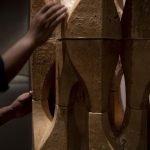
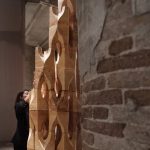
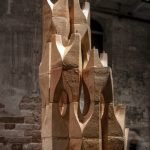
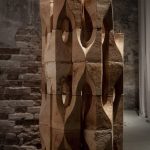
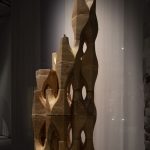
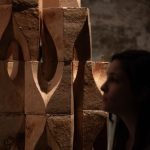
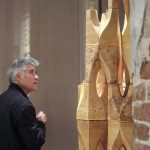
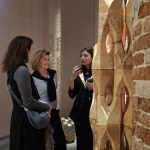
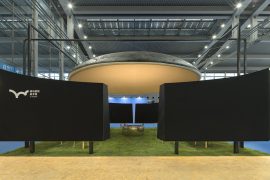
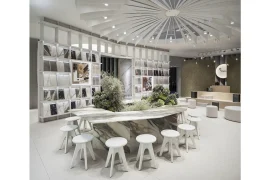
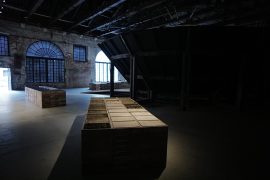
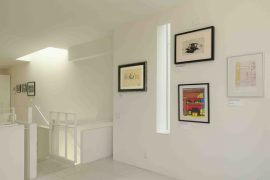
The MycoMuseum—an experimental, cross-disciplinary architecture project at the 19th International Architecture Exhibition of La Biennale di Venezia. A collaborative effort by Anomalia (India) and MYCL (Indonesia), the exhibition is part of the Material Bank: Matters Make Sense by Professor Ingrid Maria Paoletti curated under the theme Intelligens. Natural. Artificial. Collective., led by Carlo Ratti.
Project Name: MycoMuseum at La Biennale 2025
Studio Name: Anomalia Studio , Mumbai
Photography: Silvia Miralles Perez
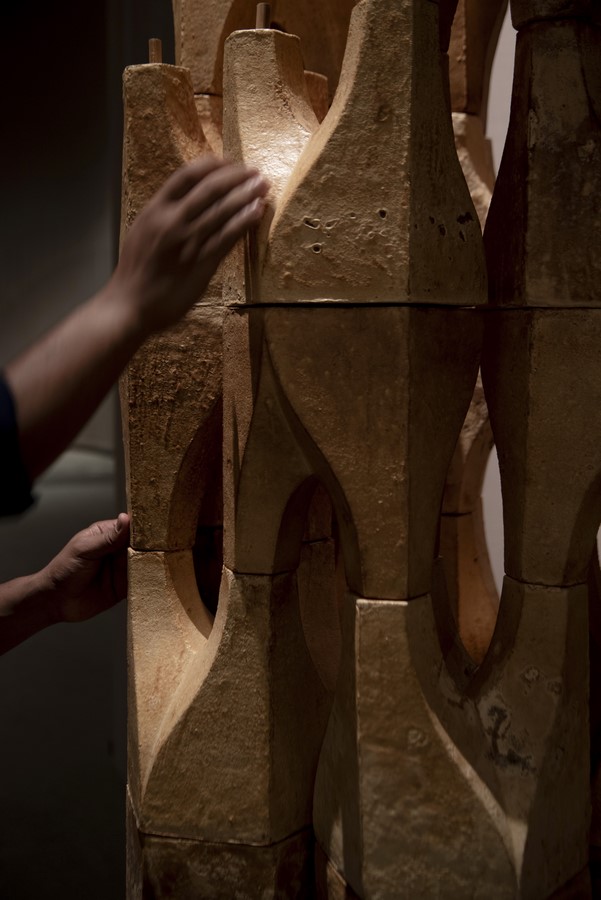
In the age of the Anthropocene, when architecture must respond not only to form and function but to the planet’s ecological limits, MycoMuseum offers a radical proposal: building with fungi. The installation showcases MycoBlox—25x25x25 cm modular blocks grown from mushroom mycelium and agricultural waste. Each unit embodies a material that is biodegradable, carbon-sequestering, and rich in regenerative potential.
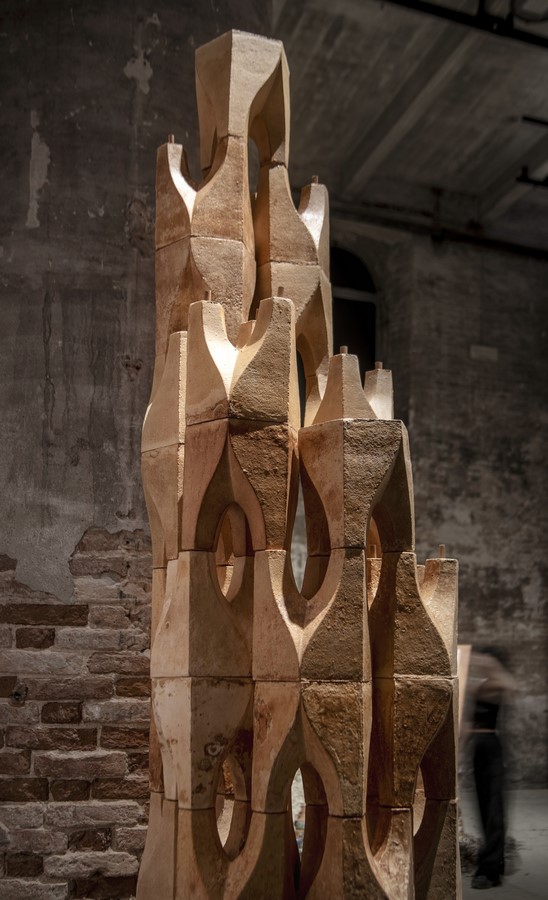
Participants Bhakti V Loonawat and Suyash Sawant of Anomalia were selected through the Space for Ideas Open Call, this exhibition marks a powerful presence from the Global South in a Biennale where neither India nor Indonesia has national representation. It underscores a decentralized, community-driven production ethos, questioning dominant models of mass manufacturing and linear material economies.
MycoMuseum unfolds across four research trajectories—exploring mycelium’s natural behavior, scientific validation for structural use, form and modularity in design, and material circularity. Designed to decompose and regenerate, the installation uses dowel joinery for easy disassembly and composting, aligned with the Circularity Manifesto. A hybrid assembly of mycelium and concrete units grounds the piece while reflecting on transitions—from industrial rigidity to organic adaptability.
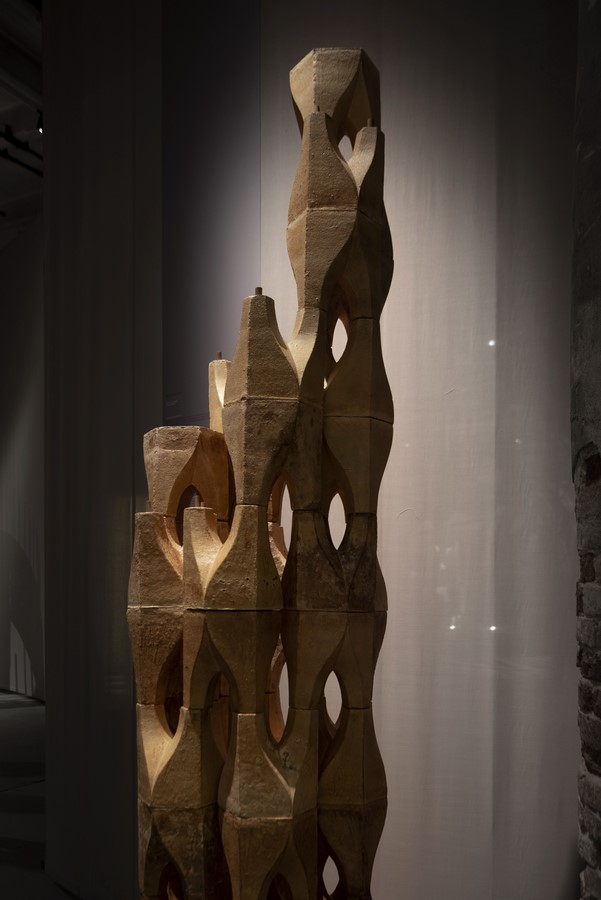
The exhibit reflects a broader narrative: how architecture can move from mitigation to adaptation, from extractive to regenerative practices. It leverages local resources—repurposing 142 kg of agro-waste, preventing 522 kgCO₂-e emissions from crop burning, and sequestering 50.2 kgCO₂-e of carbon. Each block weighs only 1.6 kg and can withstand 1.55 tons of compressive force.
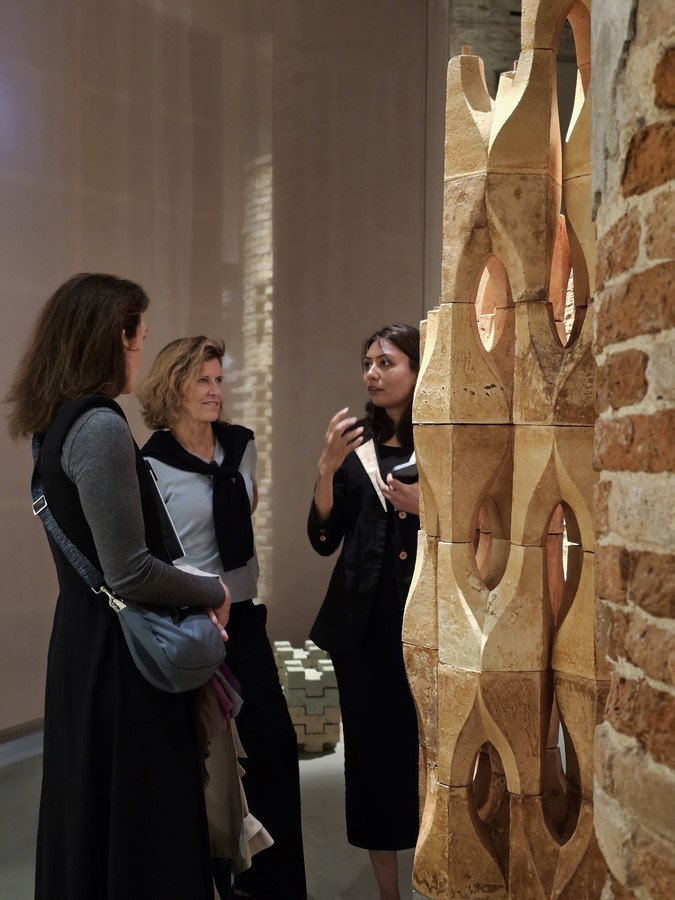
MycoMuseum invites visitors to imagine a future where buildings are grown, not built—functional, modular, and deeply rooted in the cycles of nature. As a platform for architects, biotechnologists, farmers, and policymakers, it proposes a future where innovation is measured not by consumption, but by regeneration.