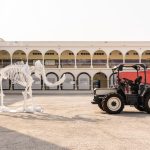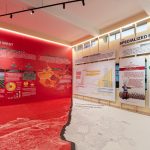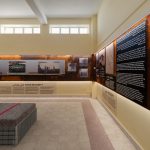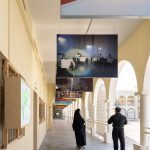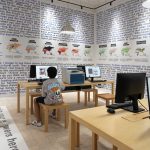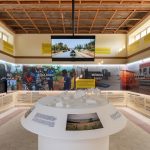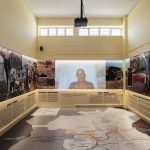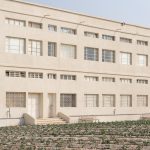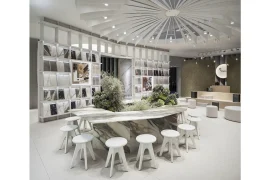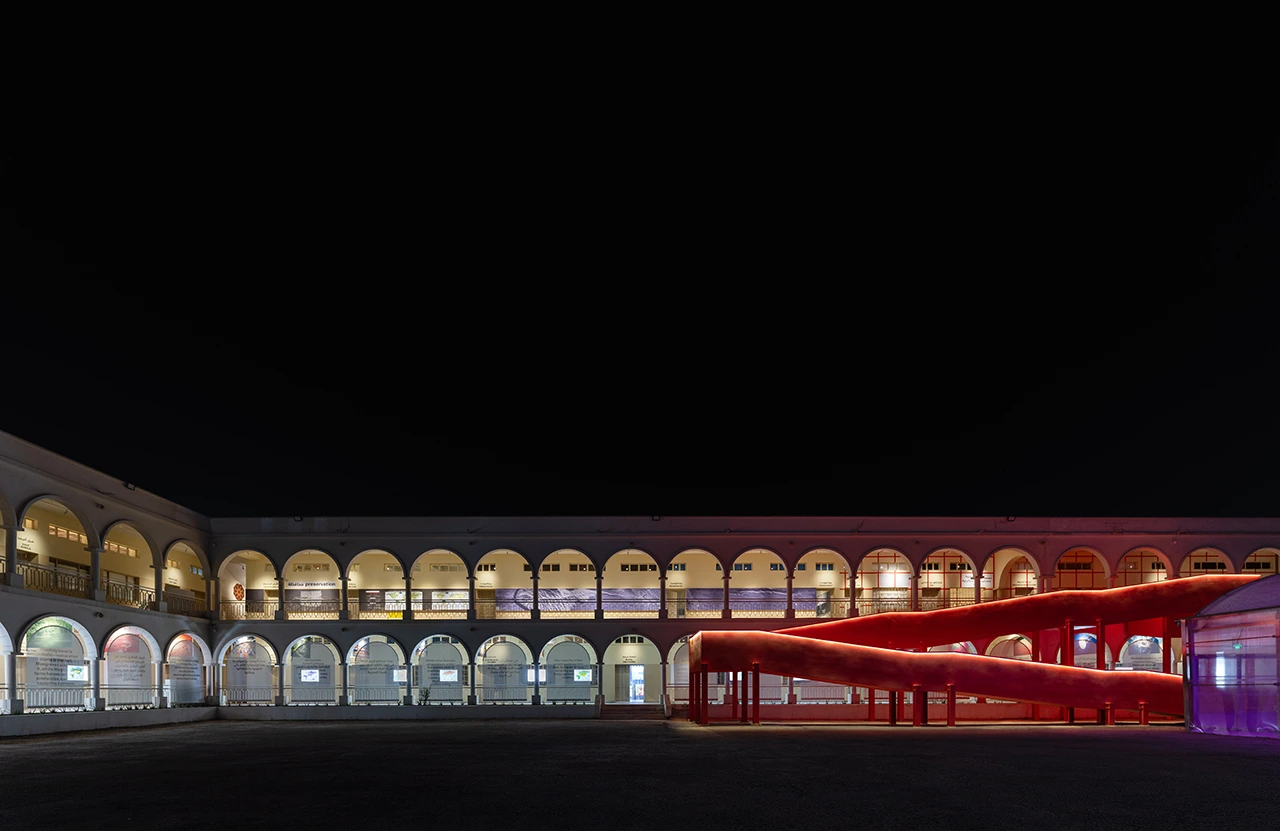
In the first version of Countryside, presented at the Guggenheim New York in 2020, we picked a number of sites all over the world, where the countryside was going through drastic changes and acute upheavals. Together, these zooms presented a global overview of crisis and potential that was unfolding outside our cities and therefore went largely unnoticed.
Project Name: Countryside A Place to Live, Not to Leave, an Exhibition
Studio Name: OMA
Location: Qatar Preparatory School and Qatar National Museum, Doha
Year: 2025
Status: Completed
Project Architect: Yotam Ben Hur
Team: Stephanie Achkar, Zivar Aliyeva, Sebastian Bernardy, Jorge Cerdo Schumann, Thomas Hellier, Sean Li, Vicente Mateus, Konstantinos Papasimakis, Rita Varjabedian, Owen Wang, Louisa Weeren, Aleksandr Zinovev, Marina Zuquim, Daria Zvereva
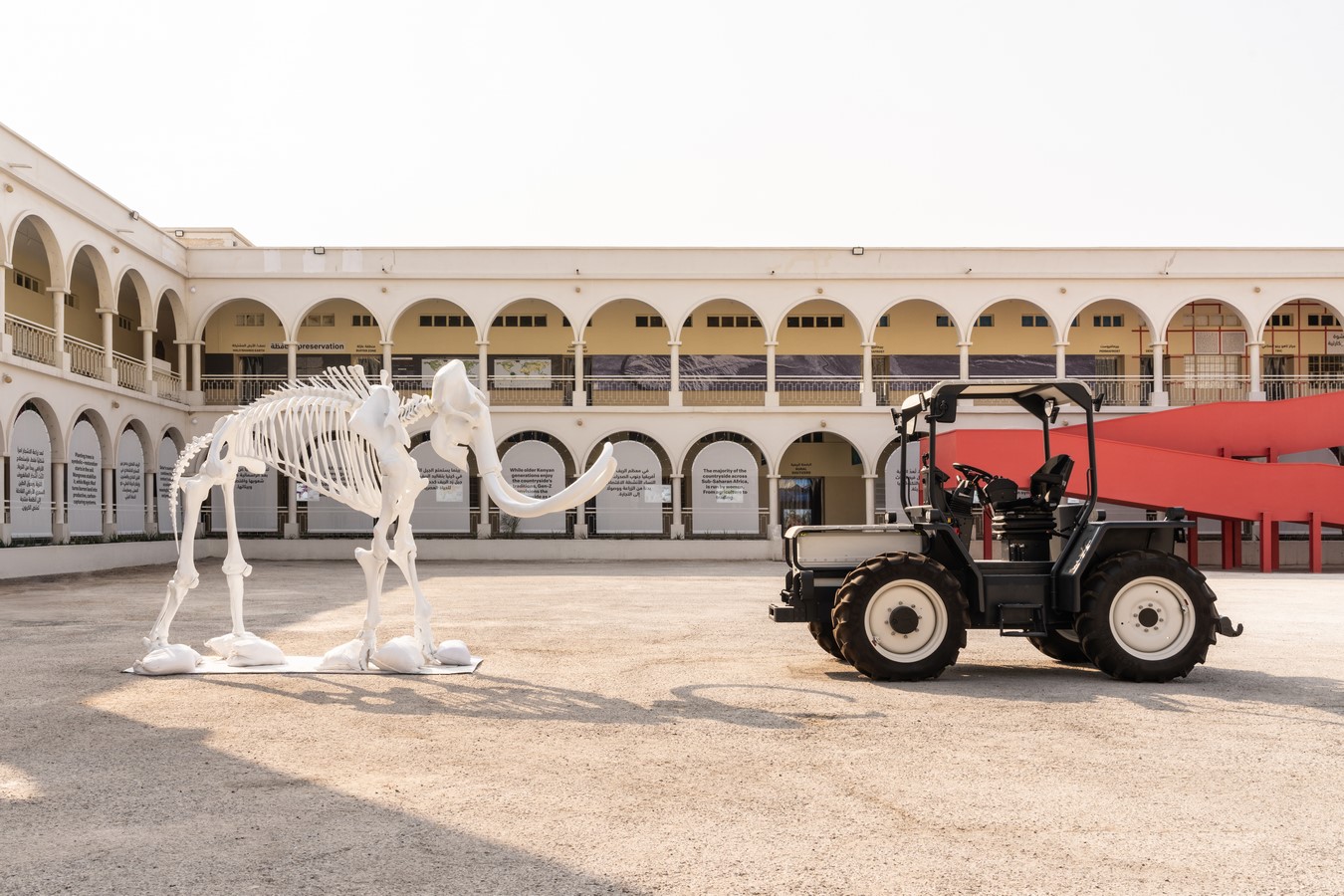
In this second iteration of Countryside, we present “the Arc,” a contiguous band of “Countryside” that runs from South Africa through East Africa, via Qatar, Central Asia, all the way to Eastern China. It is an arc of landlocked rural areas, still inhabited largely in traditional ways, both in Africa and Central Asia, and where only the Middle East is undergoing rapid modernization.
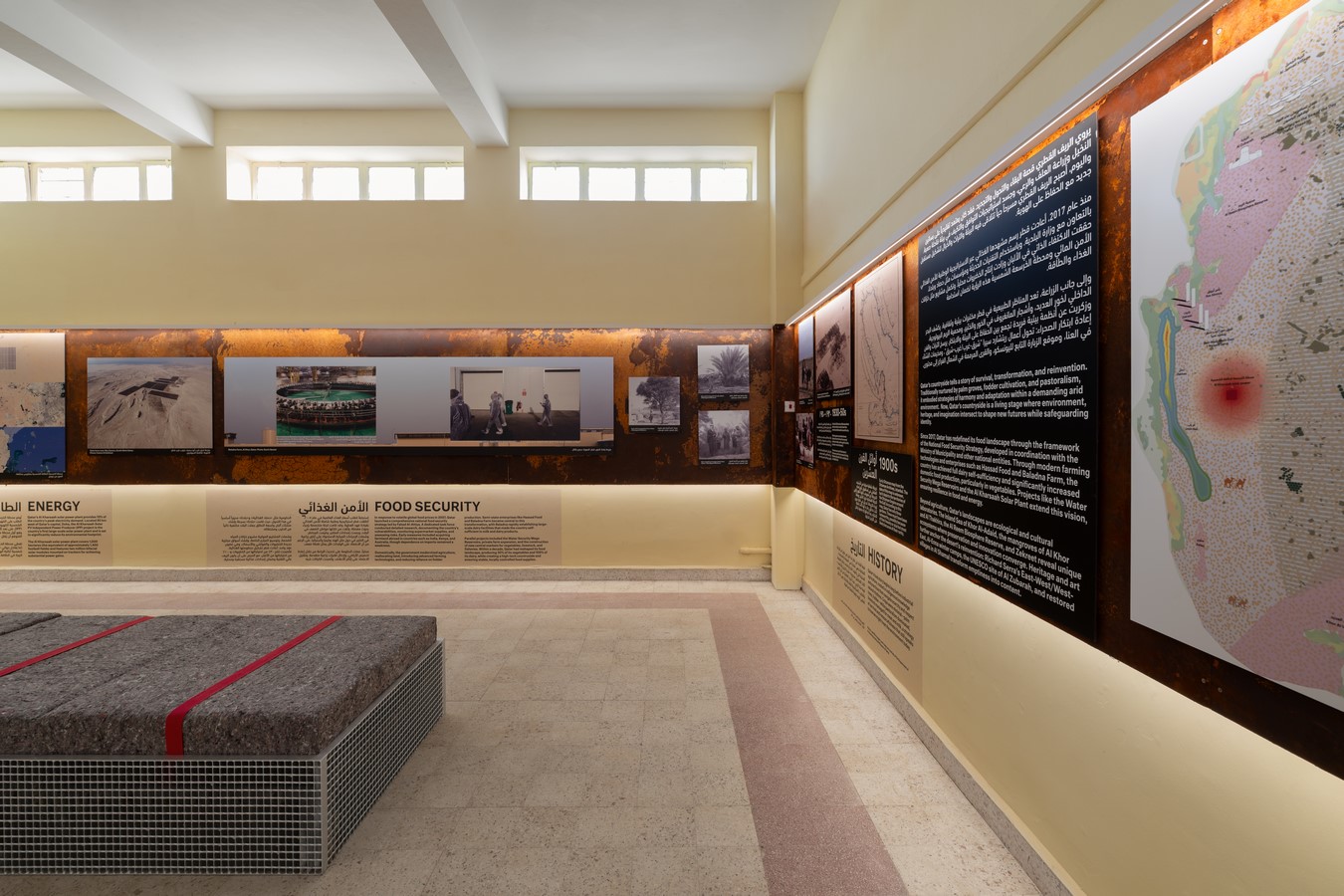
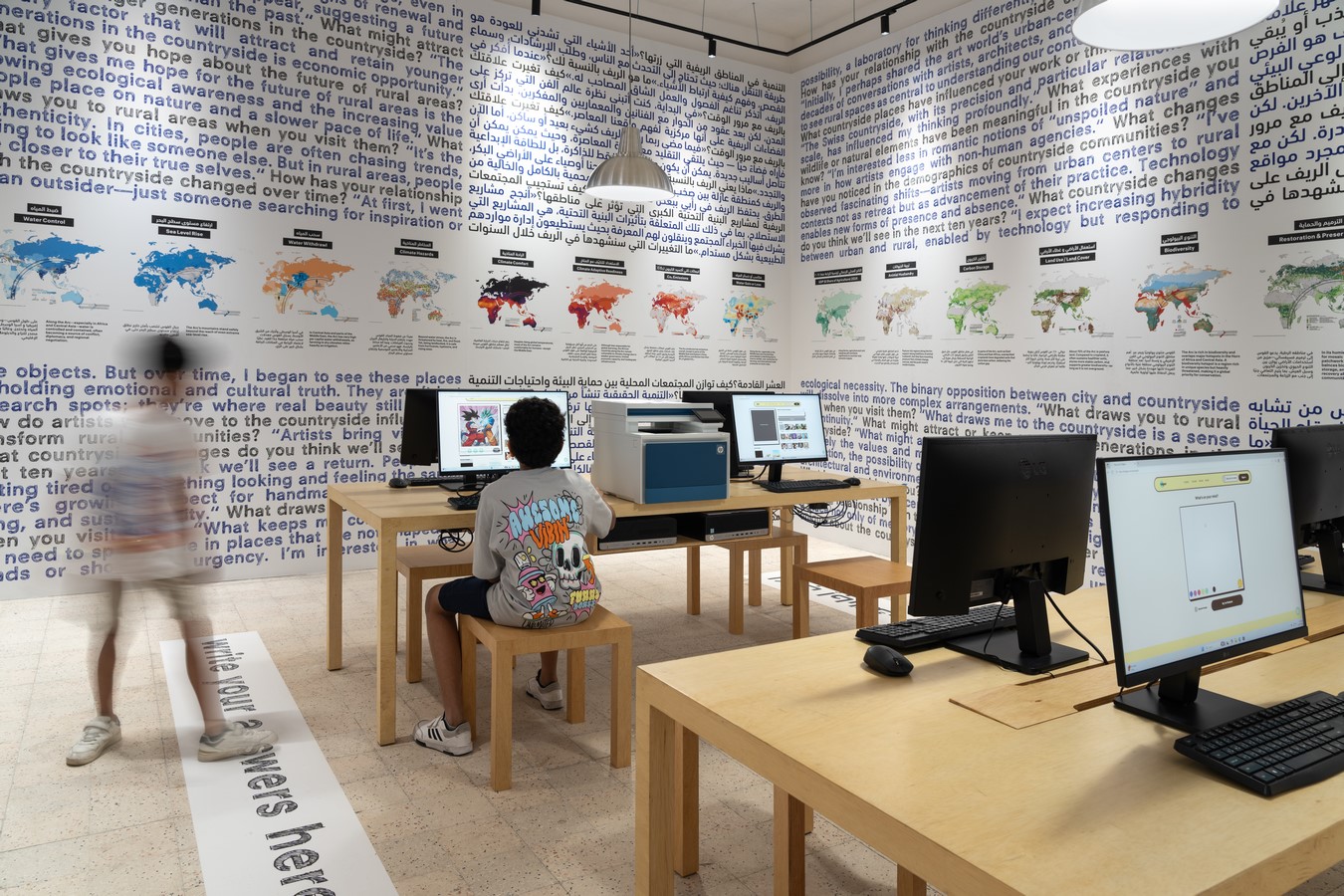
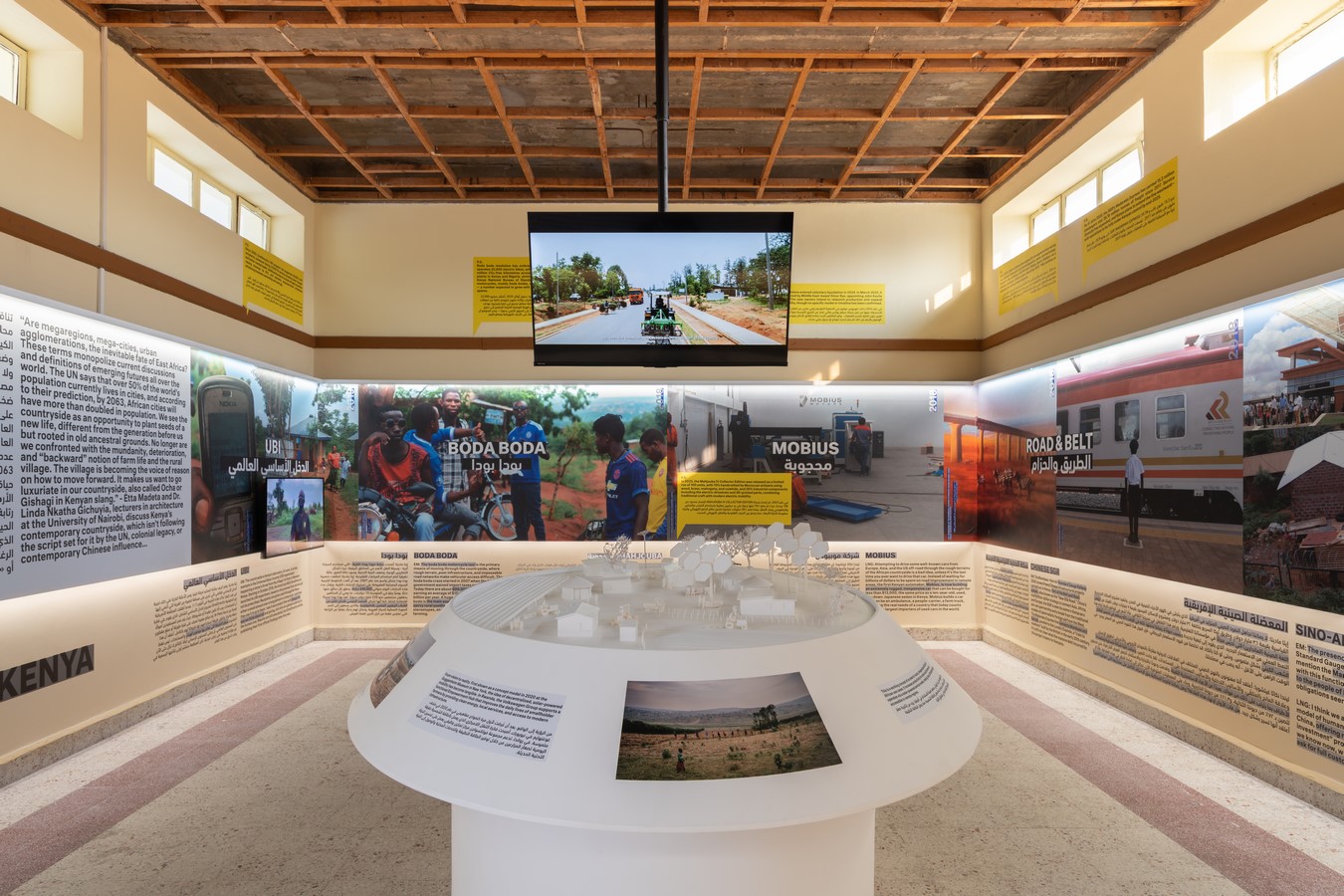
Today, Africa, the Middle East, and Central Asia are home to 85 percent of the world’s population. By 2100, these regions will still account for more than 80 percent of humanity. By then, Africa will have become the most populous continent, surpassing Asia. Qatar and its neighboring region sit at the geographic and eco nomic crossroads of this demographic transformation.
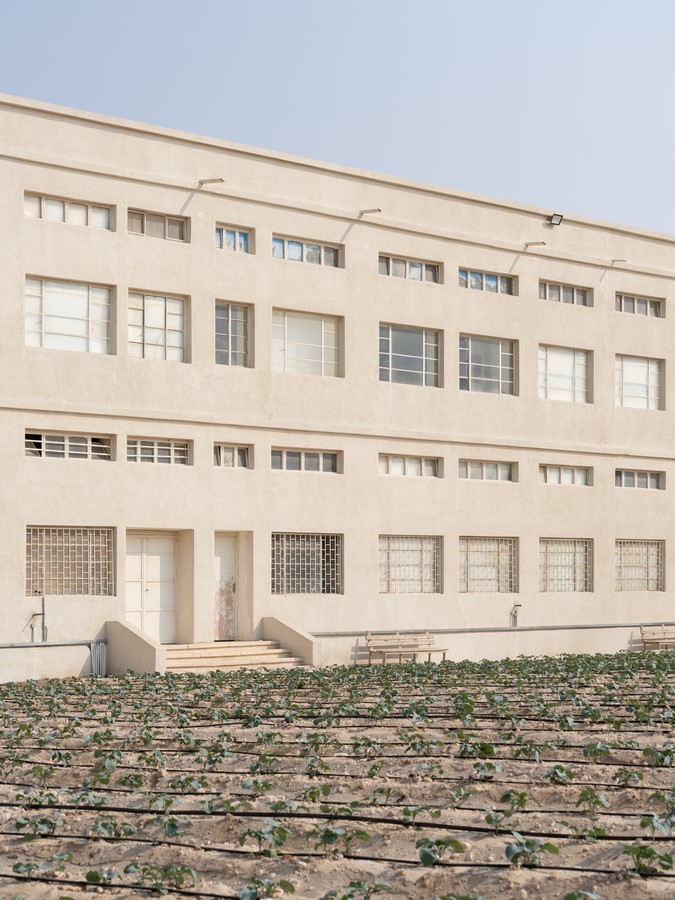
We traced this arc because it encompasses both traditional and modern forms of living. Rather than a chain of crises, it represents an arc of potential, in which we can consider how much might change and what traditions should be maintained. Most of the Arc is mountainous; the landscape itself resists a wholesale modernization, though its breathtaking beauty faces mounting pressure.
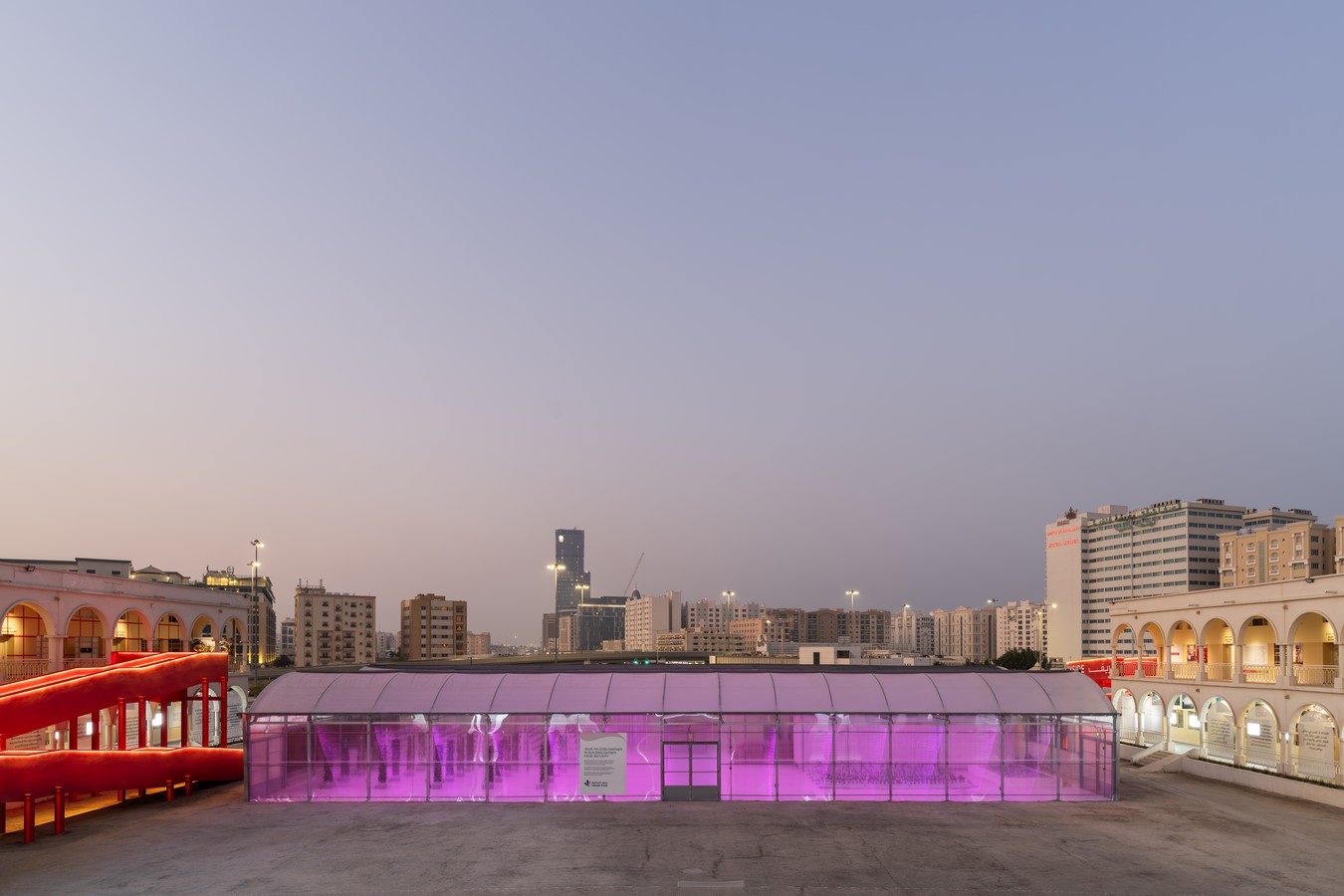
The smartphone has had a colossal impact on the Arc, connecting the most isolated cultures, questioning the need to leave the countryside for the city. The handheld internet introduces limitless flows of information, fashion, news, and politics, enabling entirely new economies.