It is certainly a wondering idea how some religious places, neighborhood gangs, sports teams, music bands and even politicians of the whole lot thrive in and despite situations. It all comes down to the same three things- identity, community and purpose. These can be synonymous to Maslow’s pyramid of needs. Esteem, belonging and actualization. It is for these reasons that human beings keep pushing and rooting for those special few. Human beings by nature need that validation.
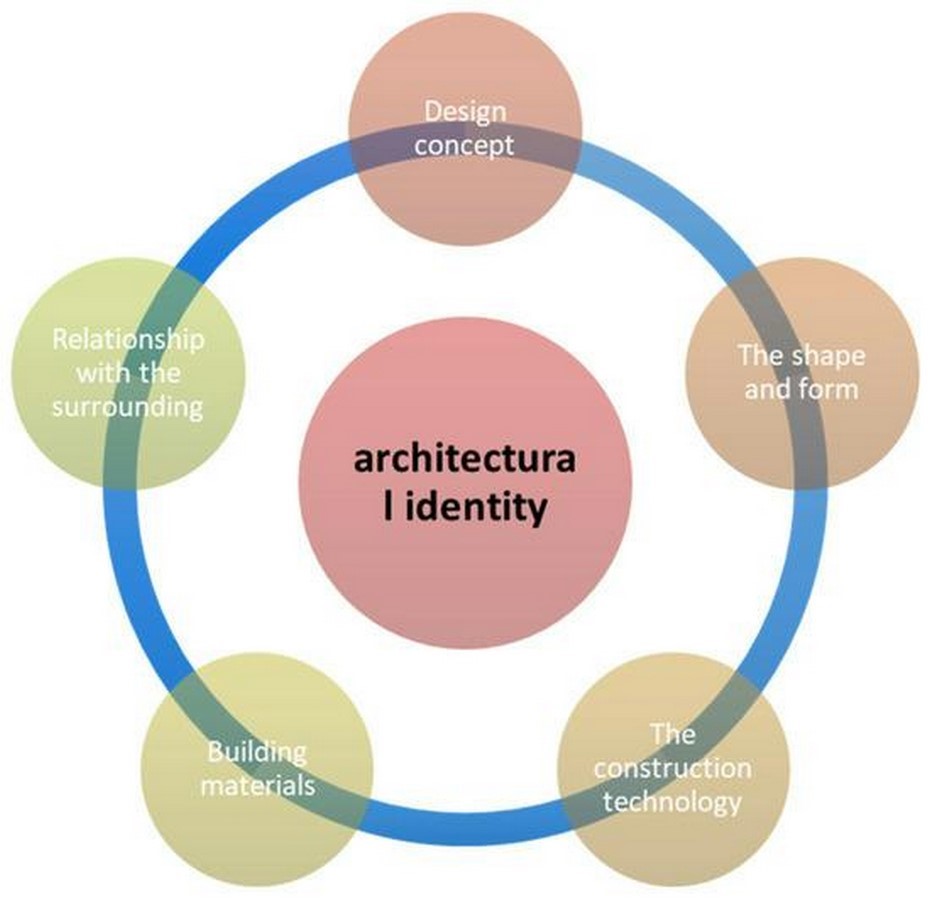
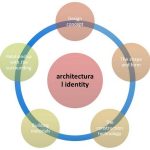
Therefore, it is of consequence how one can connect to a building. A building should speak to the mind and soul of the viewer or user- in the most psychological sense. An architectural building should have a spirit, a sense to it. This can also be called the identity of the building. That can translate into attachment and connection in the viewer’s head, and speaks to the individuals’ own identities. Architecture is about visualizing this spirit of the place. A place is a landscape or space where things happen and the architectural landscape is the means to show it to the human eye. This identity is the root cause for the long lasting relationships and birthing of various cultures and history with and through architecture.
Foundations of Place and Identity
Foundations of place and identity are deeply rooted in the idea of genius loci, or the “spirit of place.” Christian Norberg-Schulz introduced this term in discussions about architecture. He suggests that a place is more than just a physical spot; it is a complex collection of elements that give it a unique character. According to Norberg-Schulz, the role of architecture is to make a home. It translates the essence of the natural environment into structures that help people find their way and feel connected to the world. This idea is based on phenomenology, which focuses on how we experience space rather than just the shapes and forms of that space.
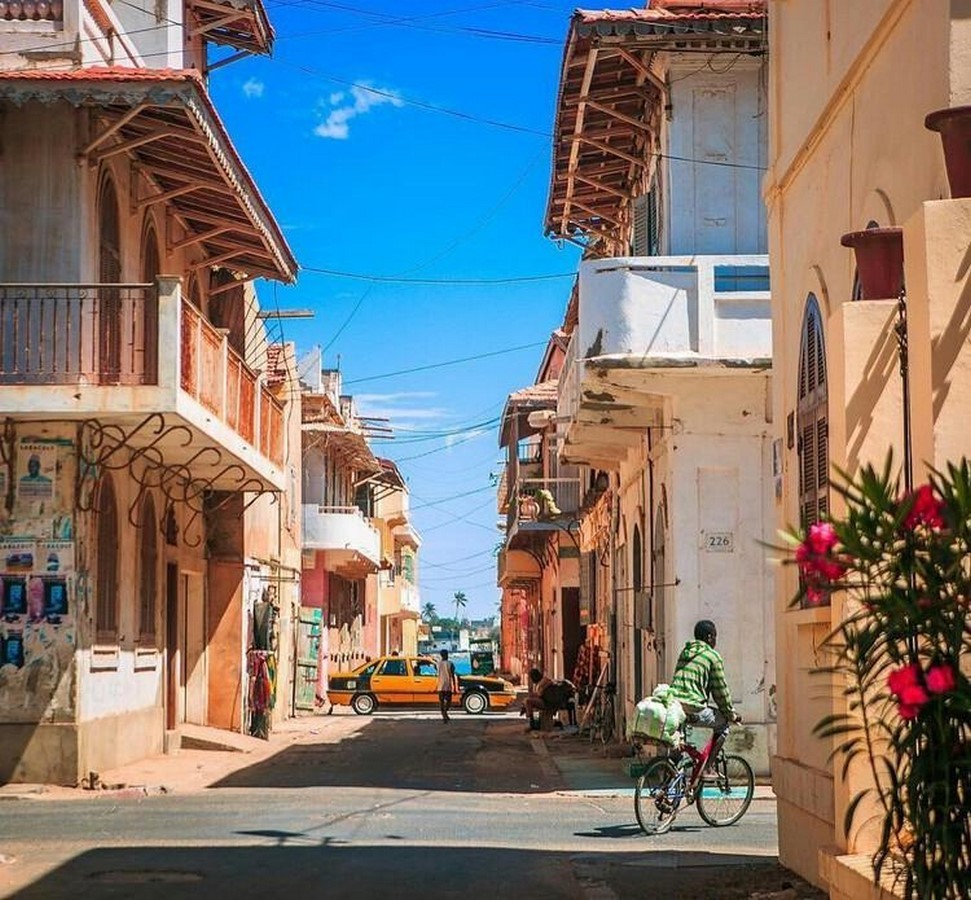
According to this, the architectural landscape is not an empty area but a meaningful space shaped by how people perceive it and their daily activities. A sense of place comes from this close connection, evolving into place attachment as people develop emotional ties to their surroundings over time. These connections are strengthened by spatial memory, with the built environment serving as a container for both personal and shared histories. Recent studies show that a place’s identity is “embedded in memory” and continuously formed through social acceptance. In his TEDx Talk, Louis Smith stresses that sustainability should extend beyond energy efficiency to encompass cultural sustainability. In this view, buildings serve as containers for a community’s history, current identity, and future goals. He highlights the importance of meaningful architecture, suggesting that a building only has real value when it is loved and acknowledged by the people it serves. By weaving local culture into the design, architecture shifts from being merely a work of art created by the architect to becoming an essential part of the community’s shared identity and spirit.
Culture Embedded in the Landscape
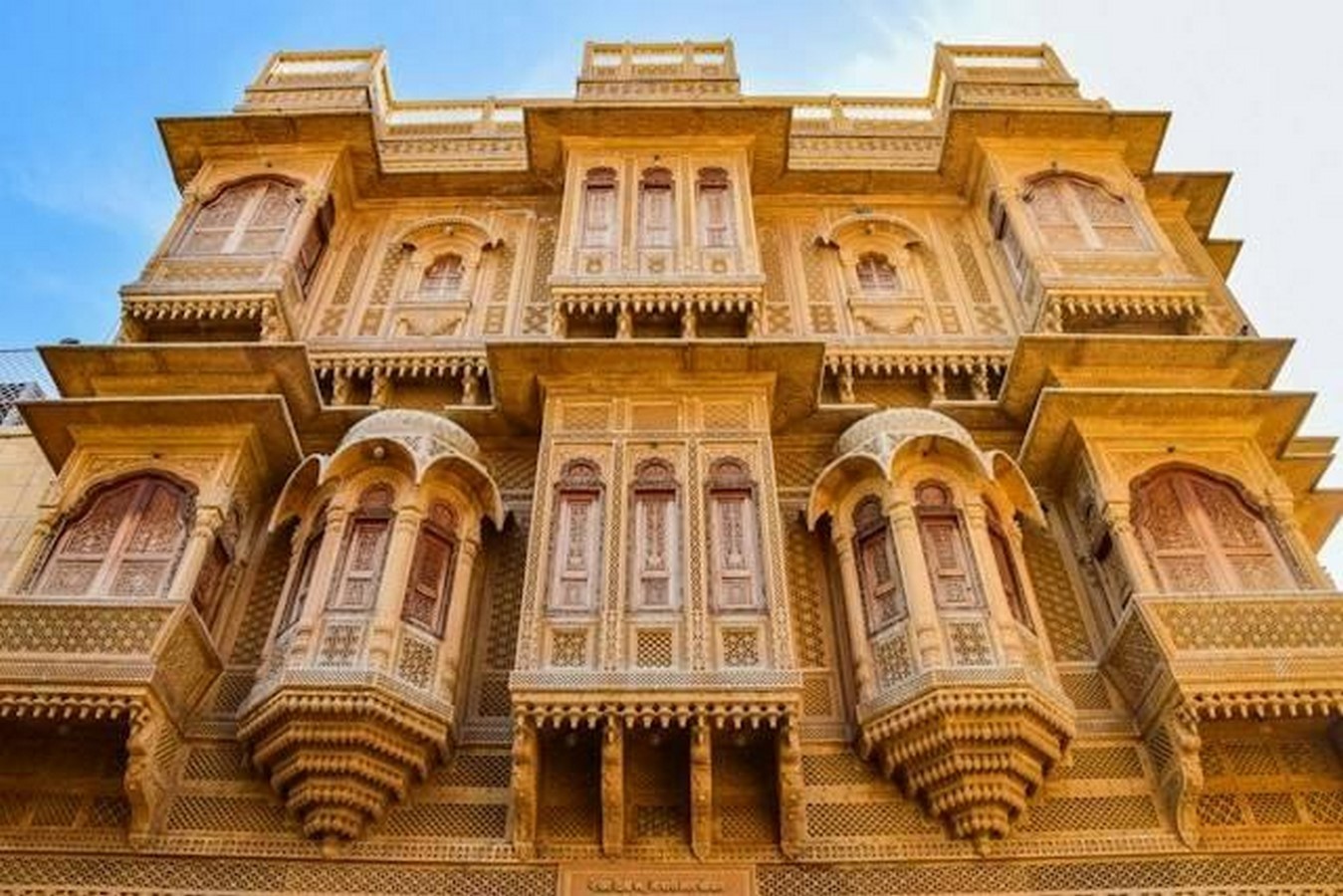
Cultural integration within the landscape is a key architectural process. Here, the built environment reflects local traditions, climate, and geography. In his book, “The Timeless Way of Building”, Christopher Alexander argues that true architecture does not stem from individual genius but comes from a timeless process rooted in a shared language of patterns. This approach depends on a deep understanding of local materials and environmental factors, like how a house needs to breathe in its specific climate. Such insights help create structures that feel alive and in harmony with their surroundings. By focusing on these inherent patterns rather than modern, cookie-cutter designs, architecture can become a living heritage that acknowledges the unique challenges and advantages of its site.
Architectural researchers claim that the landscape carries collective memory. They believe that a meaningful sense of place emerges when physical elements, like traditional building forms and natural features, align with a community’s beliefs and shared experiences. Studies also show that spatial identity combines physical traits, such as material and layout, with psychological aspects like emotional attachment. Through the lens of regionalism and vernacular design, both the landscape and its architecture serve not just as functional spaces but as symbolic anchors that maintain cultural continuity. Local resources and climate responsive designs help the architectural landscape to cease being an isolated object and rather convert it into a living and personalized environment that sustains the collective soul of its inhabitants. It provides people with a deep sense of belonging and worth.
Urbanization, Globalization, and Challenges to Identity
The forces of urbanization and globalization have caused a serious identity crisis in the built environment. This is marked by the growing sameness of global architecture. As cities hurry to modernize, they often choose a “one-size-fits-all” look that relies heavily on steel, glass, and concrete. This approach ignores local climate, history, and craftsmanship. This issue, often called placelessness, leads to a loss of local character. A skyscraper in Dubai can look just like one in New York or Shanghai. This trend is not just an aesthetic problem but a social and cultural one. When architectural forms detach from their geographical and historical roots, the residents’ sense of belonging and spatial memory weakens.

Additionally, the rapid growth of cities creates a clear conflict between modernity and heritage. As traditional buildings are torn down for high-density projects, the markers of a community’s unique identity disappear. This creates a psychological gap; the lived experience of the space no longer reflects the shared heritage of its people. To address this crisis, urban planners and architects need to find a careful balance between modern technology and regional specifics. Reclaiming identity in the face of globalization requires a move towards critical regionalism. This means that contemporary design should incorporate local culture and geography, ensuring that the spirit of a place stays strong against the pressure of global uniformity.
Strategies to Anchor Identity
The shift toward context-responsive design is an important response to the standardization of global architecture. To preserve the unique identity of urban environments, we need a method that focuses on the specific shapes and geometric history of a location. It makes sure that new buildings and renovations do not erase the city’s historical story but rather complement it through technical and conservation-driven criteria.
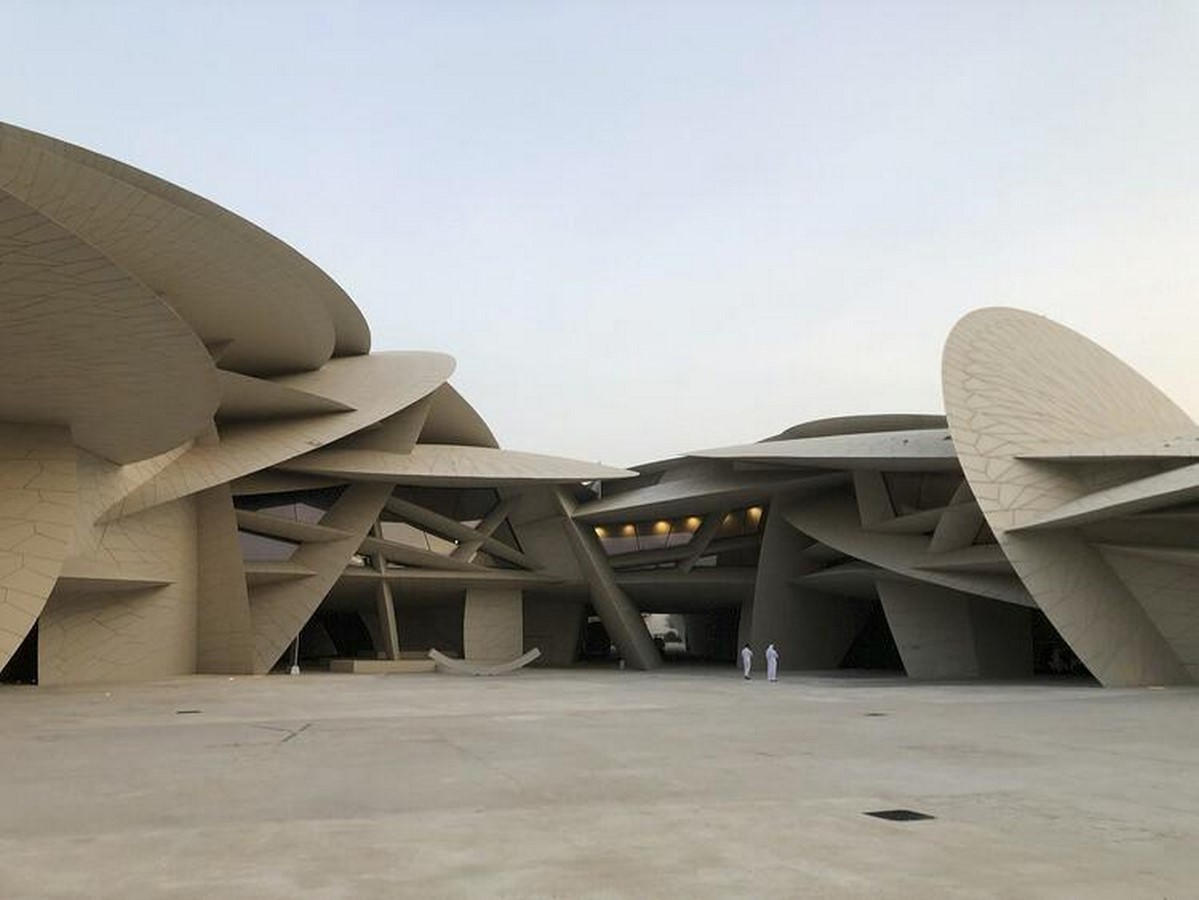
At the heart of this movement is the use of local materials and ecological awareness. By choosing materials found in the region, architects lower the carbon footprint linked to transportation and help the structure age well with its natural surroundings. This choice creates a physical connection to the landscape and strengthens the sense of place. In addition, sustainable and culturally informed planning uses digital tools, such as vulnerability assessments and digital models, to effectively manage urban heritage. This kind of planning ensures that changes are not just practical but also meaningful, honoring a community’s past and future goals while making the built environment a resilient part of cultural identity.
Conclusion: A Foundation of Bedrock and Resilience
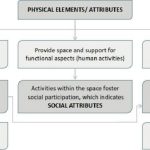
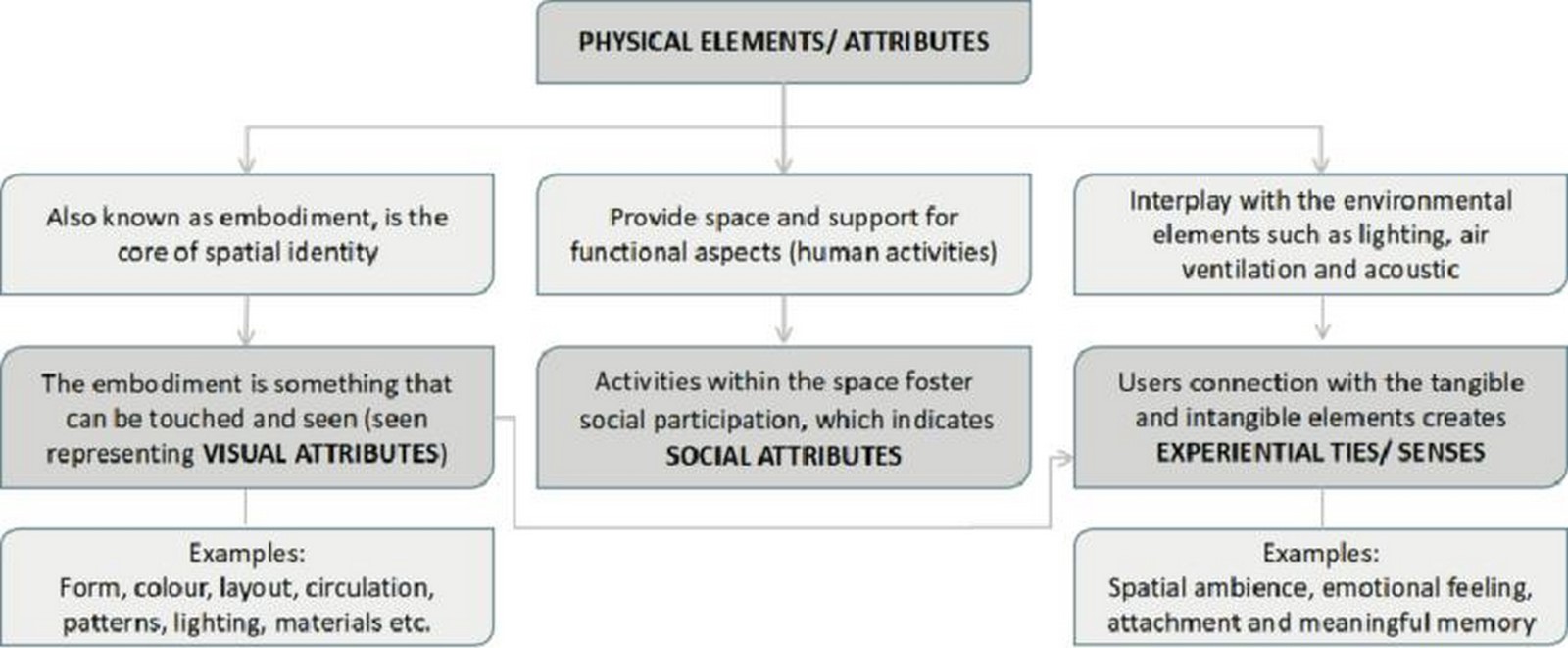
It is important to note that architecture is more than just a functional shell. It serves as a key holder of cultural heritage and collective memory. By examining 1970s postmodern buildings, the article shows how spatial identity develops from the ongoing interaction between physical design, including form, color, and materials, and the experiences of the people who live in these spaces. True architectural importance lies in this embodiment, where elements like light and texture create an emotional connection that fosters a strong sense of belonging.
Research findings support a move toward urban policies that respond to context and protect everyday heritage from thoughtless modernization. Safeguarding a building’s facade and its “patina of use” is crucial for preserving the visual balance and historical story of our cities. Going forward, it will be suggested that humans should integrate tools like AI simulations and color analysis to improve conservation efforts. Ultimately, maintaining the built environment requires a shared awareness. It demands collaboration among architects, authorities, and citizens to appreciate spaces that are not only functional but also rich in human connection and storytelling.
Future design should move towards an approach that is more culturally rooted, where technical guidelines and colour studies ensure harmony in the visual landscape. Fostering a collective consciousness and prioritizing a human-centric and sustainable architectural landscape, resilient urban environments are created- those that evolve with time while still anchored to their unique and significant narratives and identity.
Citations:
- Norberg-Schulz, C. (1980). Genius Loci: Towards a Phenomenology of Architecture. Academy Editions.
- Hiranteeyakul, M., & Thungsakul, N. (2021). The Study of Place Identity in Built Environment. Journal of Architectural/Planning Research and Studies (JARS), 19(1).
- Purnomo, A., and Kusuma, G. (2025). Spatial Identity in the Context of Interior and Building Environment. International Journal of Architecture and Urbanism, 9 (1), 45-56.
- Abbas, M. Y., and Singh, G. K. (2013). Environmental Psychology and Interior Design. Procedia – Social and Behavioral Sciences, 105, 545-554.
- Ataei, M., and Azizpour, S. (2023). Evaluation of the Sense of Place in Residential Spaces. Journal of Contemporary Urban Affairs, 7 (2), 112-128.
- Li, Y., and Zhang, X. (2023). Impact of Spatial Elements on Human Psychology in the Built Environment. Scientific Reports, 13 (1), 1-12.
- Wang, J., and Liu, H. (2025). Integration of Sustainable Design and Spatial Identity in Contemporary Architecture. Buildings, 15 (3), 497-515.
- Wikipedia contributors. (2026). The Timeless Way of Building. [online]. (Last updated: 14 January 2026). Available at: https://en.wikipedia.org/wiki/The_Timeless_Way_of_Building [Accessed date: 27/02/2026]
- Relph, E. (2024). Spirit of Place / Genius Loci. [online]. (Last updated: 10 June 2024). Available at: https://www.placeness.com/spirit-of-placegenius-loci/ [Accessed date: 27/02/2026]
- TEDx Talks. (2018). How Architecture can Revive Identity, Community and Purpose | Louis Smith | TEDxBeaconStreet. [YouTube Video]. Available at: https://www.youtube.com/watch?v=LWepXTUb2W0. [Accessed: 26/ 02/ 2026].