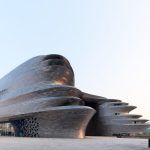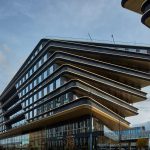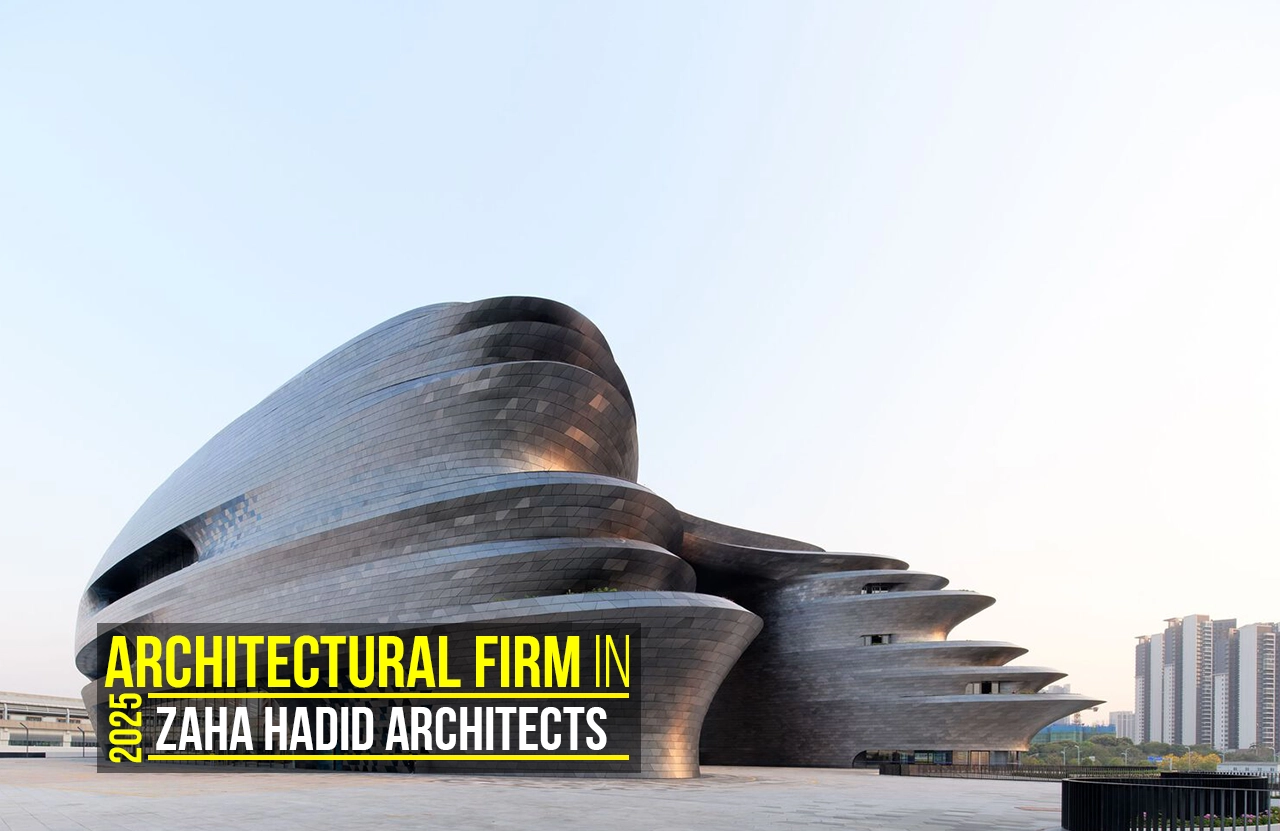
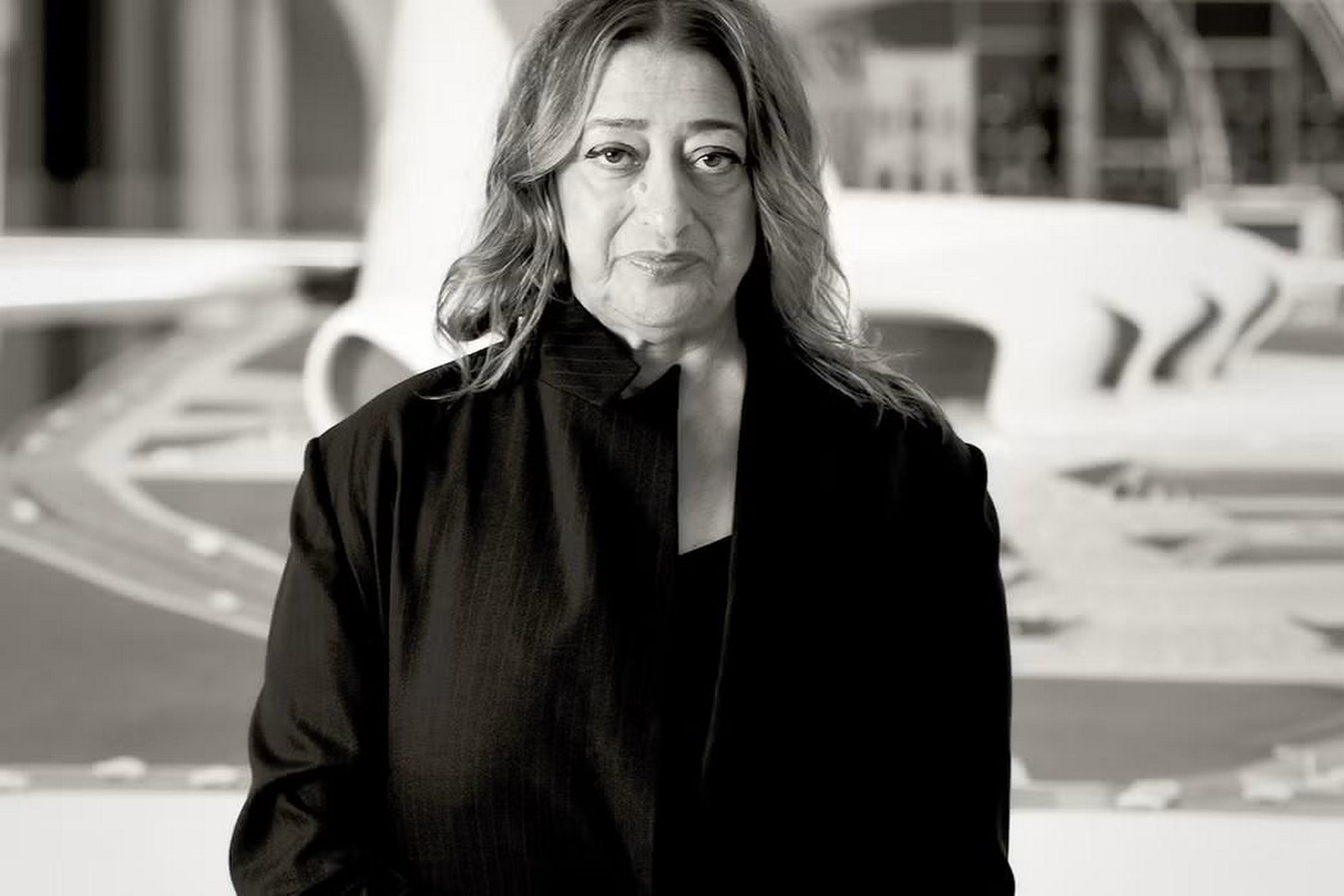
Zaha Hadid Architects is a British-based architecture firm in London, which was founded by Dame Zaha Hadid in 1979. The firm is known for its dynamic, parametric and futuristic designs. The firm designed a virtual city on the Metaverse platform in 2020 and has since started integrating artificial intelligence into its design. An internal unit called ZHAI – Zaha Hadid Analytics + Insights was used to address the artificial intelligence utilisation. Since the passing of its founder, Zaha Hadid, in 2016, the firm has been led by Principal Patrik Schumacher and has embraced technological innovation, including artificial intelligence (AI), to enhance its design processes.
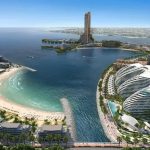
The year 2025 can be considered a crucial year for architecture firms, as they have started adapting conventional methods for form-making and designing spaces. The leading firms are embracing AI-assisted processes, adaptive reuse, and sustainable innovation to establish their identity in the upcoming era of technology. Recent projects of Zaha Hadid Architects involve the Oystra development in the UAE, the Go Park Sai Sha leisure complex in Hong Kong and a masterplan for Sharjah’s Khalid Bin Sultan City. The firm is also involved in key infrastructure projects, such as the proposed arrivals terminal at Vilnius Airport, and is noted for its influential role in merging avant-garde design with technological innovation. They have leaned into the digital future with the use of AI-supported and algorithmic planning to unlock new creative possibilities in their structures.
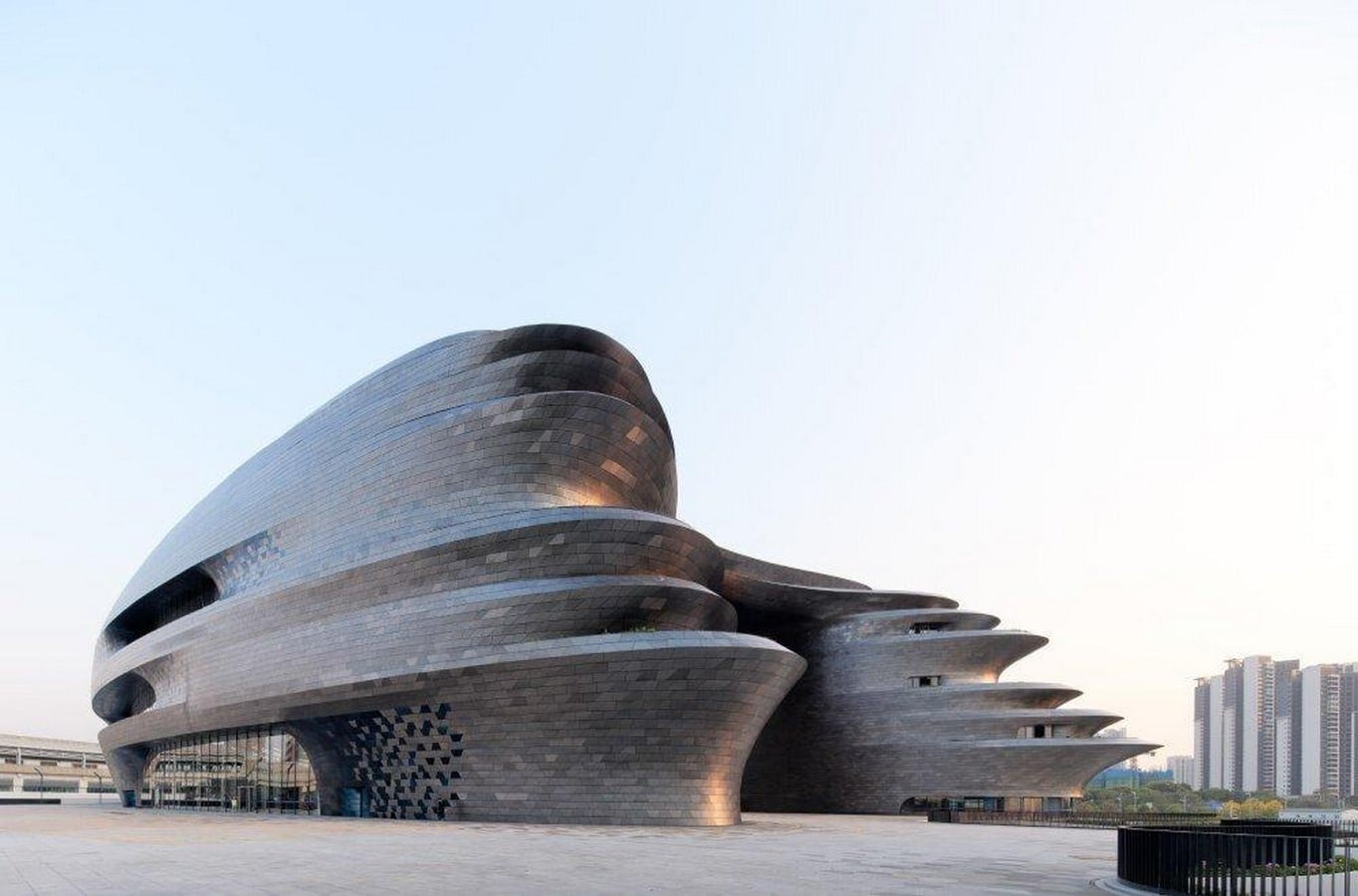
The integration of an AI-driven design process in the architectural workflow at Zaha Hadid Architects has formalised the use of ideas, providing better performance and design processes. These approaches offer a nuanced complexity in the parametric, dynamic, futuristic, and sculptural style of the firm. The installation at the 2025 Venice Architecture Biennale explored the potential of technologies with tools like Fortnite and Minecraft for inclusive and participatory urban planning. The firm also showcased great sensitivity towards adaptive reuse and cultural continuity. This helps the project to grow in terms of sustainability, both technically and culturally.
Zaha Hadid Architect’s projects have grown based on experiments with low-carbon construction systems, modular assemblies and biomimetic strategies. They have demonstrated environmental responsibility through the use of sustainable materials and their commitment to accountability. The Oystra mixed-use development in the UAE features fluid geometries and large balconies in its seafront development by using solar shading and natural ventilation. Oystra will use sustainable design elements to reduce energy demand in the UAE’s arid climate, including solar shading, natural ventilation and seawater-based cooling. The material logic of the firm reflects its discipline to constantly reduce embodied energy and carbon emissions to achieve ecological responsibility. These logics help the existing structures contribute to a discourse where heritage, continuity and ecological restraint can intersect. The firm is also incorporating sustainable elements, such as passive design, natural ventilation, and solar energy, to address climate change and environmental concerns. The beachfront building design of the Delmore in Miami was developed using data on solar radiation and other climate factors to maximise the comfort, performance and sustainability.
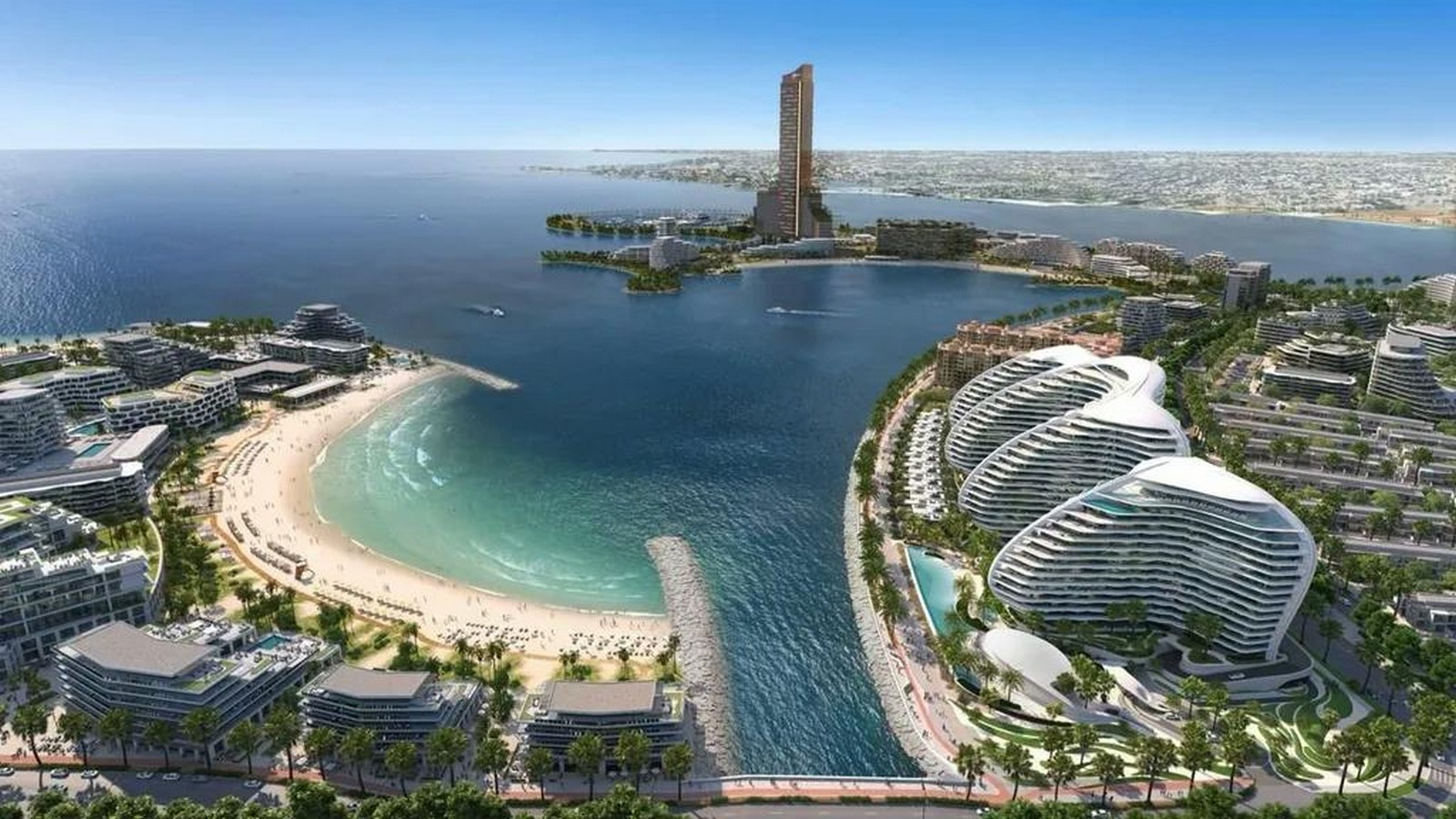
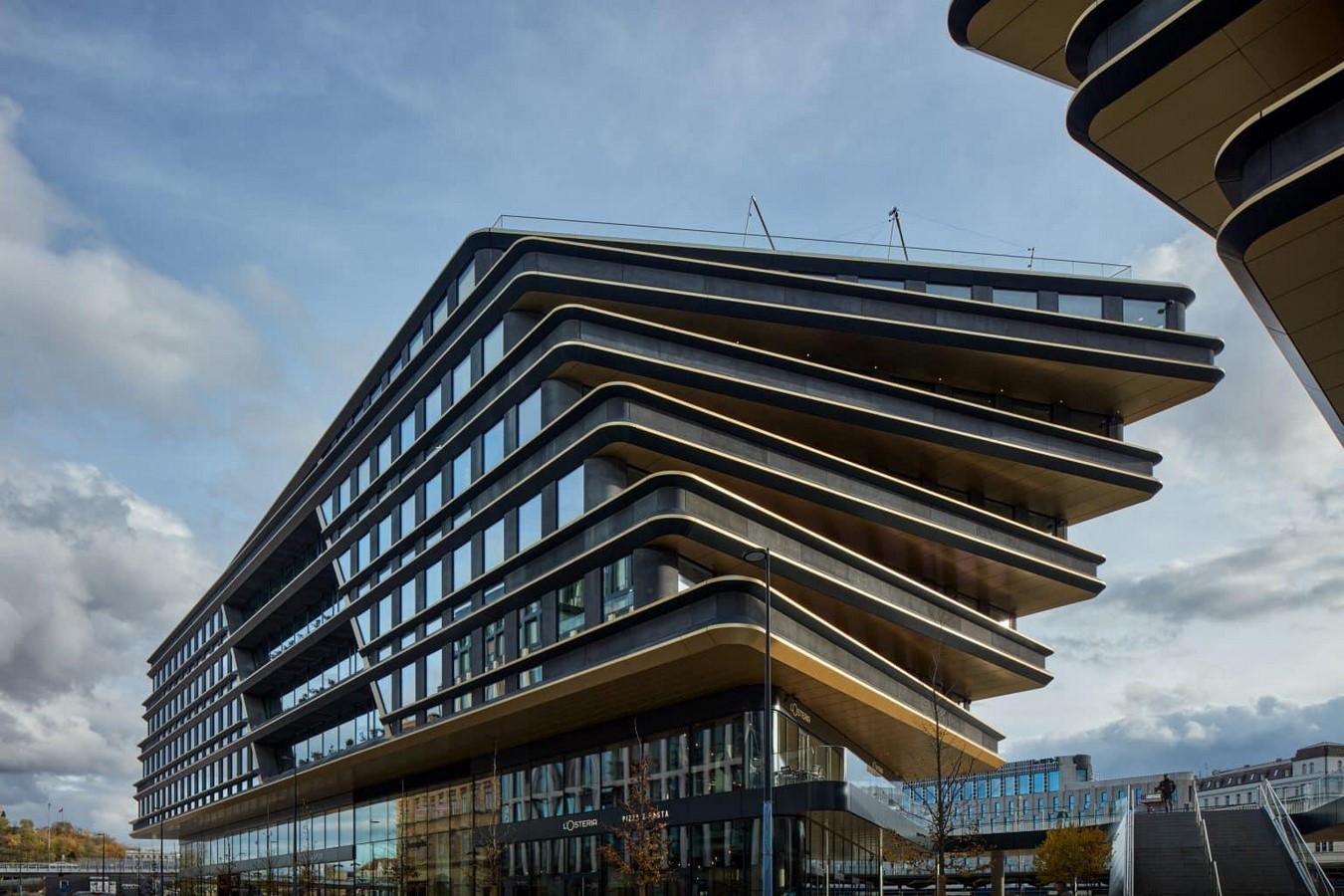
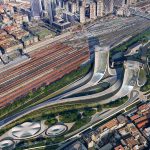
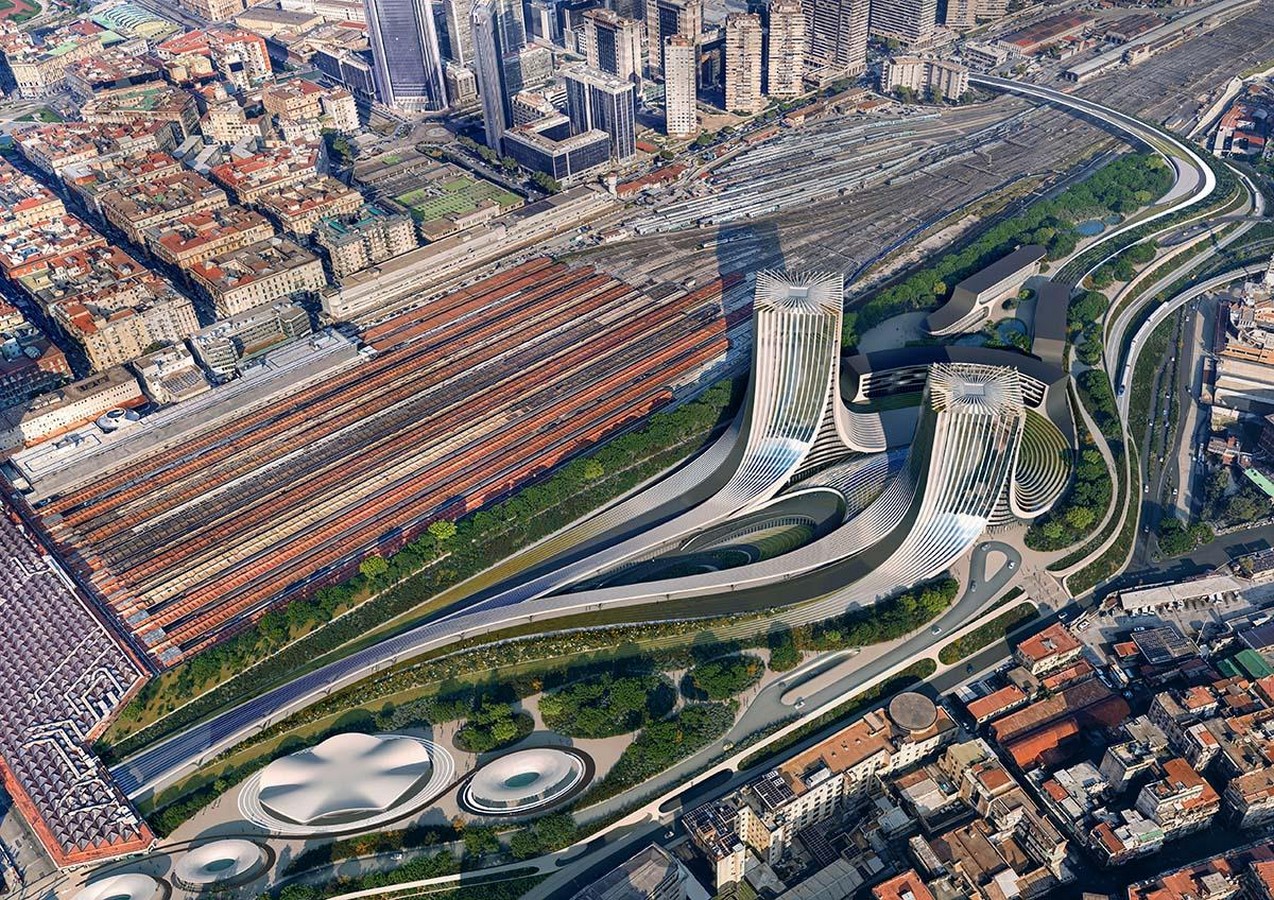
The large-scale master plans at Zaha Hadid Architects also focus on the architectural responses to climate change at the urban and community scale. The master plans, such as Napoli Porta Est and the Shaoxing Cultural Centre, have extended to visualise the urban systems of adaptation. They emphasise pedestrian networks, spaces that absorb climatic shocks, green corridors, and infrastructure that help fix the architecture in terms of social and environmental resilience, thereby strengthening urban communities. The masterplan seeks to reconnect the eastern area with Naples’ historic centre to ease traffic congestion and improve access for pedestrians. The design will prioritise green spaces, accessibility, energy efficiency and sustainability.
Zaha Hadid Architects in 2025 will continue with their architectural and aesthetic legacy, which has been ongoing for decades. They have shifted their goal from formal-based iconic structures to technologically focused, ecologically responsive and socially engaged practices. The firm has continued its legacy formed by its founder, Zaha Hadid, and has achieved its role in planetary challenges. Zaha Hadid Architects’ Masarycka project won a 2025 International Architecture Award, and the firm received an award for its Romeo Roma Hotel due to its innovative use of technology. They have redefined their architectural practice by prioritising sustainable materials, embracing adaptive reuse, and designing for climate resilience. In this coming generation, architecture is about creating systems of resilience, equity and sustainability, which help preserve the primary architectural identity.
Citations:
- The New World—Zaha Hadid Architects (2025) BAU. Available at: https://bau-muenchen.com/en/bau-insights/detail/the-new-world-zaha-hadid-architects.html(Accessed: 6 September 2025).
- Participatory Urbanism Collaborative Installation at the 2025 Venice Architecture Biennale (2025) Zaha Hadid Architects. Available at: https://www.zaha-hadid.com/2025/05/15/participatory-urbanism-collaborative-installation-at-the-2025-venice-architecture-biennale/(Accessed: 6 September 2025).
- The upcoming Zaha Hadid Architects projects set to transform the horizon (2025) Wallpaper. Available at: https://www.wallpaper.com/architecture/zaha-hadid-architects-future-projects(Accessed: 6 September 2025).