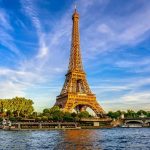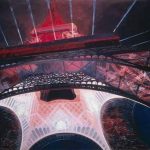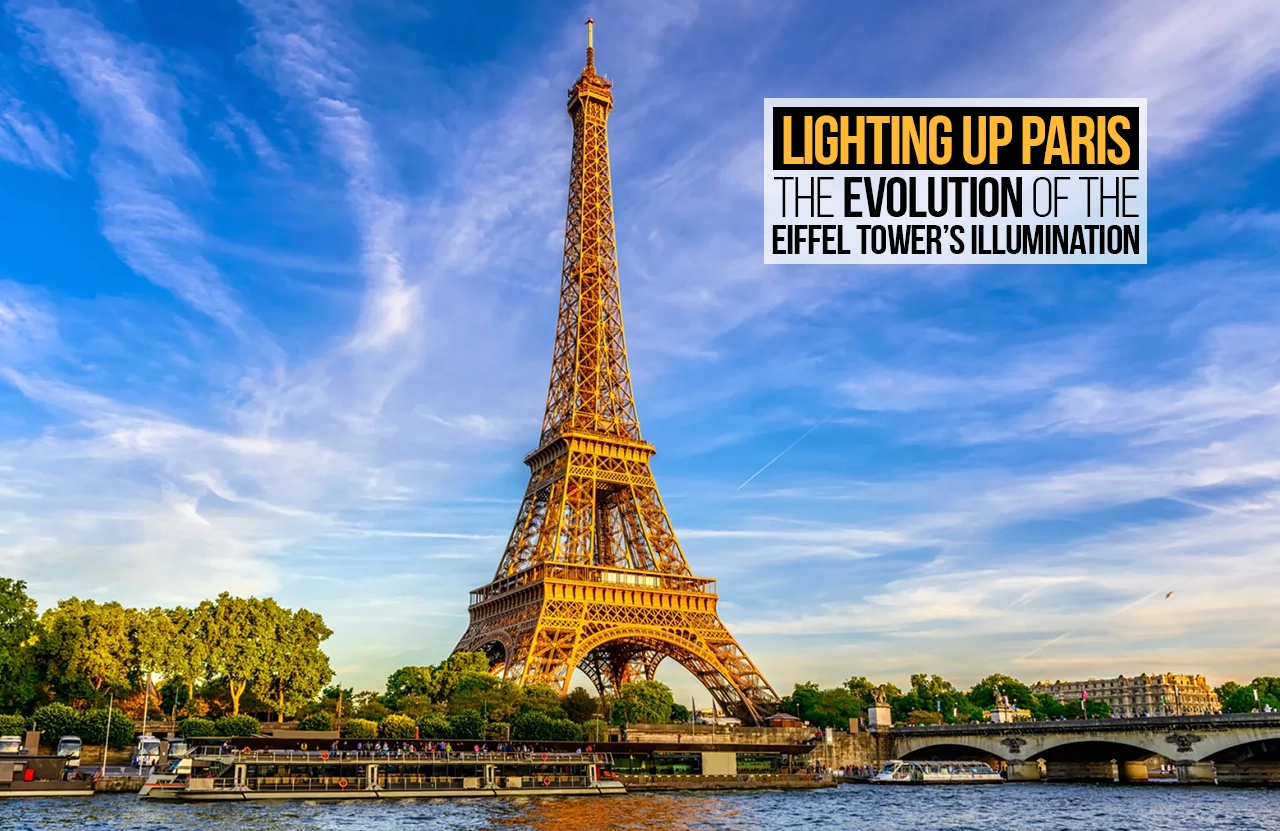
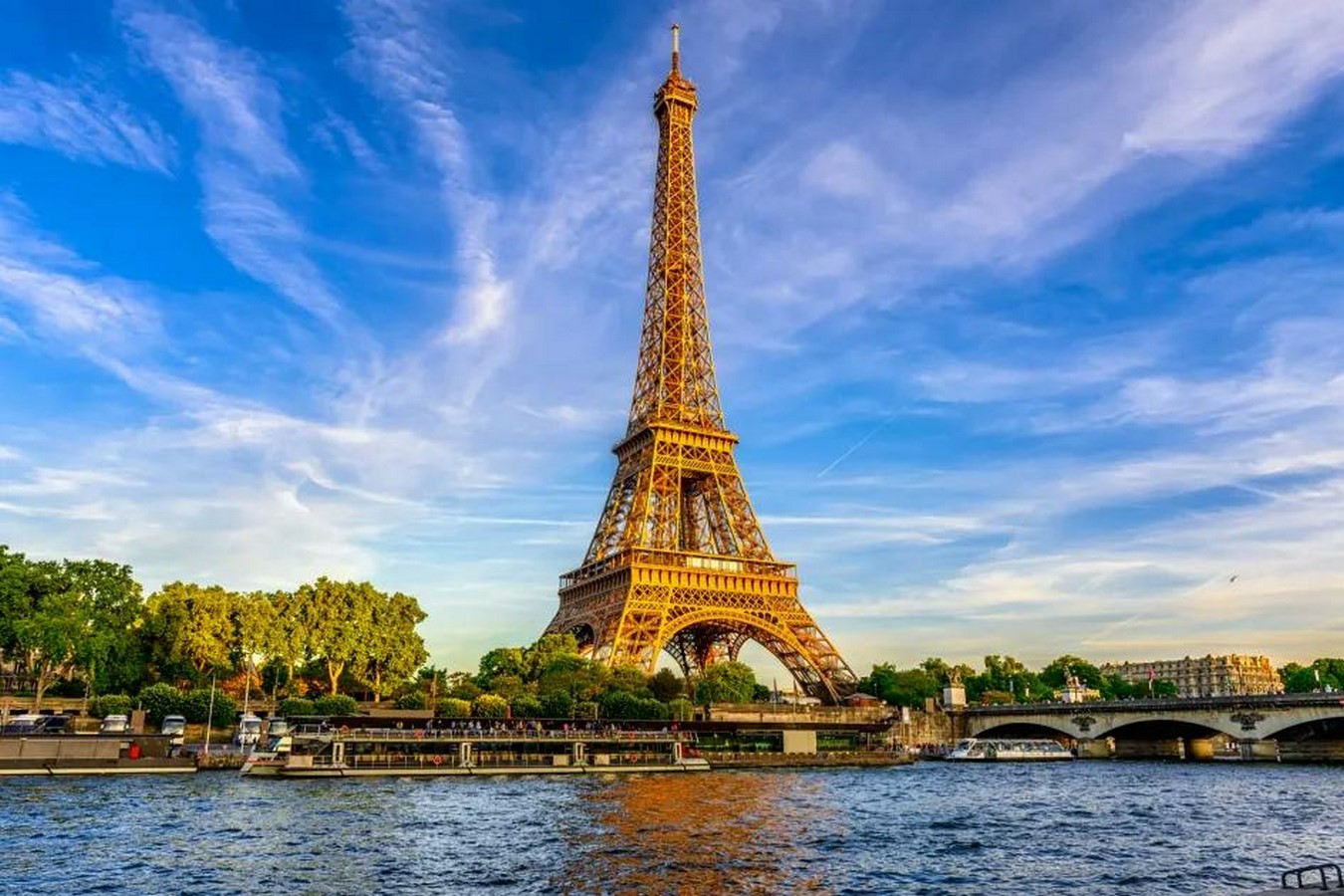
Once the world’s highest and most visited landmark, the Eiffel Tower is a pure beauty. The city of lights is among the many illustrated attractions, and it symbolizes the pride of Paris. It was designed by Gustave Eiffel, with construction beginning in January 1887 and completion in 1889. It stands 300m (984 feet) high with a base being 5 meters tall and an antenna at the top of the tower and was the world’s tallest structure in the world until 1929.
First Glow
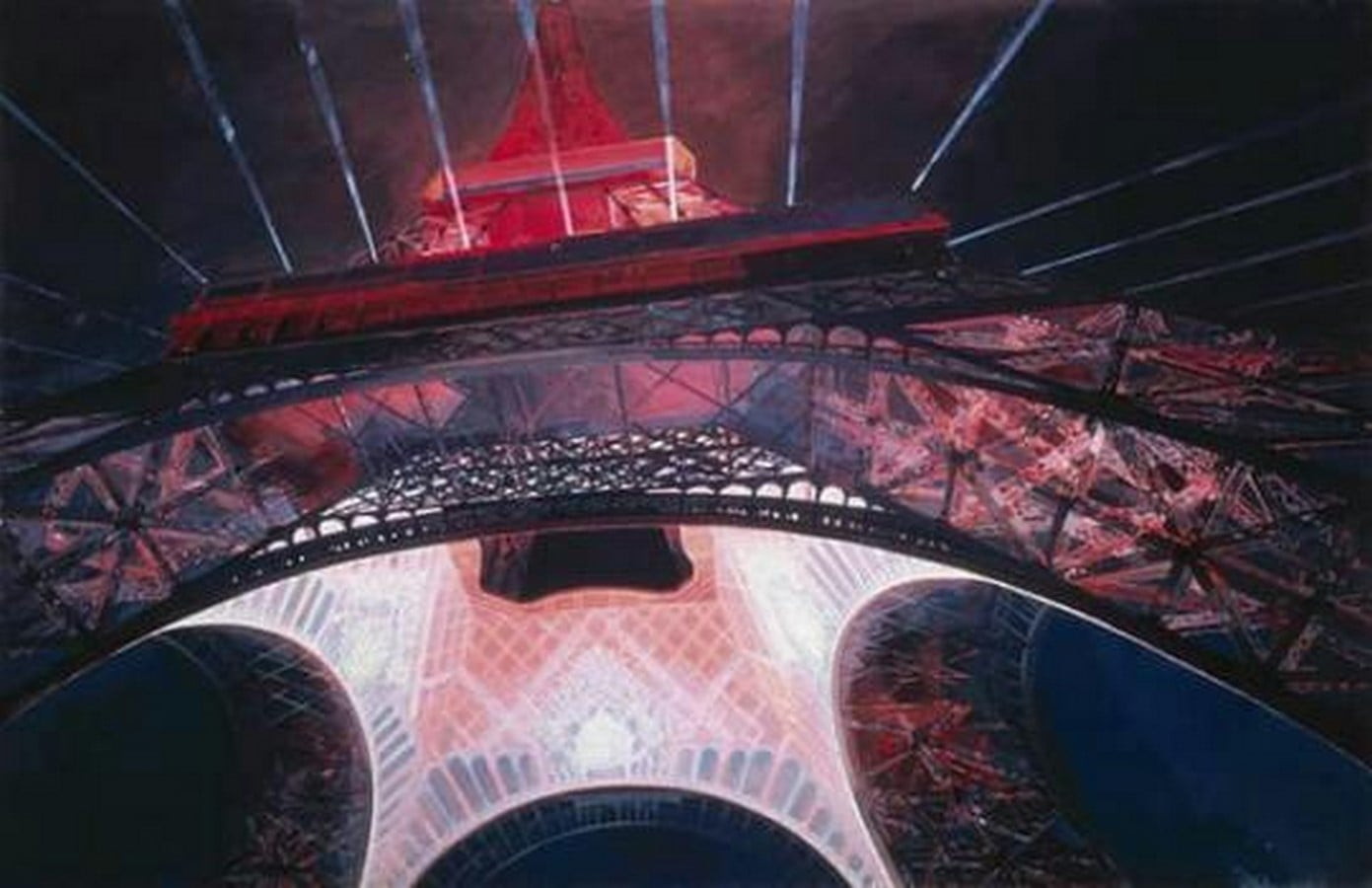
Apart from being an icon with iron and rivets, the illumination is what makes up the whole. The Eiffel Tower has been illuminated since its inauguration in 1889 during the World Exhibition, when 10,000 gas lamps lined its trusses and platforms. At the summit, two floodlights lit up Paris’s monuments, while a red, white, and blue beacon, the most powerful of its time, shone above the city. The visual enhancement in 1985 was a transformative addition with a dazzling golden lighting system designed by Pierre Bideau. In earlier days, the lighting feature included thousands of incandescent bulbs placed strategically to highlight the silhouette of the tower. To give it a complete look, warm lights are what stand out.
The first flow that the world got was in 1889 with the use of 10,000 gas lamps lighting on platforms, truss, and large floodlights at two large floodlights at the Top. The colors of Red, blue, and blue crowned the tower with its first illumination and helped in the transformation of the magnificent to a night queen. The evening at that time was what the world enjoyed in the city of Lights.
At Night
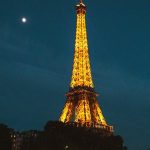
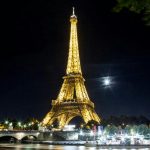
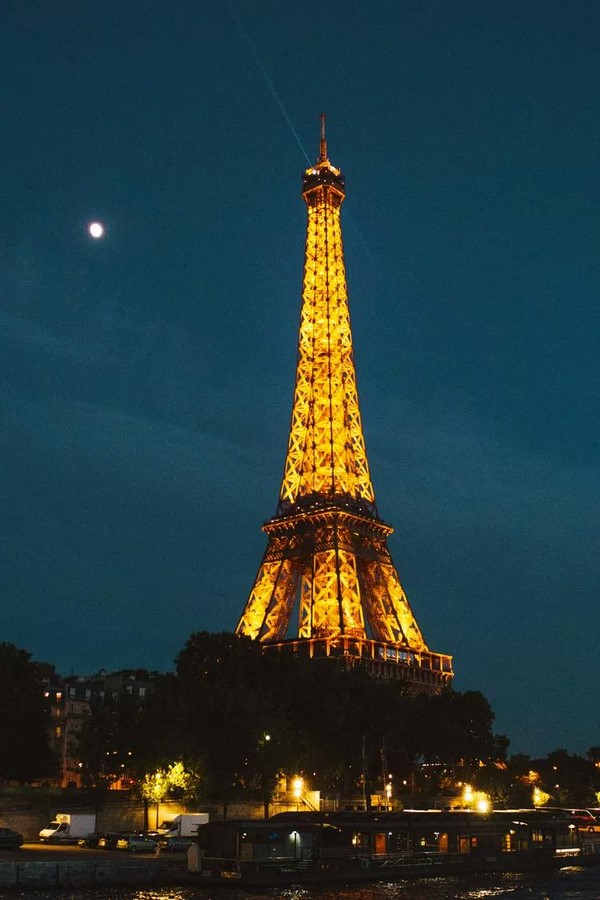
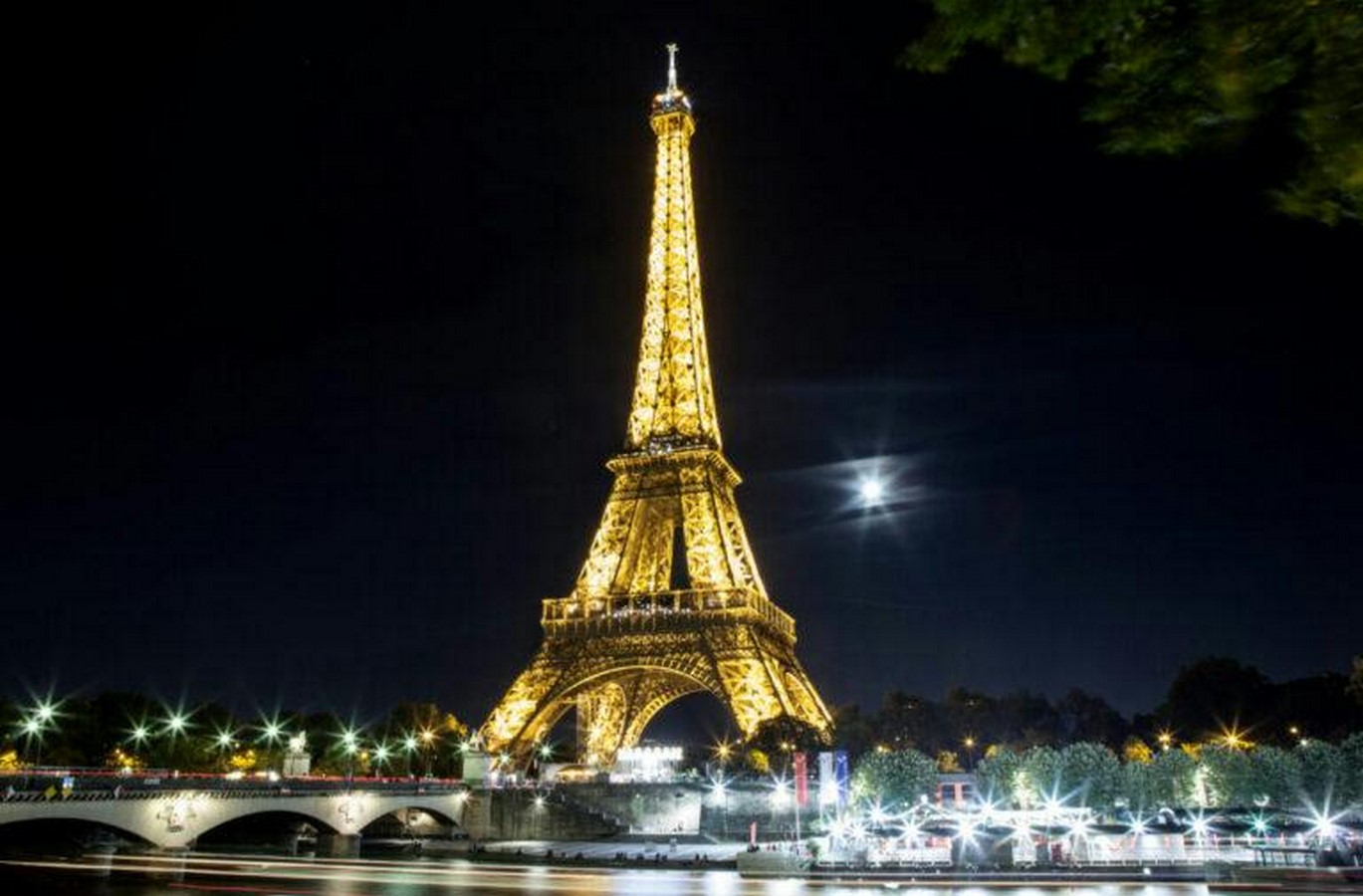
The Lights of the Eiffel Tower are visible as the sun sets, with a golden glow that radiates over the skyline of Paris. The sparkling magic of the whole tower can be seen every hour, dazzling with a 5-minute twinkling display continuity until 11:45 pm in winter and 1am in summer. Adding to the illumination of the Beacon, a powerful rotating spotlight at the summit shines over 80km giving a brighter meaning to the night.
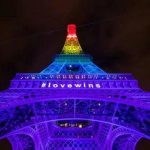
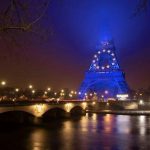
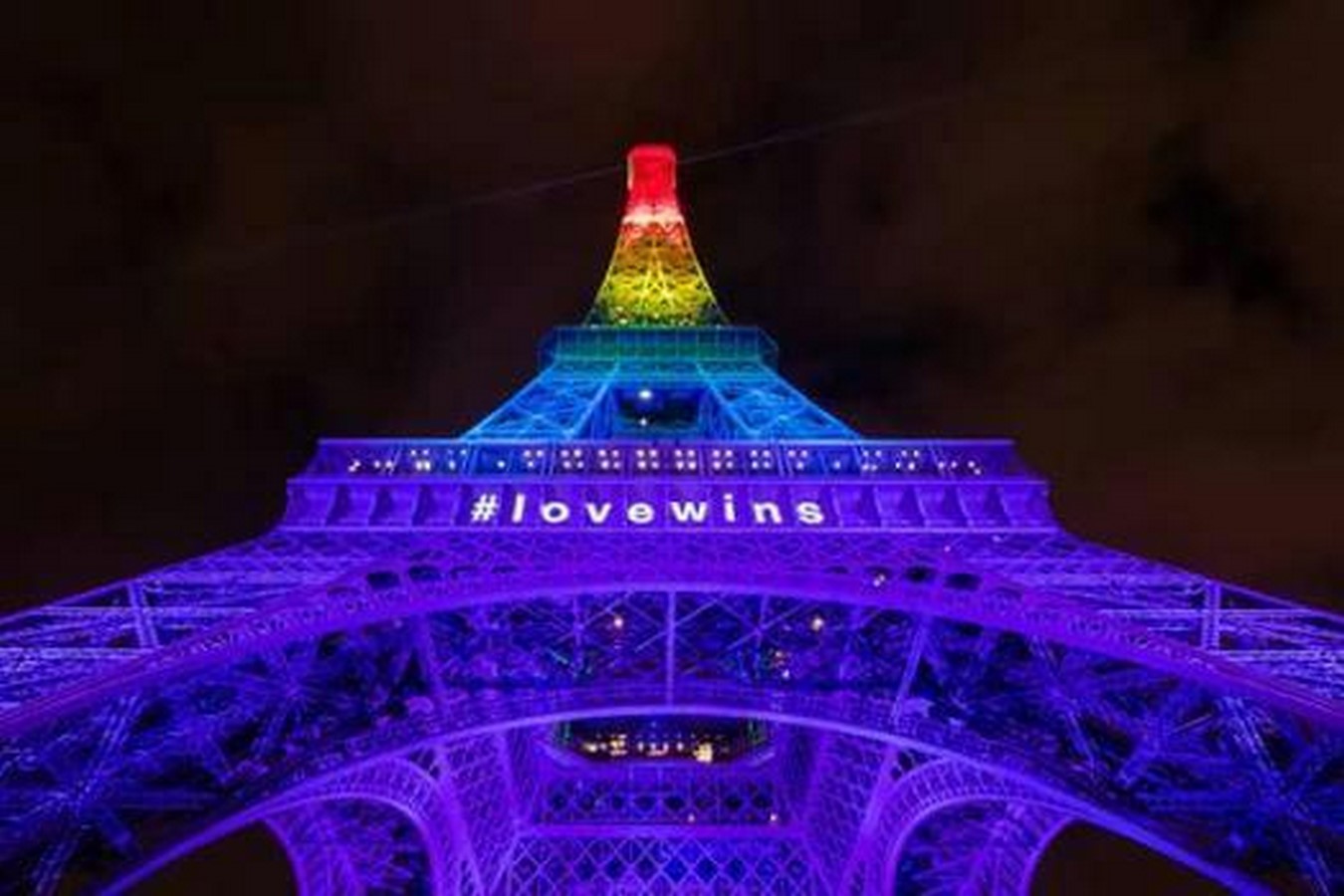
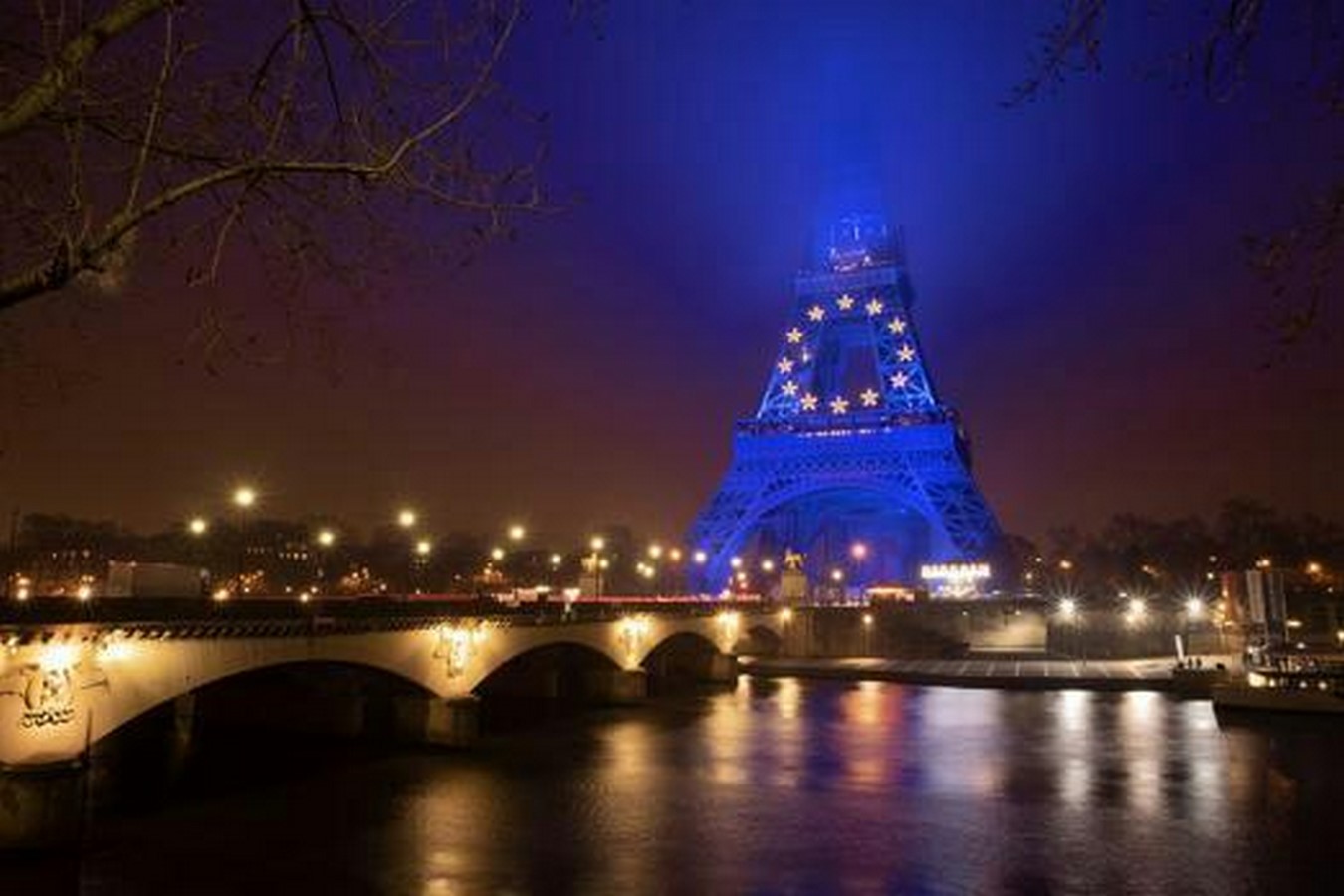
The tower lights up with 20,000 twinkling bulbs. It is also illuminated by 336 projectors with an energy-saving LED bulb. The lighting also changes the colors, in which the blue represents Europe or any special tribute, red represents world cup events, and multicolored show cultural solidarity. It’s one event that makes tourism lively in Paris. Without any tickets, anyone can enjoy the view which wraps you up with the magic of Paris.
On December 31, 1999, the tower’s beacon sparkled for the first time. The beacon consists of four motorized marine-style floodlights, each capable of projecting two beams of light with a 50-mile range. Controlled by specialized software and a programmable robotic system, the lights perform a synchronized 90° rotation, creating a cross-shaped double beam that pivots 360°. Each unit uses a 6,000W xenon bulb, selected for its 1,200-hour lifespan. To ensure safe operation, the lighting heads are equipped with enhanced ventilation to prevent overheating, along with a heating system that activates when the temperature falls below 32°F while the lights are off. The beacon recalls Gustav Eiffel’s original design, symbolizing a universal guiding light.
Influence
The influence that Paris carries cannot be described in words. The landmark carries the French identity along with the other architectural monument. Many people consider it a once-in-a-lifetime thing and some have added to visit them in their bucket list. Mainly, the architects in the world find it very fascinating and consider them fortunate enough to even get a glimpse of it. Whether the aerial view, farther view, it stands as an emblem of innovation, sustainability, and beauty, which captivates the hearts of anyone who sees it.It lights up on various events to celebrate the happiness of the world. Some events are World cup exhibitions, Chinese New year, Europe‘s 20th anniversary, It’s Birthday, fashion shows,Pride month, etc.
Energy-efficient Module
In 2003, the illumination was upgraded to energy efficient and programmable lights. The era of lights entered the era of energy-reduced, versatile lighting systems. The addition of more features like colors, synchronised sequences, and various patterns gave it more meaning. Not only for the aesthetic but for the safety too, the lights were necessary. The futuristic approach was a thoughtful decision that was updated back in the early 20s. In 2008, To save energy and reduce its consumption, the time of the lighting was reduced from ten to five minutes. The lighting system has been improving its energy performance, constantly reducing (% per year on average since 2016.
The illumination of the eiffel tower is more than just the lighting system, it’s an architectural symbolism of how the utilization of light can actually create change. From the warm glow of the gas bulbs to the energy efficient LED innovations of today, the evolution while preserving its timeless charm. With the admiration of illumination, lighting, and technology, the symbolism of celebration has always been its priority. The lights have always been a proud beauty and artistic masterpiece that the world has. From afar or up close, the illuminated Eiffel Tower reminds the world of Paris’s enduring spirit, blending art, engineering, and emotion into one radiant masterpiece. It is the beauty of cultural identity and celebration that gives it a new meaning.
Reference:
- COCKERELL, Joanna, et al. “France in Focus – the City of Light: How Paris Got Its Glow.” France 24, FRANCE 24, 11 Dec. 2023, https://www.france24.com/en/tv-shows/france-in-focus/20231211-the-city-of-light-how-paris-got-its-glow. Accessed 11 Sept. 2025.
- Findling, John. “Eiffel Tower | Tower, Paris, France.” Encyclopædia Britannica, 17 Aug. 2018,https://www.britannica.com/topic/Eiffel-Tower-Paris-France.
- Goldberg, Morgan. “Eiffel Tower: Everything You Need to Know.” Architectural Digest, Architectural Digest, 8 Aug. 2024, https://www.architecturaldigest.com/story/eiffel-tower-everything-you-need-to-know
- https://www.facebook.com/paristopten. “When Does the Eiffel Tower Sparkle? A Guide to Its Stunning Light Display.” Paris Top Ten, 26 June 2023, https://www.paristopten.com/when-does-the-eiffel-tower-sparkle/. Accessed 11 Sept. 2025.
- La Tour Eiffel. “The Eiffel Tower in Lights – Official Eiffel Tower Website.” La Tour Eiffel, 30 Oct. 2017, https://www.toureiffel.paris/en/the-monument/lights
- Light Ideas. “Eiffel Tower: History, Illumination & LED Lighting Evolution – Light Ideas.” Light Ideas, 7 Mar. 2024, https://lightideas.com/eiffel-tower-paris/?srsltid=AfmBOoorFYZHggSX8eHbe_712vJo4BKjwerkXQbgmNkcKeT-fKZfLIJvAccessed 10 Sept. 2025.
- Remi31620. “Lighting the Eiffel Tower – PARIS.” PARIS – Visit Paris, 27 Feb. 2025, https://www.city-paris.fr/en/lighting-the-eiffel-tower/. Accessed 13 Sept. 2025.