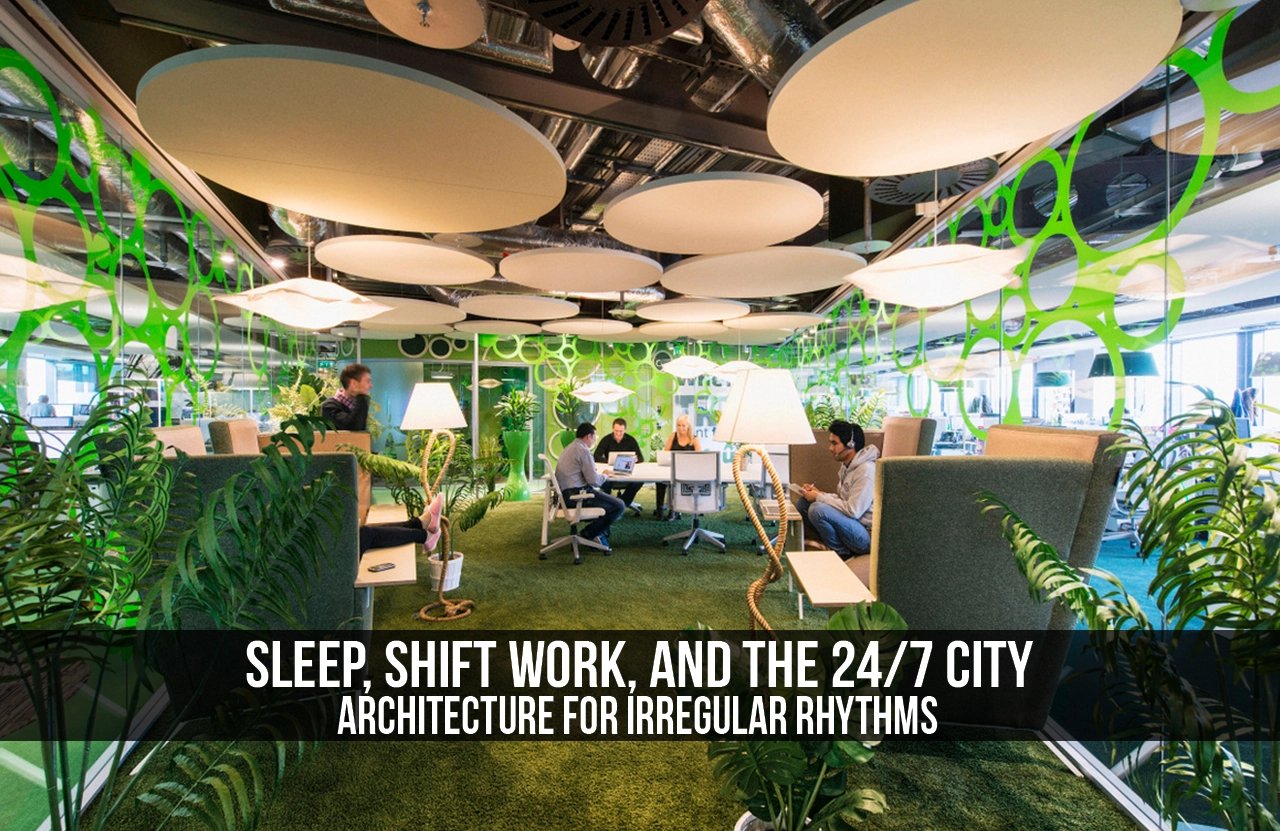
The modern world edges multiple programs that are always in a rush to progress at any cost, including modern working techniques. The idea of ditching the traditional working pattern and introducing new flexible working modes such as rotation shifts, irregular work schedules, night shifts, and sometimes continuous working hours 24/7, may have its own advantages, but the obvious drawbacks create a pullback to its more negative impact, creating multiple human biological discomforts. These biological discomforts are known to have Significant detrimental effects on one’s life. A variety of therapeutic approaches and safety measures should be considered. But architecture can become a part of this work shift schedule and help reduce these health discomforts. Design elements, spatial planning, and multiple other design factors can be strategically introduced within the workplaces to help workforces maintain better health comforts.
The Social Cost of the Shift Work Culture
Most of the professions, from healthcare to manufacturing industries to emergency services, tend to have shift work systems. These shift systems are either based on working hours or are 24/7 with rotating workers. Multiple workers are seen to have Shift Work Sleep Disorder (SWSD). (Abondio, 2024)
The non-traditional shift working hours, including night shifts, rotating shifts, or irregular work schedules, are observed to be the main cause for this disorder. This disorder severely impacts an individual’s sleep patterns, which can lead to a root cause of physical, emotional, and mental health challenges. The disruption of sleep due to the shift system can be observed in excessive daytime sleepiness in one’s schedule, difficulty in falling asleep or staying asleep, and reduced alertness while working. (Abondio, 2024)
The impact of SWSD is beyond the poor sleep schedule. The stress of deprived work along with work schedules can lead to multiple cardiovascular diseases such as hypertension, stroke, cardiac attack, and many more. The workers seen with SWSD tend to have a substantial risk of metabolic disorders such as obesity, indigestion, etc., as the disruptions in the sleep-wake cycle lead to hormonal imbalances, which may affect appetite regulation and insulin sensitivity. Disturbed sleep due to continuous working shifts, especially night shifts, roots the lack of social and familial interactions, which then further can worsen one’s mental health challenges, such as anxiety, depression, and other mental health disorders. (Night owling,2024)
The Rhythmic Architectural Approach
Architecture plays a vital role in preventing SWSD as it acts as a buffering mechanism between the irregular rhythms of workspaces. The workforce that aligns with shift systems can achieve a better life routine and can function properly with the body’s clock. These spaces, if implemented or designed, along with workspaces, can highly impact people’s way of life if thoughtfully designed. The buffer spaces designed for the disturbed body, irregular work schedules, night shifts, and similar, create a transitional environment to manage mental and psychological chaos, creating a physical and mental barrier from the non-traditional work method. Along with transitional differences, the spaces create warm spatial, temporal, and sensory cushions that absorb variability, reduce stress, and synchronize human activity with environmental conditions. The overall understanding led to the fact that well-thought-out architecture acts as an escape from stressful shift work life.
The idea of designing with the ability of bringing work and life together for workers’ well-being, live-work units are one of the most preferred solutions. The design layouts for these units are preferred to look after open floor plans and strategic layouts so that workers can have ease during working hours. These work-life units are much more helpful for people who work night shifts and rotate, as it creates work -life balance without any hindrance.(n.a,2026)
Architecture elements and their role in curing mental discomfort
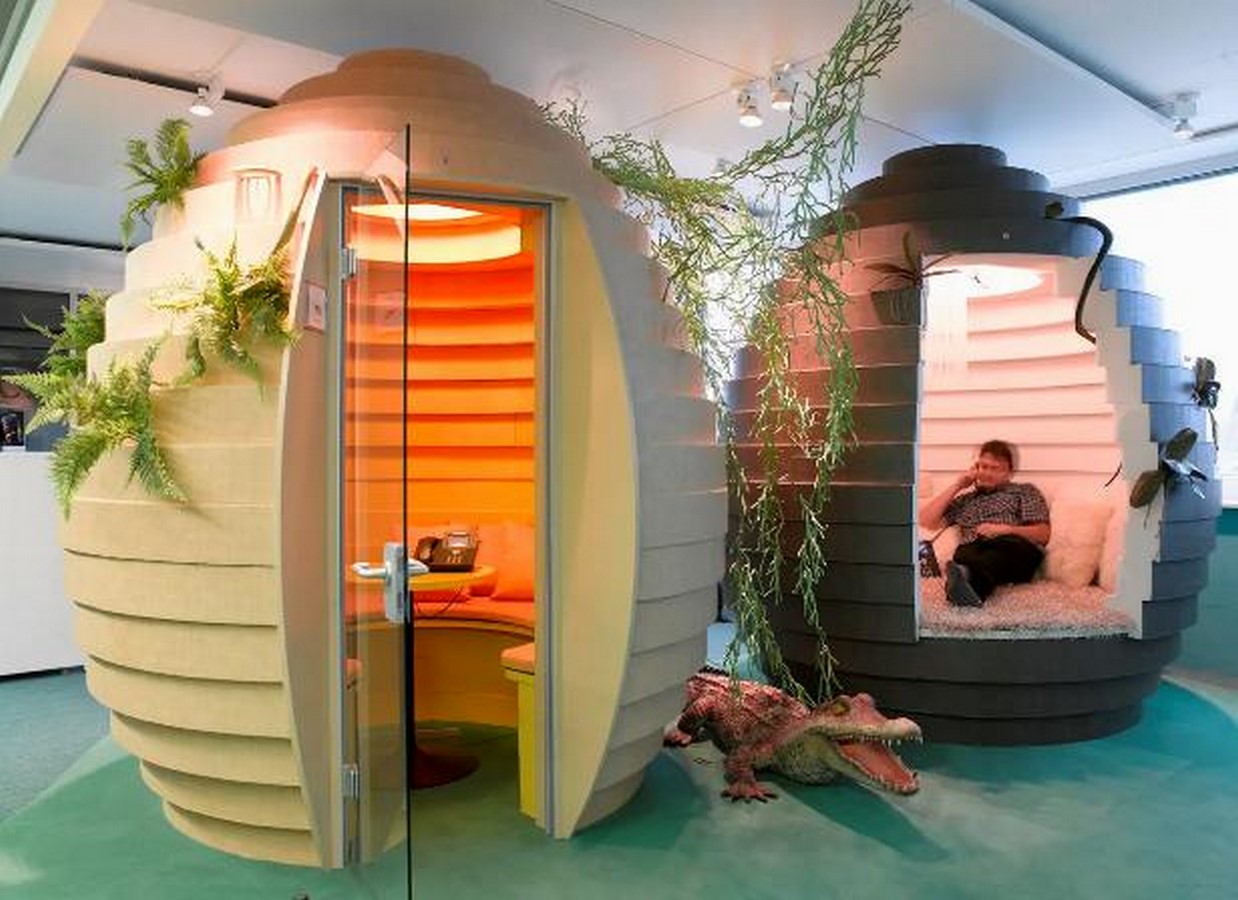
The architectural features not only act as design elements or just another space in buildings, but also act as an escape from troubled sleep schedules. Designing with the intent to provide a silent, dark space with warmth yet dim lighting, as the environment of the space psychologically relaxes the mind of a person.(Ko, Glazier, 2023) The use of multiple layers to block light from natural sources creates sleep-conducive environments to overcome the biological challenges that function as resting nodes in a working environment .(night owling, 2024)
These design intents also play a significant role in anchor sleep strategy, where workers can directly rest after shifts. The designs can incorporate biophilic elements, such as green walls, indoor gardens, or outdoor terraces creates a calming buffer that reduces stress and acts as a mental break.(Fig.2) The incorporation of natural elements within designs creates mental sensations in a positive way that leads to stress reduction and relaxation of mental stimulations ( Yin , Yuan , Arfaei , Catalano , Allen, Spengler , 2020)
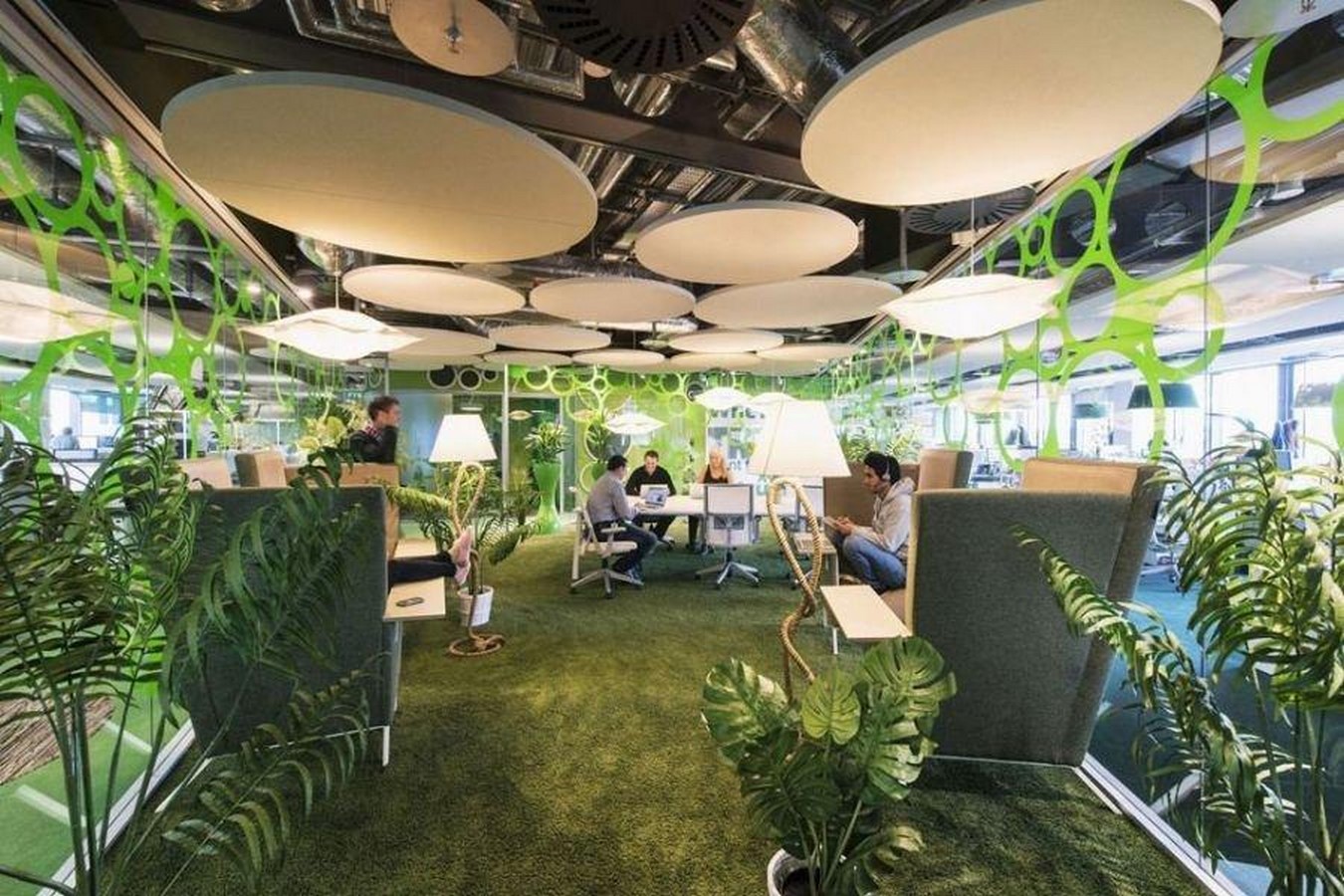
Architecture for the shift work system, sleep deprivation, and irregular rhythms within the city, not only acts as a design strategy but also a 24/7 medical necessity for the workers who struggle in daily life due to irregular work schedules and disturbed sleep health. By designing with adequate lighting elements, nature incorporations within work places, the public’s mental health is prioritized, and hence a positive impact on human well -being is made.
Reference list:
- Abondio, J. (2024) https://www.longdom.org/open-access/shift-work-sleep-disorder-guide-the-challenges-of-irregular-work-hours-1101098.html (Accessed: 15 January 2026).
- Origin (2026): https://www.originsuperior.com/blog/what-is-a-live-work-space (Accessed: 17 January 2026).
- Formcraft (2025) https://formcraft.com/the-psychology-of-space-how-design-shapes-employee-behavior/ (Accessed: 17 January 2026).
- Night Owling (2024) https://nightowling.com/sleep-strategies-for-night-workers-your-guide-to-better-rest/ (Accessed: 16 January 2026).
- Glazier, E. and Ko, E https://www.uclahealth.org/news/publication/embrace-darkness-better-nights-sleep (Accessed: 17 January 2026).
- Yin ,Yuan , Arfaei ,Catalano , Allen, Spengler (2020) https://www.sciencedirect.com/science/article/pii/S0160412019336347 ( Accessed:18 January , 2026)
For images:
- BillionBricks, 2024. https://billionbricks.org/blog/make-it-work-an-easy-practical-guide-to-biophilic-designs-in-offices/ [Accessed 17 January 2026].
- Booqed, 2023. https://www.booqed.com/blog/six-alternative-uses-for-your-office-pods [Accessed 17 January 2026].