Urbanization is one of the most significant trends of the 21st century. By 2050, almost 70% of the world’s population will be living in cities. But what does this shift signify? Is this shift enhancing our quality of life? Is the ever- evolving progressive life in cities more content than “primitive rural life “?
The most important question is how we define life.
Morden Infrastructure driven Economic- centric Urban planning approach morphs our cities into a seamless machine. Over the years, various modifications like nature-based solutions and biophilic urbanism have tried to define cities as living organisms. Recent interdisciplinary research has proved that in the modern-day economic-centric urban planning model, urban parks, community gardens, and open green spaces are not only amenities but acts as a critical junction of urban therapy, helping us reconnect with nature.
Rethinking Urban Life
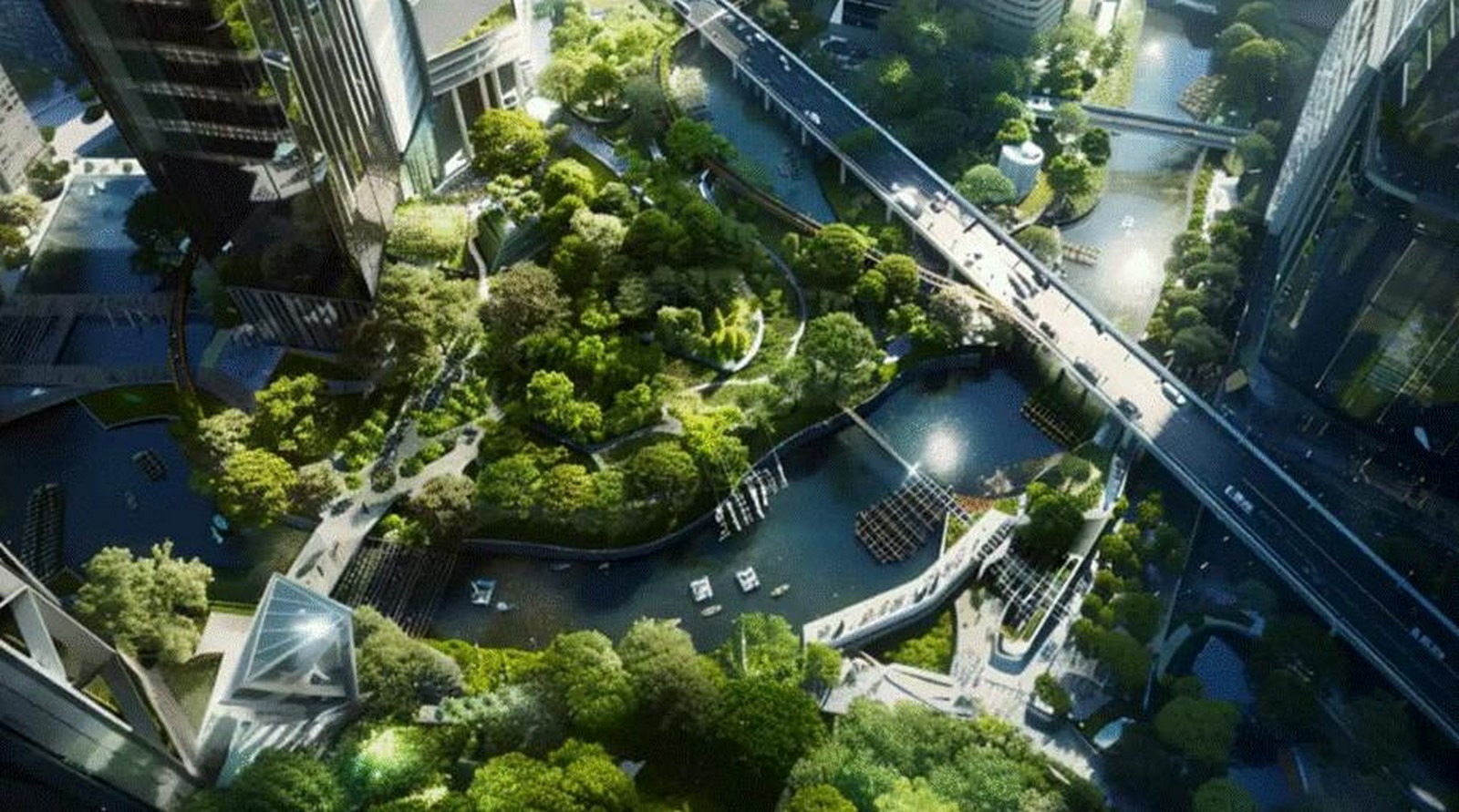
Historically, one can see human settlements and towns being planned along with natural resources like rivers. Blue-green infrastructure was instinctively part of daily human life. Along with historic evidence, one of the core beliefs of biophilia, being human predispositions towards nature also defines human life content when lived in harmony with nature. Humans were not meant to share nature with other species but to co-exist.
The nature-devoid urbanisation strategy created environmental and social difficulties as cities grew in size.
The loss of natural habitats and pushed-to-extinction fauna has led to a decrease in urban biodiversity. The distance between people and nature is increasing, leading to health issues, “nature deficit disorder,” loneliness and isolation, and unequal access to natural spaces and beauty. Neurological and Psychological advancements validate this belief. Increasing exposure to nature by micro parks and urban gardens within 5 minutes walking distance reduces cortisol and depression (Tukel, 2025; Egbosimba, 2025). Garden therapy is effective in reducing anxiety, improving cognitive function, enhancing emotional resilience, and restoring identity, particularly in individuals with post-traumatic stress disorder, depression, psych-emotional exhaustion, dementia, and chronic illnesses. ( Tutova, H., Kunakh, O., & Zhukov, O., 2025).
Elizabeth & Nona Evans Restorative Garden, a Garden for Contemplation
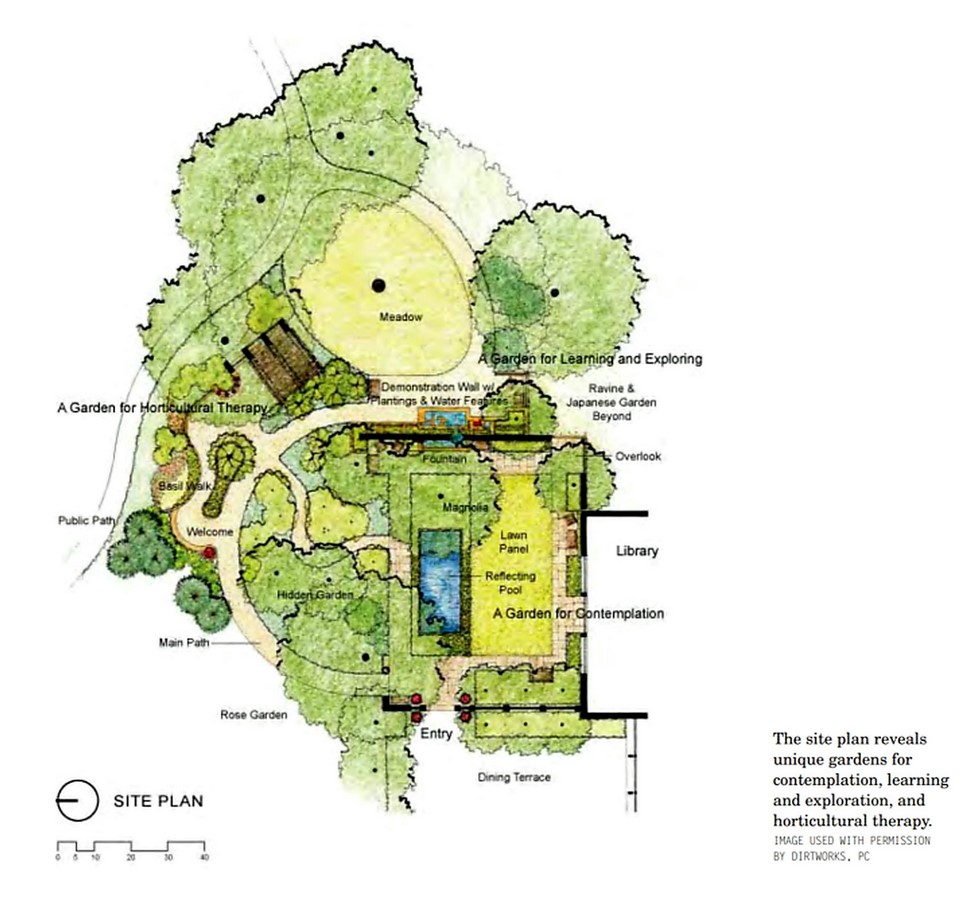
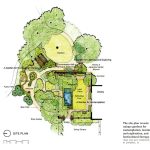
The Elizabeth and Nona Evans Restorative Garden at the Cleveland Botanical Garden demonstrates how well-conceived small-scale green spaces can serve as important tools for urban therapy. Imagined as a garden for meditation, it incorporates the sensuous in soft textures, water, and seasonal plant palettes to evoke peacefulness and contemplation. Unlike other leisure gardens, this garden emphasizes emotional recovery and mental peace to provide a haven for folks tired of urban overstimulation. Its design promotes unhurried movement, tranquil observation and social awareness, allowing for both isolation and communal recovery. Empirical literature on restorative environments shows that these gardens lower anxiety, enhance cognitive coherence, and reinforce feelings of belongingness through shared unaltered tranquillity. The Evans Garden is a living example of what can happen when urban green space, carefully planned and ecologically attuned, seamlessly merges landscape architecture and mental healthcare, turning ordinary spaces used for public good into sanctuaries for psychological and social renewal.( Guizzo A. 2019)
Singapore – Park Connector Network and “City in a Garden” model
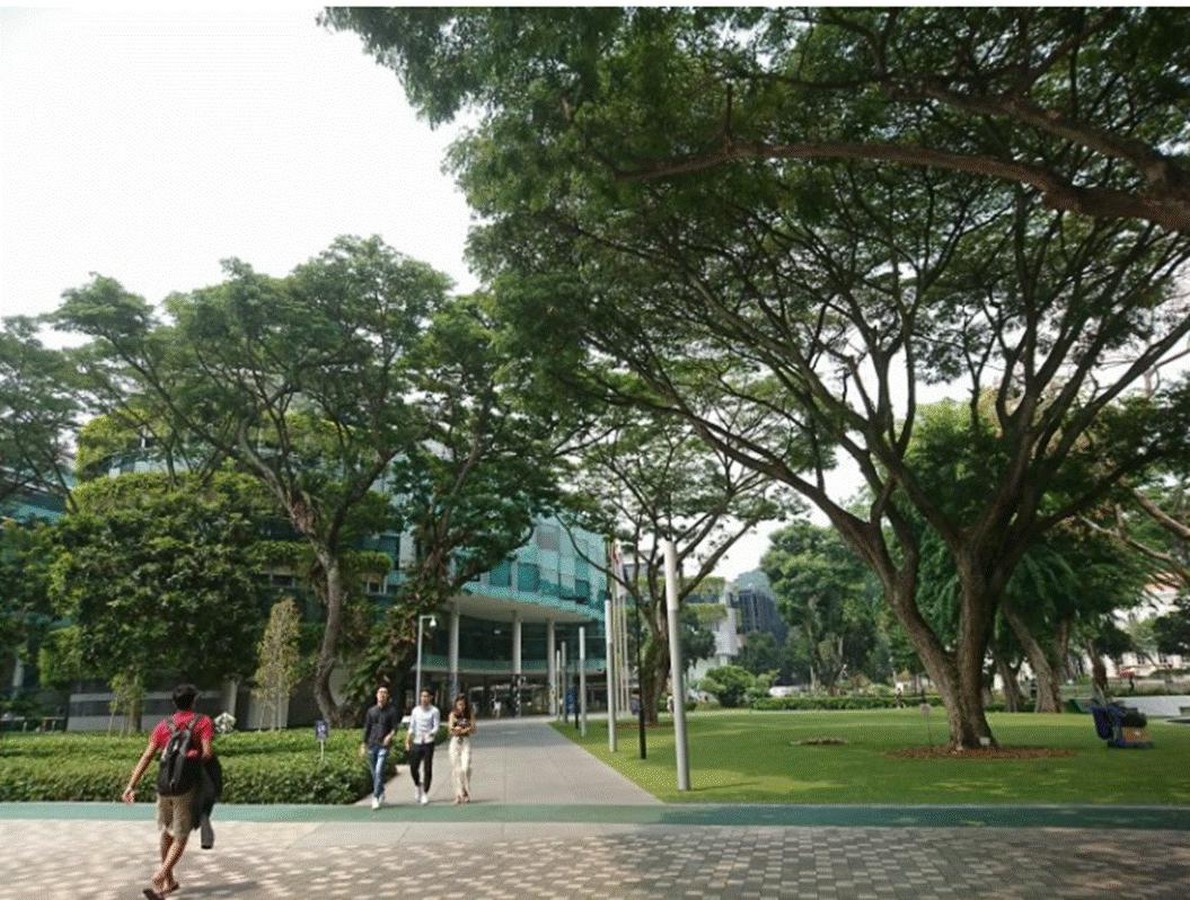
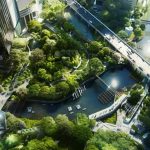
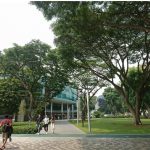
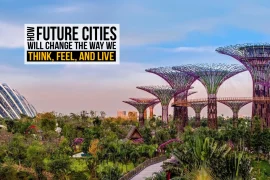
The Park Connector Network (PCN) and the visionary “City in a Garden” concept of Singapore provide an example of the power of urban planning to make entire cities into living systems that offer green therapy. Intended to knit together parks, shorelines and neighborhoods, the PCN forms a web of nature that acts as an uninterrupted ecological and social infrastructure for daily mental refreshment. Because residents can bike or walk or just stop to sit down in green and shaded corridors, the areas encourage physical activity as well as psychological restoration. This is more than aesthetics; it’s about integrating city infrastructure with well-being. Proximity to green connectors in Singapore is associated with reduced stress, a stronger sense of community, and higher levels of satisfaction with life. The dramatic marriage of natural and impression by the accessibility project coexist with nature, to strengthen ecological empathy. Overall, Singapore’s model shows that large-scale urban greening, fuelled by restorative expertise, can transform packed urban settings into soothing landscapes—urban places where city life and mental health flourish in optimal balance. (Tan.k.2004)
Warsaw, Poland’s 300-Metre Green Space
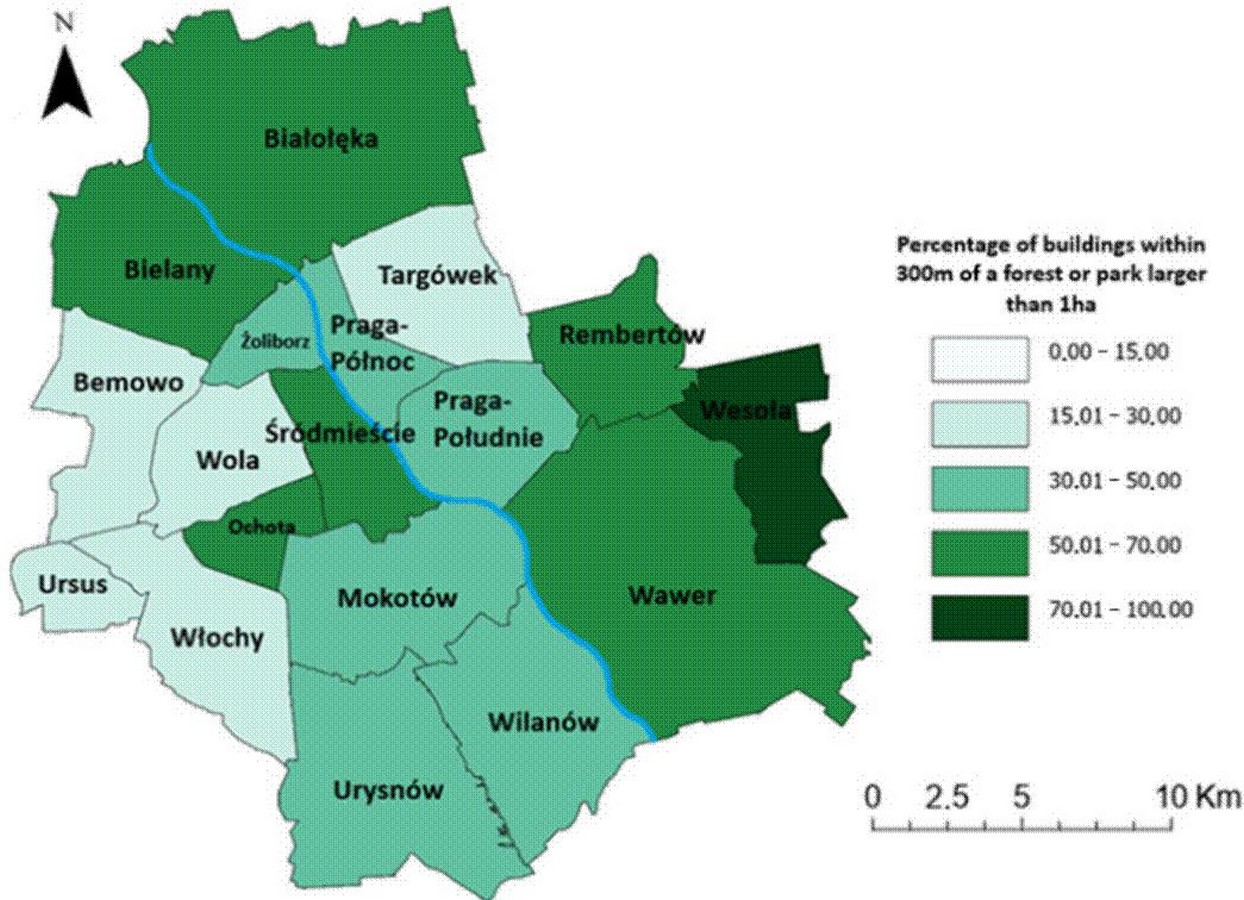
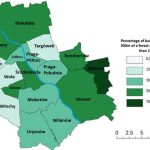
Warsaw, Poland’s “300-Metre Green Space” intervention is an interesting example of urban therapy as a response to nature. Based on the city’s post-communist regeneration plan, it requires that all of Warsaw’s residents should live within 300 meters of a park or green space. This policy is one centered around humans, instead of forcing urban greenery to be mere decoration rather than essential mental health infrastructure. Research conducted by Warsaw’s department of urban planning shows that communities that meet this green-distance norm have lower anxiety rates, higher civic activity, and stronger social cohesion. Small, well-distributed green spaces from pocket gardens to reclaimed riverbanks, are both places of reprieve as well as recreational and social opportunities. By merging biophilic design with the everyday, Warsaw shows us how small green remedies can produce big psychological and social results. The city’s approach reframes well-being as spatial equity,so that healing exposure to nature is democratized, a daily experience for all rather than a rarefied luxury.( Mościcka A. , Wyrzykowski B. 2024)
Citations:
GuizzoP, A.O. (2024) Elizabeth & Nona Evans Restorative Garden, a garden for contemplation, NeuroLandscape. Available at: https://neurolandscape.org/2019/10/01/elizabeth-nona-evans-restorative-garden-in-cleveland-a-garden-for-contemplation/ (Accessed: 12 January 2026).
Nicolaescu, A. (2021) The importance of therapeutic gardens within the urban tissue: Networknature, Oppla. Available at: https://networknature.eu/networknature/article/importance-therapeutic-gardens-within-urban-tissue (Accessed: 12 January 2026).
Nieuwenhuijsen, M.J. et al. (2022) ‘The evaluation of the 3-30-300 green space rule and mental health’, Environmental Research, 215, p. 114387. doi:10.1016/j.envres.2022.114387.
Smith, N. et al. (2022) Urban Blue Spaces as therapeutic landscapes: ‘a slice of nature in the city’, International journal of environmental research and public health. Available at: https://pmc.ncbi.nlm.nih.gov/articles/PMC9690541/ (Accessed: 12 January 2026).
Tan, K.W. (2006) ‘A Greenway Network for Singapore’, Landscape and Urban Planning, 76(1–4), pp. 45–66. doi:10.1016/j.landurbplan.2004.09.040.
Wyrzykowski, B. and Mościcka, A. (2024) Implementation of the 3-30-300 green city concept: Warsaw case study, MDPI. Available at: https://www.mdpi.com/2076-3417/14/22/10566 (Accessed: 12 January 2026).