The rapid pace of urbanization has transformed the landscape of human habitation, with more than half (56%) of the world’s population now residing in urban cities. While urbanization brings opportunities for economic growth and cultural exchange, it also presents significant challenges to public health. Sprawling cities characterized by congestion, pollution, and sedentary lifestyles have contributed to a rise in chronic diseases and diminished overall well-being among urban dwellers.
In response to these challenges, urban planners and policymakers are increasingly turning their attention to the role of urban design in promoting public health. By reimagining the built environment, cities have the potential to become catalysts for healthier living, fostering communities that prioritize active transportation, access to green spaces, and clean air. This article explores the intricate relationship between urban design and public health, spotlighting key strategies for fostering healthier, more vibrant cities.
Urban design is often seen as the art of creating visually appealing cities. While aesthetics are undoubtedly important, true urban design goes beyond mere appearances. It is about creating spaces that resonate with people, spaces that evoke a sense of joy, tranquillity, and connection. It is about designing streets that invite pedestrians to stroll, parks that beckon children to play, and plazas that encourage social interaction. In essence, urban design is about creating a canvas on which the daily lives of city dwellers unfold – a canvas that is both beautiful and functional.

Creating Healthy Cities: The Art of Urban Design
What makes a city truly healthy? Is it the gleaming skyscrapers, the bustling streets, or the green spaces that offer a respite from the concrete jungle? The answer, it seems, lies in the harmonious blend of these elements, carefully orchestrated to create a city that not only functions efficiently but also nurtures the well-being of its inhabitants. As urban planners, urban designers, and policymakers, it is our responsibility to design cities that not only look beautiful but also feel soulful – cities that breathe life into their surroundings and inspire a sense of belonging.

Designing for Well-Being
At the heart of urban design lies the concept of well-being. But what does well-being mean in the context of a city? For some, it may be access to green spaces and clean air. For others, it may be a sense of safety and security. For many, it is simply the ability to move freely and comfortably within their surroundings. As urban designers, it is our job to ensure that these elements are not just afterthoughts but integral components of our designs. It is about creating cities that prioritize the well-being of their inhabitants above all else.
Embracing Diversity and Inclusivity
A healthy city embraces diversity and inclusivity in all its forms. It’s about creating spaces that are accessible to people of all ages, abilities, and backgrounds. By designing streets, parks, public spaces, and neighborhoods that are safe and welcoming for everyone, cities can foster a sense of belonging and community cohesion.


Walkable Neighborhoods
A cornerstone of healthy urban design is the creation of walkable neighborhoods. Walkability refers to the ease and safety with which pedestrians can navigate their surroundings on foot. In walkable neighborhoods, essential amenities such as grocery stores, schools, and healthcare facilities are within easy walking distance, encouraging residents to incorporate physical activity into their daily routines.
Several design principles contribute to the development of walkable neighborhoods:
- Mixed-Use Development: Incorporating a mix of residential, commercial, and recreational spaces within close proximity promotes pedestrian activity and reduces reliance on cars. This integration of diverse land uses creates vibrant, active streetscapes that cater to the needs of residents and visitors alike.
- Pedestrian Infrastructure: Sidewalks, crosswalks, and pedestrian-friendly intersections are essential components of walkable neighborhoods. Well-designed pedestrian infrastructure not only enhances safety but also encourages walking as a preferred mode of transportation.
- Compact Urban Form: Dense, compact urban development minimizes sprawl and encourages shorter travel distances. This urban form reduces the need for long commutes and fosters a sense of community by bringing people closer together.
- Safety and Accessibility: Ensuring the safety and accessibility of pedestrian pathways is crucial for promoting walkability. Well-lit streets, visible signage, and accessible pathways enhance safety and inclusivity, making walking an attractive option for people of all ages and abilities.
Case studies from cities such as Copenhagen, Amsterdam, Barcelona, and Portland demonstrate the transformative impact of prioritizing walkability in urban planning. By prioritizing pedestrians over cars, these cities have not only reduced traffic congestion and air pollution but also promoted physical activity and social interaction among residents.

The Vitality of Green Spaces
Green spaces are the vibrant heartbeats of cities, pulsating with life and vitality. They are not mere patches of greenery but thriving ecosystems that breathe life into urban landscapes. Whether they take the form of lush parks, bustling community gardens, or innovative green rooftops, these spaces are essential for our physical and mental well-being. They offer a sanctuary from the hustle and bustle, a place to unwind, connect with nature, and recharge. Moreover, they play a crucial role in purifying the air we breathe, mitigating the urban heat island effect, and providing habitats for wildlife.
In today’s fast-paced urban environments, green spaces are more than just luxuries; they are necessities. They are places where children can play, families can picnic, and communities can come together. In addition to walkable neighborhoods, access to green spaces is not just a matter of convenience; it is a matter of public health. Studies have shown that exposure to green spaces can reduce stress, improve mood, and even enhance cognitive function. As cities continue to grow and develop, it is imperative that we prioritize the preservation and creation of green spaces. They are not just spaces; they are lifelines, enriching our lives and sustaining our cities for generations to come.
Key considerations for enhancing access to parks and green spaces include:
- Equitable Distribution: Ensuring that parks are distributed equitably across urban areas, with a focus on underserved communities, helps address disparities in access to nature and recreational opportunities.
- Quality and Quantity: Investing in the creation and maintenance of high-quality parks with a diverse range of amenities, such as playgrounds, sports fields, and walking trails, encourages active living and fosters community cohesion.
- Integration with Nature: Designing parks that incorporate natural elements such as trees, water features, and native vegetation enhances biodiversity and provides psychological benefits, such as stress reduction and improved mental health.
- Accessibility: Designing parks with universal accessibility in mind, including features such as wheelchair-accessible pathways and inclusive playground equipment, ensures that all residents can enjoy the benefits of green spaces.
Cities such as Singapore, Vancouver, and Barcelona have embraced innovative approaches to park design and management, resulting in vibrant green spaces that enhance the health and well-being of residents while promoting environmental sustainability.

Strategies for Pollution Reduction
Pollution poses a significant threat to public health in urban areas, contributing to respiratory illnesses, cardiovascular disease, and premature mortality. Urban planners play a crucial role in implementing strategies to mitigate pollution and create healthier urban environments.
Effective strategies for reducing pollution include:
- Promoting active transportation, such as walking, cycling, and public transit, reduces pollution by encouraging sustainable commuting. This involves expanding pedestrian walkways, cycling lanes, and public transit networks to reduce reliance on private vehicles. Additionally, educational campaigns and incentives can promote a cultural shift towards more sustainable commuting habits. Active transportation not only reduces pollution but also promotes public health and can lead to economic benefits through reduced healthcare costs and increased productivity.
- Green infrastructure in urban planning uses nature-based solutions to reduce pollution. This includes green roofs and walls, which capture pollutants, mitigate urban heat islands, and improve insulation. Permeable pavements allow rainwater to infiltrate the ground, reducing runoff and pollutant transport. Urban parks and green spaces enhance urban aesthetics, provide habitats for biodiversity, and offer recreational opportunities, improving overall well-being.
- Vehicle regulations are crucial for reducing pollution in urban areas. This includes enforcing strict emissions standards, conducting regular inspections, and maintaining vehicles to limit the release of harmful pollutants. Congestion pricing schemes discourage unnecessary travel and reduce emissions by charging vehicles for entering designated areas during peak hours. Incentives such as tax breaks and subsidies for purchasing electric or hybrid vehicles promote cleaner technologies and further reduce pollution levels in cities.
- Urban forestry plays a crucial role in reducing pollution in urban areas. Trees act as natural air filters, absorbing pollutants like carbon dioxide and nitrogen oxides, improving air quality, and reducing health risks associated with pollution exposure. Trees also help regulate temperatures by providing shade and evaporative cooling, reducing the need for energy-intensive air conditioning and lowering greenhouse gas emissions. Additionally, urban forestry supports biodiversity conservation by providing habitats for various plant and animal species, enhancing ecological resilience, and improving overall urban ecosystem quality.

Paving the Way to Health
The endeavour to design a healthy city transcends mere functionality or aesthetics; it’s about creating a nurturing environment that fosters the well-being of its inhabitants in every aspect. It’s about crafting spaces that are not just visually appealing but also profoundly enriching to interact with. It’s about cultivating a city with a soul – one that inspires, elevates, and sustains its residents for generations.
As urban designers, architects, and policymakers, we hold the profound responsibility of ensuring that our cities are not only liveable but also lovable – places where people take pride in calling home. The fusion of urban design and public health presents a promising avenue toward building healthier, more sustainable cities. By prioritizing walkable neighborhoods, ensuring equitable access to green spaces, and implementing strategies for pollution reduction, cities can significantly enhance the quality of life for their residents while tackling pressing public health challenges.
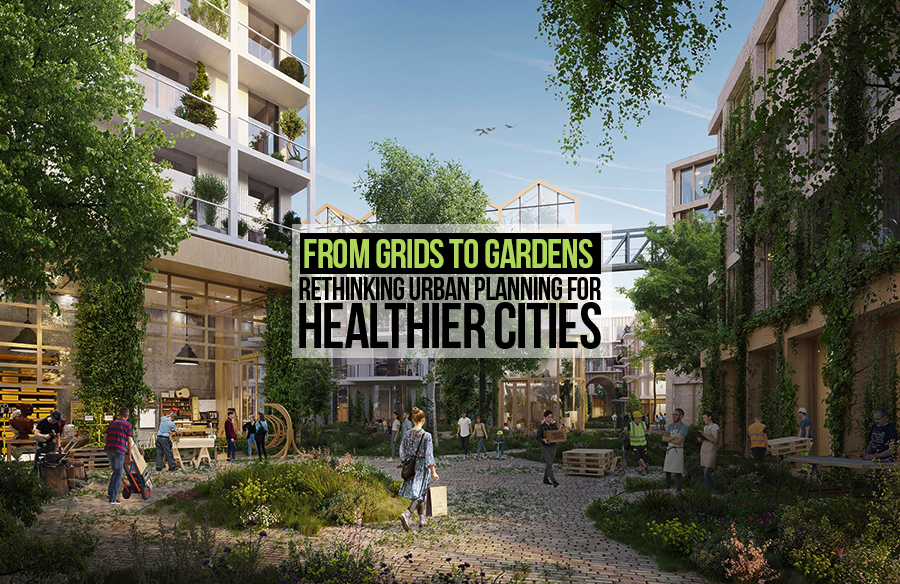
Navigating the complexities of urbanization requires collaborative efforts among policymakers, planners, and designers to reshape the built environment in ways that prioritize the health and well-being of all urban inhabitants. Embracing the principles of healthy urban design can transform cities from rigid grids into vibrant, green spaces that nurture both people and the planet.