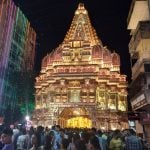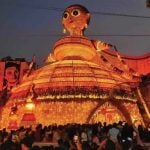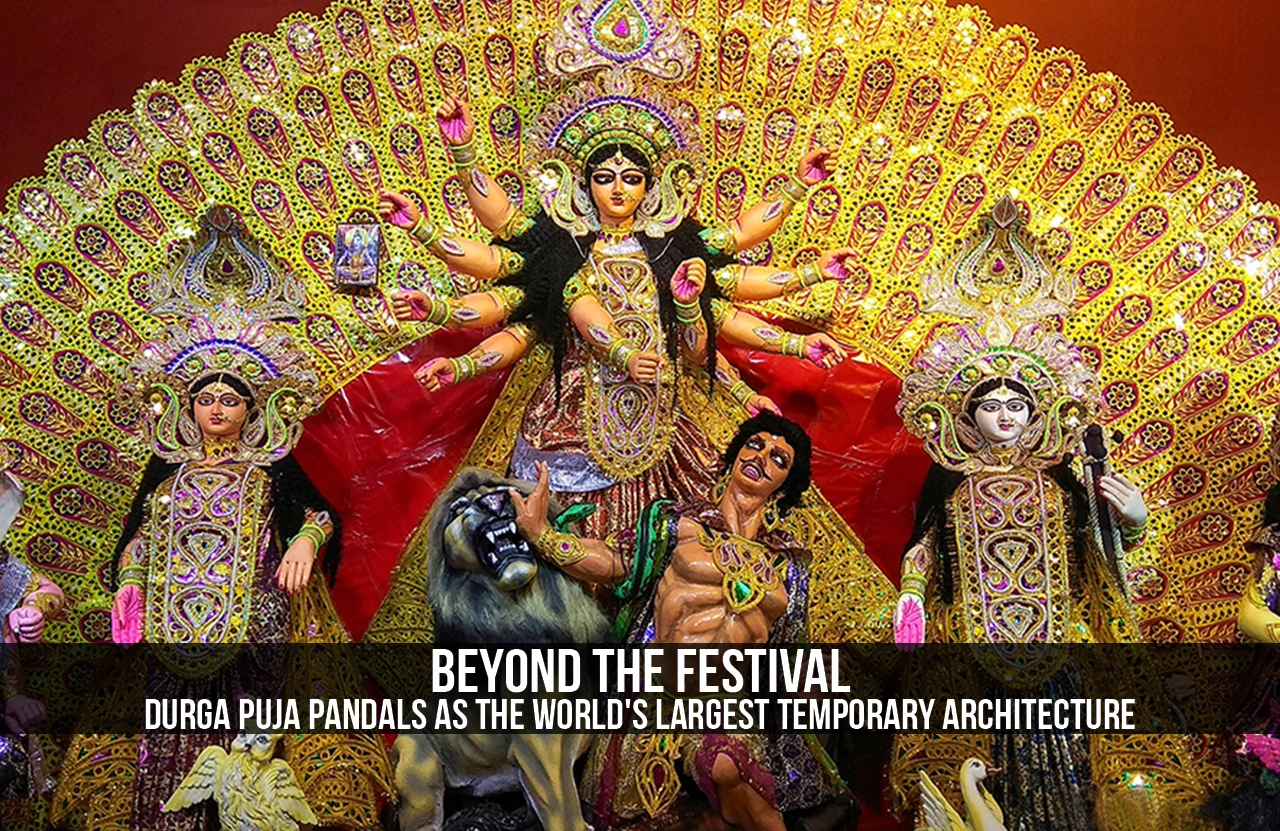
Every harvest, Kolkata undergoes an architectural transformation. Streets that are usually buzzing with traffic become pedestrian promenades, neighbourhood parks turn into exhibition halls, and clubs around the city prepare for a competition of their own as the temporary structures that come overnight attract millions of visitors from across the world. The festival of Durga Puja is not just a homecoming celebration but also a platform for the efforts and results of craftsmanship, architecture, and community participation. Amidst all the chaos and celebrations of transformation lies the Durga Puja pandal – a temporary structure that transcends its role as a shelter for worship and becomes a medium of storytelling, innovation and public engagement.
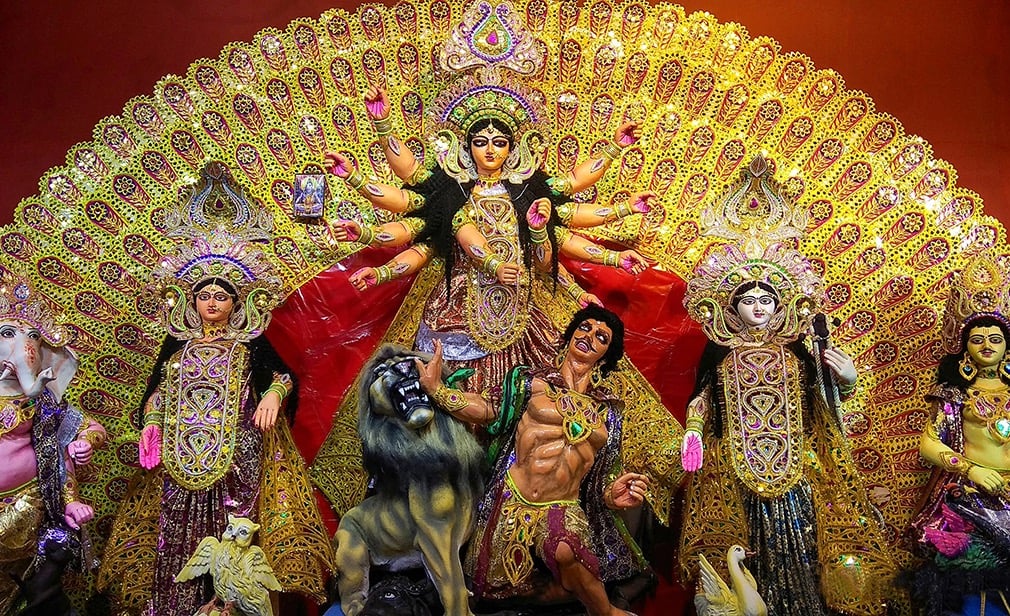
In 2021, UNESCO inscribed Durga Puja in Kolkata on the representative list of the intangible cultural heritage of humanity, recognising not only its religious importance but also the contribution to its cultural identity, social cohesion and artistic journey. Every year, more than 3000 theme Pandals are built across Kolkata, and each of them has a unique narrative. These structures exist only for a few days and are dismantled later on, but they still leave a lasting memory that influences contemporary discussions on temporary architecture and the use of public space.
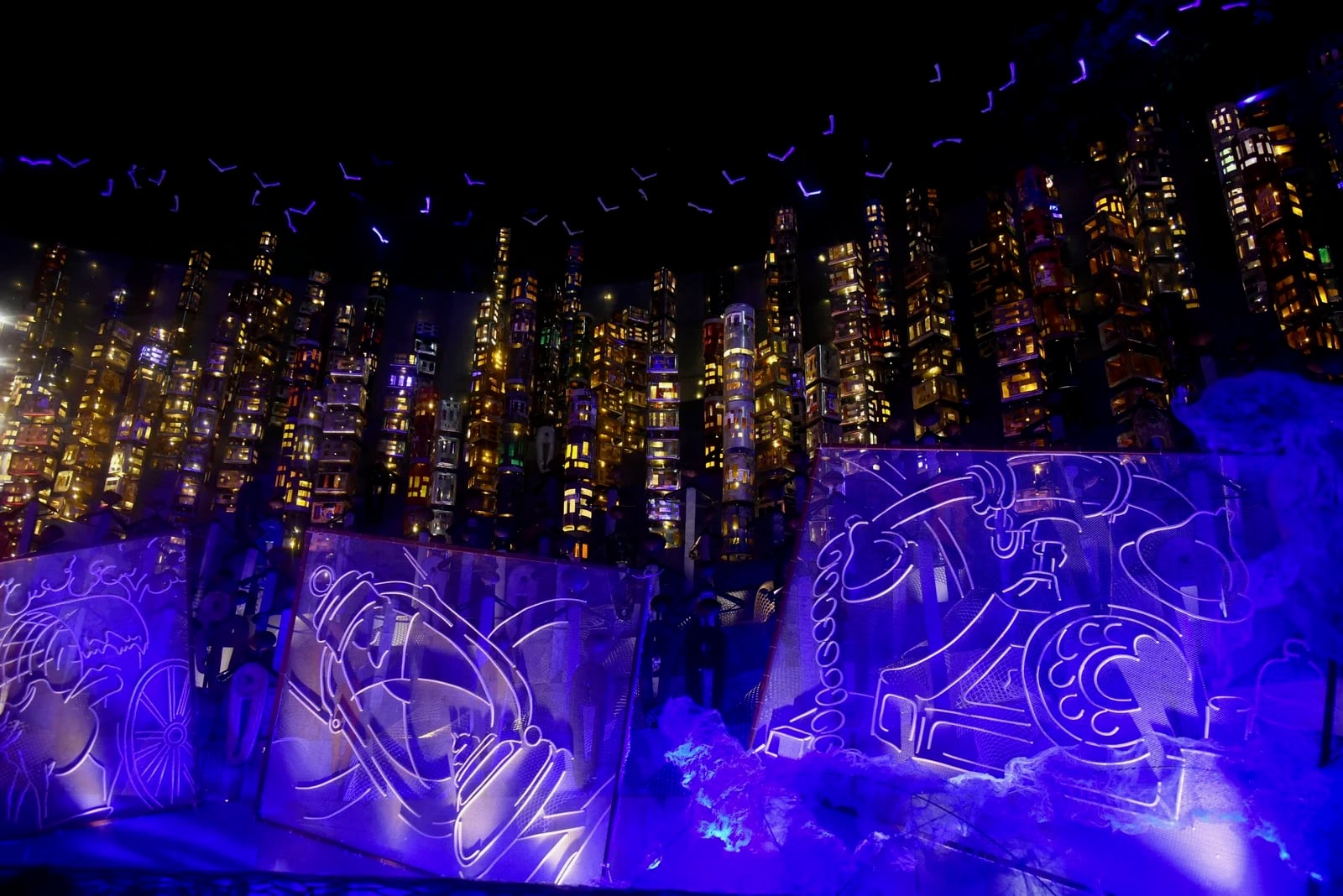
One among these is Suruchi Sangha, which stands out as one of Kolkata‘s most celebrated and unique Puja committees. A lot of pandals in Kolkata focus more on grandeur and accommodating a large crowd, but when it comes to Suruchi Sangha, it constantly uses architecture as a medium to celebrate India’s cultural diversity and the different types of craftsmanship, identifying the regional values. Through careful reviews of themes and engaging spatial experiences, the pandal not only demonstrates that temporary architecture can house cultural appreciations but also respond to the emotional and functional needs of the user.
Designing an experience rather than a structure
Unlike the modern buildings that are designed for durability, a Durga Puja pandal is more about a user experience. Visitors are not expected to just observe the structure but are allowed to move through it, interact with it and become a part of its storytelling. There’s also an alliance with the contemporary ideas of experiential architecture, where spatial design brings out the curiosity and emotions and also leaves an impression for a user.
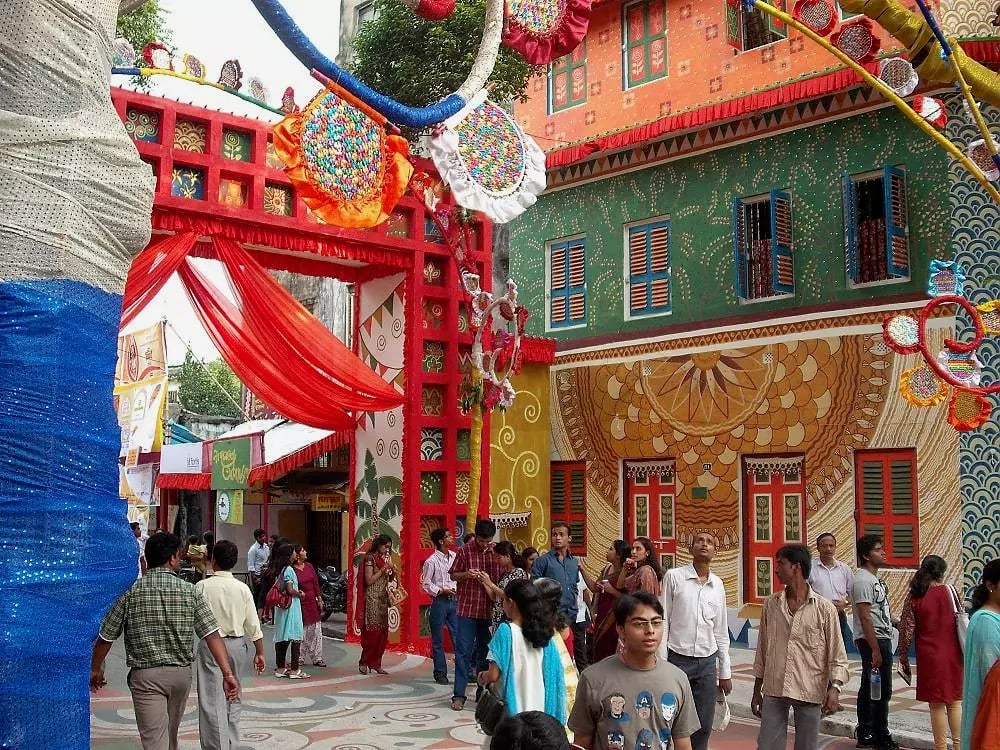
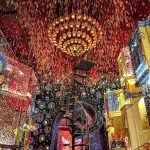
Every Suruchi Sangha pandal begins with a central concept. Over the years they’ve developed and celebrated a lot of traditions, craftsmanship and different lifestyles not just across India but across the world. Some of the most notable concepts were inspired by the houses in Nagaland, the temples of South India and also the traditions and folklore of Rajasthan that extends beyond visual replication and attempts to recreate an atmosphere which allows the visitor to just experience the place.
Community, Culture and the Spirit of Inclusivity
When somebody visits a place they often look at how the place feels to them but when you visit the durga puja pandal it guides you through the choreographed spaces; entry points, circulation spaces art installations, lighting, ceiling frame views and eventual revelations of the idol are all designed to build anticipation and emotional engagement. This makes the pandal different from other religious structures. Every year it’s different from the previous, allowing the designer to experiment and try out new materials, new construction techniques and an entirely different narrative for the structure.
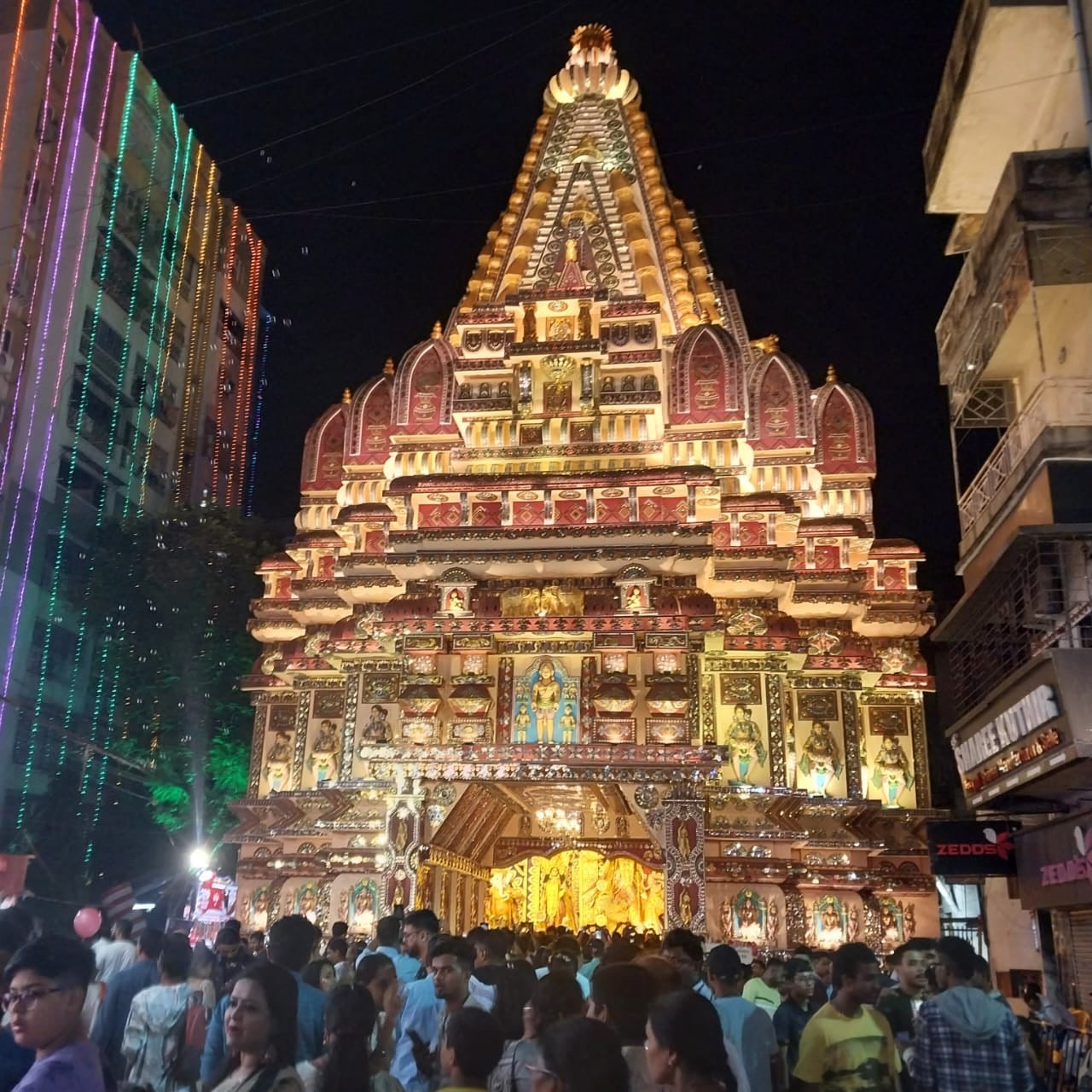
Although often described as a competition between the neighbourhood clubs, it extends far more beyond just the best pandal design for the year; the true success or achievement of a pandal lies in its ability to bring people together and closer from different backgrounds to a shared cultural experience, and one of the most famous aspects of Durga Puja is its inclusivity.
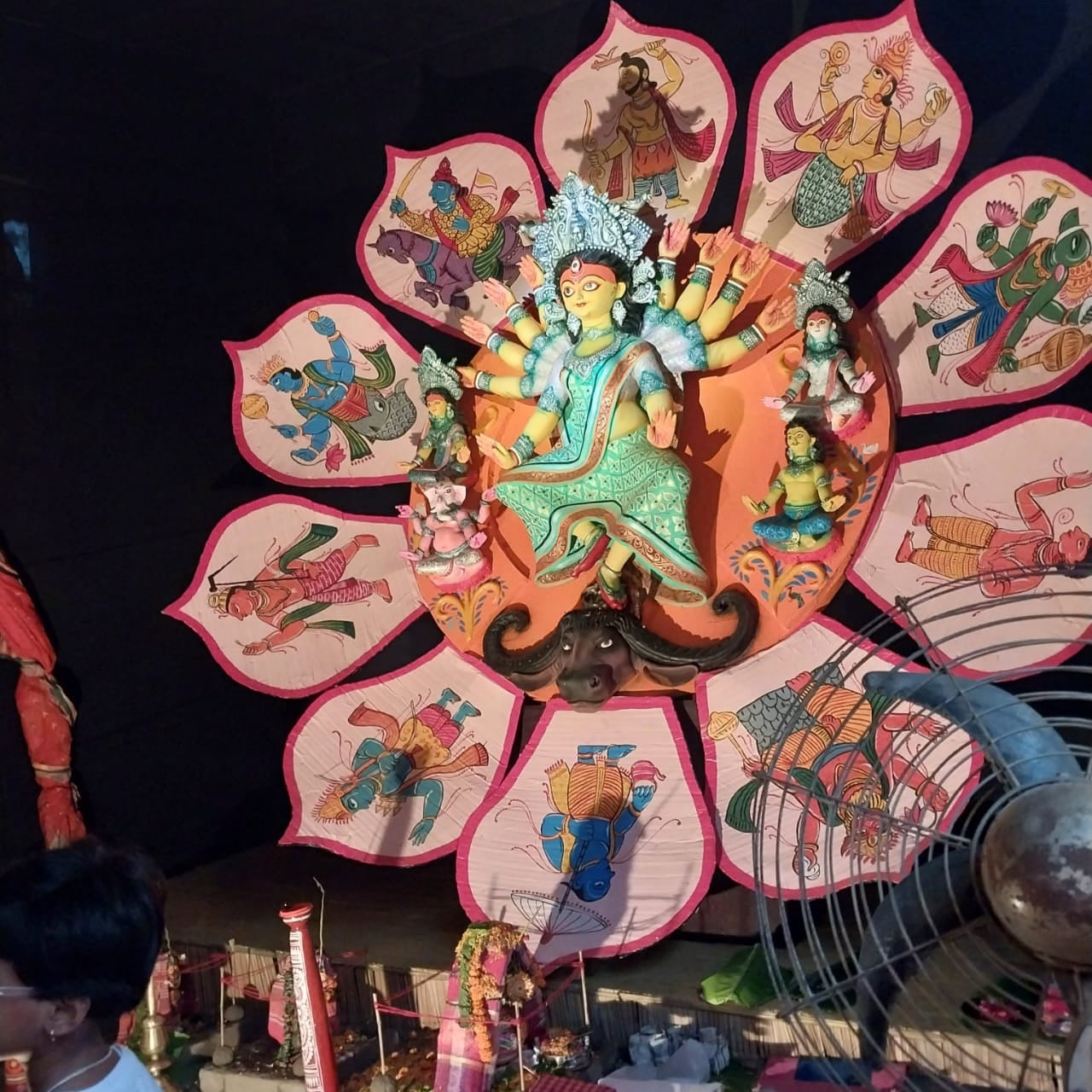
Families, photographers, students, and tourists all queue together regardless of their religion, social status, or emotional background. The structure becomes a democratic public space where everybody participates equally.
Suruchi Sangha is a remarkable example of selecting themes that celebrate India’s diverse culture rather than focusing just on large monuments. The pandals become educational spaces where visitors encounter different art forms, indigenous materials, and disappearing cultural practices. There is also a medium to preserve the culture and create public awareness.
The architecture of the pandal enhances the atmosphere with music, traditional performances, and food stalls.
Novelty Through Temporary Constructions
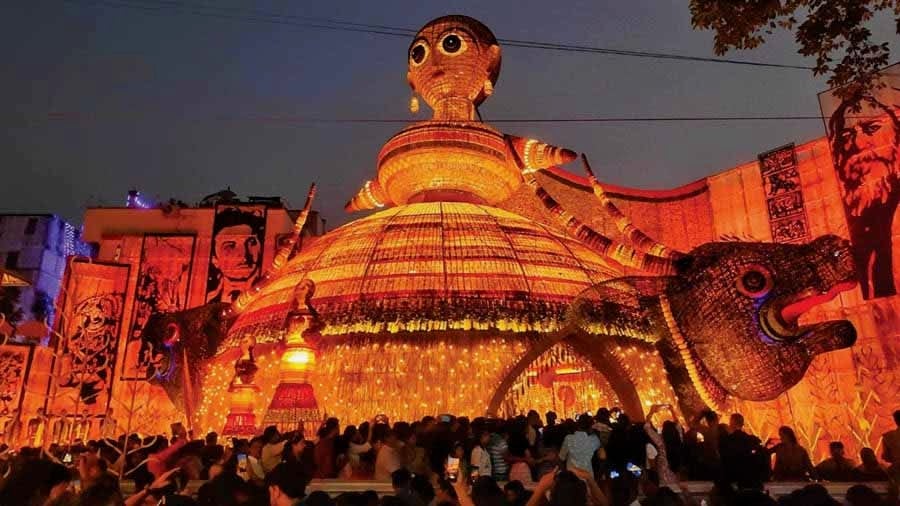
Although the pandals exist only for a few days, the planning begins 6 to 8 months in advance, bringing together architects, artists, structural engineers, sculptors, and many more people. So as a primary structure of material due to its strength flexibility affordability and also keeping sustainability in mind which are supported by rope joints and modular construction technique each Pandal has its own concept and depending on that materials such as jute, clay, timber and recycled elements combined with lighting and projection create immersive environments despite being temporary, the Pandal is an amazing experimental design that strikes a balance between innovation utility and user experience because it must adhere to stringent structural regulations that preserve crowd control and fire safety.
Sustainability beyond Material Reuse
Apart from material reuse and sustainability factors, one must also keep in mind social sustainability. Although pandal construction supports thousands of artisans, electricians, bamboo workers, local businesses, etc. Suruchi Sangha, in particular, promotes regional art forms by collaborating with artisans from across India, transforming temporary architecture into a cultural preservation form.
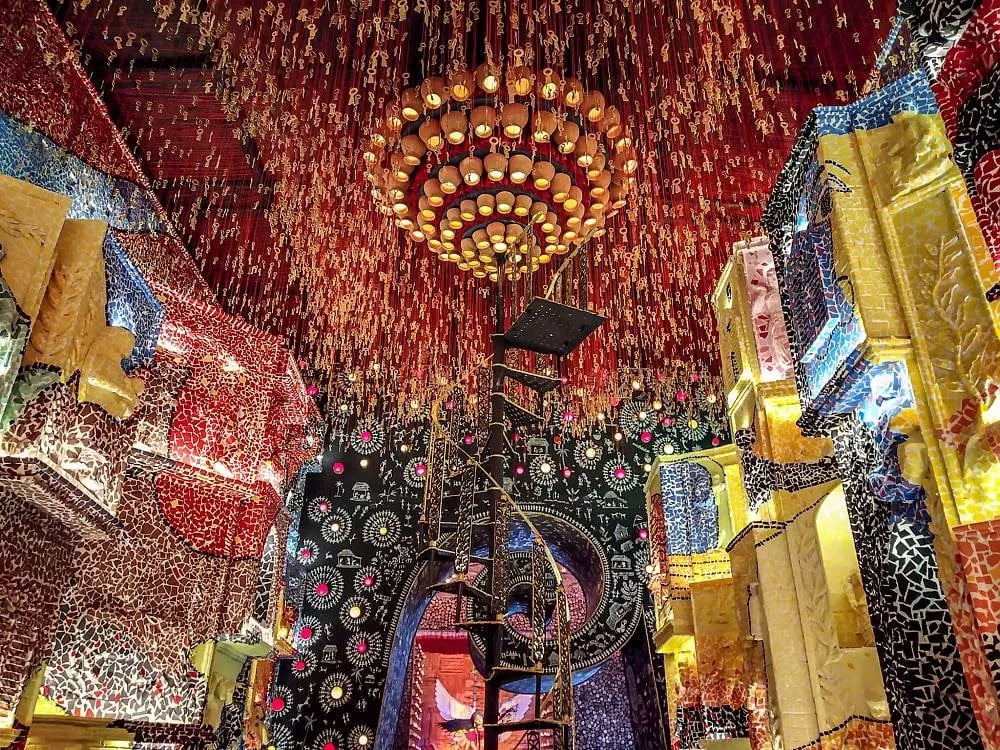
Durga Puja pandals challenge the notion that architecture must be permanent to be meaningful. The simple but meaningful Pandals demonstrate how temporary structures can create a lasting emotion, connecting through storytelling, public engagement, and cultural identity by integrating sustainability and flexible construction, while also keeping the user in mind. These spaces are not just experiential public spaces but something beyond that.
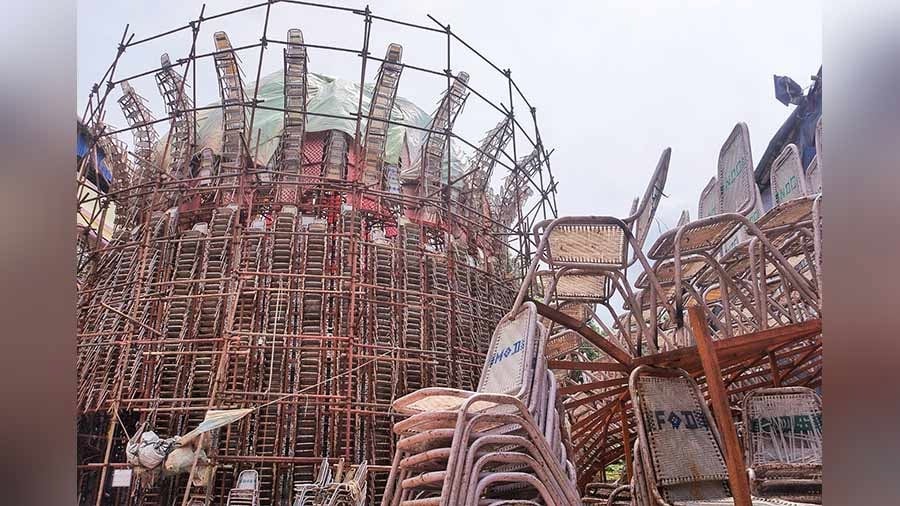
Even though these structures last for 5 days every year, they transform the city into a living gallery of temporary architecture. They showcase exceptional design, innovation, engineering, and craftsmanship ahead of their time. These pandals can educate, inspire, and unite people through different cultural experiences. Long after these structures are dismantled, they remain powerful reminders that architecture’s greatest impact is not on its permanence but in the memories and connections that it creates.
References:
- UNESCO (2021) Durga Puja in Kolkata – Representative List of the Intangible Cultural Heritage of Humanity. Available at: https://ich.unesco.org/en/RL/durga-puja-in-kolkata-00703 [Accessed: 2 August 2026].
- UNESCO (2021) Decision 16. COM 8.B.15: Durga Puja in Kolkata. Available at: https://ich.unesco.org/en/Decisions/16.COM/8.b.15 [Accessed: 2 August 2026].
- Guha-Thakurta, T. (2015) In the Name of the Goddess: The Durga Pujas of Contemporary Kolkata. New Delhi: Primus Books. [Accessed: 2 August 2026].
- Kronenburg, R. (2008) Temporary Architecture. Basel: Birkhäuser Architecture. [Accessed: 2 August 2026].
- Pallasmaa, J. (2012) The Eyes of the Skin: Architecture and the Senses. 3rd ed. Chichester: John Wiley & Sons. [Accessed: 2 August 2026].