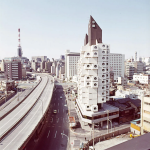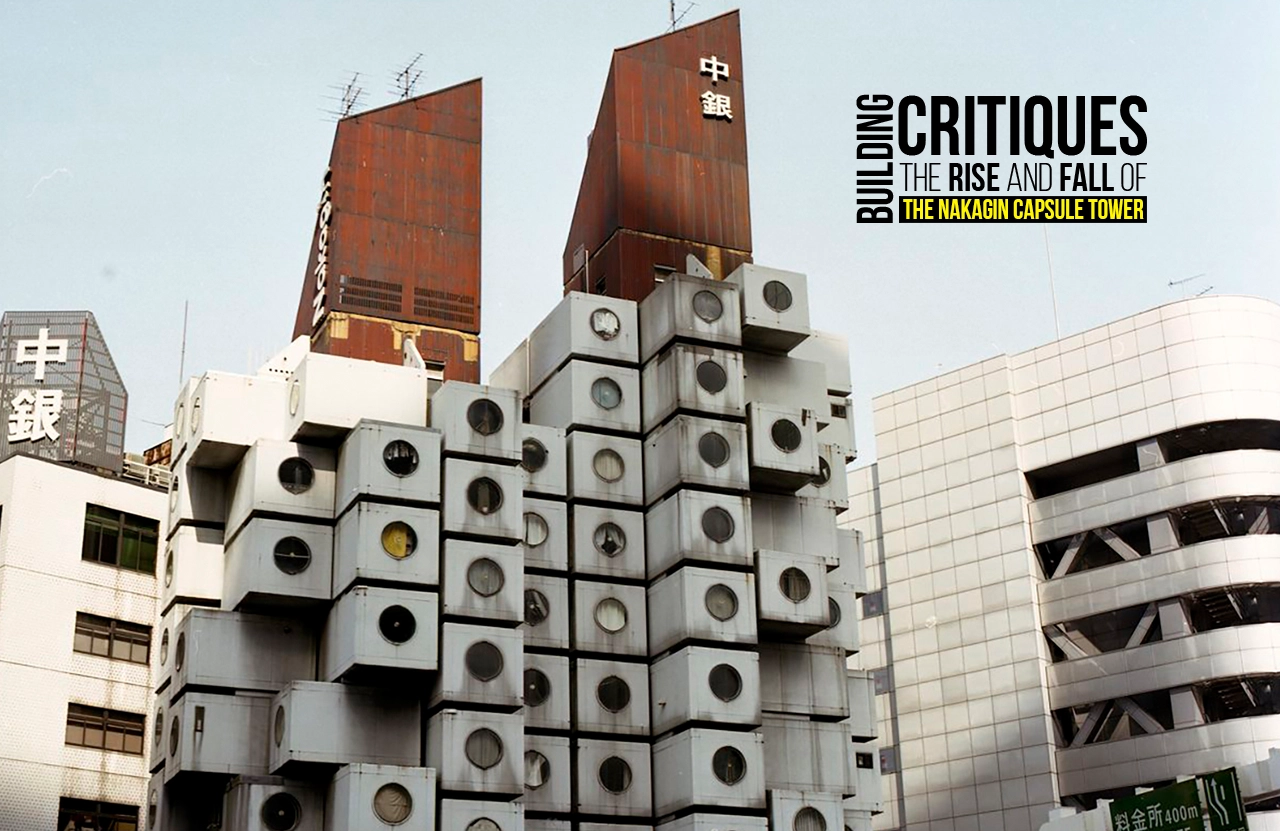
Architecture often reflects the ideas, technologies, and cultural values of its time. In rapidly growing cities, architects have repeatedly experimented with flexible building systems that can adapt to and reshape lifestyles and urban needs. One of the most notable examples of this vision was the Nakagin Capsule Tower in Tokyo (see fig. 1), designed by Kisho Kurokawa in 1972. This project became one of the most recognizable examples of the Japanese Metabolist movement, offering a futuristic approach to designing dynamic, ever-changing architecture in which modules can be plugged into the central core, replaced, or exchanged.
Through building critiques, projects like the Nakagin Capsule Tower help architects and scholars evaluate how experimental architectural ideas function in real life. Although the building initially signified technological optimism and architectural innovation, it later fell into disrepair and was demolished in 2022. This offers important lessons about maintenance, adaptability, and the link between visionary design and practical urban living.
Architectural Context and the Metabolist Movement
The Nakagin Capsule Tower was inspired by the Metabolist movement, a group of Japanese architects and planners who aimed to rethink architecture in response to rapid post-war urban growth. This movement was first introduced in 1960 at the World Design Conference in Tokyo, where architects proposed that cities and buildings should behave like living organisms capable of growth, transformation, and renewal (Lin, 2010).
Metabolist architects believed that architecture should not be static. Instead, it should continually evolve by adding or replacing components. According to Kurokawa (1997), architecture should function as a “living system” where smaller units can be replaced or upgraded as technology advances. This philosophy directly influenced the design of the Nakagin Capsule Tower.

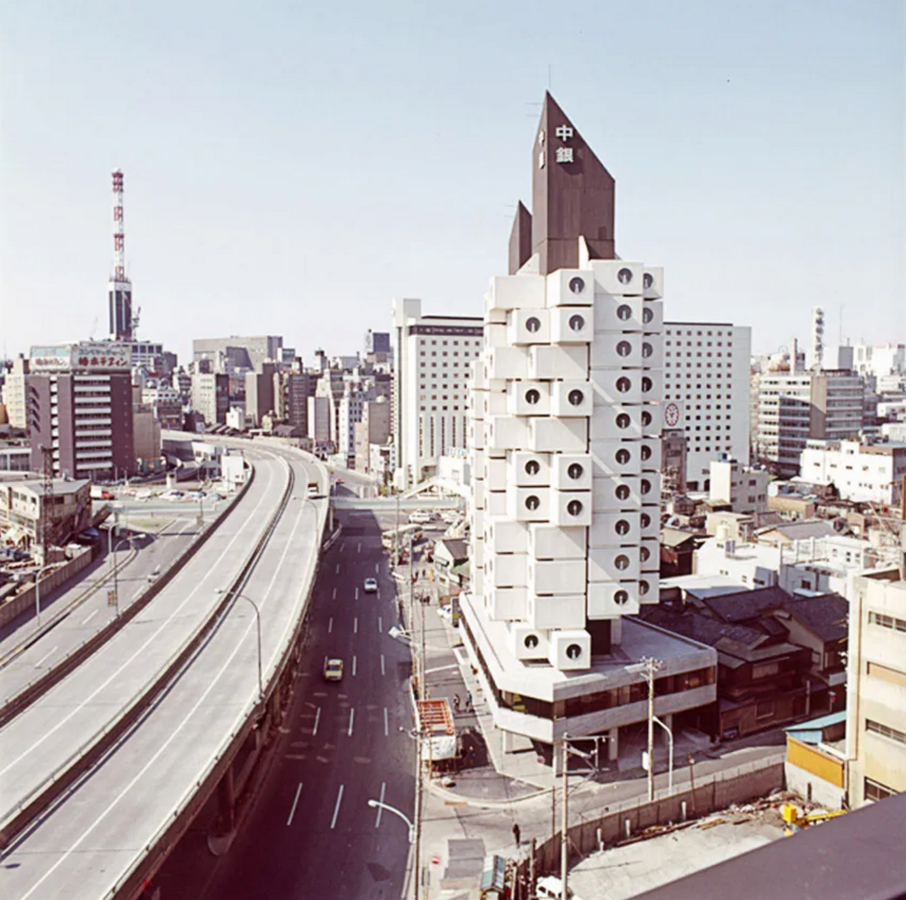
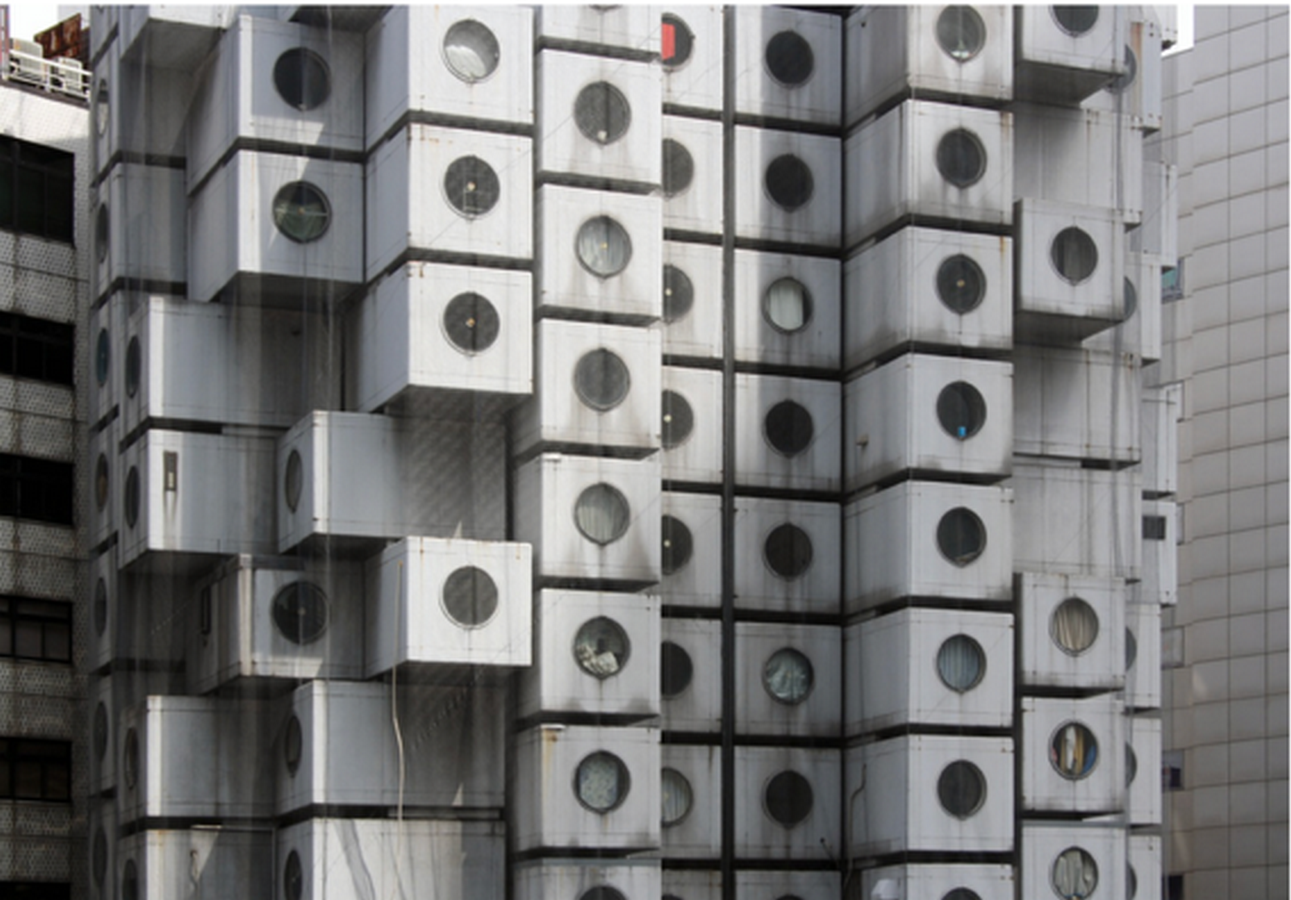
Located in the Ginza area of Tokyo, a total of 140 capsules are stacked and rotated at different angles around a central core, reaching 14 stories high. The technology developed by Kurokawa allowed each unit to be installed in the concrete core with just 4 high-tension bolts, making them easy to replace. Each capsule measures 4 by 2.5 meters, offering enough space for one person to live comfortably. The interior of each module can be adjusted by connecting it to other capsules. (Sveiven, M)
Architectural Form and Spatial Innovation
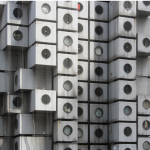
From a design perspective, the Nakagin Capsule Tower is notable for its unique modular façade. The individual capsules extend outward from the central concrete cores, forming a repetitive yet visually engaging structure. Each unit features a circular window, which has become an iconic visual symbol of the building.
As shown in fig 2, the use of prefabricated modules marked a major shift from traditional construction techniques. The capsules were produced in a factory in Shiga Prefecture and transported to the construction site before being attached to the structural core. The capsules are all-welded, lightweight steel-truss boxes covered with galvanized, rib-reinforced steel panels, which were coated with rust-preventative paint and finished with a layer of Kenitex glossy spray after processing. This building method anticipated modern architectural approaches that focus on prefabrication, modularity, and industrialized construction processes (Jencks, 2011).
The structure further challenged the traditional idea of architectural stability. Kurokawa proposed a design that could transform rather than create a fixed structure that would remain forever. The tower functioned as a permanent infrastructural framework, while the capsules acted as replaceable components. This strategy reflected broader architectural discussions about adaptability and flexibility in urban environments (Banham, 1984).
In many ways, the Nakagin Capsule Tower can be seen as an architectural prototype, an experimental model that attempted to redefine how buildings could respond to technological change and urban density.
Living Conditions
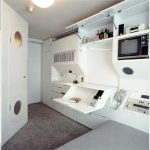
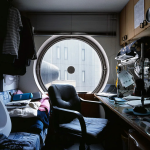
Despite its innovative concept, the building quickly showed notable functional limitations. Each capsule was about 10 square meters of floor space, encompassing everything—from bathroom and living room to dining area, wardrobe, and workspace. All facilities were contained within this small area, severely limiting daily living conditions. Although these units were originally meant for short-term stays for businessmen working in central Tokyo, the cramped space made long-term living difficult. (Sorensen, 2013). The design focused on compactness and efficiency, but this approach reduced spatial comfort. Residents reported problems like inadequate ventilation, limited natural light, and poor insulation. Also, the built-in furniture and fixed interior layouts made it hard for occupants to change or personalize their spaces.
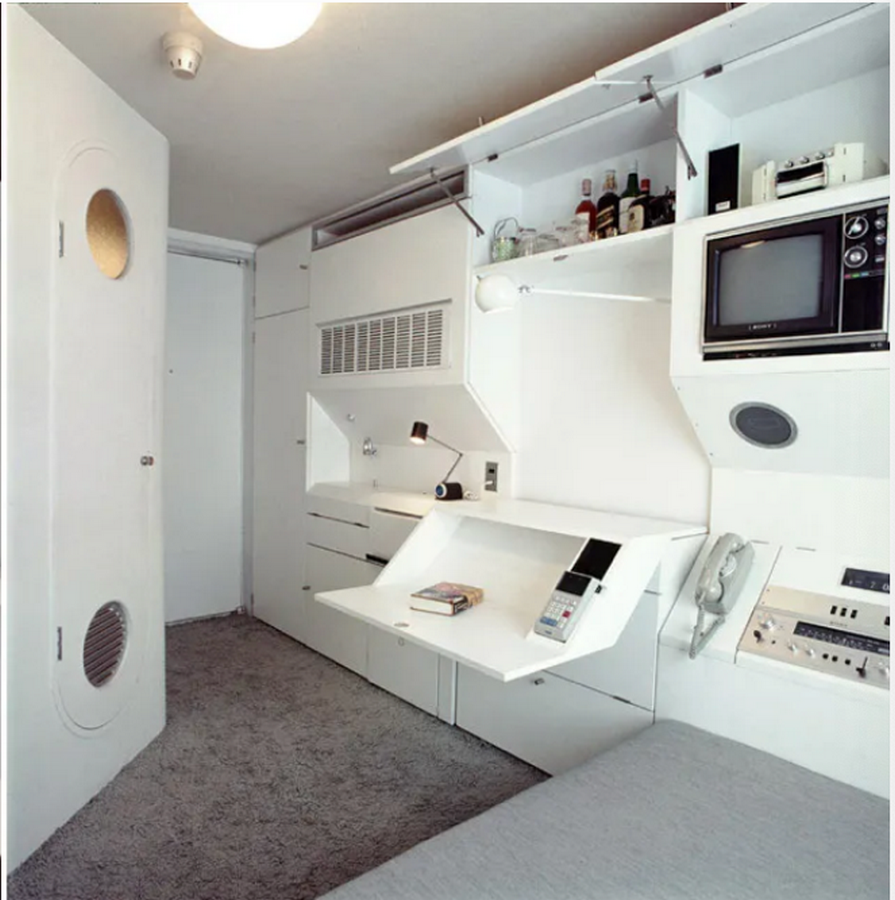
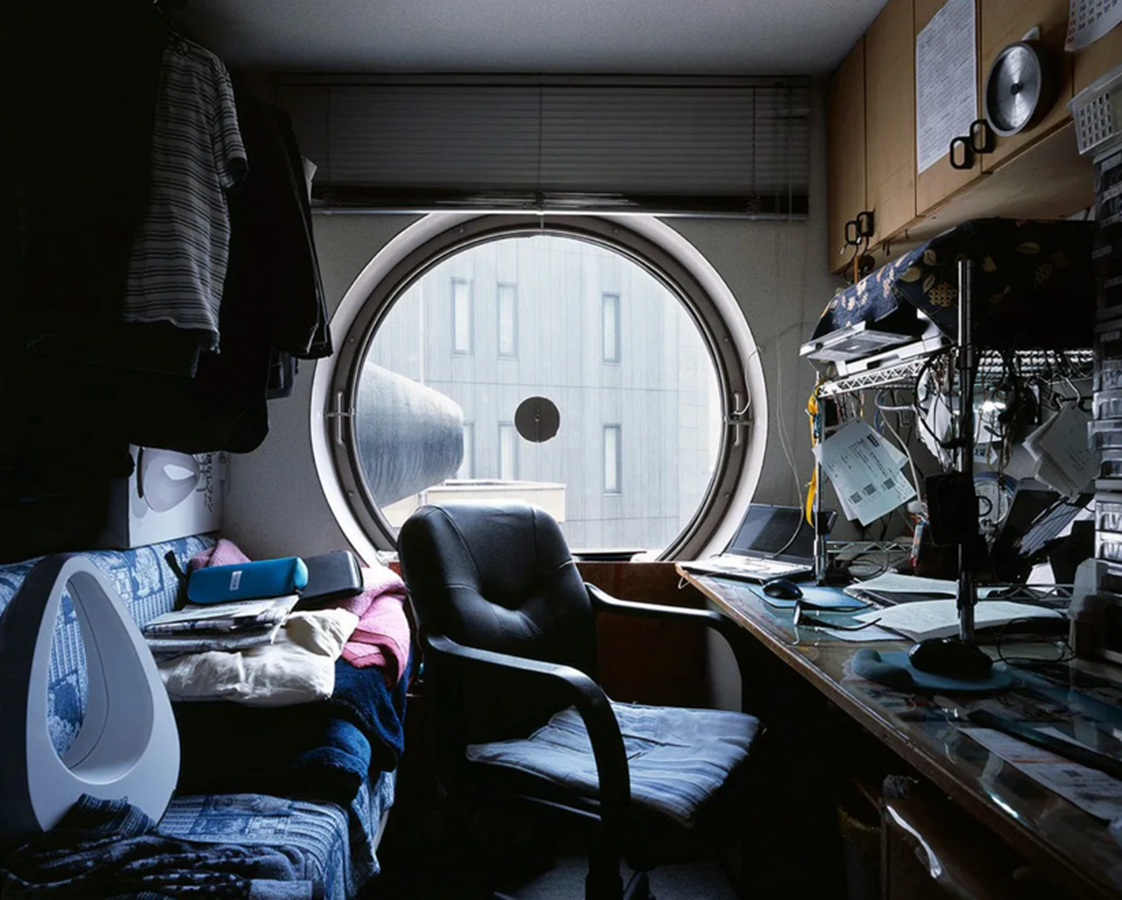
These challenges illustrate a recurring theme in building critiques: the tension between architectural experimentation and human experience. While the tower successfully demonstrated an innovative design concept, it did not fully account for the evolving needs and expectations of its users.
Maintenance Challenges and Structural Deterioration
Perhaps the biggest failure of the Nakagin Capsule Tower was its inability to realize the original idea of replaceable capsules. The Metabolist vision depended on the regular replacement of individual units to keep the building technologically and structurally current. However, this process required a lot of money and coordination among building owners.
In practice, the capsules were never replaced. Over time, the capsules experienced extreme temperature fluctuations, and the building’s infrastructure deteriorated due to aging plumbing systems, outdated electrical wiring, and the presence of hazardous materials such as asbestos. Additionally, by the early 2000s, the building was covered with a protective net to prevent debris from falling onto the surrounding sidewalks, as maintaining the building had become increasingly difficult and costly. (see fig.5) (Soares, A., and Magalhaes, F)
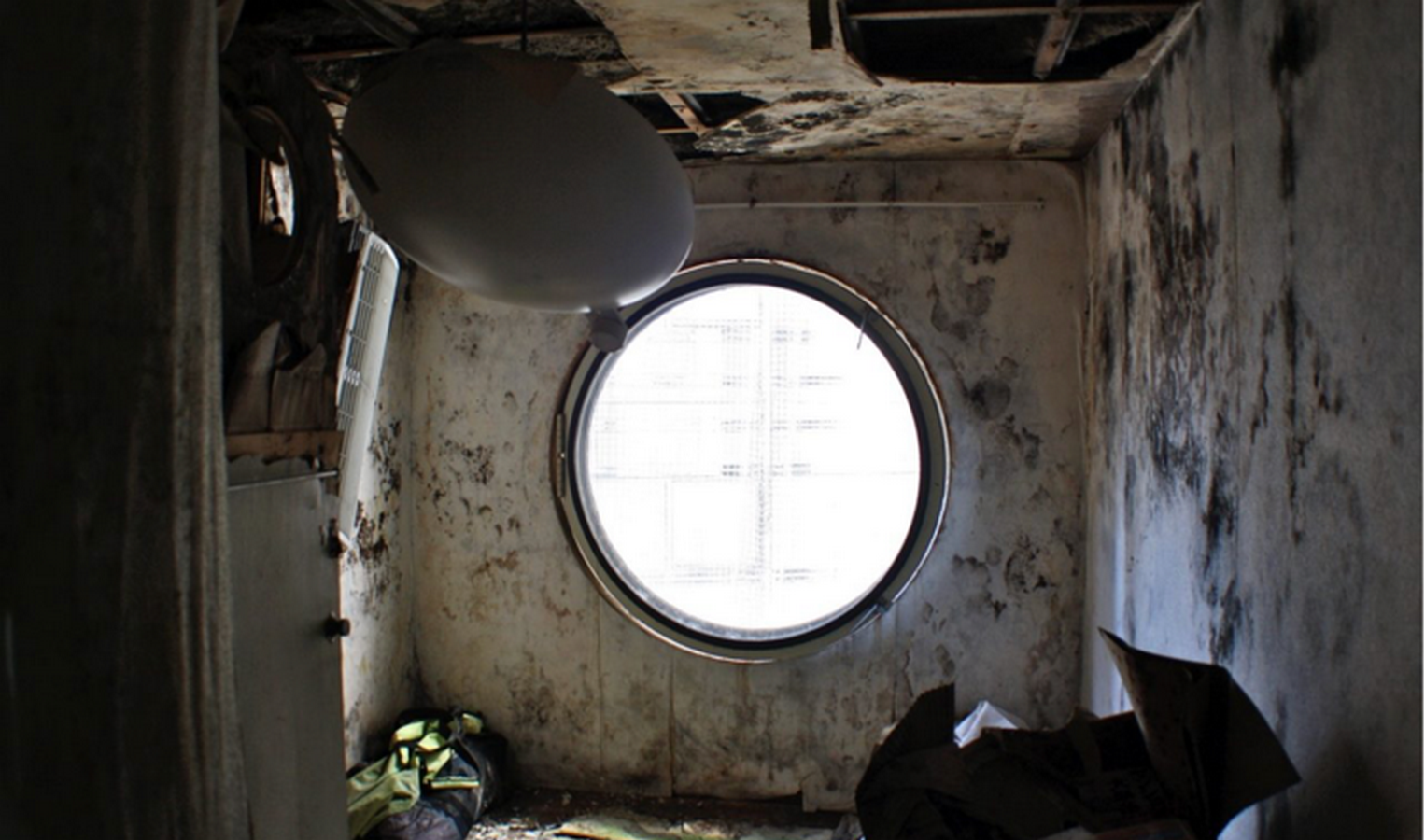
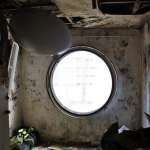
Since they failed to maintain the building, only dirty water and decayed capsule remnants remain inside. (see fig.6) During rainy days, leaks in the corridor become visible, revealing the eroded joints of the units, and water flows freely through the doors. Additionally, the emergency exits have been turned into smoking rooms with ashtrays and chairs. (see fig.7) This has led to the abandonment of more than half of the capsules, with many sealed off from the outside due to the dangers they pose. Because of varying levels of advanced decay, walls are falling apart, and garbage, mold, and moisture are everywhere. The exterior emergency stairs clearly show how the capsules are slowly decaying. (Soares, A., and Magalhaes, F)
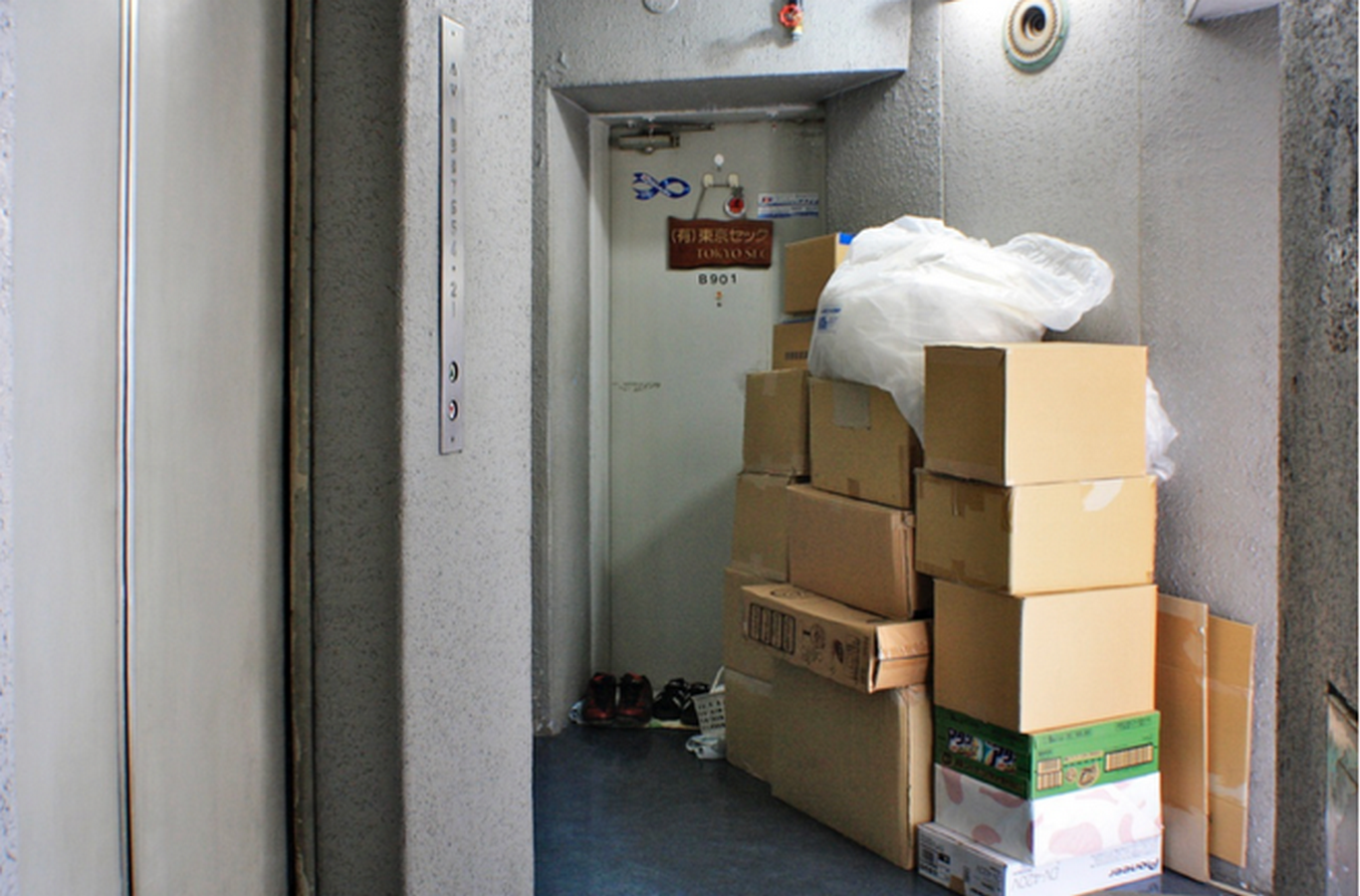
From a building critique perspective, this outcome underscores the need to consider long-term maintenance strategies when designing experimental architecture. Visionary ideas must also address economic viability and structural durability to stay viable over time.
Lessons for Contemporary Architecture
The story of the Nakagin Capsule Tower offers important lessons for modern architecture. First, it highlights the need to balance visionary designs with practical plans. Architectural innovation should focus not only on appearance and form but also on the building’s long-term maintenance and usability.
Secondly, the project emphasizes the challenges of modular and adaptable architecture. While these concepts have great potential for tackling urban housing shortages and environmental issues, they need to be supported by economic and technological frameworks that enable them to work effectively.
Lastly, the tower emphasizes the importance of spatial experience in architectural design. Buildings should not just focus on creating innovative design concepts but also provide functional spaces that are comfortable and meet their occupants’ needs.
The Nakagin Capsule Tower remains one of the most important experimental buildings of the twentieth century. The structure, designed by Kisho Kurokawa as a bold experiment in modular architecture, reflected the goals of the Metabolist movement and offered a flexible urban lifestyle. Its detachable capsule apartments introduced new options for prefabrication and adaptable housing, while challenging traditional ideas of longevity.
However, when long-term maintenance, financial realities, and user experience are not considered, the building’s deterioration and eventual removal reveal the limitations of visionary architectural ideals. The Nakagin Capsule Tower demonstrates both the strengths and weaknesses of experimental design through evaluations of the building. While the project remains a significant example in discussions of modular design and adaptable cities, it also emphasizes the need to balance innovation with practical sustainability.
Eventually, the legacy of the Nakagin Capsule Tower continues to shape modern architectural thinking, reminding architects that visionary ideas need to be backed by practical strategies to withstand the complex and changing conditions of urban life.
Reference List:
Fig 1 – 4 Archeyes (2021) The Iconic Nakagin Capsule Tower by Architect Kisho Kurokawa in Tokyo. Available at: https://archeyes.com/nakagin-capsule-tower-kisho-kurokawa/ (Accessed: 9 March 2026).
Fig.5 to 7: Soares. A & Magalhães. F (2014) A Year in the Metabolist Future of 1972. Available at: https://failedarchitecture.com/a-year-in-the-metabolist-future-of-1972/ (Accessed: 9 March 2026).
Jencks, C. (2011) The Story of Post-Modernism: Five Decades of the Ironic, Iconic and Critical in Architecture. Chichester: Wiley. (offline)
Kurokawa, K. (1997) Metabolism in Architecture. Available at https://monoskop.org/images/9/94/Kurokawa_Kisho_Metabolism_in_Architecture_1977.pdf (Accessed: 8 March 2026).
Lin, Z. (2010) . Kenzo Tange and the Metabolist Movement: Urban Utopias of Modern Japan. London: Routledge. Available at: https://www.academia.edu/32684844/Metabolist_Utopias_and_Their_Global_Influence_Three_Paradigms_of_Urbanism (Accessed: 8 March 2026).
Soares. A & Magalhães. F (2014) A Year in the Metabolist Future of 1972. Available at: https://failedarchitecture.com/a-year-in-the-metabolist-future-of-1972/ (Accessed: 9 March 2026).
Sveiven. M (2022) Nakagin Capsule Tower / Kisho Kurokawa. Available at: https://www.archdaily.com/110745/ad-classics-nakagin-capsule-tower-kisho-kurokawa
(Accessed: 9 March 2026).