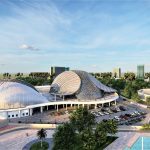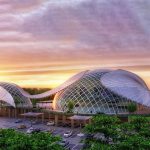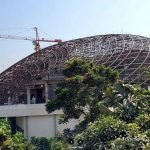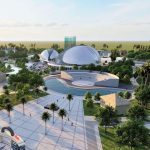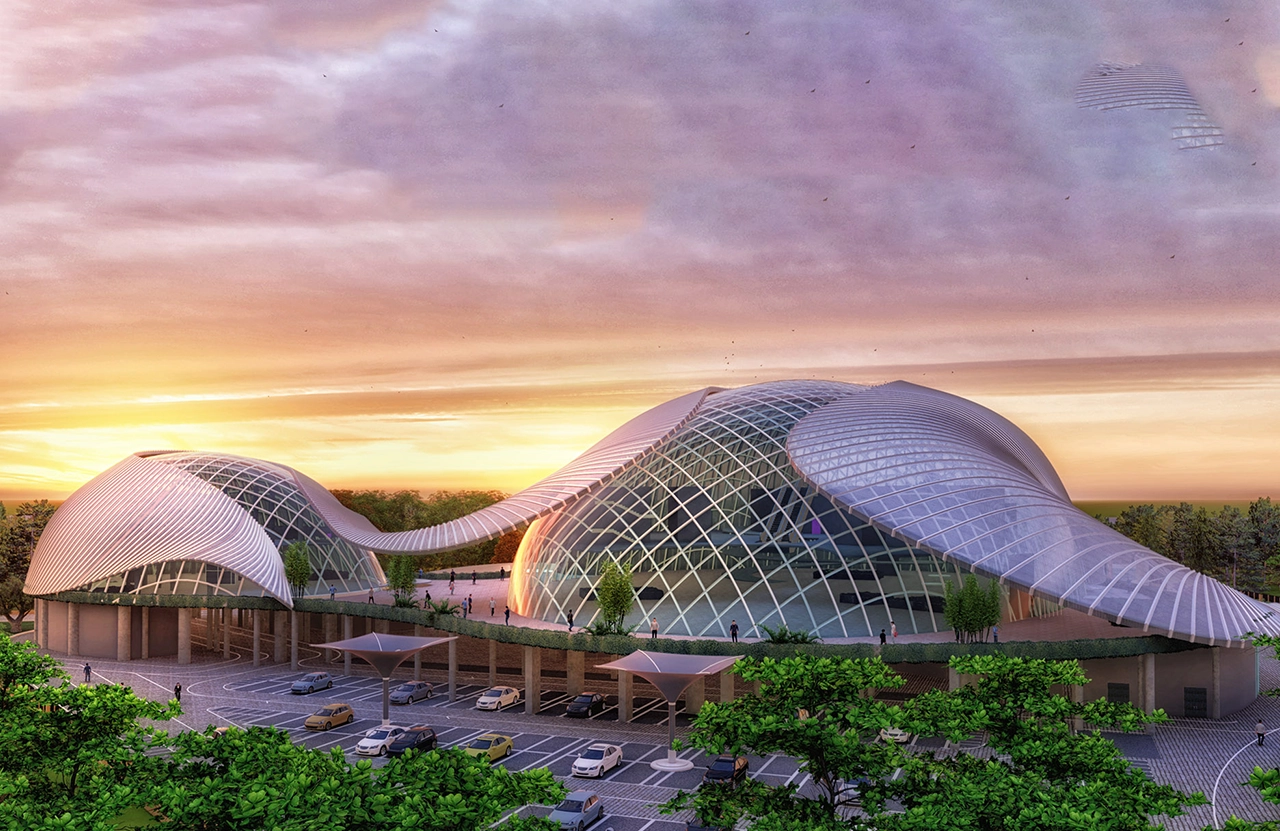
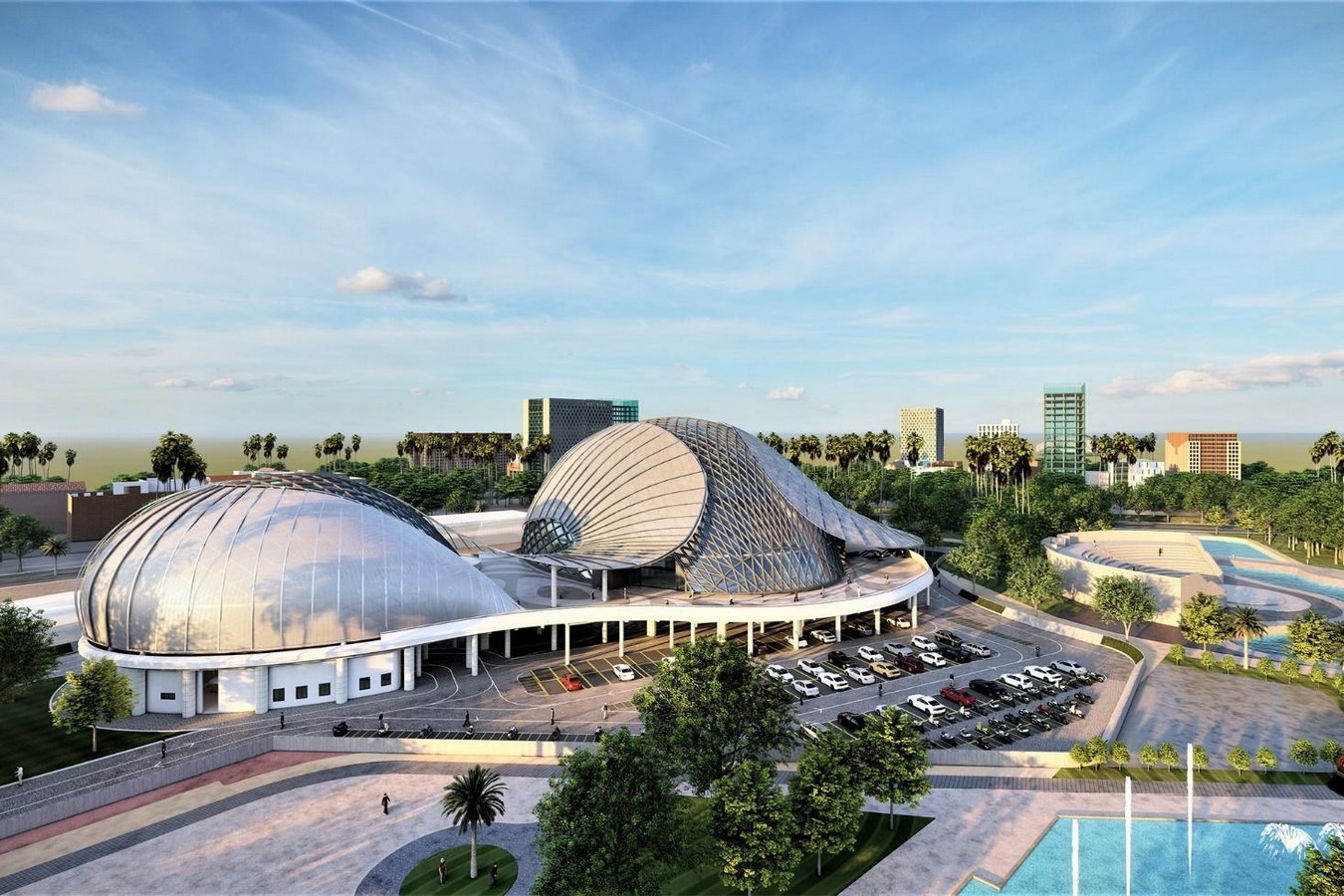
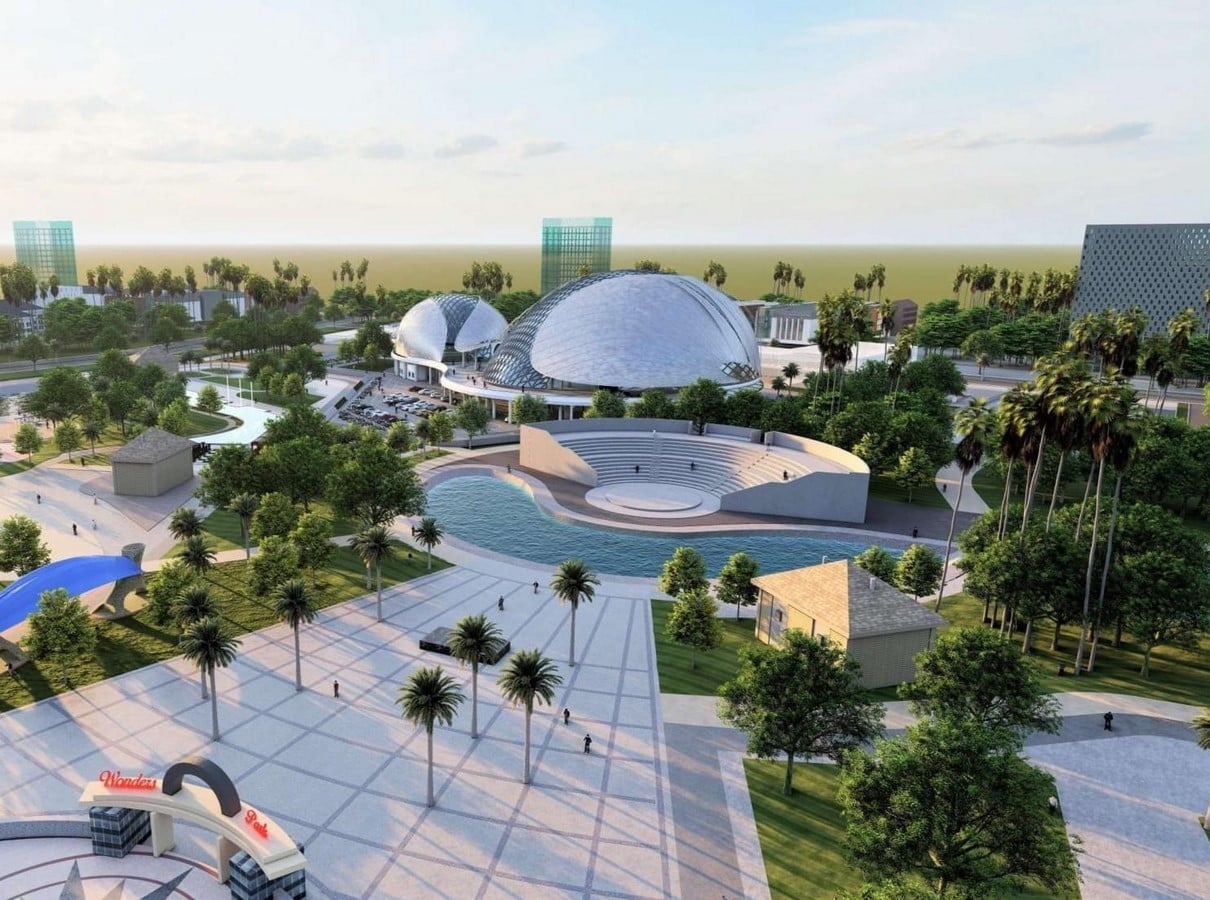
The Science Park is an upcoming civic and educational project which is located in the precincts of Wonders Park in Nerul. The project is designed by Hiten Sethi and Associates and it covers around 2 lakh sq. ft. area, intended to fit in the typical urban landscape of CIDCO Navi Mumbai, as an interactive learning centre in terms of education, recreation and an architectural masterpiece. In the contemporary developing urban areas, such infrastructure facilities play an important role in improving the ways of learning by making education both more accessible, extensive and full of experience, capturing public interest. The Science Park in Nerul is currently under construction with a completion date towards 2026. It does not simply represent a building but it is a symbol that goes into the development of culture and intellect of the citizens.
Concept and Design Philosophy
The principal conceptualisation behind the project is experiential learning. The Science Park is not a conventional museum; it is a part of the educational experience due to its structure. The architecture influences it as a global icon of sustainability, which sparks curiosity. The vision of the design is to appeal to the young minds with the strength of science and technology, which is achieved by conceptualisation of a futuristic form which puts lights on a thought-provoking journey of the influence of science on the future. The general design philosophy lies in the interactive spaces that promote learning and exploration in terms of physical learning and visual discovery.
Planning and Zoning Strategies
The planning follows a hierarchy of public, semi-public and private spaces. The entire building has two primary wings: a museum and a convention centre. The exhibition zones, learning areas, and gathering spaces are placed on multiple levels and cover different types of themes. The escalators and indoor ramps are designed to ensure that the various floor plates are easy to navigate through, thus resulting in smooth circulation. The design shows a correlation of the built spaces and surrounding areas, which will promote continuity in public engagement. It also emphasizes the wayfinding and smooth transitions.
Form as The Visual Identity
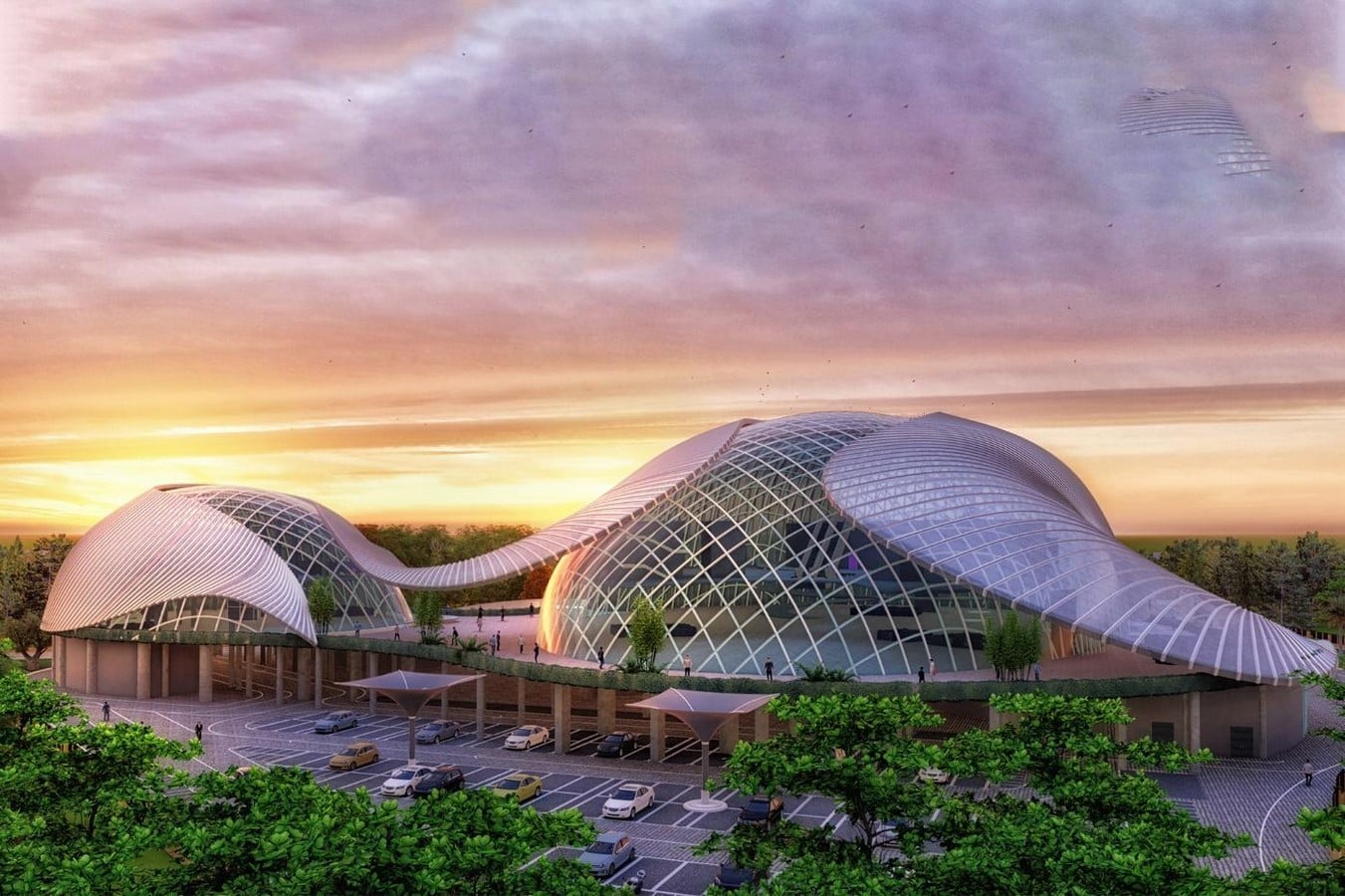
The visuals of the structure are set by its geometry, which consists of two parametric domes achieved by a diagrid steel system. The shape of this structure renders an architectural monument in the urban setting of Nerul. The strength of the form resides in its geometrical vividness, effectiveness and novelty of materials. The free-flowing form is designed to convey to the visitors a journey which is immersed in curiosity and scientific exploration.
Structural Innovation and Engineering
The design provides column free interiors by using advanced structural systems making the space unrestricted in terms of expansion and flexible exhibition areas. It will allow individuals to experience large volumes which are visually open, supporting adaptability in use. The architecture concept is closely associated with the structural design that allows both the form and function to act together.
Materials and Facade Design
The material palette of the structure shows a balance between the performance, durability and architectural design expression. The facade manages the visual connectivity and the levels of environmental comfort by controlling heat, light and transparency. An important consideration for public institutional buildings is their long-term resilience, which is perfectly achieved through the use of steel in the structure for reinforcing their contemporary character and aesthetics.
Integration of Technology
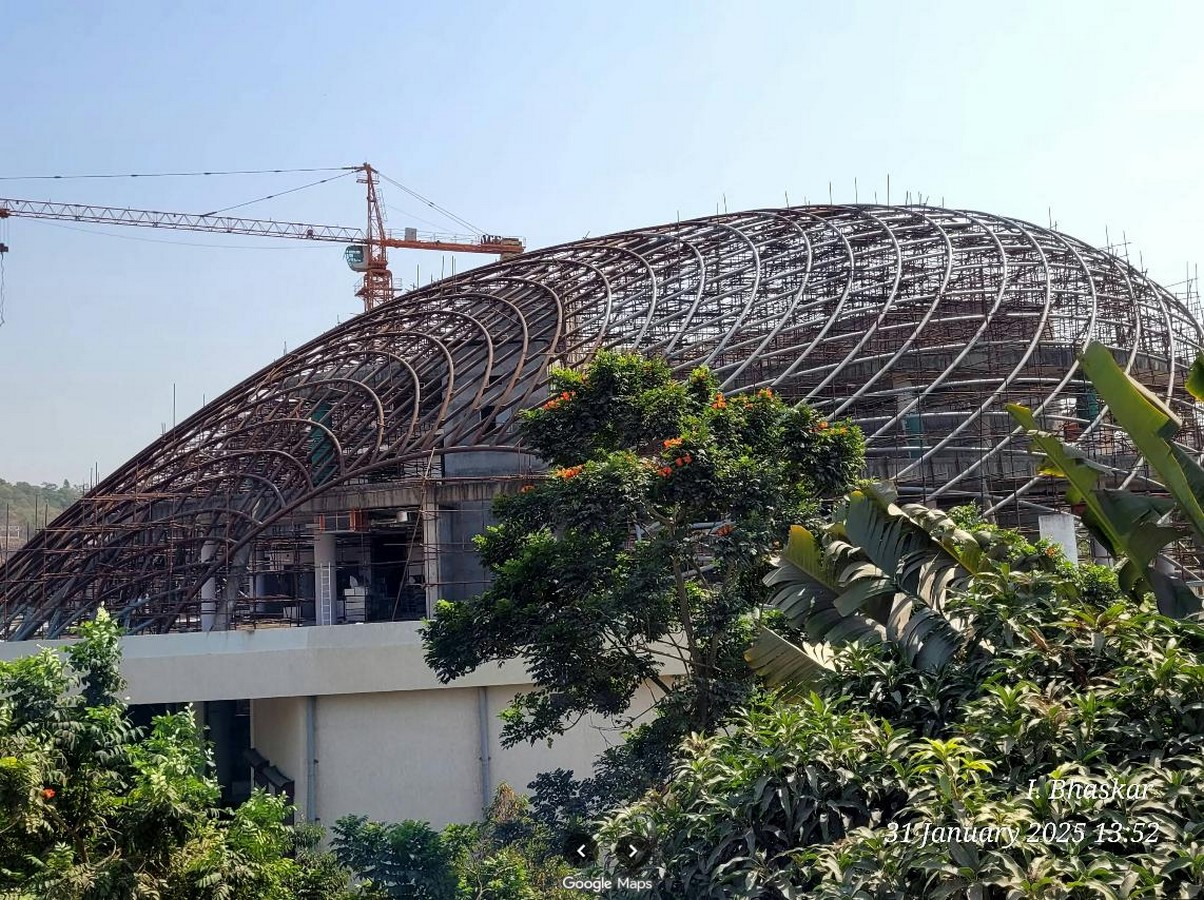
The complex geometry of the project implementation requires a demand of multiple digital tools and a hi-tech approach to construction. For bringing the conceptual idea to reality there needs to be accuracy in detailing and fabrication. The innovation in the design of this building shows the dedication to incorporate technology in design creation as well as execution.
Sustainable Strategies and The Response to The Environment
Science Park stands as a global icon of sustainability with the help of passive design techniques to minimize the use of the mechanical systems. The thermal comfort and energy efficiency are managed by controlled daylighting, proper structure orientation and correct spatial volumes. All these design features assures that the building will be responsive to the local climatic conditions. The structure has energy efficient systems which are appropriate for large scale public infrastructures in order to reduce the consumption of operational energy. The durability of the materials used and the low maintenance finishes also led towards the long-term sustainability performance with minimum effects on the environment.
Towards Urban Sustainability
The Science Park also plays a major role in the category of social sustainability as it is a universally accessible public institution fostering community engagement and inclusivity in learning. Integrating Science Park in the urban fabric of the developing city of Navi Mumbai will strengthen the city’s infrastructure and architectural identity, thereby stabilizing knowledge and the society.
The Future of Learning Spaces
The upcoming Science Park in Nerul represents a new approach to the public architecture regime, showing how design, technology and respect towards urban context can create meaningful spaces. The establishment of a common civic experience around science rather than keeping it limited to academic education, the structure can be seen as a standard for the future learning environments within Indian cities. As an emerging identity of Navi Mumbai, it shows how architecture can contribute towards culture, innovation, technology and community engagement.
References:
- Hiten Sethi and Associates Official website– The Science Park, Navi Mumbai : Available at : https://hitensethi.com/project-info/?s=science-park&q=_Y3L48
- SSMB.IN Cover story – Science Park, Navi Mumbai, Maharashtra : Available at : https://ssmb.in/2023/07/27/scienceparknavimumbai/