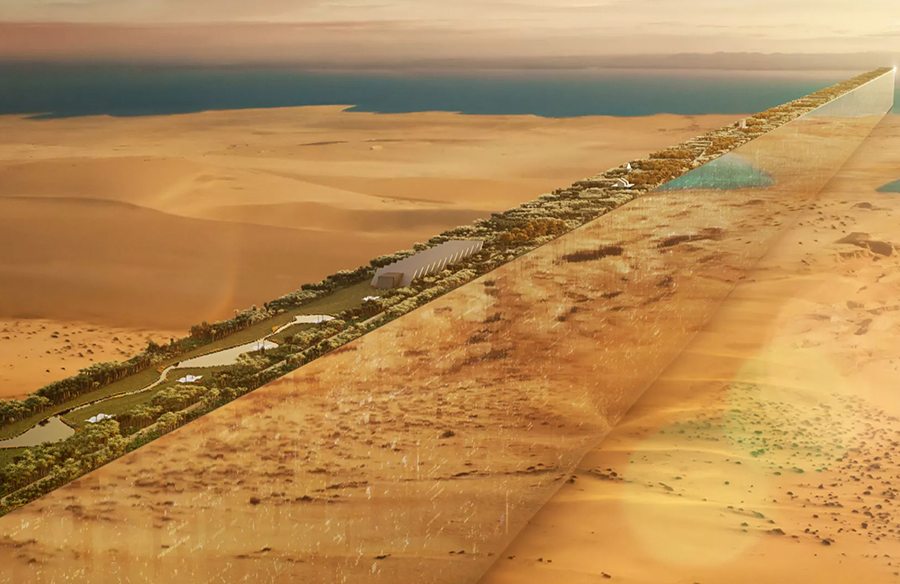
The Line by NEOM, located in Saudi Arabia, is one such project that walks ahead of its time. It’s a Utopian dream, challenging and pushing ahead the boundaries of what imagination, technology, and comfort could deliver to mankind. The project proposes a 170 km long,200m wide, and 500m high skyscraper, which will be one of its kind and will run on renewable energy sources. This article serves as a case to discuss progress, debates, concepts, impacts, and prospects.

The project overview
The project was initiated by Saudi Arabian prince, Mohammed bin Salman, as part of the 2030 vision plan to drive the country’s economy towards a trade and business center from oil mills. The line is a hyper-realistic city which is planned to house 9 million people with a density of 260,000 people per square kilometer which exceeds the existing cities. The design eliminates the usage of cars and far commute spaces, which is to create a 15-minute city with all the required amenities available in a 5-minute walk.
Goals
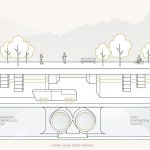
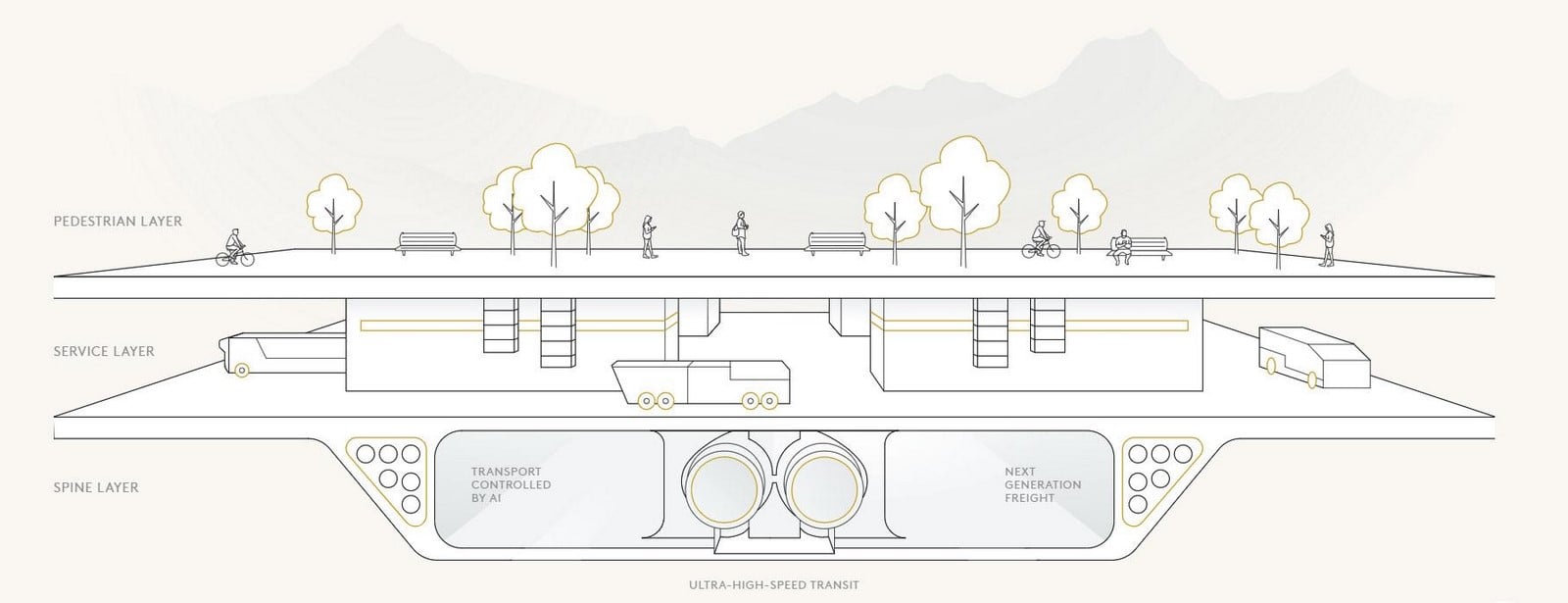
“The Line” is an innovative urban development powered entirely by renewable energy. This ambitious project integrates a unique three-layer spine design to connect its various modules: a surface pedestrian layer, an underground service layer for essential infrastructure, and a deeper underground transportation layer for high-speed rail. This advanced rail system will facilitate end-to-end transit within 20 minutes, with trains operating at 526 kilometers per hour.
Design
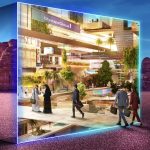
The project aims to give unparalleled access to nature, clean air, quality time with family, and a perfect climate around the year. The design is human-centric and takes a center stand.The Line is a linear city designed with advanced technology to provide a unique living experience. Its prominent skyscraper features extensive glass on its longitudinal side. The city incorporates a three-layered transportation system for efficient mobility.
A core vision of The Line is to offer residents an exceptional work-life balance, significantly reducing reliance on natural resources by 90%. Despite its linear form creating some inherent challenges, the project aims to provide unparalleled access to nature, clean air, quality family time, and a consistently ideal climate. The design prioritizes a human-centric approach.
Technology
The city is to run on artificial intelligence, which collects and analyzes data collected from the residents. These help in optimizing the data according to climate, commute, and many more. The city is planning to overcome existing issues like tragic congestion. pollution and lack of infrastructure. The collection of data is to be under the authoritarian government, which is the most inconvenient thing that occurs in the present day. More than 5000 people just away in a 5 minute walk enabling good networking and communities. Built around humans, not technology.
Development Progress & Shifting Scope
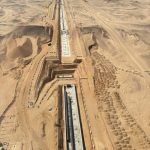
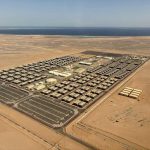
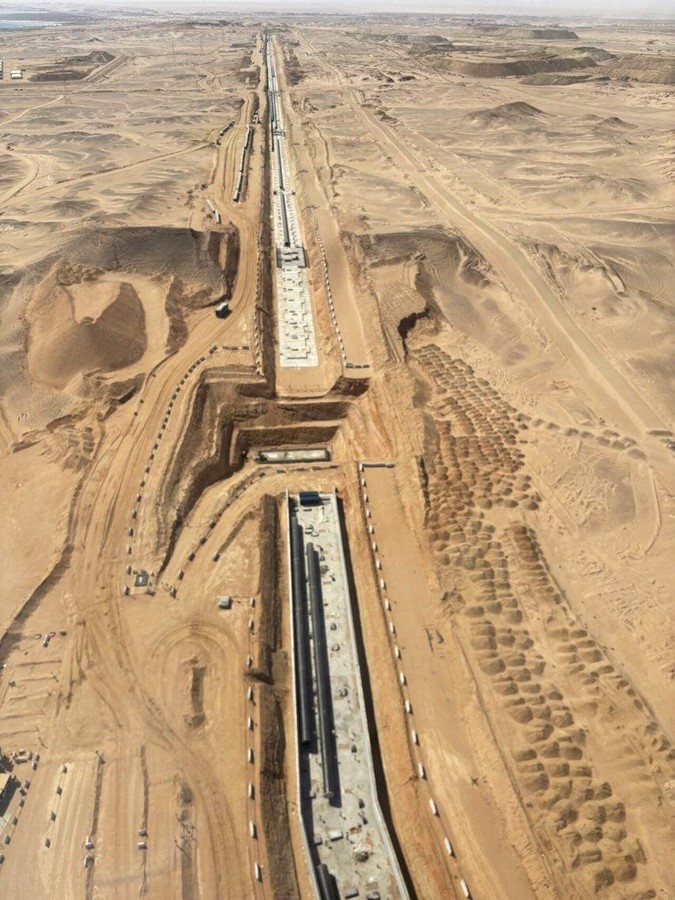
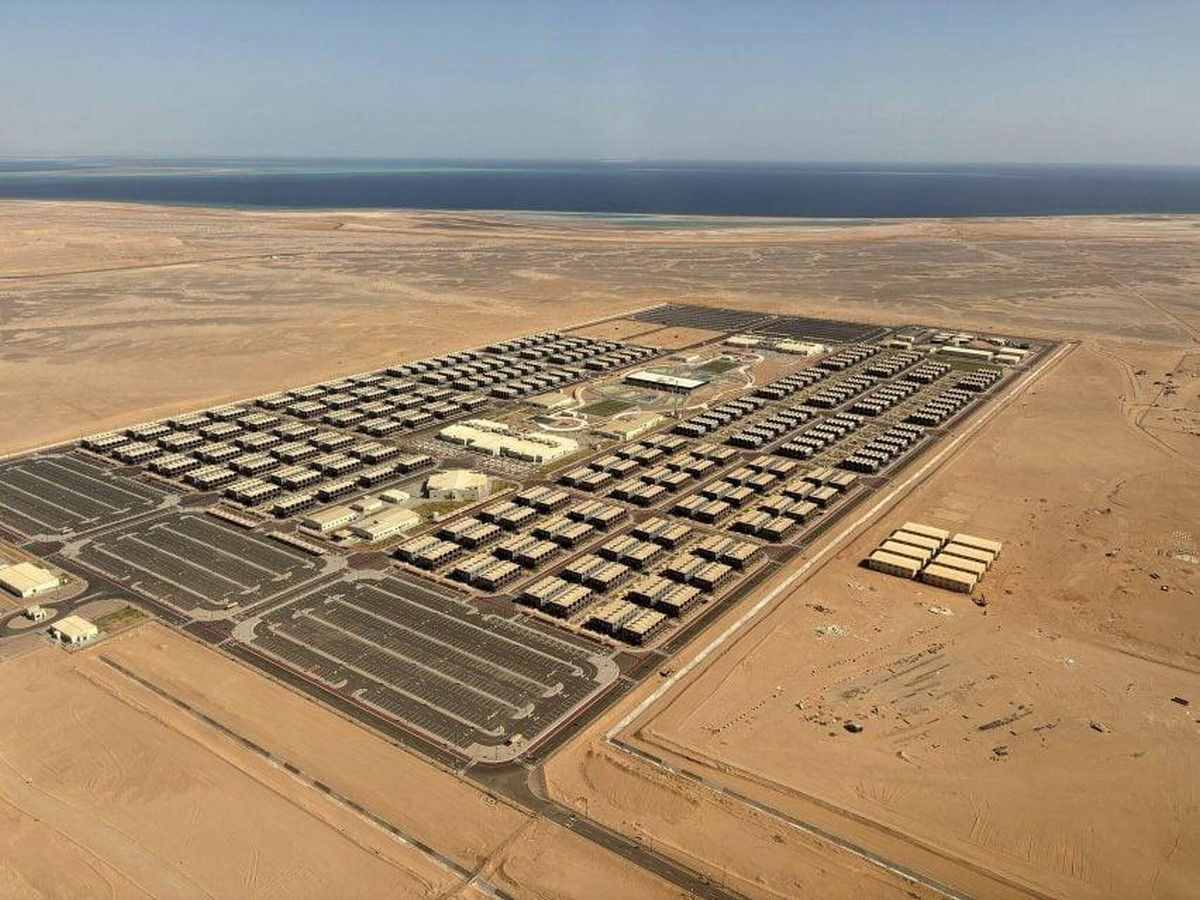
The line which stretches across different topography[hy arranging from sea, snow-topped mountains to desert has begun work in multiple spots. NEOM established a dedicated SAR 700 million concrete plant using carbon-capture technology to supply the project with up to 20,000 m³ of ready-mix green concrete daily. As of 2025, progress includes moving a vast amount of earthwork—260 excavators, 2,000 trucks, and placement of nearly 1,000 foundation piles out of over 30,000 planned
Criticisms and Feasibility Concerns
“The Line” project, despite claiming to be net-zero, overlooks the significant carbon footprint associated with material procurement. The design, featuring glass panels along its entire length, raises concerns given potential temperatures of up to 55°C, which could lead to surrounding areas burning due to constant exposure. Prieto-Curiel has also criticized the project’s chosen form. The sustainability of the project has been repeatedly questioned, particularly regarding its necessity, requirements, and environmental impact. Initially estimated at $500 billion, the project’s cost has now escalated to $1 trillion. Announced in 2021, the project aims to attract global investors through an active marketing strategy.
While the project’s initial concept sought to address everyday issues, it has also generated numerous complex questions concerning daylighting, growth, convenience, reduced commute times, and the underlying technology. These aspects are yet to be thoroughly explored, established, and tested.
Future Outlook
By 2030, the project aims to complete 105 miles, requiring significant further investment. In 2024, helicopter footage captured massive concrete pours. While the overall project deadline is 2045, which could lead to budget increases over time, the most reliable target remains the Hidden Marina segment by 2030. A major concern, however, is who will comprise the projected 9 million inhabitants of this new city.
The futuristic design, intended to address modern issues such as pollution, traffic congestion, and infrastructure shortages, should ideally offer a more efficient and convenient solution. A critical question also arises: how effectively will the design choices resolve these problems, as opposed to maximizing existing viable options? This leads to the profound question of whether building an entirely new city with advanced yet unrealized capabilities is a superior solution to rectifying issues in existing urban areas.