From 1839 – 1842, during the Afghan war, around 4,500 British and Indian soldiers, along with 12,000 followers, lost their lives. That’s when the government decided to commemorate the Indian and British soldiers who sacrificed their lives. A part of land at the southern end of old-time Bombay was allocated by the British government for this task. The construction of the Afghan Church, also known as Church of St. John the Evangelist, began five years after the conclusion of the Afghan War. The construction lasted 11 years. It underwent one condition: the government wanted the steeple of the Church to be seen from the sea.
History
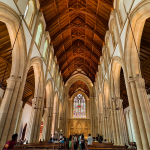
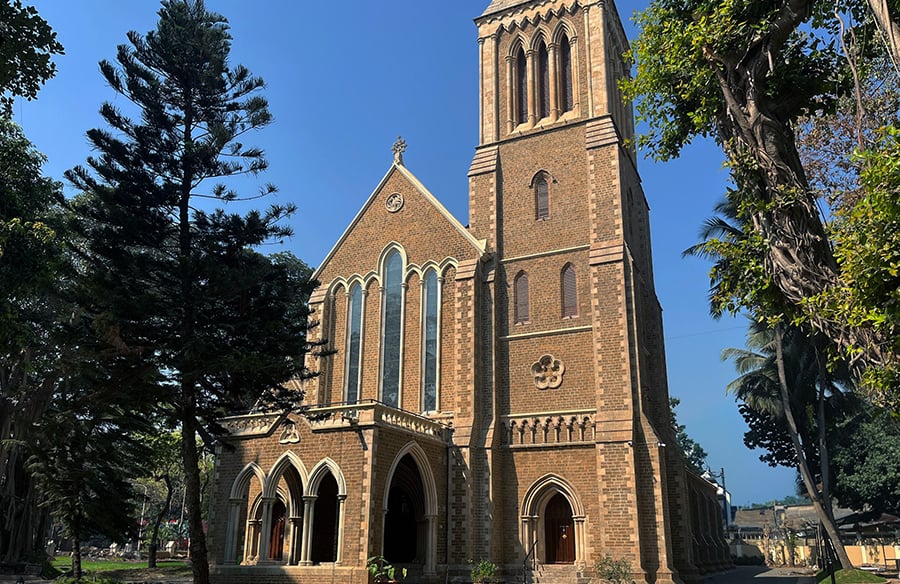
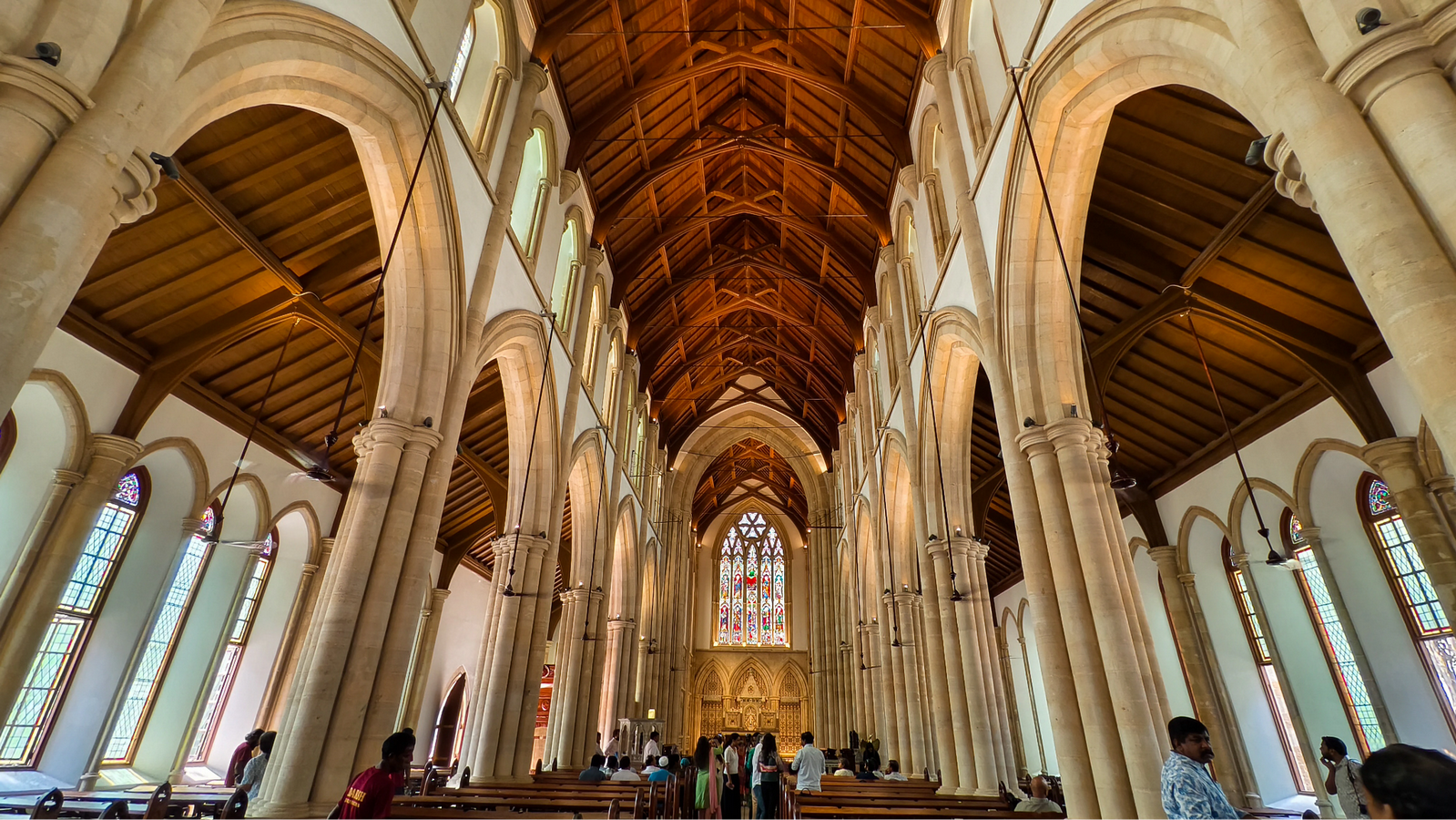
Designed by the esteemed architect Henry Conybeare, the Afghan Church serves as a memorial to various regiments, including the Bombay Army, the Madras Army, the Bengal Army, and H.M.’s army, with other forces that participated in the First Anglo-Afghan War (1838-1840) and the Second Anglo-Afghan War (1878-1880). Inspired by Neo-Gothic architecture, each design element, the beautifully detailed gargoyles, buttresses, arches, mosaic windows, along with the wooden roof, spire, altar, porch, pulpit, are a striking departure from traditional Indian architecture.
This 210 ft high Standout piece of architecture is a testament to Scale, strength, and grandeur, which acts as an embodiment of layers of history. This piece of colonial history woven into the fabric of India showcases the influence of the British empire on Mumbai. The church was initially known as Garrison Church, but later went by the name ‘the bride’s church’. Since many British soldiers got married here, many people desired to get married here. The War Memorials serve as a tribute to events that carry immense significance.
Restoration
The Afghan Church has recently gone through a 14 Cr facelift, where head Architect Kirtida Unwalla, along with her team of consultants, has brought history back to life. What is remarkable is the interrupted Church services throughout the restoration process during the past two years. Afghan Church’s Pastorate Committee, in support of WMFI – World Monuments Fund India, and funding from Citi, has led to this revival. Throughout the years, the Church has witnessed weathering caused by corrosion and vandalism. The environmental conditions, particularly the heat and humid air of Bombay as a result of the close proximity to the sea, had led to mineral deposits.
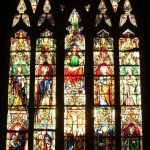
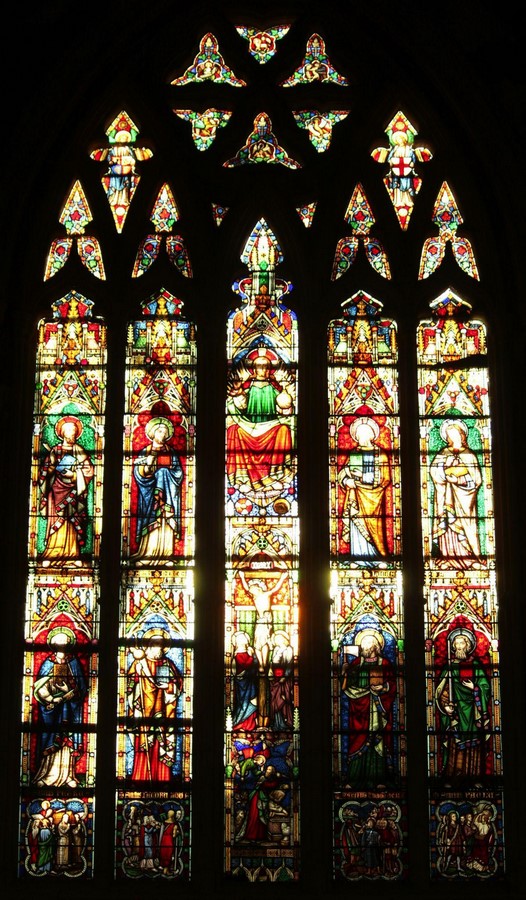
The restoration team has peeled back those very layers of history that were once meticulously crafted into Bombay’s architectural heritage. The team faced a challenge of recreating the original Victorian pressed glass since it isn’t manufactured today. They had to make sure the techniques generated accurate restoration results. Since the windows were damaged as a result of weather and low maintenance, bright pigments were used for the glass work, depicting the patience and skills required during restoration. All the elements, the stone arches, the intricate details of the figures depicted in the stained-glass windows, the grand limestone columns, the commemorative cross, the brass lectern, the ornate metal screen, the baptismal font, wooden choir stalls with slots for gun rests, and the exquisite flooring have been meticulously restored. Semi-permeable paver blocks allow rainwater to seep through. Dampness on the south side introduced a french drain along the periphery of the church to prevent the water from entering the plinth, controlling the rising dampness. As per Christopher Elisha, from the Afghan Church Pastorate Committee, the Original color of the roof has been restored
Design Elements
Afghan Church is an architectural marvel housing innovative ideas like limestone pillars fusing with the Gothic arches adding a layer of structural innovation to the design with their unorthodox approach at the time. The buff colored basalt was locally sourced, and the Porbunder stone with it, makes the Afghan Church a visually impact-full addition to the city’s architectural heritage. This 165 year old Grade-1-1 heritage structure stands tall at 210 ft high, withstanding 100s of years of weathering, encroaching vegetation, and salt damage from the humid air. The intriguing fossil marble used to construct the altar platform adds a layer of geological history. Chancel – the area around the altar, is oriented towards the west, which isn’t a usual practice, but it is purposely done to soften the sun rays and create a more calming atmosphere. The teak wood metal screens adhered to the same philosophy. The existing chairs, pews, and other furniture are all 160-year-old rustic pieces.
Highlights of this design are the stained glass windows created from the 1850s to the 1890s by William Wailes from England. These windows were more than just a design feature. They showcase biblical themes and stories. The bell tower, housing a total of 8 bells, are said to be quite magnificent sounding. The teak wood roof has been returned to its original colour, acting as an umbrella for the entire design to be bound together. In 1882, post the second war, martyr names were introduced on the church walls in the form of engraved placards.
Impact on the Urban Landscape of Mumbai
From its historical roots to its religious and memorial roles, the Afghan Church represents a blend of diverse aspects in a single structure. Serving as a bridge between Mumbai’s past and future, it embodies both tradition and renewal. In earlier times, a podium obscured the church from street view, but the restoration team redesigned the landscape to reintegrate the church with its surroundings, improving harmony and accessibility. The church is now better suited to withstand weather and future renovations, preserving human stories, art, and history. This project affirms that the meanings of buildings can evolve, and that respecting heritage preserves culture. The Afghan Church stands as a testament to collaboration, intentional design, and its lasting legacy within Mumbai’s architectural heritage.
References:
https://www.youtube.com/watch?v=4wH5NXFCweM&t=102s
https://www.youtube.com/watch?v=MKq6kUKbtnc
https://www.architecturaldigest.in/story/the-165-year-old-afghan-church-in-colaba-is-restored-to-its-original-glory-ad100-architect-kirtida-unwalla/
https://www.csrmandate.org/world-monuments-fund-india-completes-restoration-of-afghan-war-memorial-church-in-mumbai/
https://travelindiadestinations.com/afghan-church-mumbai/#:~:text=The%20Afghan%20Church%20in%20Mumbai%20is%20a%20stunning%20example%20of,element%20of%20its%20striking%20silhouette.