A Glimpse into China’s Earliest Dynasty
China’s rich history unfolds at the Erlitou Site Museum of the Xia Capital, serving as a gateway to the country’s earliest dynasty, the Xia Dynasty. Located in Luoyang, this museum stands as a testament to the 3,800-year history of the Erlitou relic, recognized as the largest capital settlement in China during its time. As the root of Chinese culture and the national system, Erlitou’s archaeological significance is brought to life in this museum, allowing visitors to delve into the forgotten sites of one of the world’s first ancient civilizations.
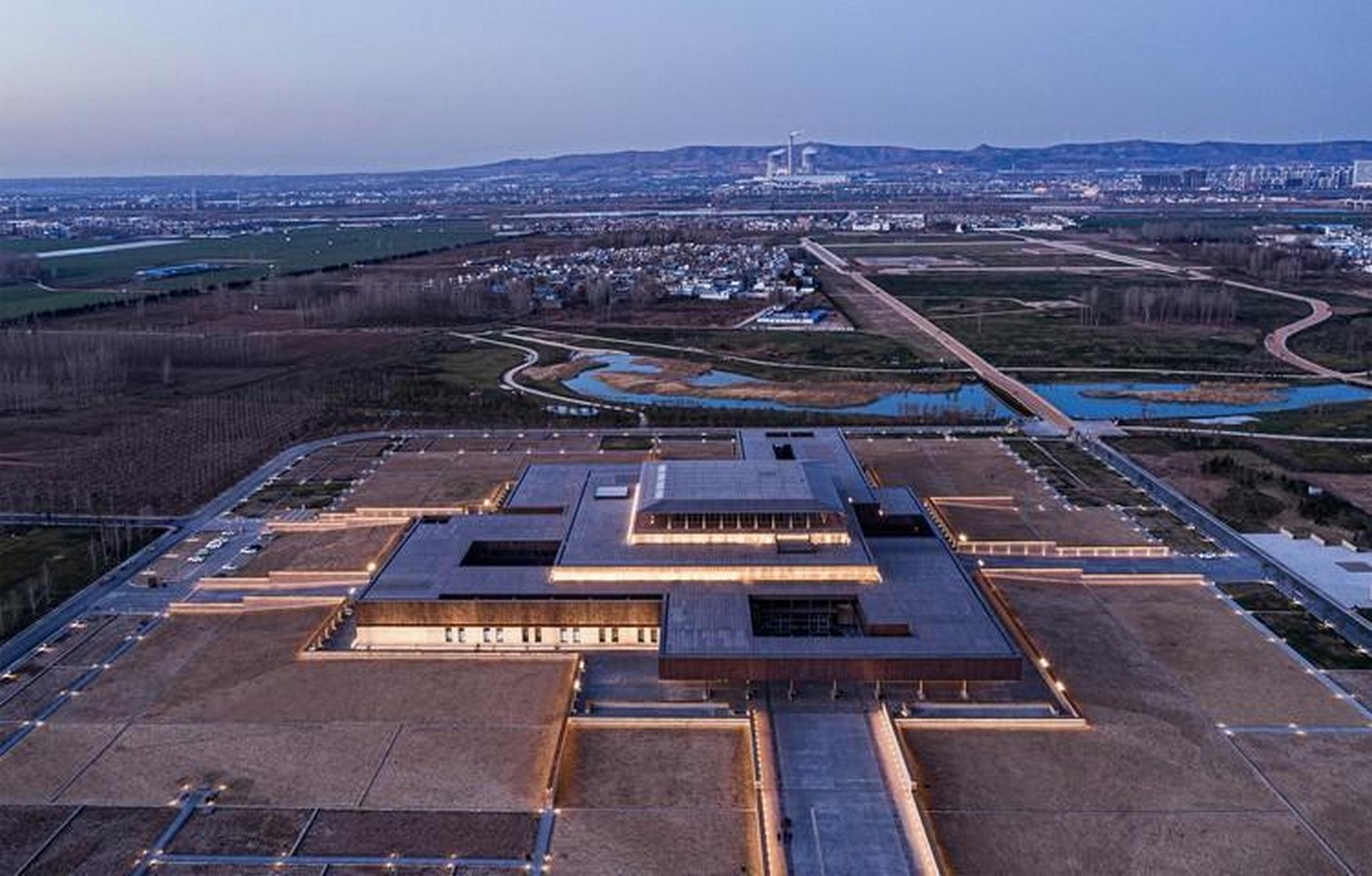
Amorphous Architecture Reflecting Ancient Irregularities
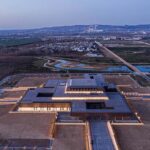
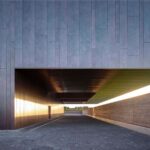
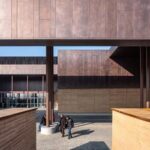
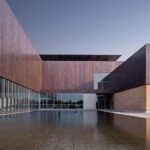
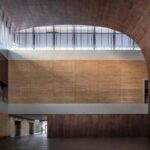
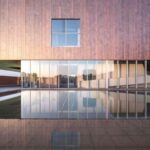
The Erlitou Site Museum’s architectural concept draws inspiration from the winding and irregular state of the Erlitou archaeological site, captured in a photograph. The design manifests an “amorphous” state, echoing the original layout of Erlitou while avoiding a singular interpretation. The museum’s construction utilizes copper, rammed earth, and exposed concrete, paying homage to the materials found in Erlitou’s earliest bronze workshops and rammed earth wall buildings.

Integrating Heritage Preservation and Rural Development
Beyond being a cultural hub, the museum plays a pivotal role in the integrated planning of the Heritage Park and rural settlement development. The Erlitou Site Museum is not merely a structure; it’s a holistic approach to integrating heritage preservation with rural development. The museum’s design considers the surrounding rural space, ensuring the full display of key site protection areas like the palace site, main road, and central axis. By linking the museum’s service facilities with existing villages, the project contributes to local employment opportunities and promotes infrastructure renewal, forming a new pattern that blends the East and West with the Historic Museum at its centre.
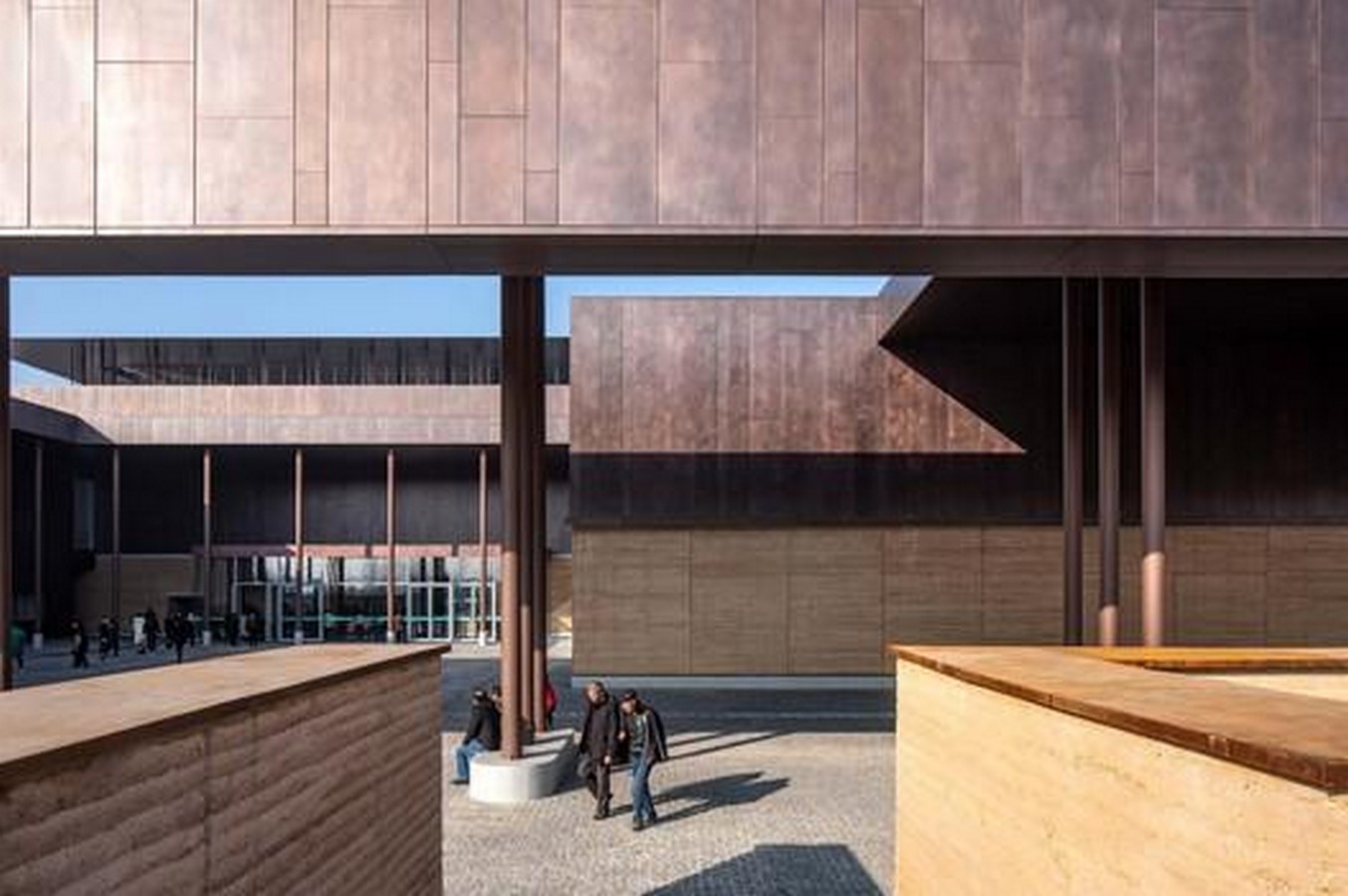
Rammed Earth Construction: A Modern Interpretation of Ancient Techniques
The Erlitou Site Museum stands as the world’s largest single rammed earth building, with over 4,000m³ of raw earth used in its construction. Facing significant technical challenges, the architects employed innovative solutions, optimizing structural systems, addressing height-thickness ratio contradictions, and incorporating concrete filled square steel columns. This meticulous approach ensures the longevity and stability of the rammed earth walls, reminiscent of Erlitou’s ancient construction techniques.

Past and Present: Museum as a Catalyst for Local Development
Opened to the public in 2019, the museum has become a cultural focal point, attracting millions of visitors and catalysing social and economic development in the local villages. A crucial aspect of the Erlitou Site Museum’s impact lies in its ability to bridge the past and present. The museum, resembling the ancient city’s planning, comprises three sections narrating the story of Erlitou – from the demonstration area displaying relics to the research results explaining culture and urban layout, and finally, emphasizing the importance of ancient historic sites in the formation of early states. The museum seamlessly integrates with its surroundings, becoming an integral part of daily life for local communities.

Sustainability in Design: Balancing Modernity and Tradition
The lead architect, Li Li, prioritized sustainability throughout the design process. From land use patterns to material selection, the conscious effort to reduce environmental impact while enhancing integration with the immediate physical environment is evident. Utilizing local materials such as rammed earth, copper, and exposed concrete, the museum pays homage to Erlitou culture, showcasing a harmonious blend of modernity and tradition. The design also addresses the environmental and socio-economic impact on the surrounding rural villages, promoting sustainable development.

International Recognition: Erlitou Site Museum’s Global Impact
This architectural marvel has garnered international acclaim, not just for its historical significance but also for its innovative design and sustainable approach. By seamlessly blending modernity with ancient history, the Erlitou Site Museum stands as a beacon of how past civilizations can be preserved and celebrated in a contemporary context.
Preserving the Past, Shaping the Future
The Erlitou Site Museum of the Xia Capital serves as a living testament to the richness of China’s ancient civilization. Its architectural ingenuity, sustainable design, and integration with local communities showcase a harmonious blend of past and present. As this international publication sheds light on the Erlitou Site Museum, it emphasizes the importance of preserving cultural heritage and utilizing it as a catalyst for positive, sustainable development.