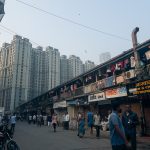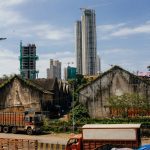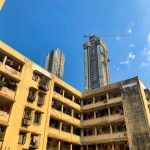
They say, ‘‘Mumbai is the city of dreams’’ and we all resonate deeply with it. From being seven separate islands to forming one entity, Mumbai’s urban fabric has undergone a remarkable evolution. Mumbai has many identities; it is the most diverse city in India because of its rich history, that dates back centuries. It is also India’s financial capital and once an industrial hub, and it all started when textile industries in Mumbai boomed. The textile industry played a significant role as a catalyst for the country’s financial growth.
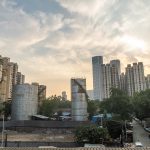
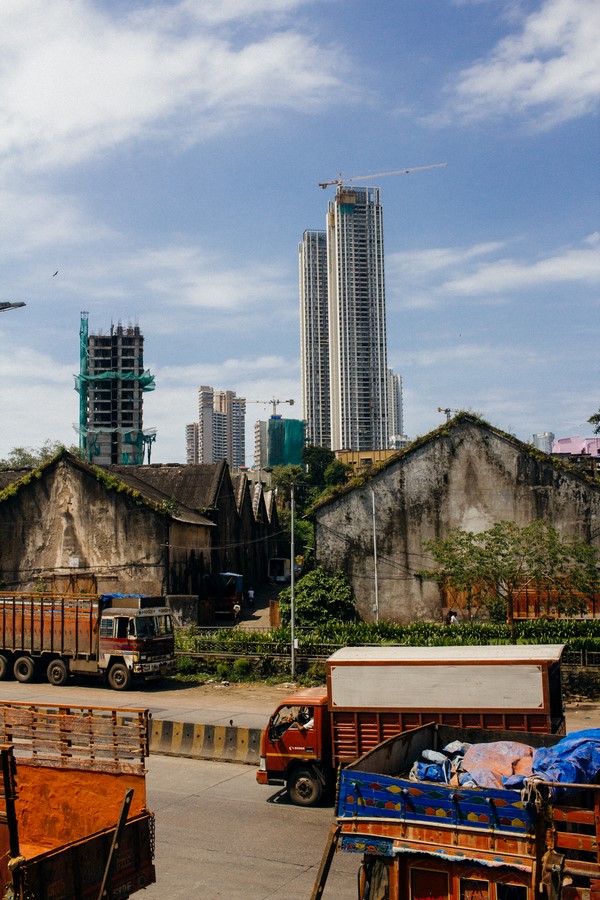
At the time, ‘Cotton’ was Mumbai’s identity. Much of the history of Mumbai revolves around this word. But why cotton? Mumbai was home to over 130 cotton mills. Today, those mills appear and operate entirely differently; some of them are in dilapidated condition and others have swanky makeovers. One of the famous examples is Phoenix Palladium Mall, Lower Parel. At one time, mills were a major part of the city’s architectural identity.
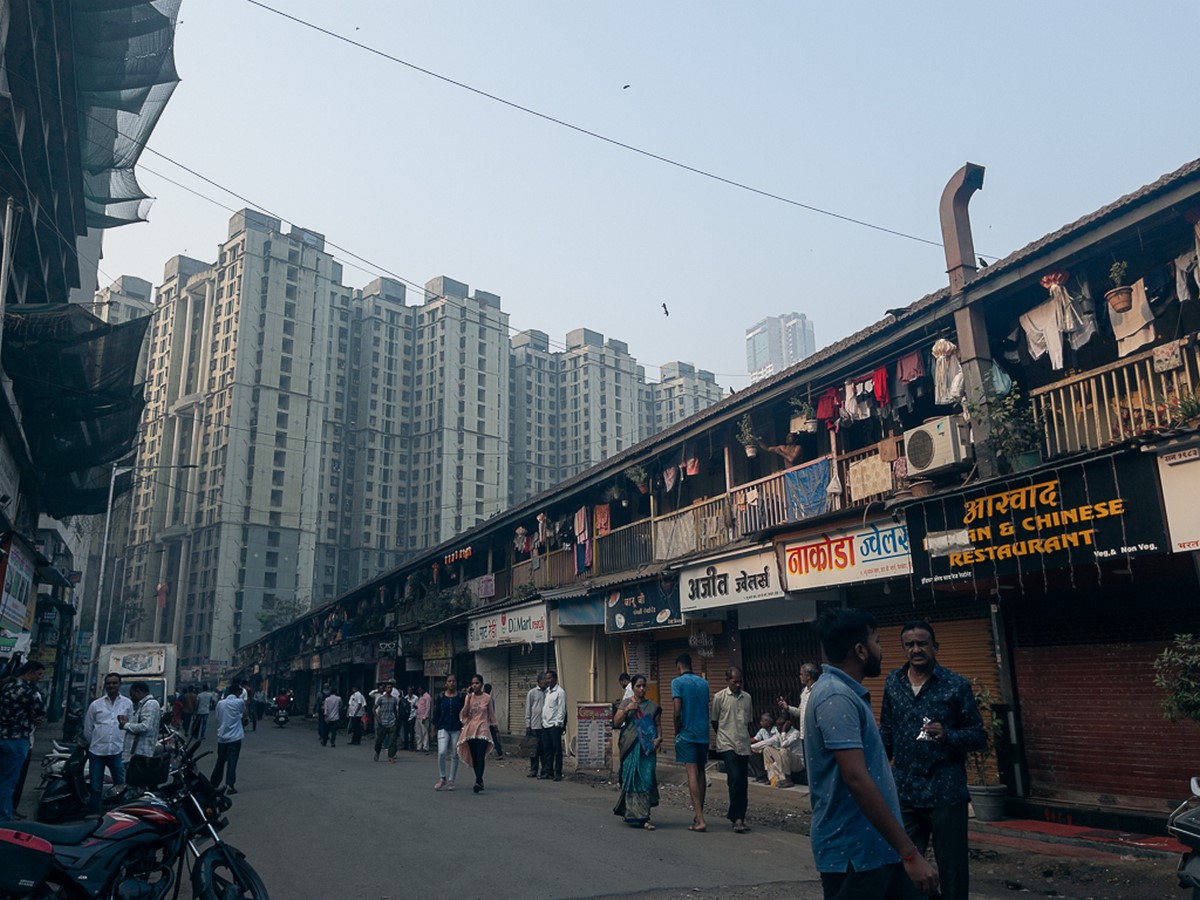
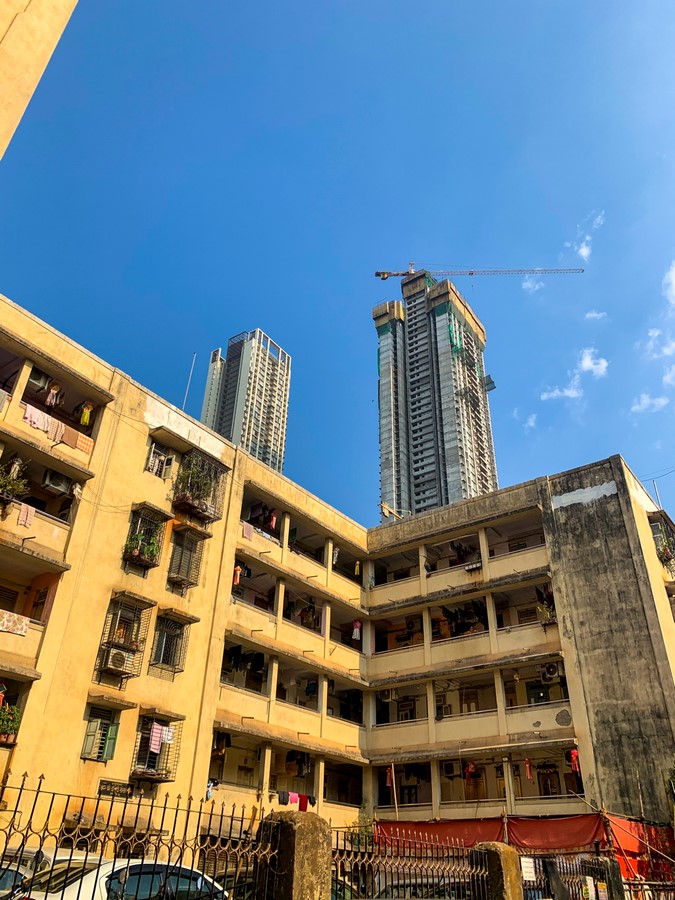
Central Mumbai was the place for cotton trading; the narrative of central Mumbai emerged from cotton mills, and it started being referred to as ‘Girangoan’ [mills village]. Since the cotton business generated employment opportunities in the city and people migrated from all over the country, the housing circumstances evolved to accommodate the working class, and due to this, the area had a lot of residential development for mill workers. When British merchants and officials lived in expansive, spacious, and luxurious bungalows, the mill workers started residing as a community in these chawls, and that is how the chawl culture began. Chawl culture is a community culture. Chawl is typically a two to four-story building with 10 to 15 houses on each floor. These living spaces are as small as a 200 sq. ft area and can accommodate an entire family. Houses are placed one after the other and mainly have long, single-loaded corridors and a huge courtyard in front where all the public festivals take place.
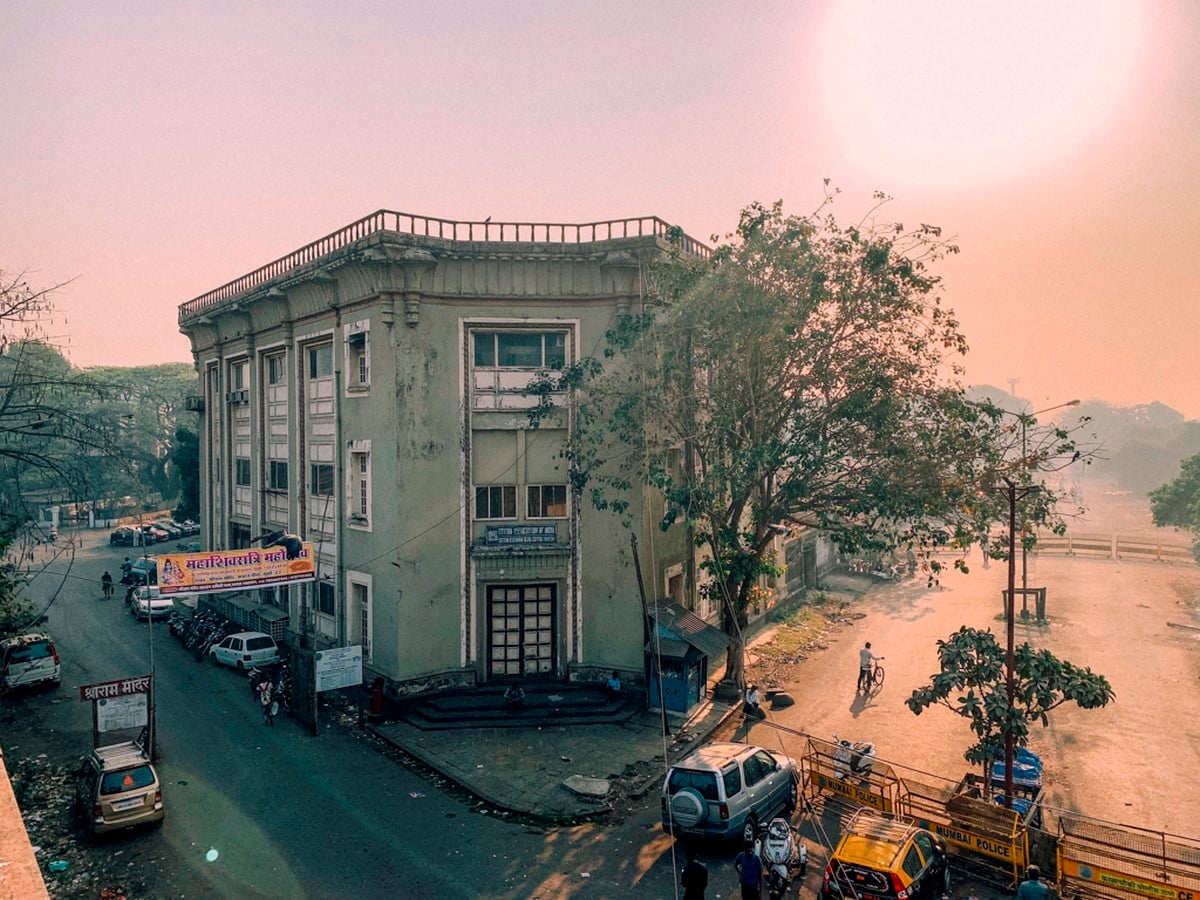
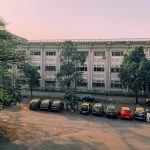
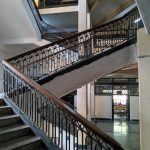
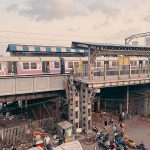
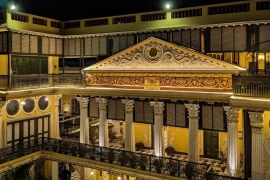
‘The Cotton Association of India’, is a stunning heritage structure of art deco standing tall, just in front of the railway station. When you look at the building, it makes you feel like you have been teleported into the 19th century. The building stands out and, it feels like time is moving forward for the rest of the world but not for this building and the surrounding area.
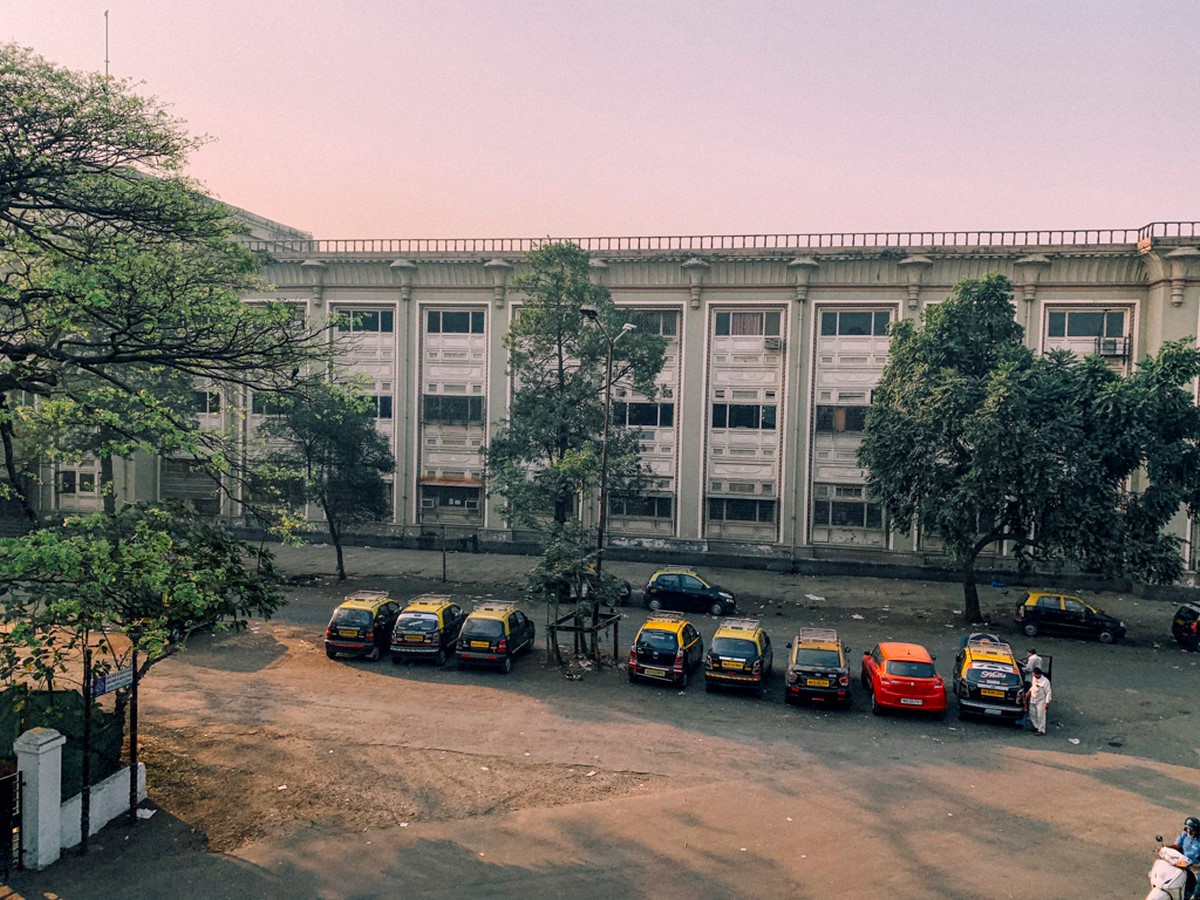
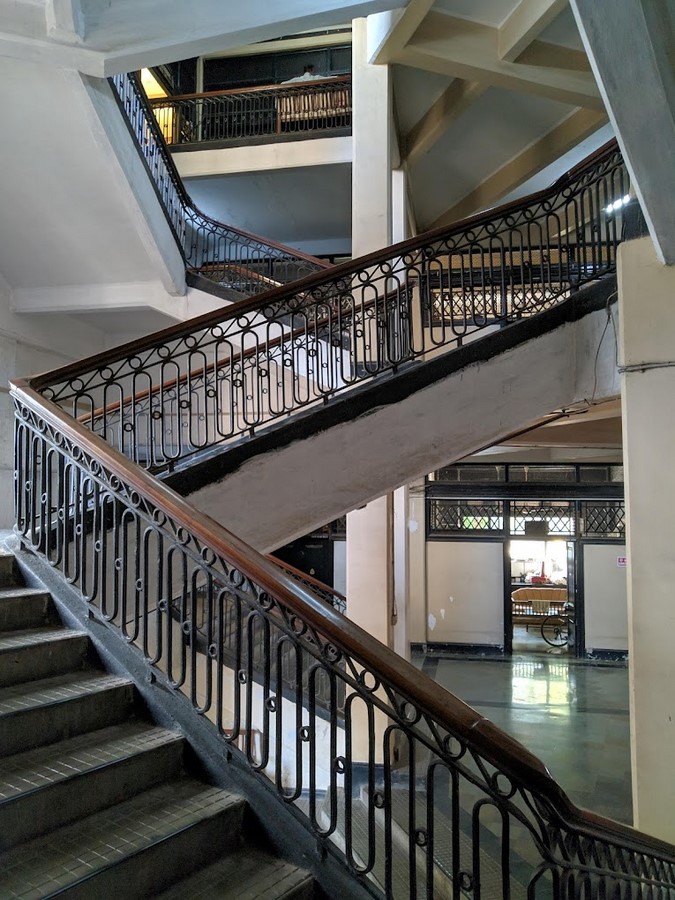
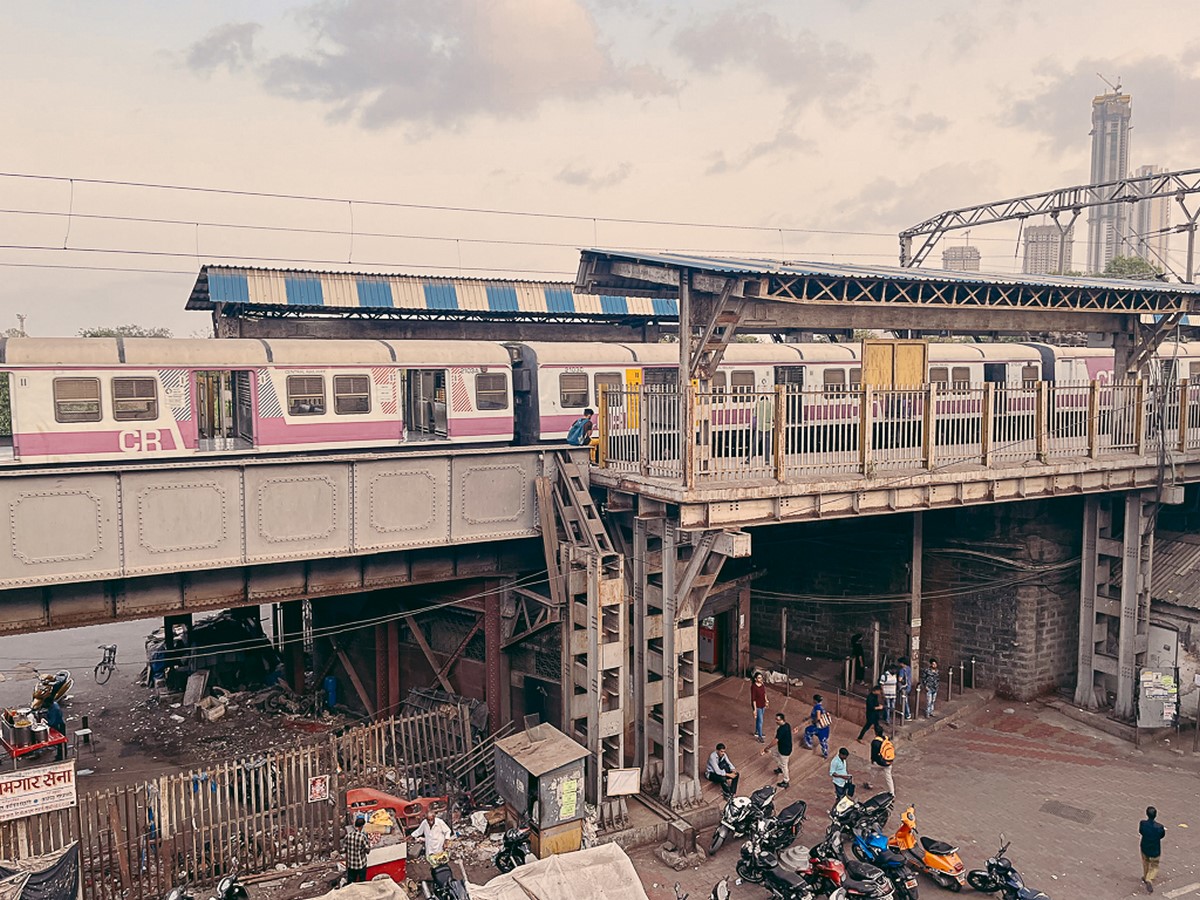
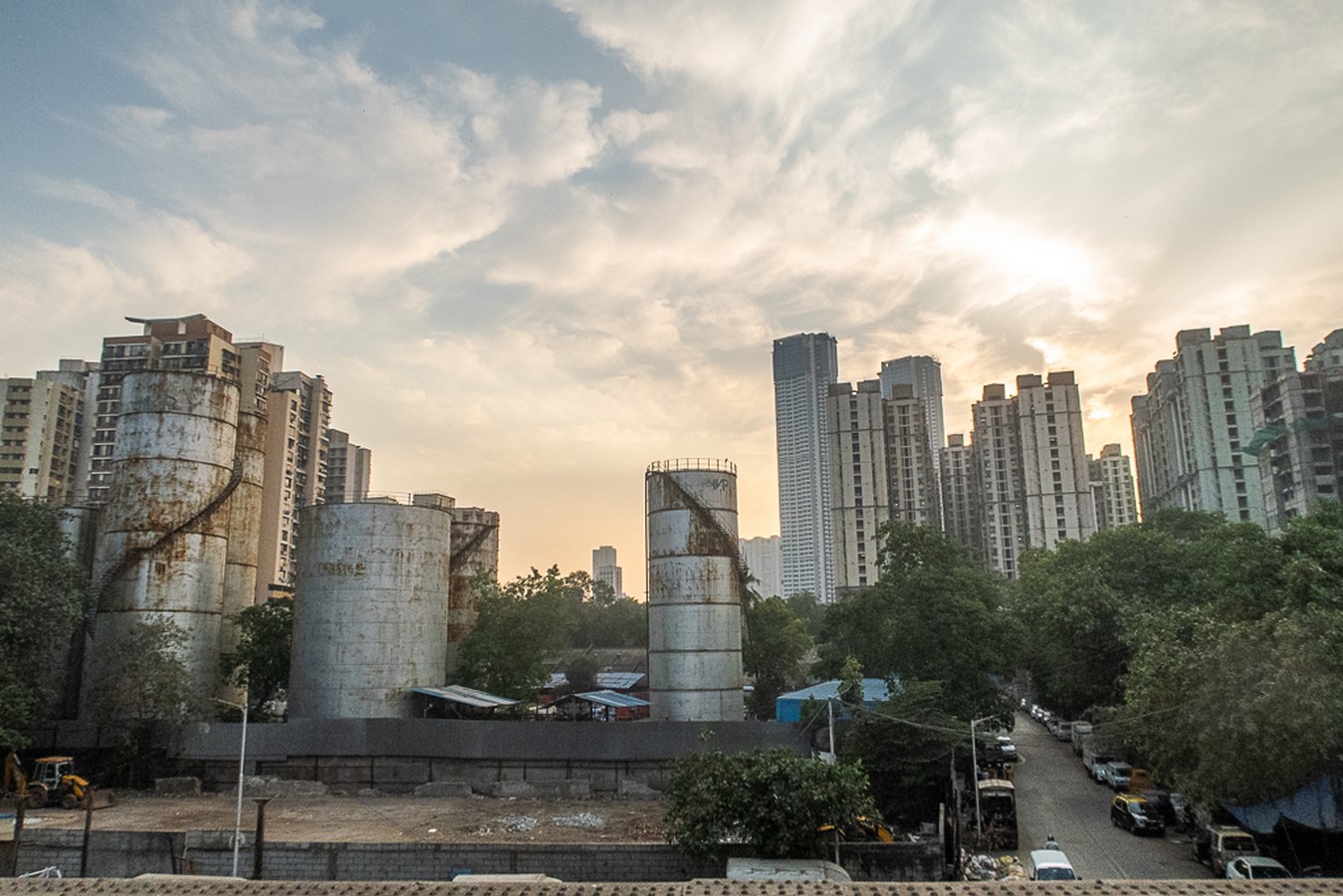
In 2023, after almost a century, the building still reflects its identity and the importance of its history in the cotton trade. The area around the cotton green is Kalachowky, Ferbunder, and Ghodapdev. Initially, it was formerly a neighborhood area for mill workers and other working-class people, but then with time and the urban development of the area, it has become one of the prime locations in Mumbai.
Bombay style (2019) Art Deco. Available at: https://www.artdecomumbai.com/research/art-deco-bombay-style/ (Accessed: 10 September 2023).
Shivaji Park – the culture and how it shapes its residents (2021) Art Deco. Available at: https://www.artdecomumbai.com/research/shivaji-park-the-culture-and-how-it-shapes-its-residents/ (Accessed: 10 September 2023).
An architecture of style, not ideology: Popular criticisms of Art Deco (2023) Art Deco. Available at: https://www.artdecomumbai.com/research/this-new-architecture-of-style-not-ideology-popular-criticisms-of-art-deco/ (Accessed: 10 September 2023).
Mumbai paused (2023) Cotton Green. Available at: https://mumbaipaused.blogspot.com/search/label/Cotton%20Green (Accessed: 10 September 2023).
Unknown (2015) Exchanging times: Cotton Green, Exchanging Times: Cotton Green. Available at: http://reflectionsofpassions.blogspot.com/2011/12/exchanging-times.html#:~:text=The%20Cotton%20Exchange%20in%20Cotton,sight%20to%20behold%20even%20today. (Accessed: 10 September 2023).
Antion, D. et al. (2019) The lost Mumbai – then and now, Travel India Destinations. Available at: https://travelindiadestinations.com/the-lost-mumbai-then-and-now/ (Accessed: 10 September 2023).