Design of Last School
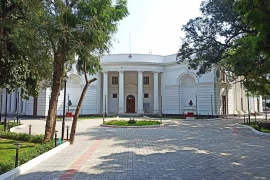
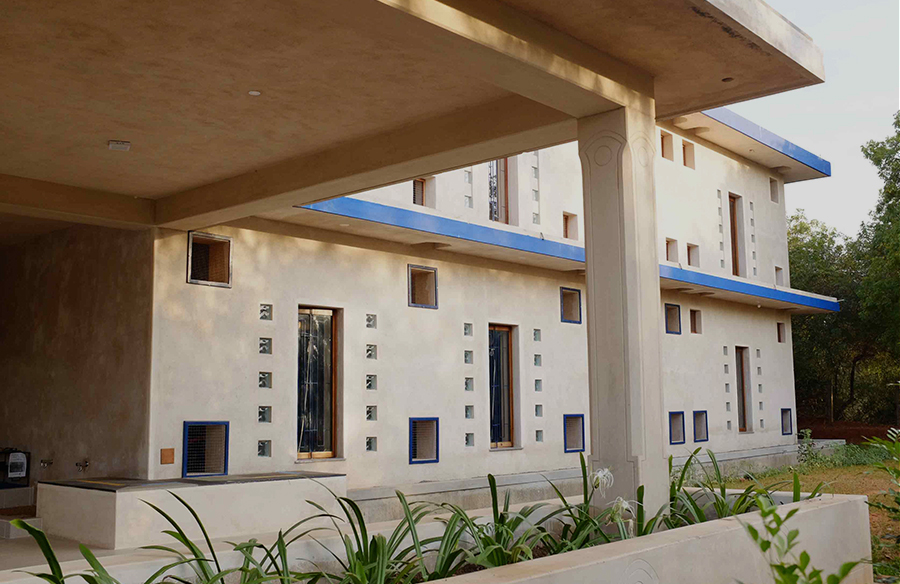
The Last School’s new building was designed by David Nightingale and Ganesh Bala Associate, which was phase 2 of the last school designed by Roger Anger. The school is located in the cultural centre of Auroville. Designing the school with an open plan makes the spaces calm and more connected to the site landscape.
Location: Auroville, Tamil Nadu, India
Project Category: Educational Architecture Built
Architects: David Nightingale and Ganesh Bala
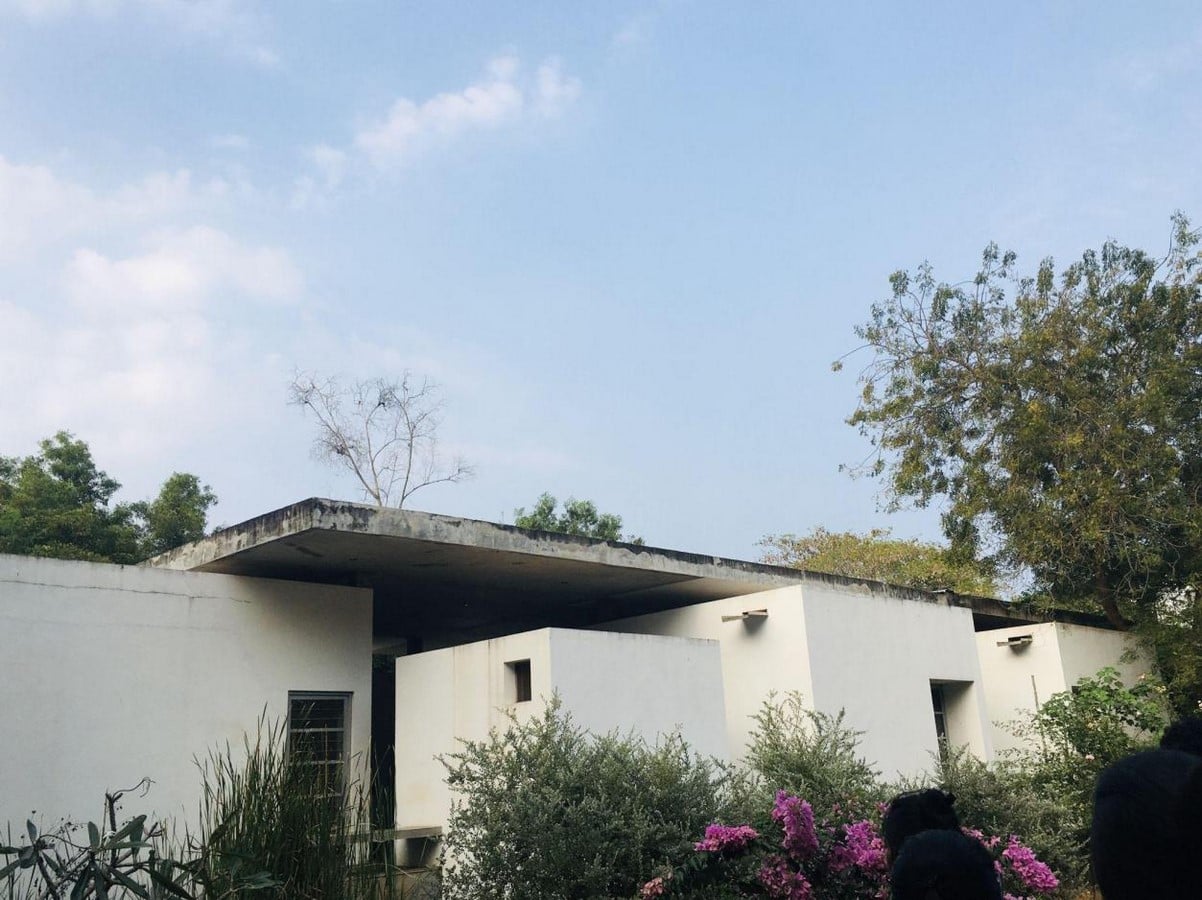
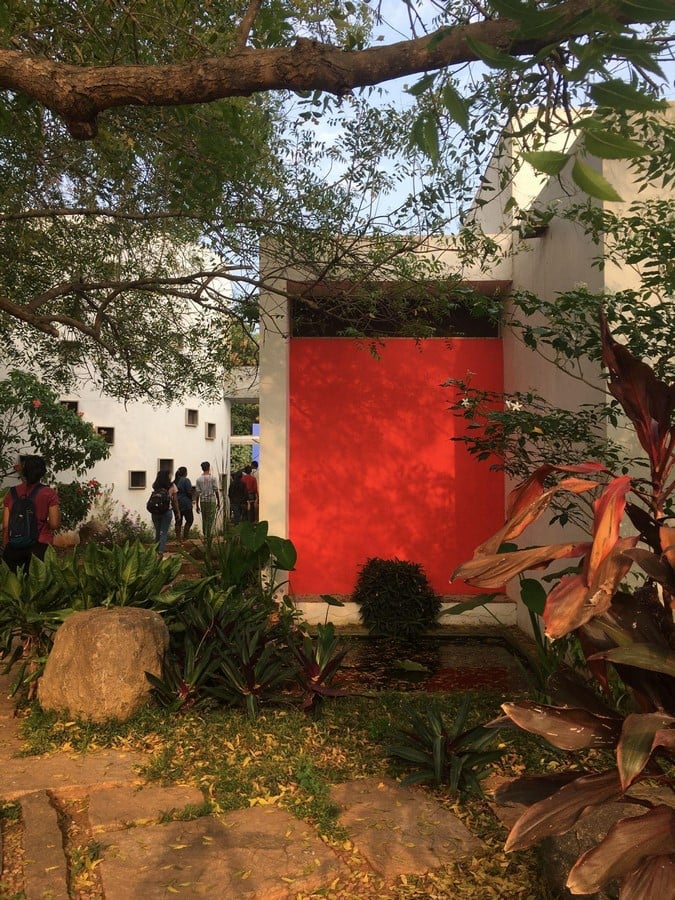
Design & Concept
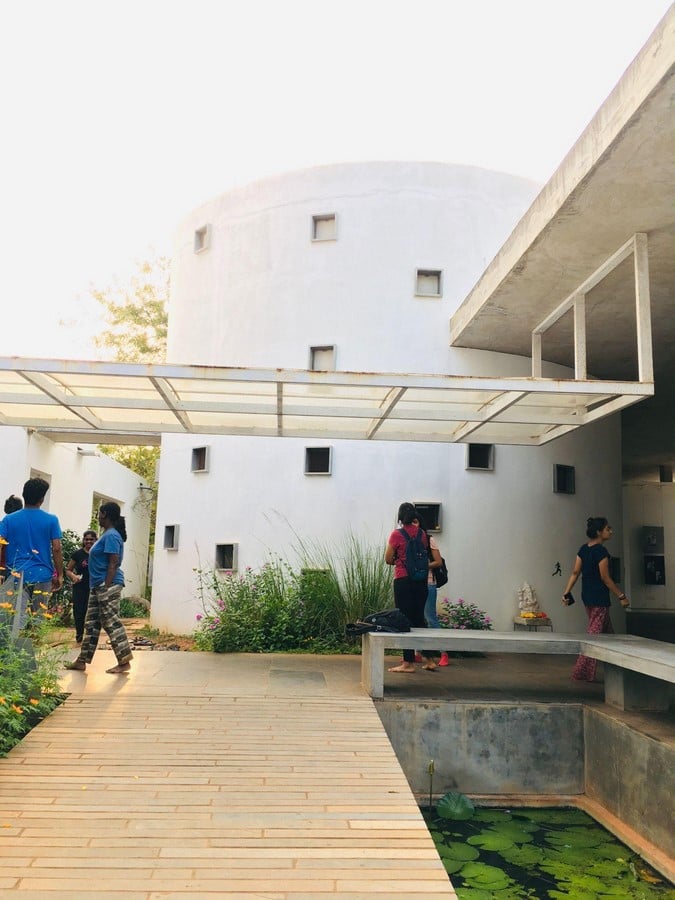
The block is placed in the centre of the site to enhance the landscape and natural lighting in the structure. The entrance is welcoming, and the light ramp connects directly to the 2 story cylindrical room used as a meeting space and has small cube windows to allow natural light. All interconnected rooms with a small void space and a corridor with a lot of seating spaces.
The Auroville education is based on the concept of Free Process, which allows the students to have a different approach to the school curriculum and school structure and programs to be diverse and supple. Last School is designed for students to learn art, craft and sculpture, making along with natural learning.
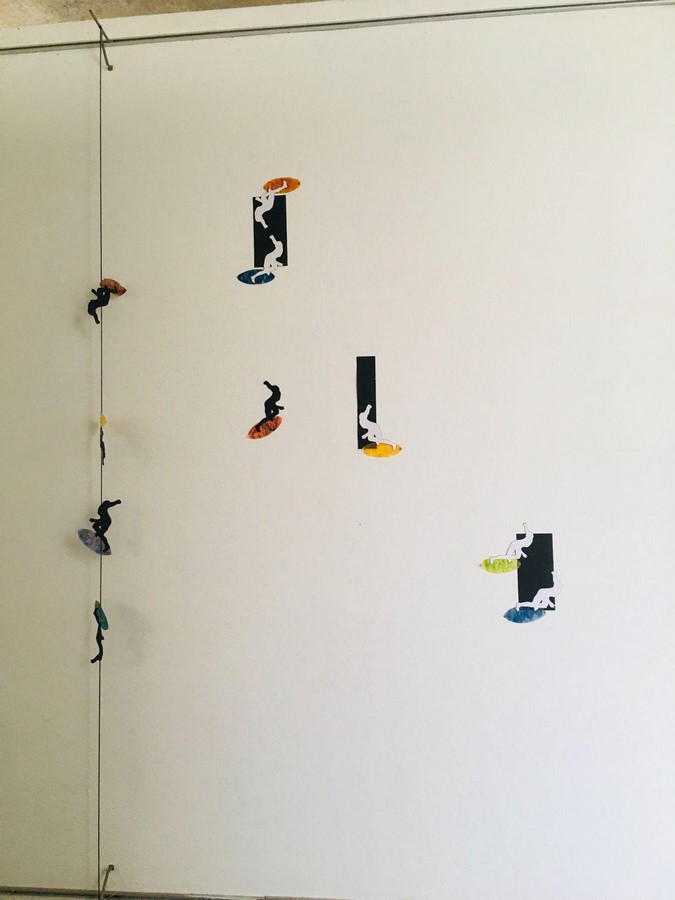
The walls are painted in a neutral colour and allow students to display the art and craft works that become art insulation and also help with students’ engagement. All classrooms have single concrete ceilings, walls are not directly touching the roof, and they are connected with only columns, this is because of making the room bright with natural lighting. They made the classroom doors of wood and glass to make the space more connected.
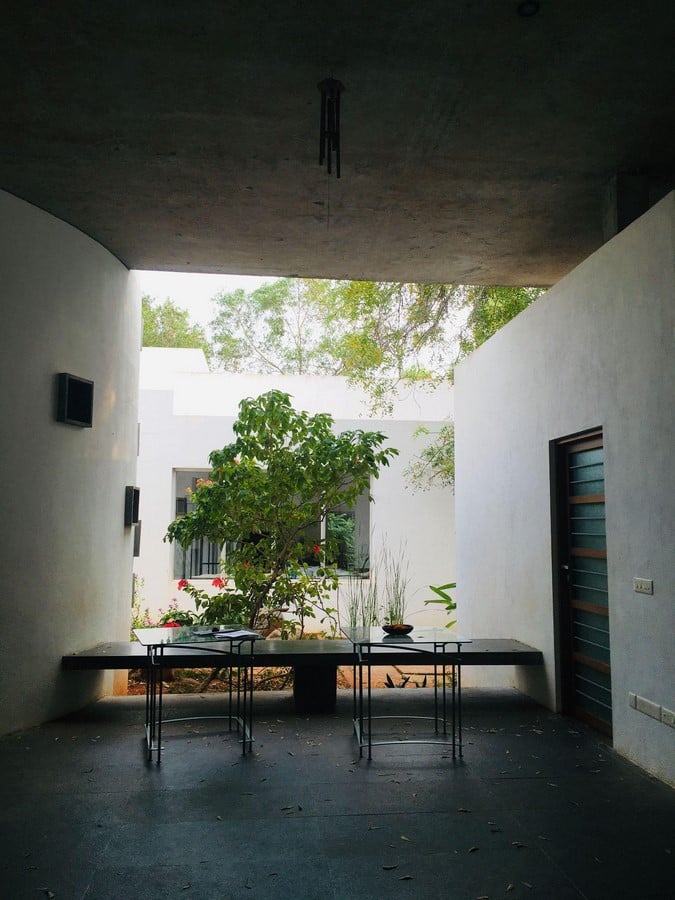
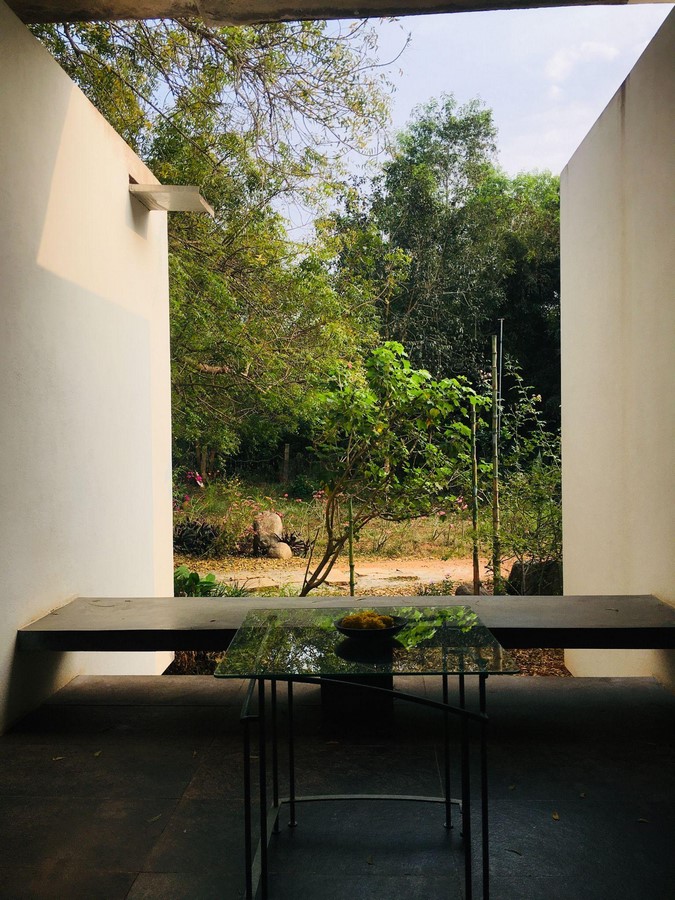
The classrooms are separated with seating space that also connects the student. Integrating the landscape into the structure is a clever concept for encouraging calming corridors. The floor is made of a Kotta stone finish, which gives a raw natural feel at also darkens a Lot of windows and small slits, giving a fresh environment and helping the children’s classes use the ideas of Mother and Sri Aurobindo.
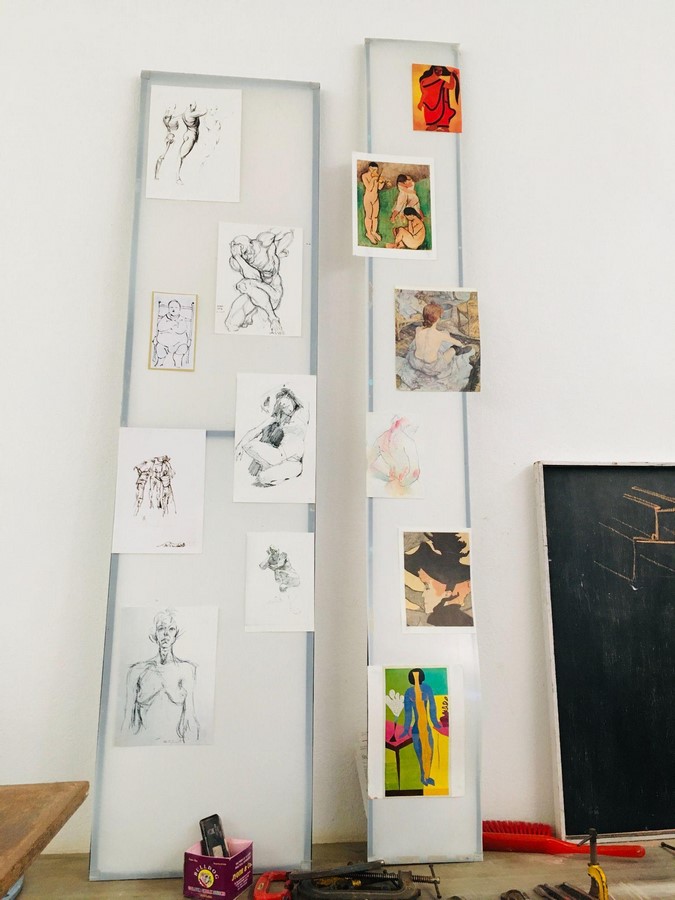
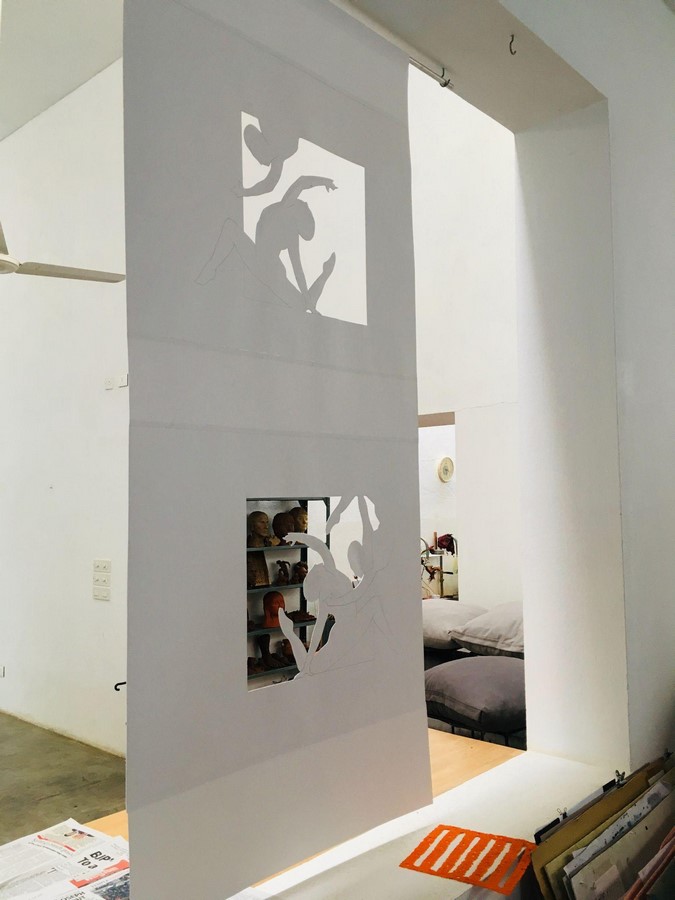
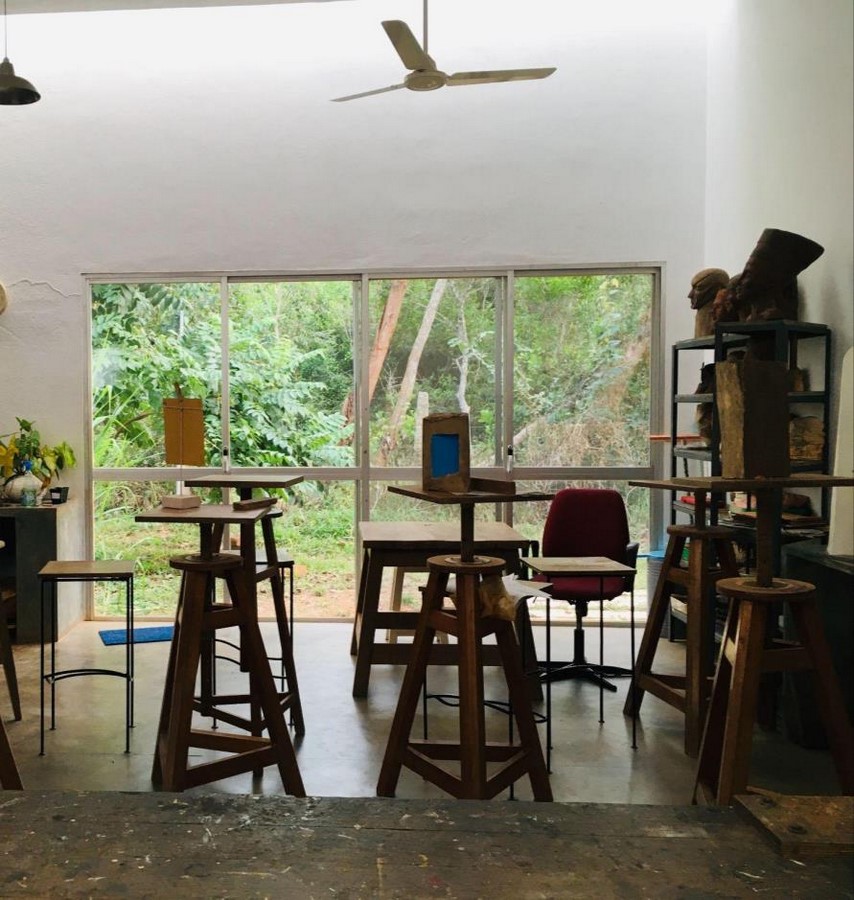
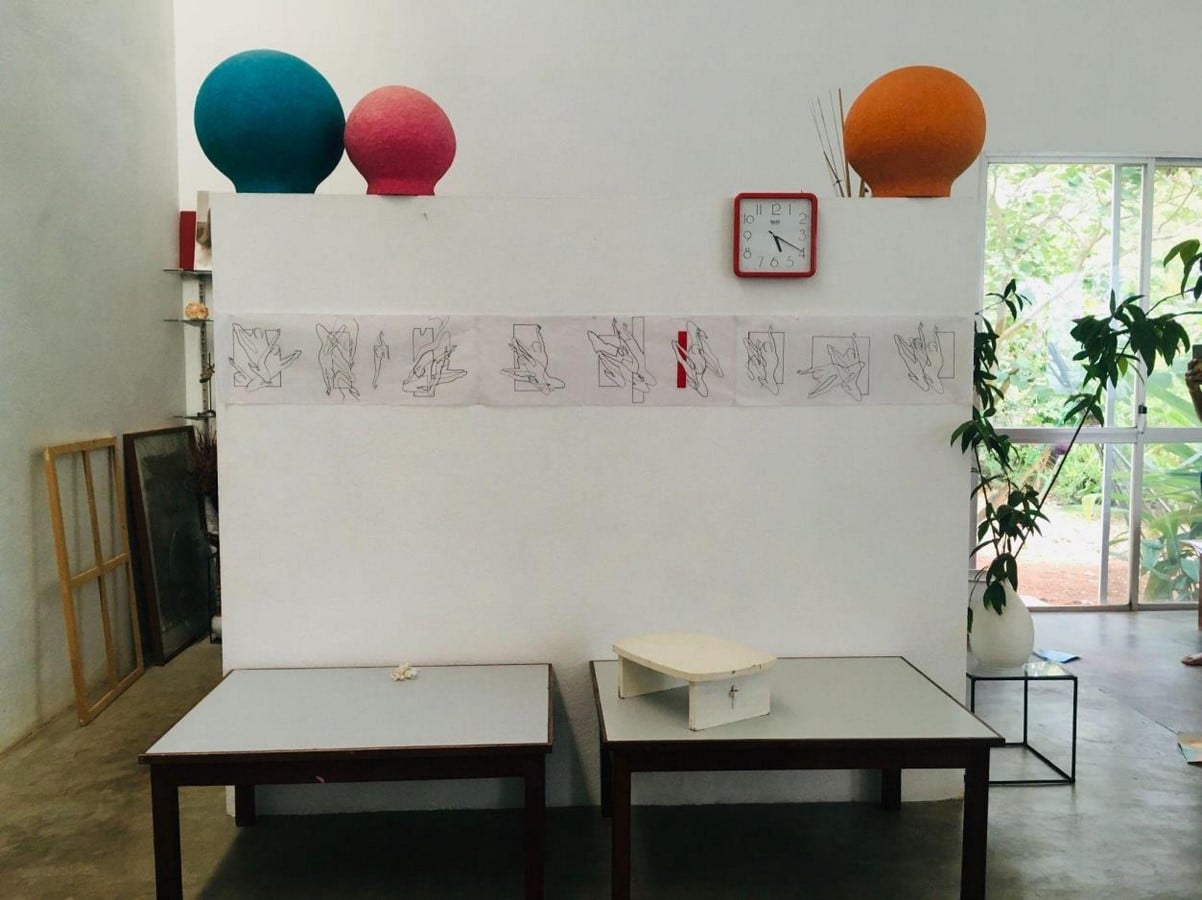
Art and Craft Space
The creating space and surrounding infrastructure influence the people’s actions and experiences in the way they live. Sidewalks are wide, clean, and protected, and the crosswalks are accessible for all pedestrians. Building connectivity with the building environment as the surface exhibits the landscape, keeping the constant conversation between the classroom and the overall site. The last school’s design purpose is to bring the people and the activities close enough to walk and live in a lively environment. The public areas are interconnected in the manner of activity bases, infrastructure and priority areas for particular spaces. This leads to a mix of activities on the street from morning to night, making it safe and more interesting. Each and every wall and space can be used for various purposes for display, conducting workshops and other educational purposes.
- Online sources
Auroville Architecture [online]. (Last updated 20 May 2015). Available https://auroville.org/page/last-school
Auroville Learning Available at https://auroville-learning.net/av_unit/last-school/
- Images/visual mediums
Citations for images/photographs – Print or Online:
Karunya. (2020). [Photograph]. By, I took it while I was visiting the auroville.