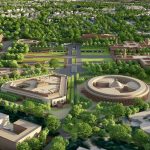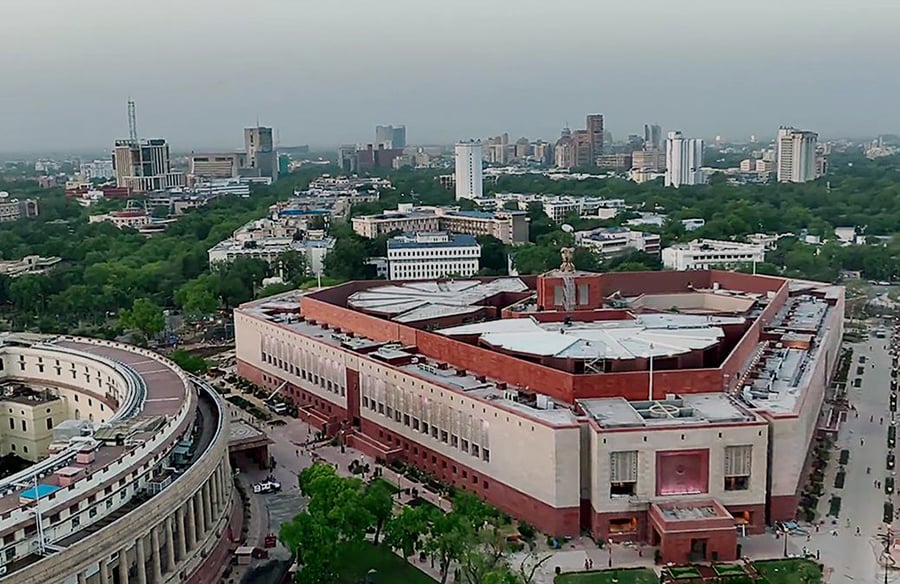
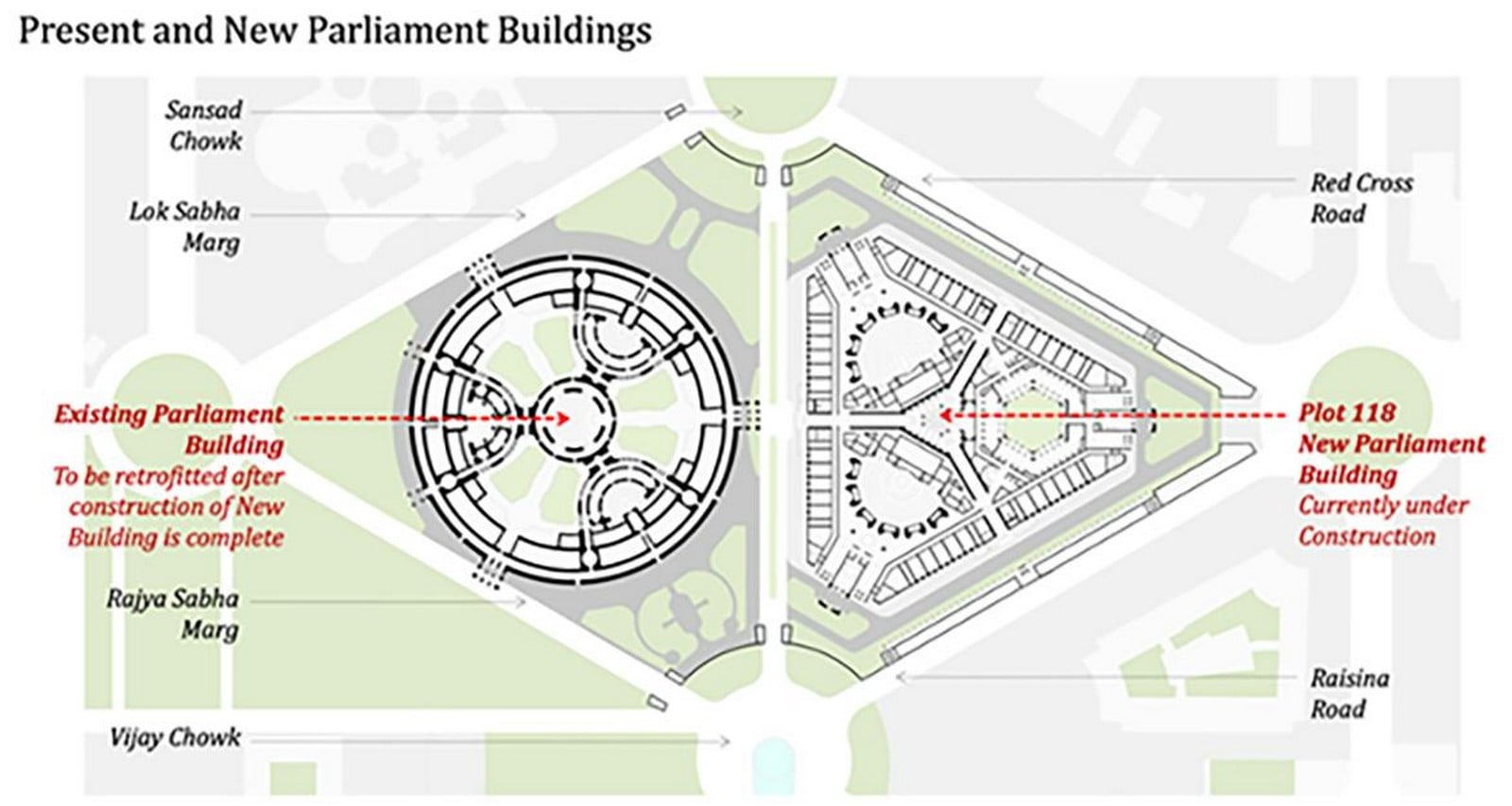
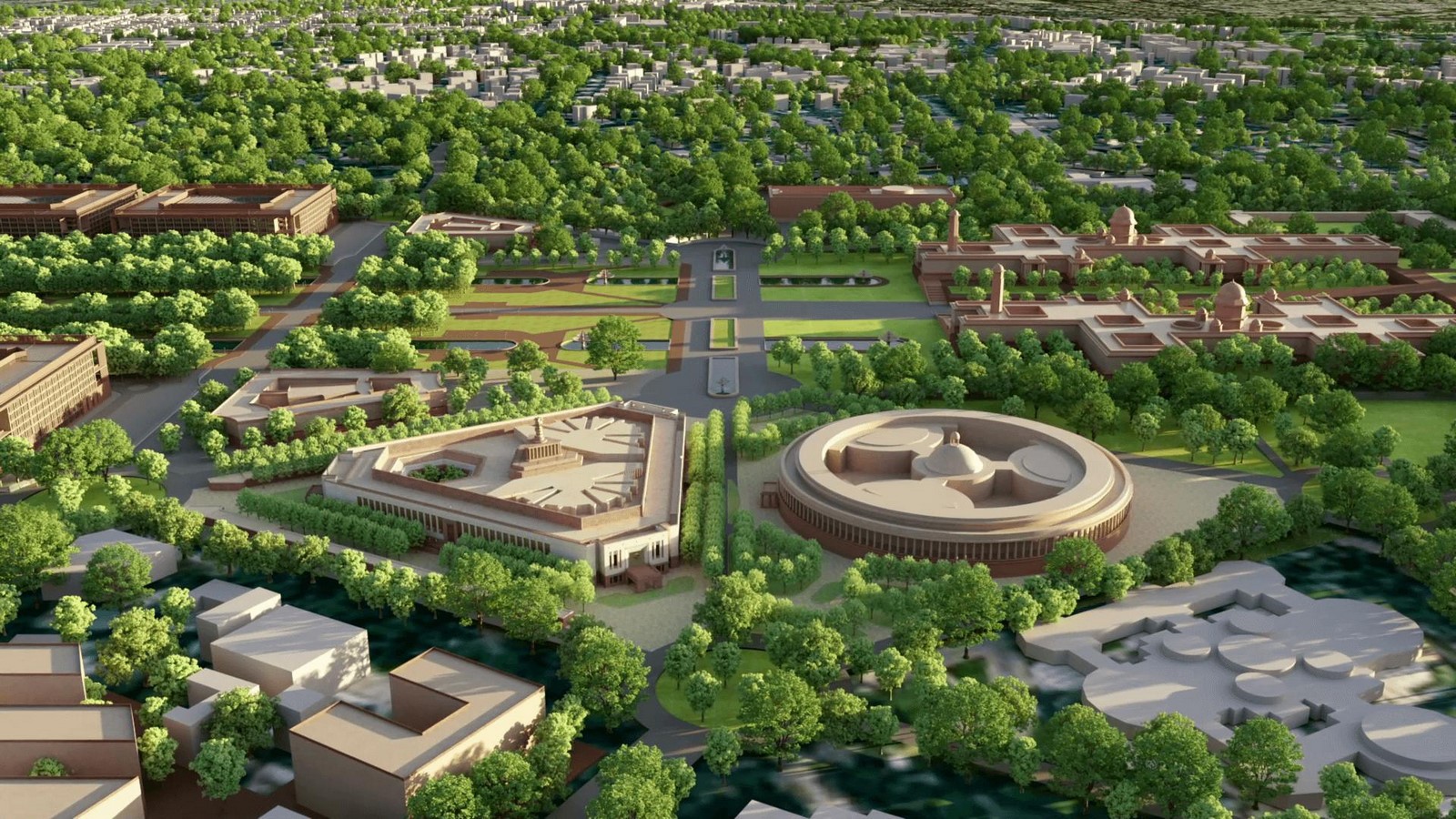
The prime minister inaugurated the new parliament building as a significant mark of the 75th Independence year. The new parliament building, or Sansad Bhavan, constructed as a part of the Central Vista Redevelopment Project in New Delhi, is located on Sansad Marg. Several well-known landmarks surround it, including the Old Parliament House, Vijay Chowk, India Gate, National War Memorial, Vice President’s House, Hyderabad House, Secretariat Building, Prime Minister’s Office and residence, ministerial buildings, and other administrative offices of the Indian government. Architect Bimal Hasmukh Patel of Ahmedabad-based HCP Design, Planning and Management Pvt. Ltd. designed the new parliament building. We’ll examine the New Parliament building’s journey, features, design and sustainability.
Need for the New Parliament Building
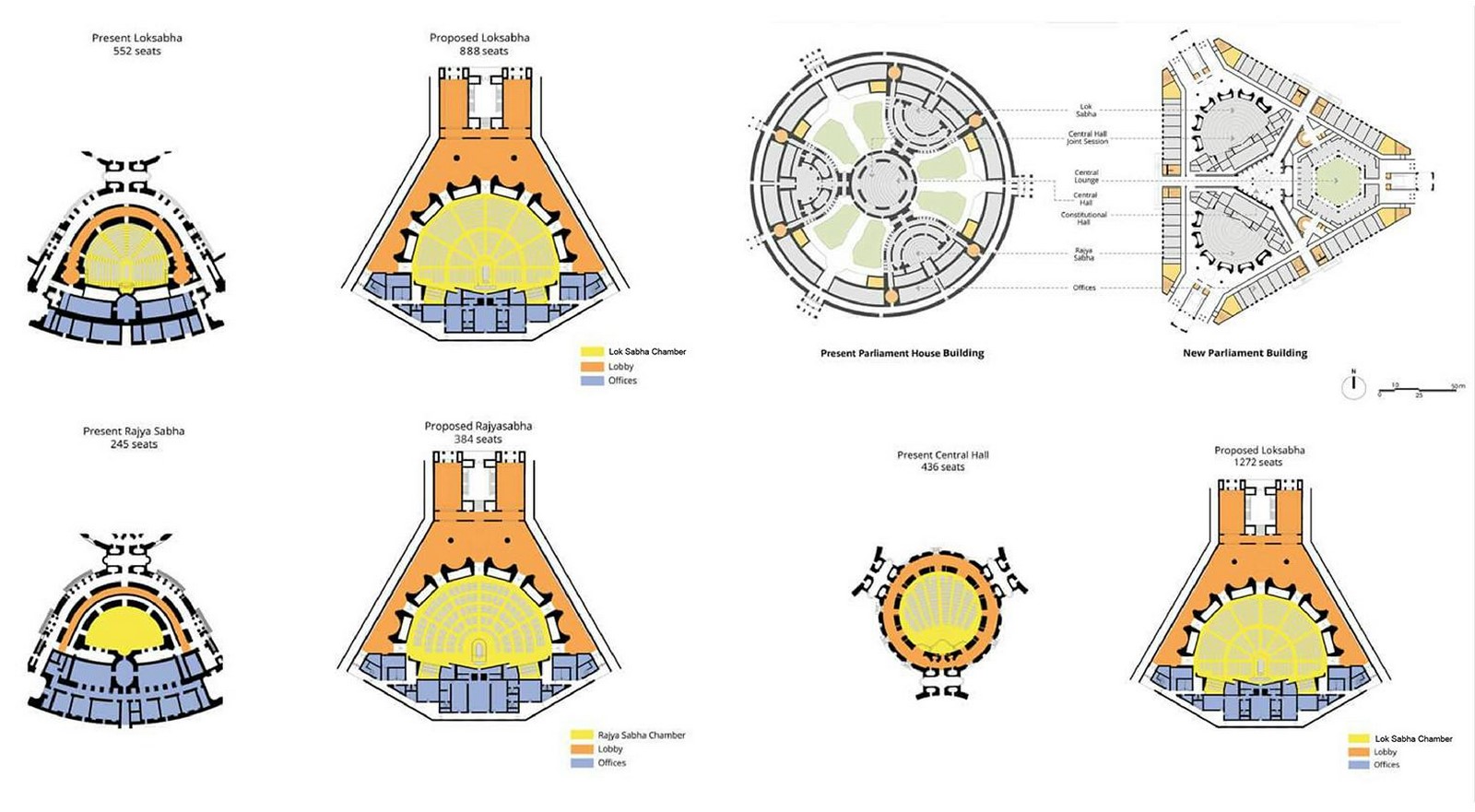
The proposals for a new parliament building started emerging in 2010 when the structural stability and safety of the old parliament became a concern. Over the years, the number of people working in the parliament and visitors increased. The original structure was never intended to house a bicameral legislature for a full-fledged democracy. The number of Lok Sabha seats has been the same at 545 since the delimitation based on the 1971 census. It is likely to rise significantly after 2026, as the total number of seats is only frozen until then. Past the second row, there are no desks, and the seating is cramped and uncomfortable. The Central Hall can only accommodate 440 people. When the Joint Sessions are held, limited seats become even more acute. It also poses a significant security risk due to the limited movement space.
The original parliament building, which is almost 100 years old, is a Grade I heritage structure with no documented plans or records of the original design. And so, temporary modifications and constructions were done ad hoc manner. Unplanned services caused seepages and damaged the building’s appearance. Because current fire regulations did not design the building, fire safety is a major concern. Many new electric cables have been put in, creating a potential fire risk. The communications infrastructure and technology in the current Parliament House need to be updated. All the halls’ acoustics need to be greatly improved.
The structural safety of the original building became a concern. The original Parliament building was constructed when Delhi was in Seismic Zone II, and the earthquake intensity was low. In Seismic Zone-IV, the earthquakes hit can be of fairly high intensity.
These concerns culminated in the construction of the new parliament building that we see today.
Design Philosophy of the New Parliament Building
The new Parliament building in India is a testament to the harmonious integration of tradition, sustainability, and functionality. With carefully planned landscaping and green spaces, the building seamlessly blends with the natural environment, creating a serene and aesthetically pleasing atmosphere. Incorporating lush gardens, tree plantations, and biodiversity-promoting features enhances the surroundings and showcases a commitment to preserving nature. The building follows green building techniques and materials. The new Parliament building is designed to be sustainable, with its electricity reduction and water harvesting systems. With an emphasis on long-term durability and minimal maintenance requirements, this architectural marvel is poised to serve the nation for the next 150 years. It stands as a symbol of India’s dedication to democracy, environmental consciousness, and inclusive architecture.
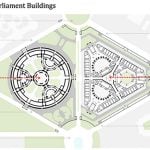
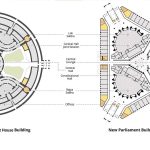
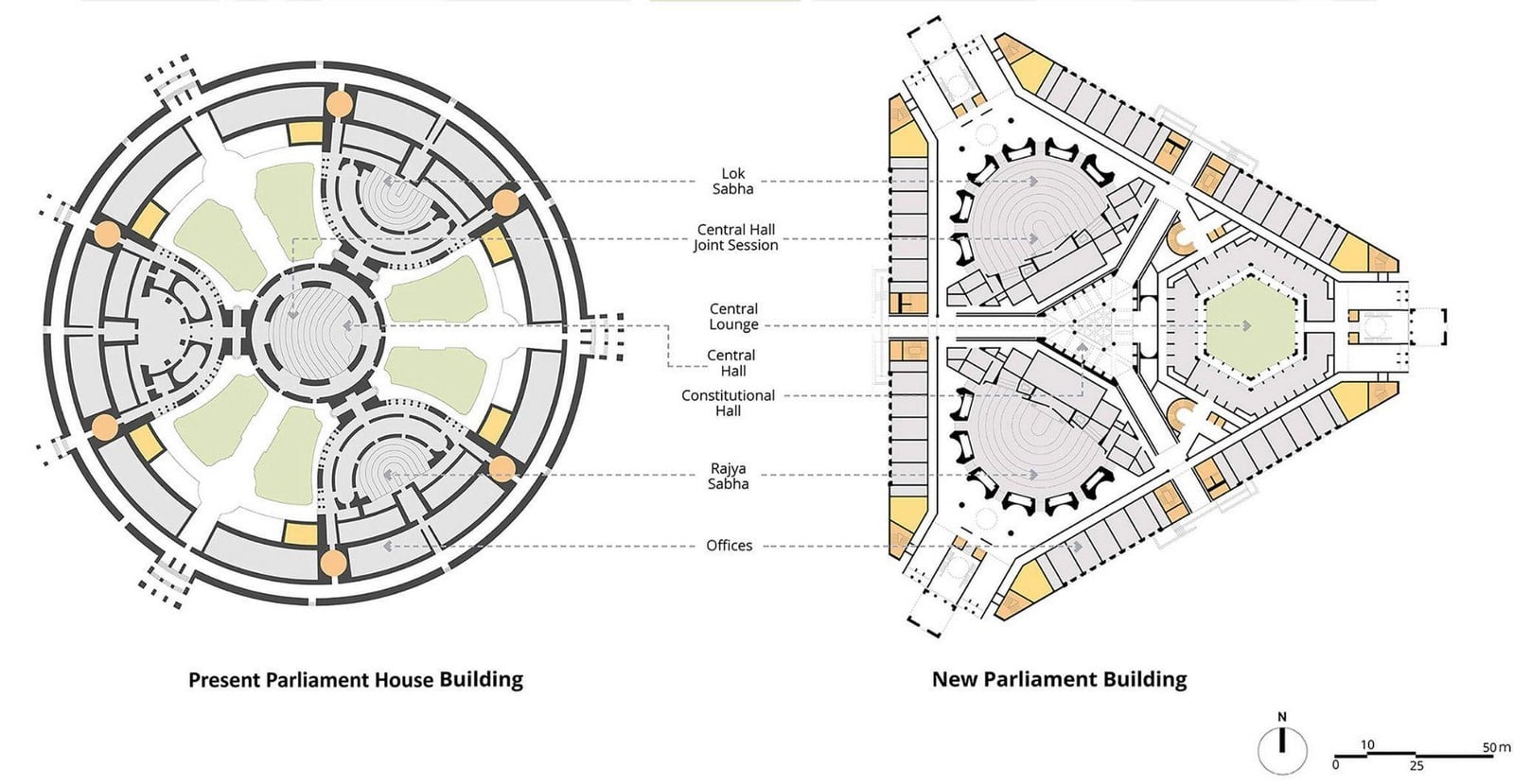
Triangular Shape: The new Parliament building is distinguished by its triangular shape, influenced by the plot of land it is built on. The design unifies various religious sacred geometries and complements the existing Parliament building.
Earthquake-Safe Structure: Recognizing the seismic vulnerability of Delhi, the new Parliament building has been engineered to be earthquake-safe. It meets stringent safety standards to protect occupants during seismic events.
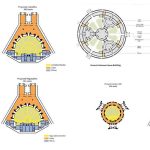
Lok Sabha Chamber: The Lok Sabha chamber in the new building showcases a peacock theme, with intricate designs inspired by the feathers of the national bird adorning the walls and ceiling. The chamber offers an increased seating capacity, accommodating 888 seats, with the option for further expansion up to 1,272 seats. It will also serve as the venue for joint sittings of both houses in the absence of a Central Hall, a significant feature of the old building.
Rajya Sabha Chamber: The Rajya Sabha chamber features a lotus theme, symbolising purity and spirituality, and is adorned with red carpets. It offers an enhanced capacity to accommodate 384 Members of Parliament, compared to the previous capacity of 250. Each MP will have a touch screen on their desk, promoting digital engagement and efficient functioning.
Integration of Materials from Across India: Construction materials sourced from various parts of India have been used in the interior and exterior of the new building. Sandstone from Sarmathura in Dholpur and granite from Lakha village in Jaisalmer, both in Rajasthan, have been utilised. The wooden architecture design incorporates wood from Nagpur, and traditional hand-knotted carpets from Bhadohi weavers in Uttar Pradesh contribute to the building’s aesthetic.
Technological Advancements: The new Parliament building embraces digitalisation by digitising all records, including House proceedings, questions, and other business. Tablets and iPads are integrated into the functioning of the Parliament, enhancing efficiency and accessibility to information.
The Parliament building follows Vaastu Shastra, an ancient Indian architecture tradition. At all entrances, guardian statues of auspicious animals, such as elephants, horses, eagles, and swans, are exhibited by their significance in Indian culture and Vaastu Shastra. Mythical creatures like the shardula and Makara are also represented, adding a touch of mysticism and symbolism to the architectural design.
The new Parliament building is energy-efficient and sustainable. The design includes ample natural lighting and ventilation, minimising the need for artificial lighting and air conditioning. Energy-saving technologies, such as LED lighting and efficient HVAC systems, are employed throughout the building. Additionally, renewable energy sources, such as solar panels, generate clean energy for powering the premises.
The new Parliament building is accessible and inclusive. Ramps, elevators, and other assistive technologies are seamlessly integrated into the design, ensuring that all visitors, including differently-abled individuals, can easily access and navigate the building.
Conclusion
The new Parliament building in India is not just a symbol of democratic governance but also a testament to the country’s commitment to sustainable design and environmental responsibility. This architectural marvel showcases the harmonious integration of tradition, functionality, and sustainability through its distinctive features, design philosophy, and sustainability initiatives. Every aspect of the building reflects India’s rich cultural heritage, from its triangular shape and earthquake-safe structure to the Lok Sabha and Rajya Sabha chambers adorned with symbolic themes. Integrating materials from across the country and embracing technological advancements highlight the nation’s unity and progress. Moreover, the emphasis on energy efficiency, sustainability, and inclusivity demonstrates India’s dedication to environmental stewardship and creating a space that caters to all. The new Parliament building is a beacon of India’s design philosophy, showcasing the nation’s commitment to democracy, sustainability, and a greener future for future generations.
Online sources:
Centralvista.gov.in. (2020). New Parliament Building | Parliament of India | Central Vista. [online] Available at: https://centralvista.gov.in/new-parliament-building.php.
Drishti IAS. (n.d.). India’s New Parliament House. [online] Available at: https://www.drishtiias.com/daily-updates/daily-news-analysis/india-new-parliament-house [Accessed 10 Jun. 2023].
TimesNow. (2023). New Parliament building: Know the Vastu significance of the triangle shaped building. [online] Available at: https://www.timesnownews.com/spiritual/new-parliament-building-the-vastu-reasons-behind-the-construction-of-the-new-parliament-building-article-97573565 [Accessed 10 Jun. 2023].