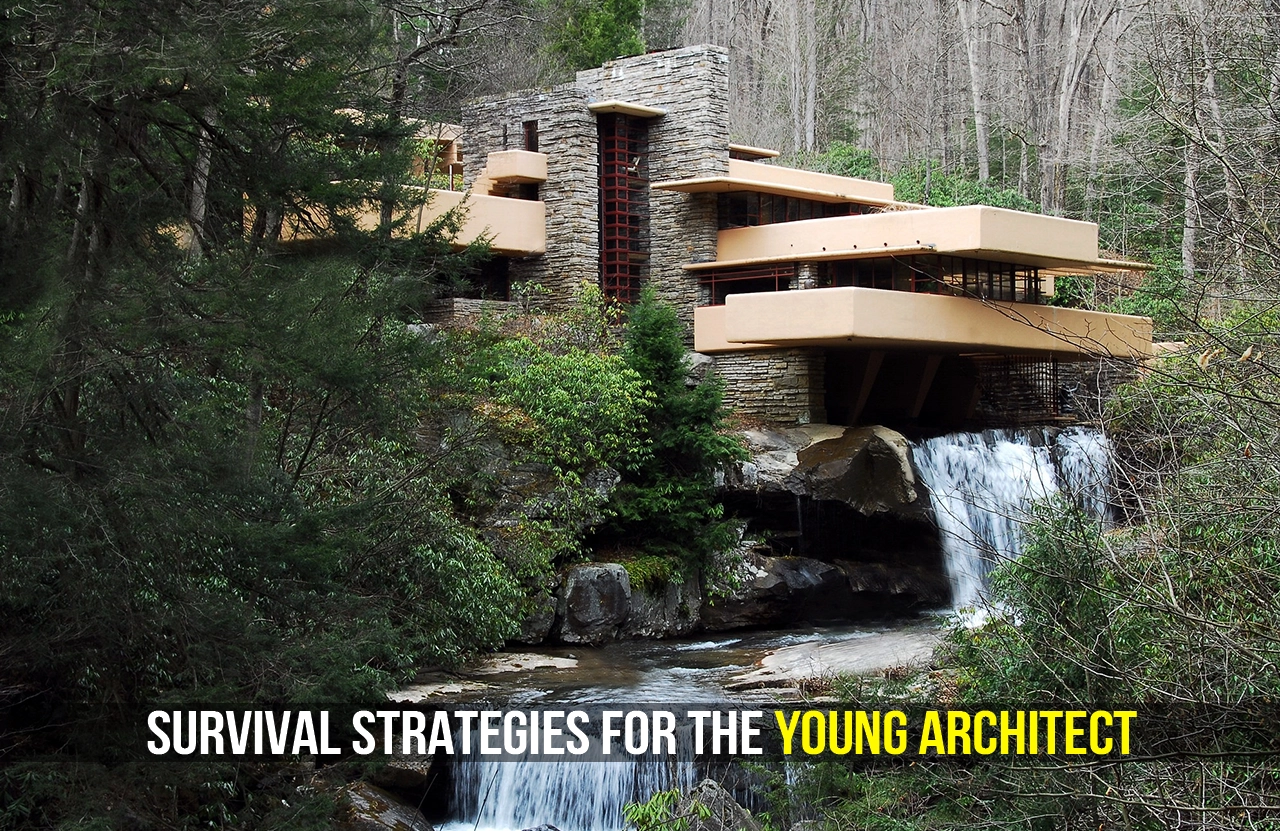
As the title suggests, this article briefly discusses some areas and techniques an entry-level young person in the field of architecture must focus on and adapt to in order to survive well and become suited to the profession. Moreover, these tactics and strategies do not intend to simply secure a good job or a settled career; rather, if followed sincerely, they enable young architects to contribute meaningfully to the design field and help create better living spaces in the world.

-
Focus on Sustainability and Organic Architecture
Sustainability is no longer an optional design approach; it has become a fundamental responsibility. Buildings and construction today contribute roughly over 40 percent to global energy use and carbon emissions, making them a major source of environmental impact. Therefore, it is essential for young architects to adopt environmentally conscious practices from the very beginning of their careers. Sustainable architecture promotes the use of local materials, passive design strategies, and climate-responsive planning, while also enhancing human well-being through healthier living environments.
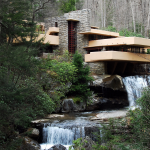
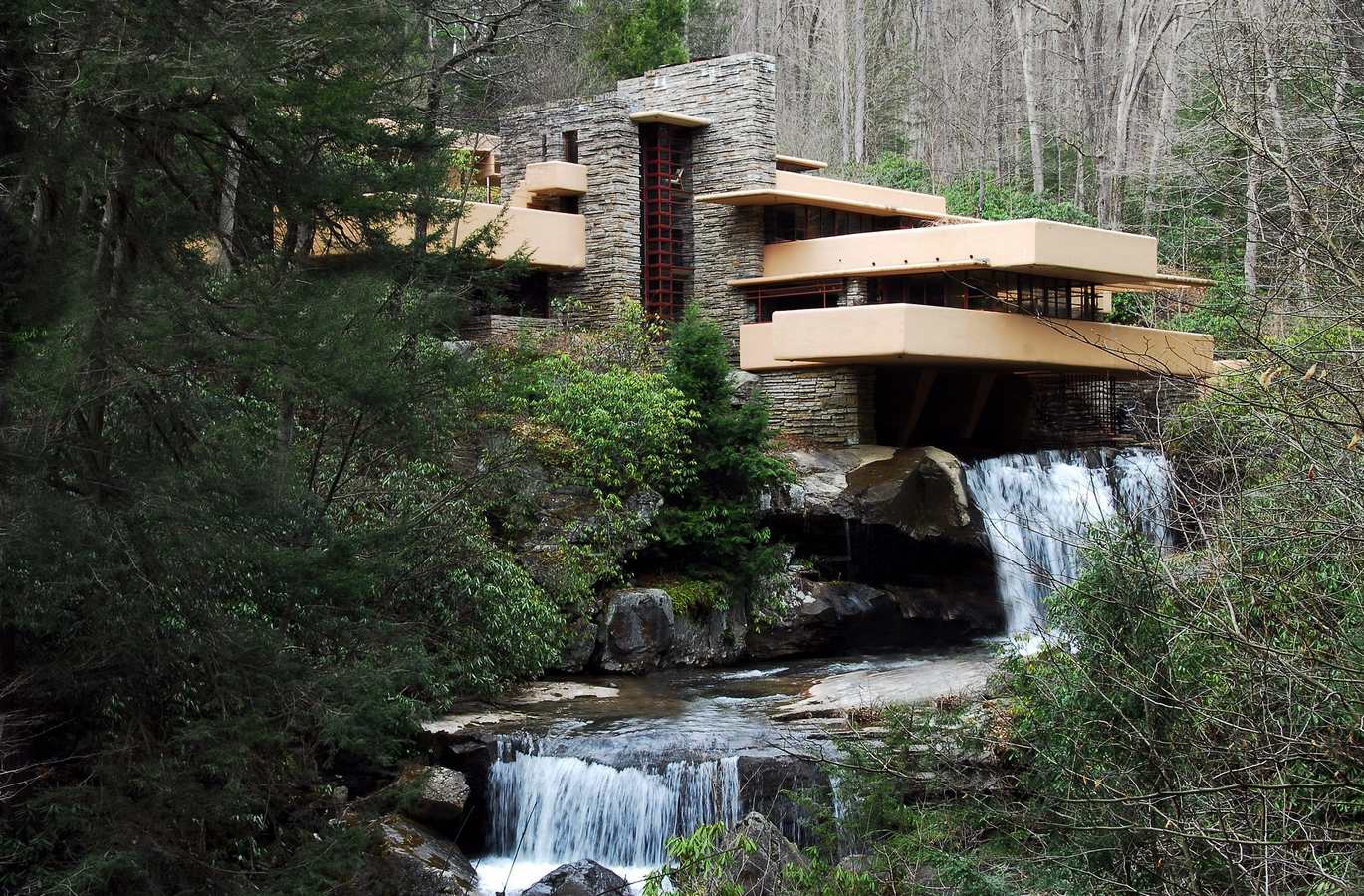
However, the design field must move beyond sustainability alone and evolve towards a more organic approach. Natural landscapes, ecology, and environmental systems must be respected and integrated. Nature is neither separate from human living nor merely an inclusive part of it; rather, humans are a small portion of it. Architectural design must allow humans spaces to immerse themselves in and get connected to the natural environment, promoting a harmonious life with nature. Human environments must be equivalent to the living spaces of other creatures for shared survival.
-
Adapting with AI Technology in Designing
Artificial intelligence is a rapidly growing technology and, in fact, it seems to be becoming a historic landmark in the human technological race. Architectural practice has also commenced involving AI, making it essential for young architects to adapt rather than resist and become incompetent. By integrating AI with design thinking, architects can achieve both innovation and precision. It also supports data-driven decisions related to materials, performance, and spatial planning. Learning these tools early allows young professionals to be capable of responding effectively to complex design challenges in a rapidly evolving technological landscape.
-
Enhancing Creativity through Daily Practice
However, AI must act as a collaborative tool that expands possibilities; it should not replace human creativity. Creativity is one of the most underestimated skills in the present world. The field of architecture and design especially involves the vital importance of this skill. For young architects, creativity is highly necessary. One must have access to a relaxing space and an allotted time duration in a day for creativity enhancement in design. Engaging in daily creative exercises—such as sketching, conceptual thinking, or spatial experimentation—enhances cognitive abilities and design sensitivity and helps significantly. Regular practice strengthens observation, imagination, and problem-solving skills, which are essential in architectural thinking. Creativity helps young architects build a unique design identity and sustain innovation throughout their careers.
-
Shift from Job-Oriented to Business-Oriented Thinking
Survival in architecture is not only about securing a job but also about understanding the profession as a business. Young architects must begin developing entrepreneurial skills early, even during internships. This includes learning communication, client interaction, negotiation, and project management. Strong communication skills help translate complex design ideas into understandable concepts, making collaboration smoother. At the same time, understanding financial aspects, branding, and networking builds long-term independence. Instead of being limited to execution roles, architects should think like future practice owners. This shift in mindset transforms early experiences into opportunities for growth, preparing young professionals to create their own paths rather than relying solely on employment.
-
Deep Research, Passion, and Learning from Heritage
Architecture is deeply rooted in history, culture, and context. The design field, as described above, is a field of uniqueness and creativity. It requires passion to be aesthetic and beauty-bound. Young architects must engage in deep research and approach design with genuine interest and desire. A glance through historic and heritage architecture provides valuable insights and a way of cultural expression. These structures have stood the test of time, offering lessons in elegance and relevance. The goal should not be to replicate history but to reinterpret it, designing architecture today such that it has the potential to become the heritage of tomorrow.
-
Focus on Experience-Based and Timeless Design
Architecture is ultimately about human experience. Beyond form and function, spaces should evoke emotions, memories, and a sense of time. Experience-based design focuses on how users interact with spaces—how light changes throughout the day, how materials age, and how movement is guided within a structure. Timeless design emerges when architecture transcends trends and remains relevant across generations. This requires sensitivity to context, proportion, and human scale. Young architects should prioritize designing spaces that people feel and remember, rather than simply observe. By focusing on experiential quality, architects create environments that connect deeply with users and endure both physically and culturally over time.
These are key takeaways and profound observations drawn from various experiences in the field by a number of passionate professionals, intended to guide young architects—the architects of the future—to do their best and contribute to the growth and glory of this field.