In the world of musical instruments, particularly guitars and basses, the name Fender stands out as an icon. For over 70 years, Fender has offered musicians, independent artists, and younger generations a brand they trust. The company has evolved into a pillar of the music industry, enduring over decades while consistently meeting its customers’ needs. Like many successful brands, Fender began humbly and rose to prominence through unwavering dedication and commitment to its audience. Today, Fender remains relevant and continues to provide top-quality musical instruments to the world.
The journey of the Fender brand began in California in 1946 by Clarence Leonidas Fender, also known as Leo Fender. He was not a musician but an inventor and qualified technician, fixing radios and vacuum tube amplifiers. His interest took him to musical amplifiers and to discovering the flaws in the available designs. He designed his first lap steel guitar in partnership with another company, but as the partner withdrew in 1946, he renamed his company as Fender Electric Instrument Company (KUASSA | Kuassa Pro audio software for guitarists, engineers, producers and home recording studio enthusiasts, 2022).
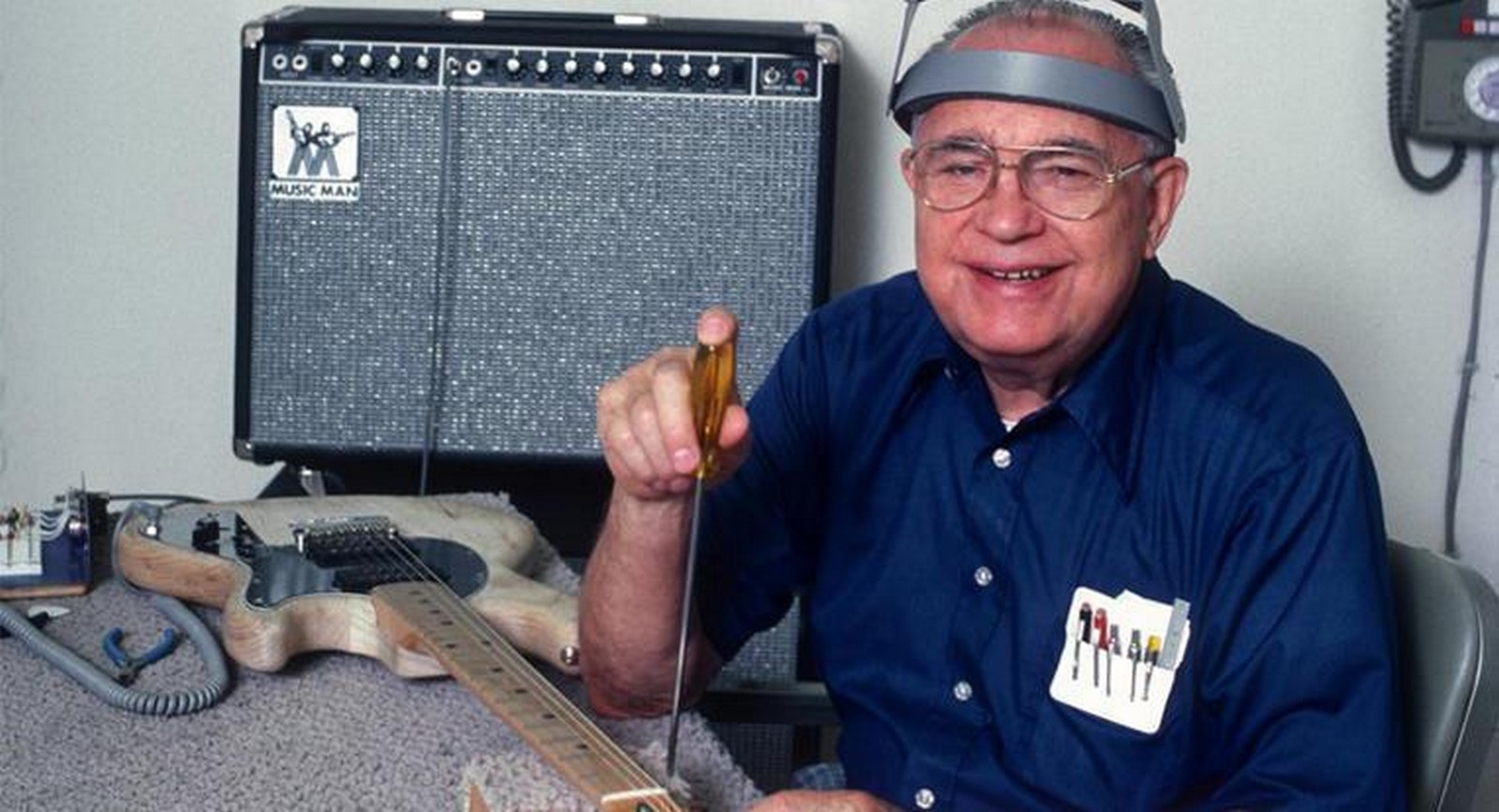
The Guitars That Changed It All
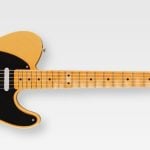
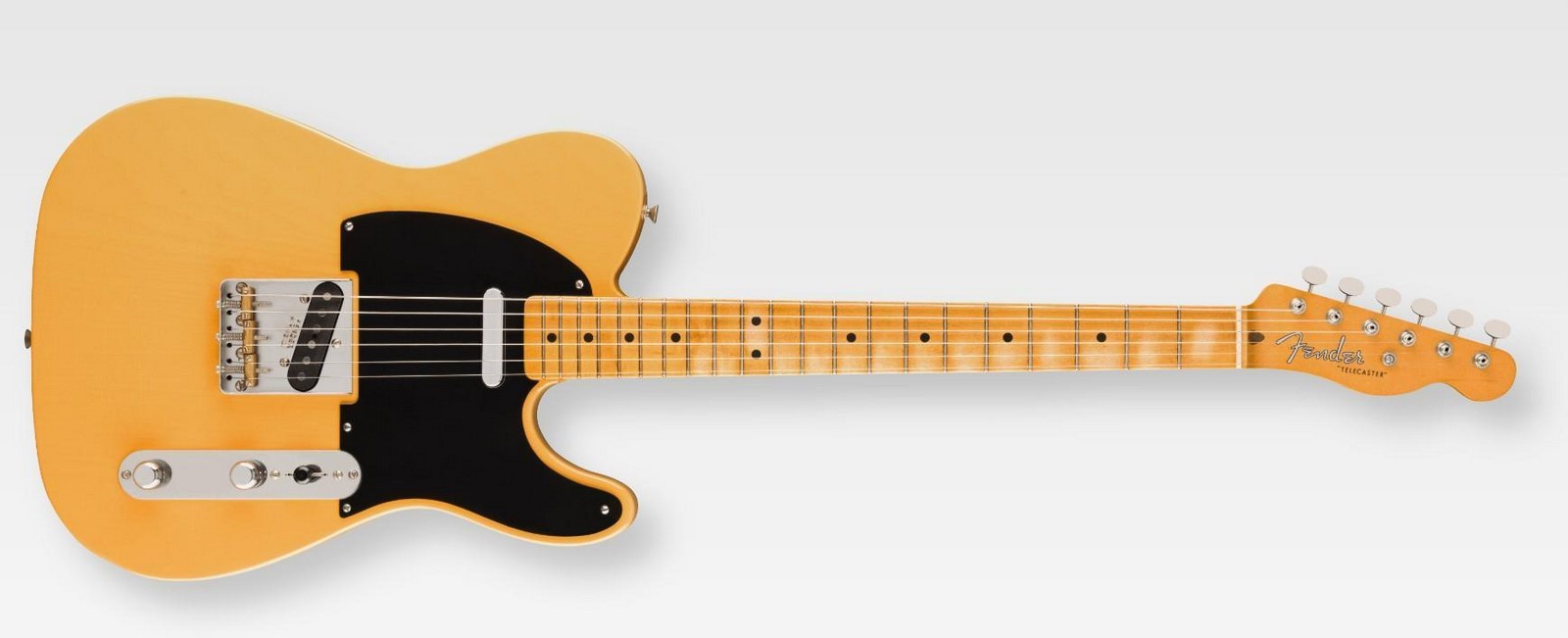
In 1951, Leo Fender partnered with George Fullerton and created the Broadcaster, a prototype solid-body instrument that became the first Fender guitar to be mass-produced. It was a Spanish-style electric guitar that gained popularity and was later renamed to Telecaster, by which it is still known today. It soon became a favourite among known guitarists, with Eric Clapton, Jimmy Page, Bruce Springsteen, and George Harrison, to name a few. The same year, Fender announced the launch of the Precision Bass Guitar, another remarkable innovation of the time.
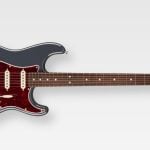
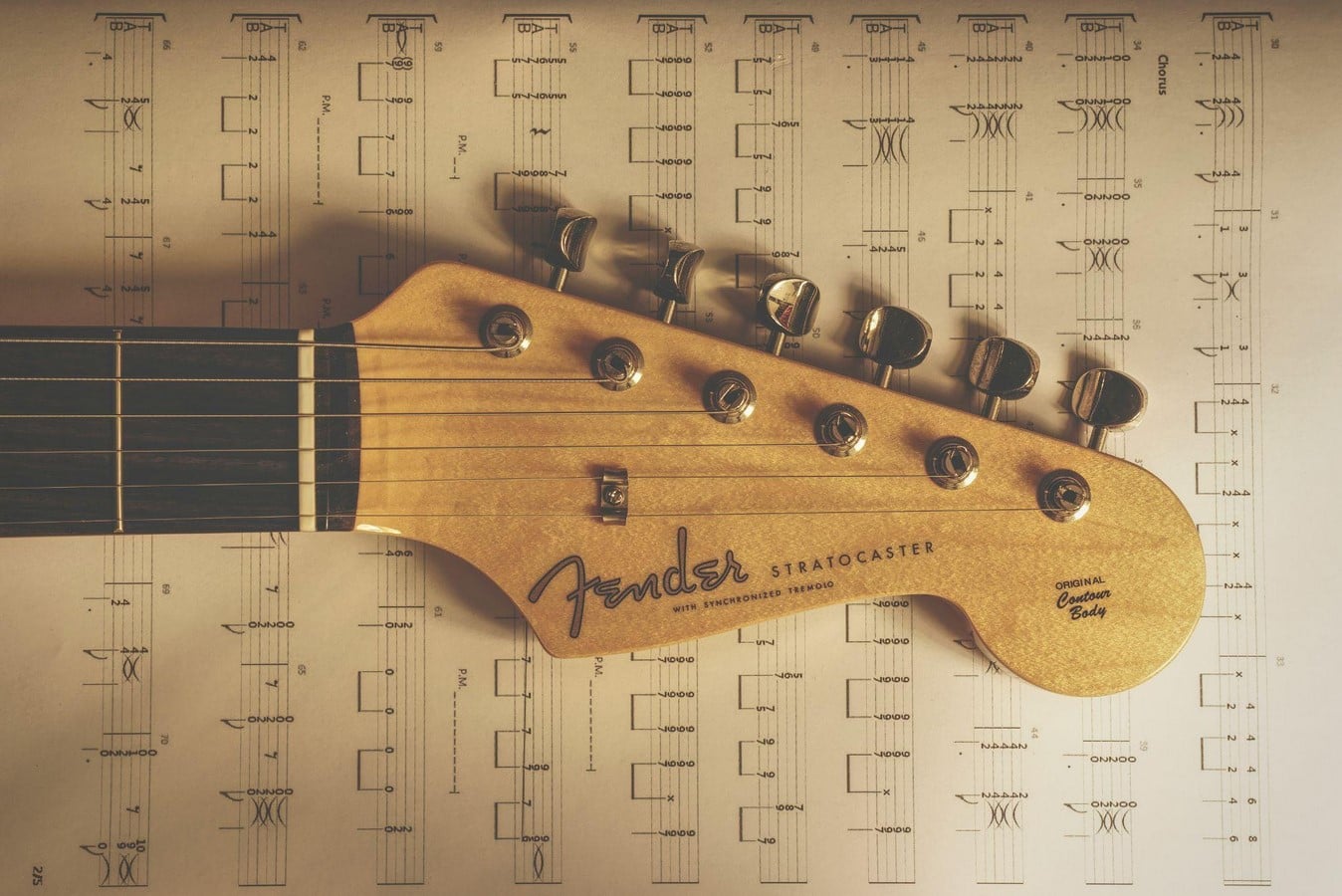
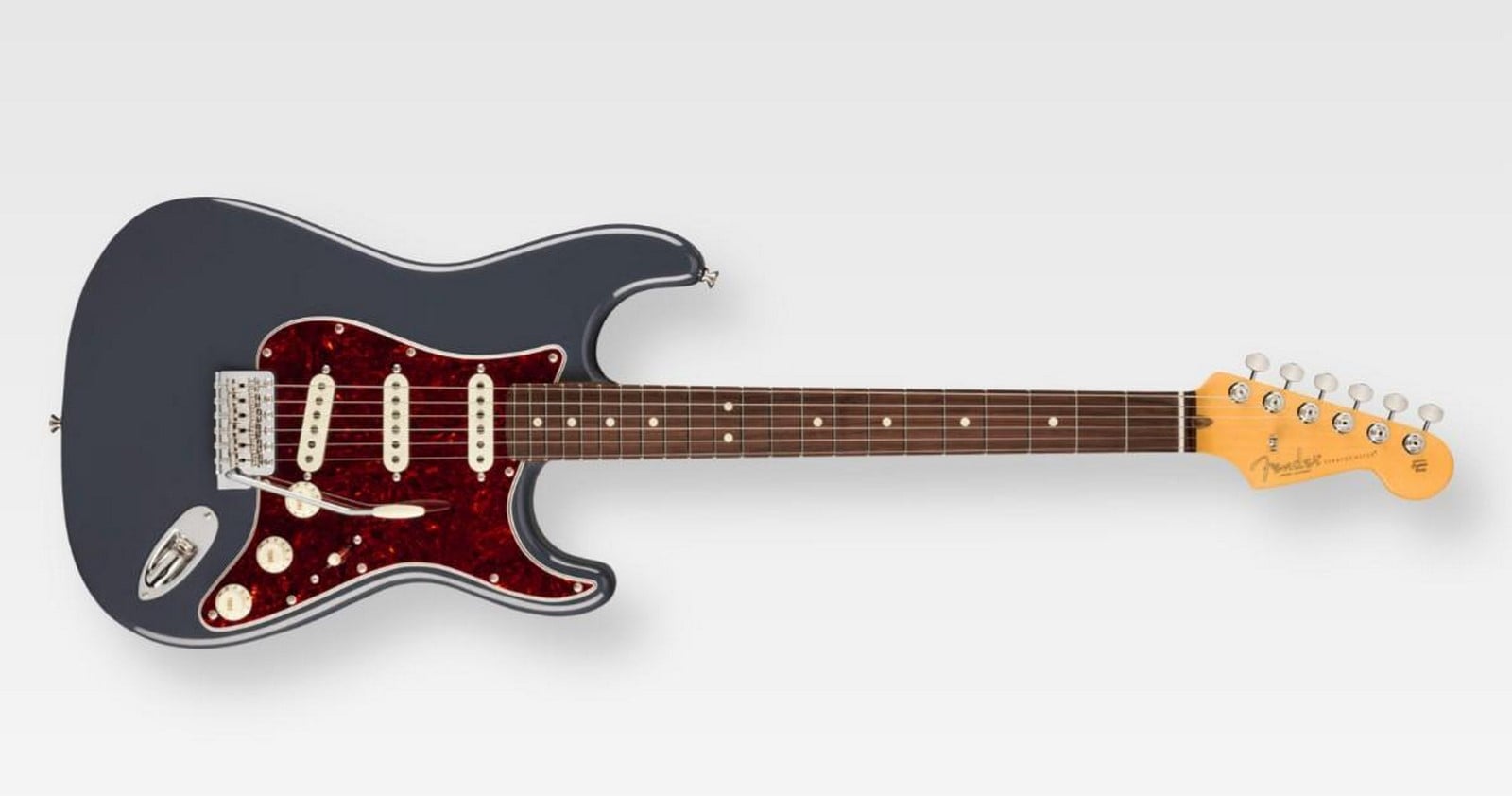
Another guitar that redefined music and strengthened Fender’s grip as a reliable brand was the Stratocaster. Released in 1954, the Stratocaster became the most recognisable guitar and the most reproduced as well. It is also one of the few guitar types that have been used in different genres and delivered its best. From making legends with Jimi Hendrix’s music and the surf by Dick Dale, to the experimental rock by David Gilmour and the remarkable vibrato of Jeff Beck, the Stratocasters have left their mark throughout the history of Fender guitars. This guitar went on to revolutionise popular music and remains desirable to young artists to this day. After the Stratocaster, Fender continued to produce a variety of guitars, the most famous of which are the Jazzmaster and the Fender Jaguar.
The Fender Logo
When it comes to branding and messaging, the most important aspect after building the narrative is the brand’s logo. Fender started by producing innovative guitars, but knew the horizon was much broader. The brand introduced its unique “Spaghetti” logo with trademark colours of red, black, white, and silver. This logo and colour scheme were adopted to represent the company on digital and on-site platforms. Even though the logo has been through many iterations over the years, this spaghetti writing remains etched in customers’ minds as the sign of Fender.

Musicians As Ambassadors
Another significant aspect of Fender’s success and prevalence is the number of musicians attached to it. For a global brand that aims to leave a legacy, it is essential to have people as the face of the brand. In Fender’s case, the brand has been lucky to have world-famous musicians as ambassadors. These include Kurt Cobain, Chris Stapleton, Avril Lavigne, Ashley McBryde, Mike Dirnt from Green Day, and Pete Wentz from Fall Out Boy. The Telecasters and Stratocasters had their own list of artists already mentioned. All these musicians trusting Fender became a global statement of the brand’s reliability (Cooper, 2019). From the start, Fender was synonymous with flexibility. Its guitars performed well in a variety of genres. Punk musicians adopted Fender guitars in the 1970s, drawn to their simplicity. Alternative bands in the 1990s used them for different sounds. More recently, artists like H.E.R. have brought the brand into contemporary R&B and pop.

Reinventing For The Future
With the world going digital step by step, the leading teams at Fender also adopted the move towards digitalisation. Fender Digital was established in 2015 as a division of Fender Musical Instruments Corporation. Fender recognised that its users were not limited to just one country or state and went global by launching digital platforms such as Fender Tune (launched in 2016) and Fender Play (launched in 2017). The main objective of Fender Play was to increase the younger generations’ engagement with music. Research highlighted that beginners abandon the guitar within a year, so Fender launched this platform to teach guitar skills digitally. This proved beneficial for both the brand and the clientele: by helping people stick with the guitar, Fender supported the future of its own market (Fender, 2025).
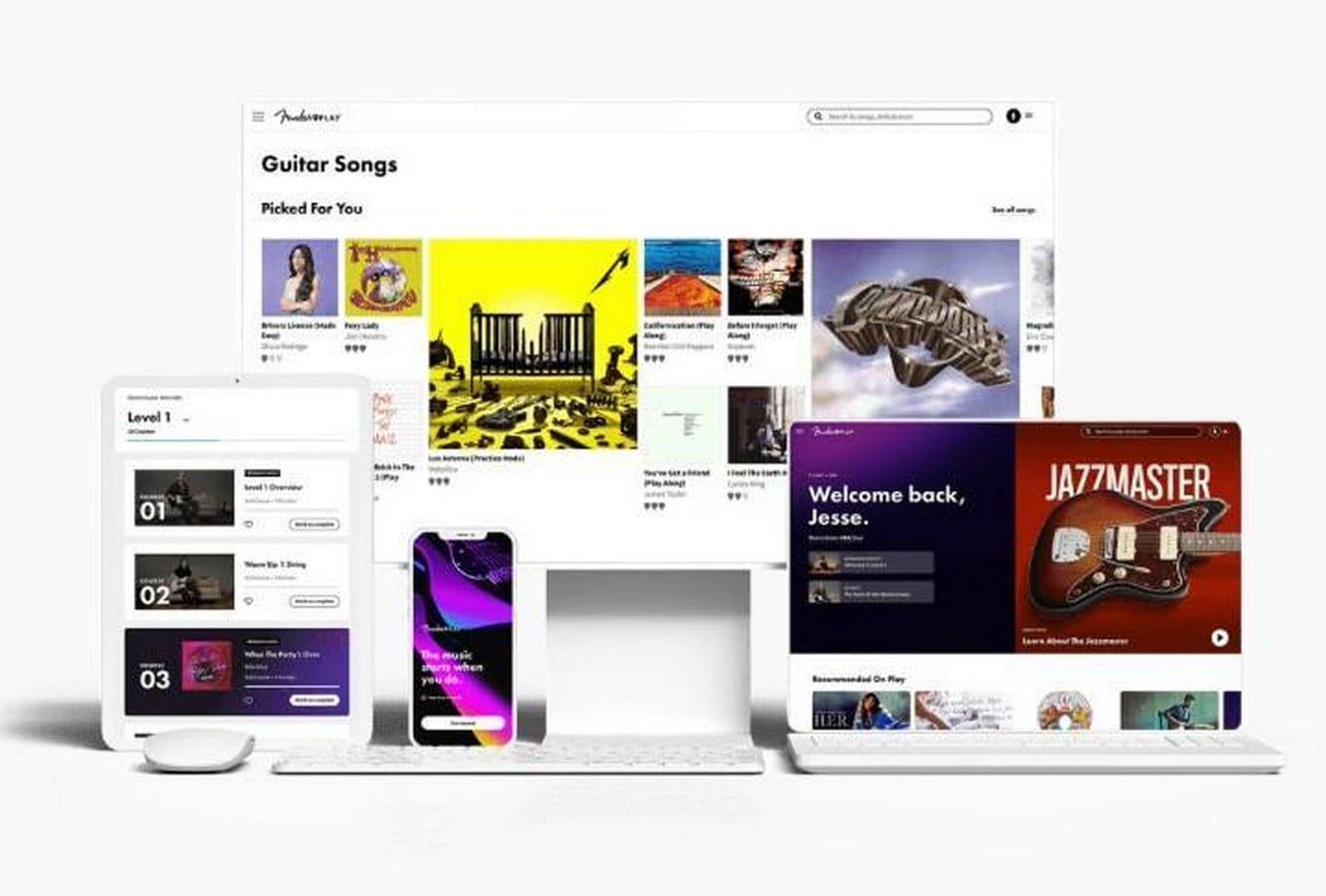
During the pandemic, the brand expanded its team to remote workers, connecting with its team and its clientele digitally. Fender Play was made free for all users for a duration of three months, an act of solidarity that brought in a million more subscribers to their platform. Today, Fender Play has become a trusted platform for learning how to play guitar conveniently with a library of trained instructors and over 5000 licensed songs. This dedication to the customers worked in the brand’s favour and helped them stand even in the trying times of the COVID-19 pandemic (Kaplan, 2022).
More Than A Brand
Fender has become a lifestyle rather than a brand by introducing merchandise, accessories, and musical gear. It not only offers musical instruments, but also has a variety of lifestyle products and collectables that customers all over the world love. Innovation remains part of the Fender brand’s identity. Shifting to environmentally friendly practices, Fender has revised its decisions for material selection. Changes in wood supply, particularly ash, have prompted Fender to use alternatives such as alder and pine. It does not compromise on the quality of its products but continues to value the global ecosystem, shifting to alternatives that are more sustainable.
Fender’s history shows how a brand can sustain despite changes in the market and global economy. It has developed with its evolving clientele and maintained its name as the best guitar brand to this day. Its early emphasis on practical design created instruments musicians trusted. Cultural associations kept the brand visible across generations. Even during uncertain times, the company’s core identity proved resilient. Today, Fender continues to support musicians through education, diverse representation, and evolving product lines. It supports the products it manufactures as well as the community associated with them. This consistency is the main reason the brand stays relevant.
References:
Cooper, E. (2019). Fender Play Foundation Inaugural Artist Ambassadors Announced | Chris Stapleton. [online] Chrisstapleton.com. Available at: https://chrisstapleton.com/fender-play-foundation-inaugural-artist-ambassadors-announced/ [Accessed 29 Mar. 2026].
Duffy, M. and Siegle, R. (n.d.). Infographic: Fender Through the Years. [online] www.fender.com. Available at: https://www.fender.com/articles/behind-the-scenes/fender-through-the-years-a-timeline-of-music-and-instruments.
Fender. (2025). Fender Play. [online] Available at: https://eu.fender.com/pages/fender-play [Accessed 29 Mar. 2026].
Guitar Galleries (2026). Fender Guitars…….. A short history. [online] Guitar Galleries. Available at: https://www.guitar-galleries.co.uk/pages/fender [Accessed 28 Mar. 2026].
Kaplan, E. (2022). Moving On Part 2: A (not so) brief history of seven years at Fender. [online] Medium. Available at: https://ethankaplan.com/moving-on-part-2-a-not-so-brief-history-of-seven-years-at-fender-9330b410e4af.
KUASSA | Kuassa Pro audio softwares for guitarists, engineers, producers and home recording studio enthusiasts. (2022). Kuassa. [online] Available at: https://www.kuassa.com/about-fender-the-brand-that-revolutionized-the-electric-guitar-instruments-industry/ [Accessed 28 Mar. 2026].
The Editors of Encyclopedia Britannica (2019). Leo Fender | American inventor and manufacturer. In: Encyclopædia Britannica. [online] Available at: https://www.britannica.com/biography/Leo-Fender.
THE FENDER BRAND 2015 BRANDING GUIDELINES. (n.d.). Available at: https://assets.spotlight.fender.com/styleguides/Fender_Brand_Guide.pdf.