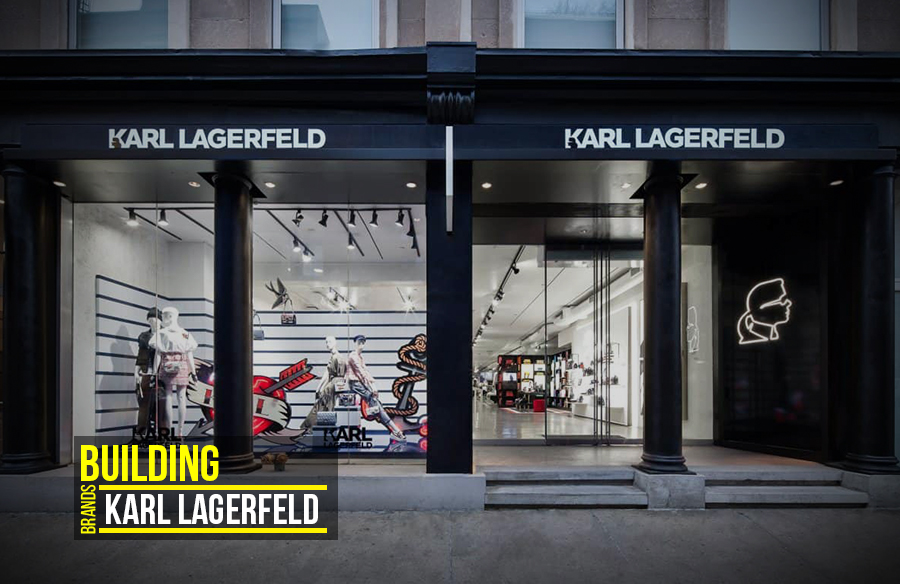
When learning about the world of fashion, one simply cannot overlook the iconic presence of Karl Lagerfeld. An incredible fashion designer, icon, businessperson, and visionary. He has many renowned luxury fashion brands like Balmain, Patou, Chloe, Fendi, and Chanel under his belt, before launching his own fashion house. Tragically, the fashion world lost him in 2019 battling cancer. Leaving a legacy and instrumental contributions to brand building to study behind.

Born in Hamburg, Germany to Elisabeth Bahlmann and Otto Lagerfeld, on 10 September 1933. As a child, he showed an inclination toward visual arts and was described by his classmates as someone who was always used to sketching. Karl got his big break into the fashion world in 1954. by participating in a design competition sponsored by the International Wool Secretariat. [1] This event was held for young designers across the world and Lagerfeld won the coat category. Which caught the attention of Pierre Balmain, where he interned for a while. He learned about haute couture and intricacies involving garment construction and detailing. Further, he moved to Jean Patou where he discovered his signature style and reputation. In the 1960’s he worked for Chloe and Fendi, and then turned to Chanel finally starting his own fashion house.

One of Karl’s main abilities was to rejuvenate brands. He did a fantastic job at Chanel when he took over in 1983. Before that Chanel, though well-known, was considered outdated and the old designs by Coco Chanel were not attracting the younger crowd. In short, Chanel had lost its appeal. Karl had the challenging task of revamping Chanel by maintaining its core identity.
The iconic CC Chanel logo was first designed by Coco Chanel and gained stardom after Karl’s reinvention. He overthrew the pastel colours and boxy suits. He brought a modern and fresh vibe and even introduced extravagant belts, bags, and jewellery. In Lagerfeld’s words, “When I took on Chanel, it was a sleeping beauty. Not even a beautiful one. She snored”. “So I was to revive a dead woman.” [2]
Today Channel and its interlocking CC logo are synonymous with luxury all thanks to Lagerfeld.
His vision was unparalleled when it came to revamping brands. He drew inspiration from history, yet somehow ensured that the brand remained modern and appealing to younger audiences. [3] This is evident in both Chanel and Fendi. At Chanel, he introduced bold and contemporary designs while blending traditional identity. Further At Fendi, he introduced fur into casual wear, a bold move for during time. As transformative as at Chanel his work at other fashion houses was accessible to a broader audience.

Under Lagerfeld’s direction both these brands saw a powerful rise in product categories therefore making them profitable. Chanel branched into fragrances, accessories, cosmetics, and ready-to-wear collections while maintaining its haute couture status. Due to this versatility, the brand became more accessible and profitable.
This same principle he applied when launching his brand. He dabbled into a wide range of products like footwear, and accessories along with ready-to-wear products. He made sure that it was accessible and inclusive. Which in turn helped him establish a loyal consumer base, even though it was a high-fashion brand.

Lagerfeld’s brand-building strategy did not end here, he introduced immersive shopping experiences. He understood how the consumer experience impacted the brand’s profits and built loyal consumers. He designed mono-brand stores worldwide, which offered not only shopping but also an engaging experience.


While hosting fashion shows at Chanel, he chose extravagant locations such as Grand Palais des Beaux-Arts, in Paris. This created an immersive and strong emotional experience for the people attending and the brand.

Moreover, when it came to increasing a brand’s visibility Karl has a hallmark approach to this. He had mastered it through intentional and strategic collaboration. In 2010, he formed a collaboration with Coca-Cola to create limited-edition Diet Coke bottles, transforming them into sought-after fashion statements. Further, in 2014, he entered tech by collaborating with Apple, designing a special edition Apple watch in his very own distinct style. [3] This ability of Karl to be in unexpected places created a buzz in the fashion world while drawing the attention of new audiences. These brands mutually benefited from these cross-promotions as they both brands reached newer demographics while not diluting their prestige.

Lagerfield juggled multiple roles in the fashion industry, still he never lost sight of sustainability and preserving artisanal craftsmanship. Under his direction at Chanel, Lesage embroidery and Massaro shoemakers workshops are just to name a few. He made sure that Chanel produced high-end products utilising this craftsmanship to ensure their survival. Both require meticulous attention to detail and hours of skilled labour. Chanel acquired both of them strategically. Today, the brand is recognized for them and can easily be differentiated from its competitors. [3]


Further, he recognized the environmental responsibility of fashion households before it became trendy and mainstream. Therefore he began investing in sustainable materials and processes.
Karl Lagefield’s life and work remain a masterclass in brand building. His ability to revamp brands, by understanding the balance between the new and the old, modernising without losing sight of traditions, valuing newer audiences as much as the loyal ones, establishing identity through immersive experiences, and collaborating smartly left an incredible mark on the fashion industry. Lagerfeld is a brand builder and his legacy resonates with every designer across generations.
Citations:
- Lang, C. and Booker, M. (2019). How Karl Lagerfeld Redefined Modern Fashion As We Knew It. [online] Time. Available at: https://time.com/longform/karl-lagerfeld-photos-fashion/.
- CNN, N.G. (n.d.). He wasn’t just the saviour of Chanel. Karl Lagerfeld redefined fashion. [online] CNN. Available at: https://edition.cnn.com/style/article/karl-lagerfeld-obituary-intl/index.html.
- Pidgeon, E. (2019). Karl Lagerfeld: 7 ways the Chanel designer transformed the fashion world. [online] The CEO Magazine. Available at: https://www.theceomagazine.com/lifestyle/fashion/karl-lagerfeld-7-ways-the-chanel-designer-transformed-fashion/.
- www.karl.com. (n.d.). Welcome to the World of KARL. [online] Available at: https://www.karl.com/us-en/aboutthebrand.html.