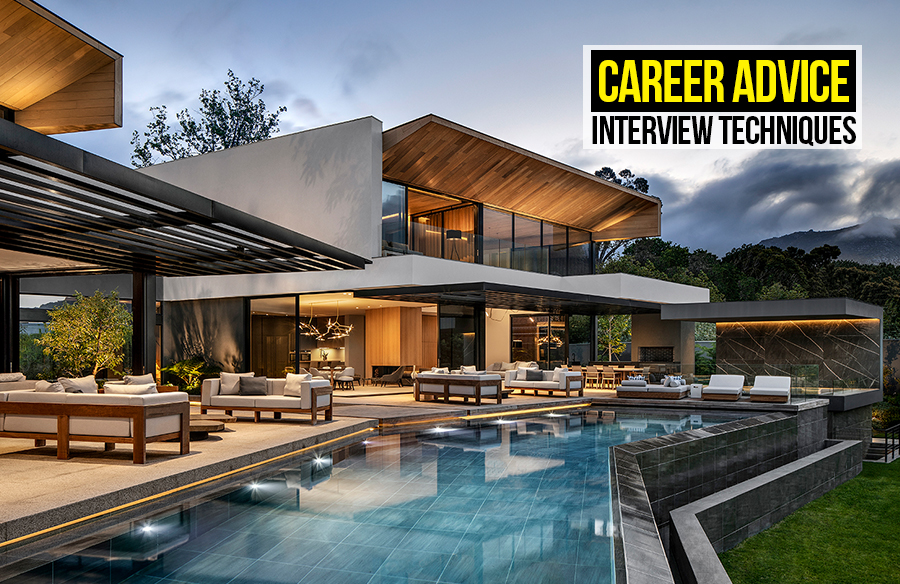
Any young architect or architecture student at some point in their career will be faced with the prospect of a job interview, and landing a job in this field requires exceptional design skills and the ability to communicate and present oneself during interviews effectively. To not be intimidated by job interviews, one can go in with proper preparation and knowledge of common interview questions, increasing one’s chances of success. This article will provide basic guidelines on preparing and excelling in job interviews, with examples of common interview questions.

Research the Company
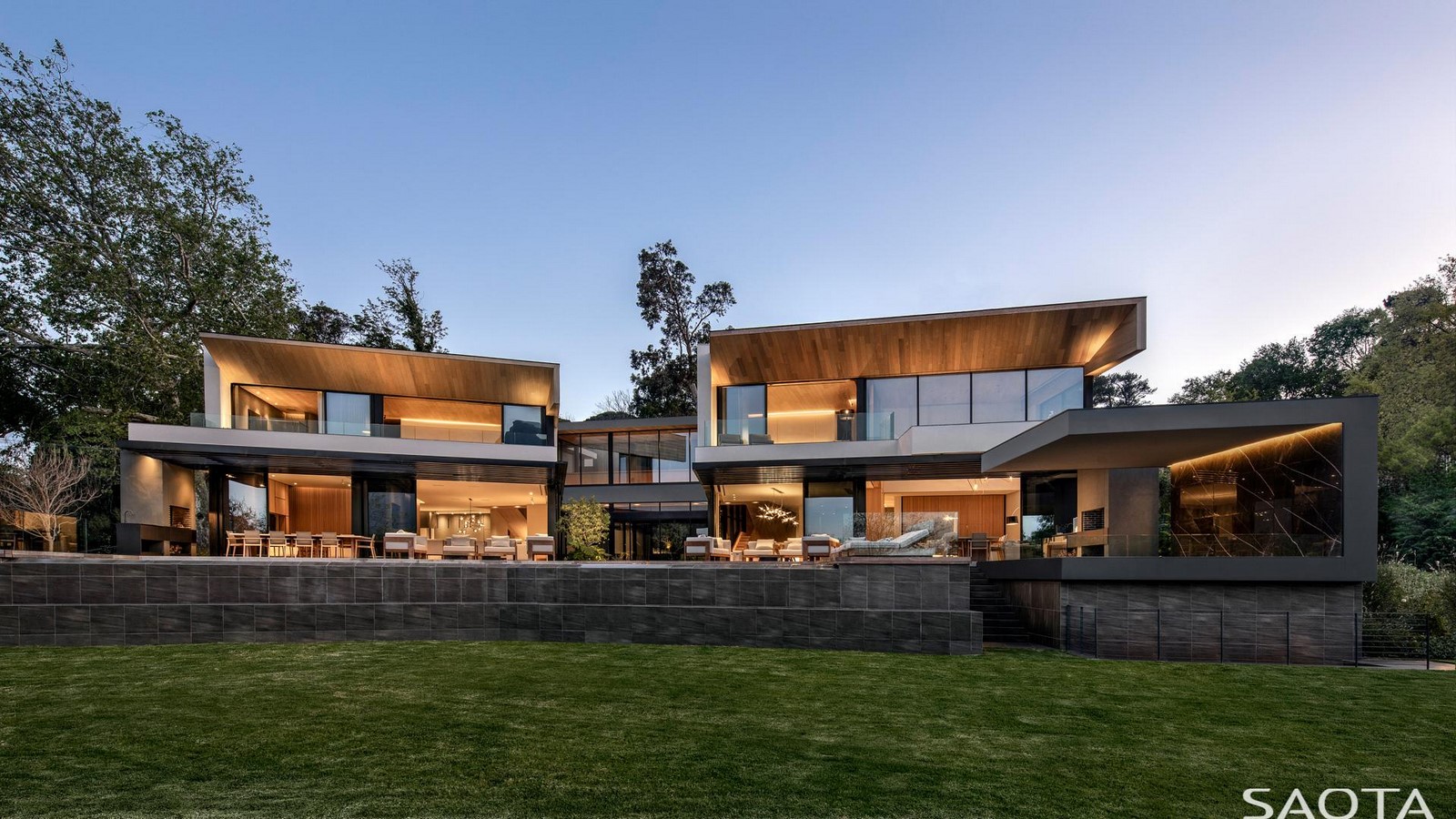
This should be your first step before attending the interview. An in-depth knowledge of the company’s projects, design philosophies, values and recent achievements will give you specific insights into the company you are interested in. If you demonstrate knowledge about the company, you can show your genuine interest and enthusiasm in the interview, which will make a positive impression on the interviewers.
Review the Job Description
Review the job description to understand the specific requirements of the position being applied for. Pay close attention to the skills, qualifications and experience the employer seeks. This will help align responses to the interviewer’s questions with the needs of the job, highlighting their relevant experience and expertise.
Prepare a Strong Portfolio

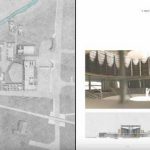
A strong portfolio is a great asset for any young architect or architecture student to showcase their work and demonstrate their design capabilities. Select a range of projects highlighting different aspects of your expertise, such as conceptual design, technical skills, sustainability, and problem-solving abilities. Organise your portfolio, prepared to discuss the various projects in detail during the interview.
Practice Non- Technical Communication
Communicating effectively with clients, team members, and stakeholders is as important as technical and design knowledge. Architects and architectural students should practise articulating their ideas concisely and clearly, avoiding excessive technical jargon. Strong communication skills demonstrate an architect’s ability to collaborate and convey complex ideas to a broader audience.
Prepare Responses to Common Interview Questions
Architects should anticipate and prepare responses to common interview questions. While specific questions may vary, here are some typical questions one might encounter:
- “What do you deem to be unique about yourself?”
This open-ended question provides an opportunity to briefly overview your professional background, education, key experiences, and achievements relevant to the position.
- “What interests you about our company?”
This question allows you to demonstrate your research about the company and explain why you want to work for them. Be prepared to highlight any projects, values or initiatives that resonate with you.
- “Describe your design process”
Employers are interested in understanding the interviewee’s approach to their work. Explain your design process, including research, concept development, collaboration and how you balance creativity with practical constraints.
- “What has been your most challenging project to date, and how did you manage it?” (Megainterview, 2022)
This question tests your problem-solving and resilience skills. Choose a project where you faced significant challenges and describe how you tackled them, highlighting your ability to think critically and find innovative solutions.
- “How do you stay updated on industry trends?”
Employers want to know if the architect or architecture students are proactive in keeping up with the latest developments in the field. Discuss your strategies for staying informed, such as attending conferences, reading industry publications or participating in professional organisations.
- “Describe a time when you had to handle differing client and team expectations” (Woodward, 2023)
Architecture projects involve multiple stakeholders with diverse needs and opinions. Remember to share an experience where you successfully managed conflicting expectations, demonstrating your diplomacy, negotiation and communication skills.
Prepare Questions to Ask
The interviewers will ask if you have any questions at the end of the interview. This is where one can demonstrate their interest, knowledge and engagement in the company. Prepare thoughtful questions about the company’s culture, projects, team dynamics, career development opportunities, etc. Asking questions shows you are proactive and genuinely interested in the position.
Dress Professionally and Be Punctual

First impressions matter, and one should dress professionally for interviews. Always opt for formal or business attire that reflects the company’s culture. Additionally, always plan your route to and from the interview location to ensure you arrive on time or even a few minutes early. Punctuality demonstrates reliability and respect for others’ time.
Project Confidence and Enthusiasm
Project confidence and enthusiasm at the opportunity to interview at that company. Maintain eye contact, use positive body language and speak clearly and concisely. Show a genuine passion for architecture and design and convey your eagerness to contribute to the company’s success.
Follow-Up with A Thank You Note
Nothing contributes to that positive and personal touch than a handwritten thank you note. Do send it within 24 to 48 hours of the interview, expressing your gratitude for the opportunity to interview and reiterate your interest in the position.
Mastering interview techniques is crucial for architects to secure their desired job opportunities. Architects can present themselves as highly competent professionals in the field by thoroughly preparing for the interview, showcasing their strengths and experiences, and effectively answering common interview questions. Remember, practice and confidence play significant roles in achieving success during the interview process. With diligent preparation and the right mindset, architects can increase their chances of landing their dream job and advancing their careers in the architecture industry.
Online sources
Mega Interview (2023) Job Interview Preparation [online]. (Last Updated December 2022) Available from: https://megainterview.com/what-was-the-most-challenging-project-you-have-worked-on [Acessed 05 July 2023]
Woodward, A (2023) How to Answer The “Difficult Customer” Question [online], (Last Updated May 2023) Available from: https://www.snagajob.com/blog/post/tell-me-about-a-time-you-dealt-with-a-difficult-customer [Acessed 05 July 2023]
Images/visual mediums
Kavishe, J. (2023). A Young Architect [Midjourney]. Generated 18 June 2023. Available from: https://www.midjourney.com/app/jobs/501228e0-91ce-4bd3-8be1-a53a2757012c/ [Accessed 18 June 2023].
SAOTA (2023). Rose Villa, Cape town, South Africa. [Photograph, Online]. (Last updated 2020). Available at: https://www.saota.com/project/rose-villa/#6 [Accessed 05 July 2023].
Archisoup (2023). Architecture Portfolio Guide. [Image, Online]. (Last updated 2023). Available at: https://www.archisoup.com/architecture-portfolio-guide [Accessed 05 July 2023].
LiveAbout (2023). How to Dress for a Job Interview. [Image, Online]. (Last updated 2022). Available at: https://www.liveabout.com/how-to-dress-for-an-interview-2061163 [Accessed 05 July 2023].