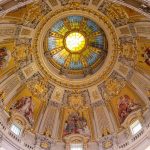
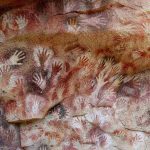
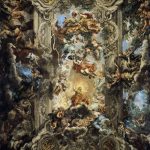
A mural is any graphic artwork painted or applied directly to a wall, ceiling or other permanent surface. The word mural comes from the Latin “murus” which means wall. Mural techniques include fresco, mosaic, graffiti and marouflage, a painting done rapidly in watercolour on wet plaster on a wall or ceiling. Murals are one of the earliest painting forms in human history; from cave paintings from the Paleolithic age at Lascaux Grottoes in southern France to street art murals seen everywhere today. Throughout the history of art and architecture the development and design of murals are closely related to the development and design of architecture.A fresco is a type of mural painting that uses water-soluble colors on wet limestone. It is one of the oldest and most often used kinds of mural painting. They have been utilized in science since older times and are strongly related to Italian Renaissance paintings. Frescos developed during the Italian Renaissance include works by Cimabue, Fra Angelico, Giotto, Masaccio, and Correggio. Raphael’s Stanza murals at the Vatican and Michelangelo’s masterpieces in the Sistine Chapel are among the most famous frescoes.

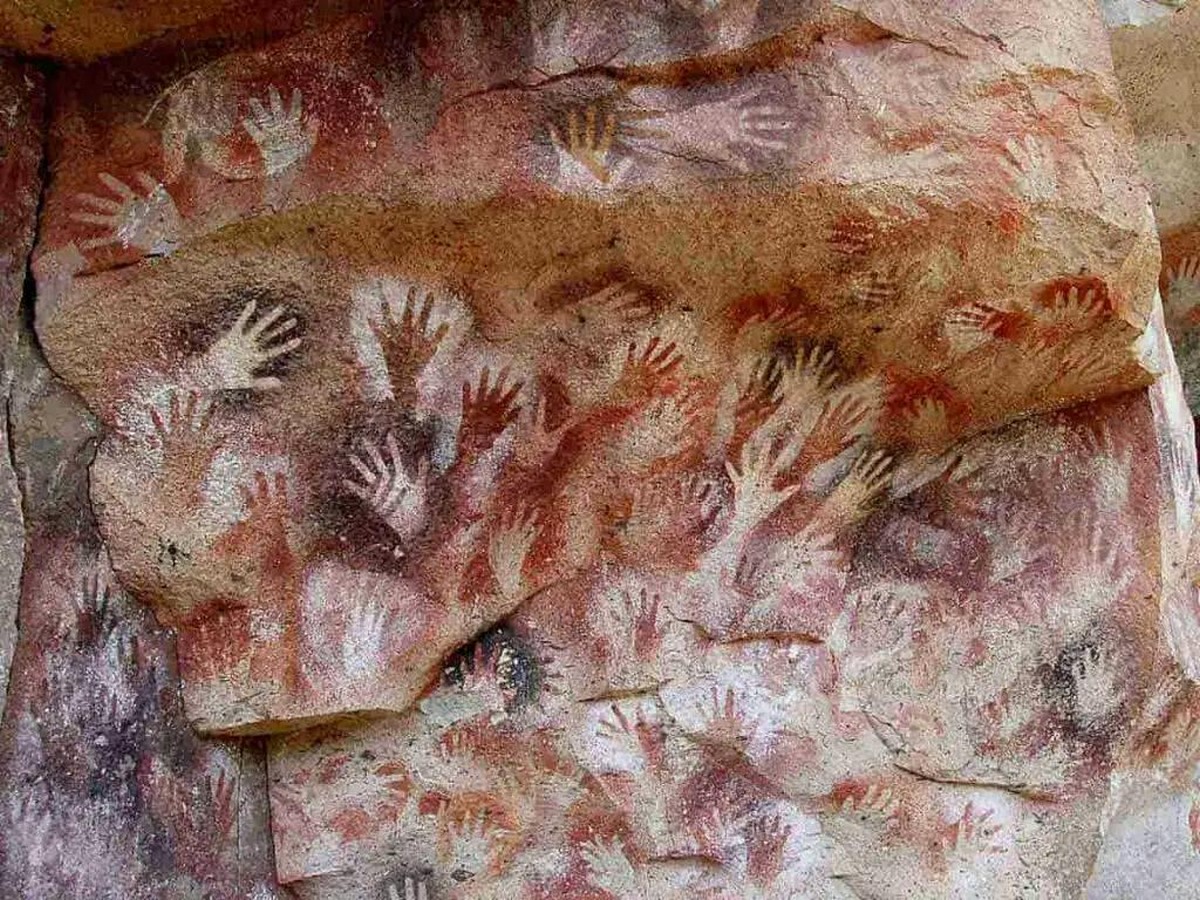
The relationship between art and architecture dates back to ancient times when civilizations decorated their buildings with carvings, murals, and sculptures. The first mural artwork was made by cavemen who adorned their caves with a diverse range of cave paintings. The earliest murals date back to approximately 52,000-40000 BP as cave paintings in Borneo and 32,000 BP at the Chauvet cave in France. Murals are recognized as a visual cultural asset of historical recording information, particularly old murals because they portray the lives and cultural developments of human history.
Murals were among the most popular types of art in all classical civilizations, including those of ancient Egypt (tombs), Minos (palaces), ancient Greece (temples, domestic houses) Etruria (funeral art) and Ancient Rome (Public Institutions, domestic houses). Following the collapse of Rome in the 5th century, mural art disappeared from Europe altogether for several centuries, serving only Constantinople, the capital of the Eastern Roman Empire. In the east, India has a rich tradition of mural painting, decorating the walls of houses, palaces and temples, serving not only as a decorative element but also as profound expressions of spirituality and devotion. Figure paintings of both men and gods were subject to certain rules.
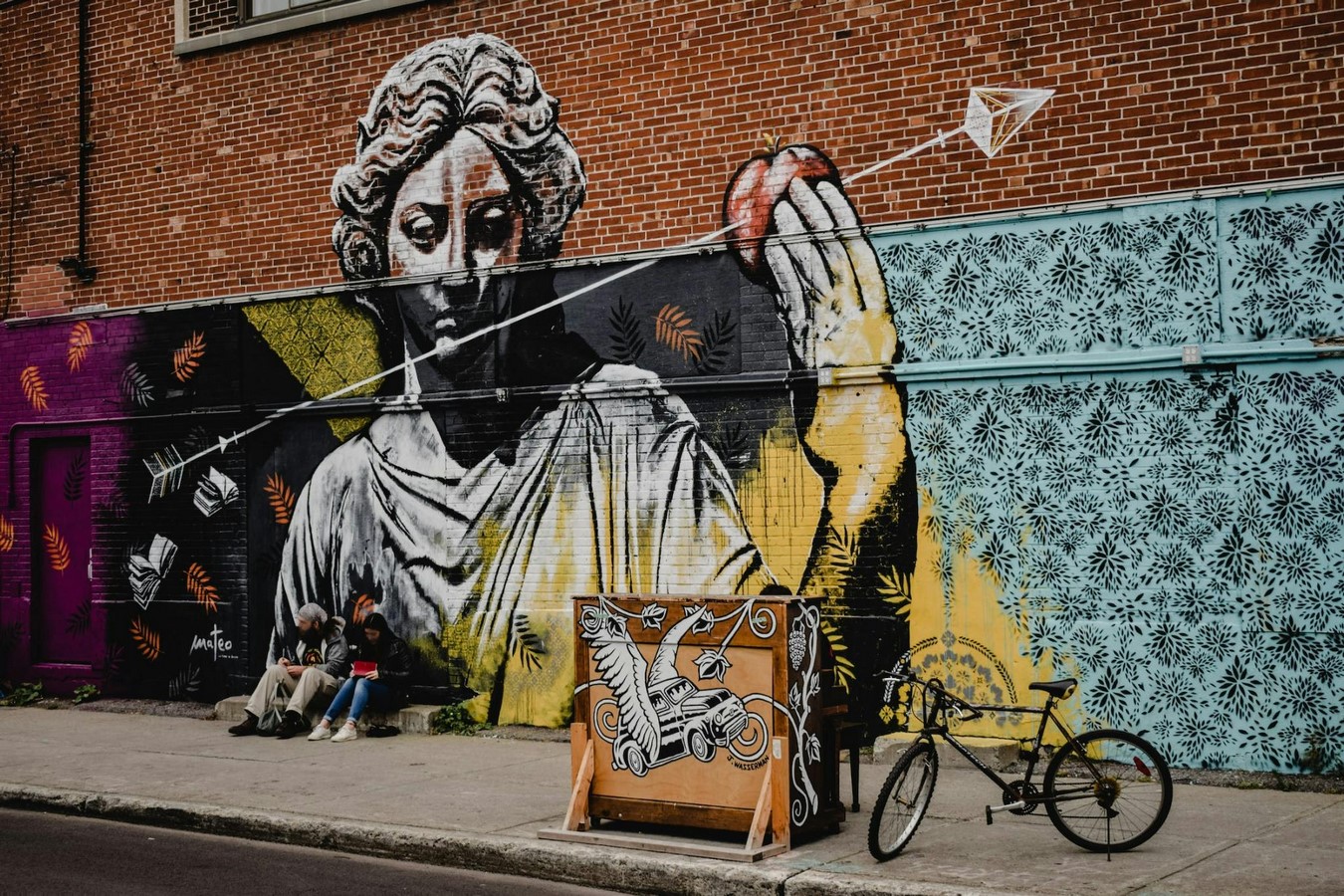
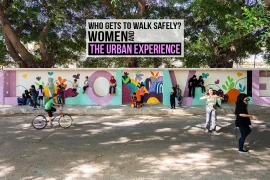
Murals have been a part of our cultural environment for hundreds of years, and they are now a means of expression for artists of every graphic style imaginable. Murals have recently become communal focal points, bringing people together to appreciate their homes traditions and history. Murals inspire you to pause and take in your surroundings. They also function as collaborative thought spaces, generating debate and a subject.
Murals are one of the most important visual determinants in any space in addition to their role as an element of aesthetics. The art of mural painting in our current era has evolved beyond the walls of galleries and museums, making it accessible to the general public. Technology, culture and political context have always played an important role in the concepts of designers and artists expressing themselves. Murals or wall design is how artists today communicate with the community. Architects and artists have always collaborated to address social and political issues. They use architectural symbolism and visual art to convey messages, prove conversations, and challenge the norm. This engages the public in critical dialogue and raises awareness about issues like sustainability, social justice, and cultural identity.
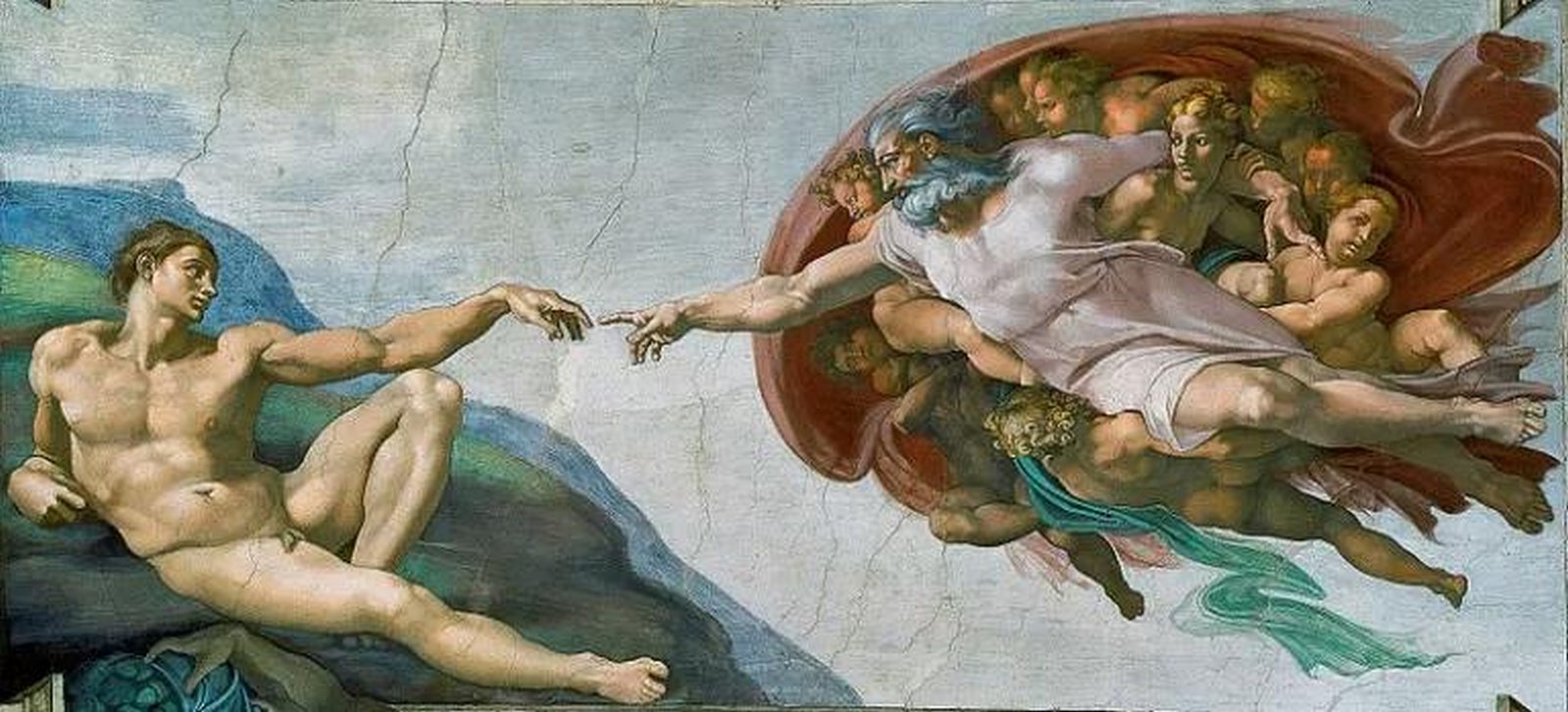
Sistine Chapel Ceiling
Michelangelo’s work on the Sistine Chapel ceilings is one of the most famous paintings in art history. This project, created between 1508 and 1512, demonstrates Michelangelo’s remarkable craftsmanship while also marking an important point in Renaissance art. The ceiling frescoes have enthralled viewers for ages.
The Sistine Chapel ceiling is a tapestry of symbols and images reflecting the complex theological and philosophical concepts of the Renaissance. Michelangelo’s frescoes are more than just visual depictions; they function as a comprehensive story conveying significant religious ideas. The pictures, from the Separation of Light from Darkness to the Drunkenness of Noah, embody the Biblical account of creation, fall, and redemption, presenting a visual theology that invites reflection.
Michelangelo’s work on the Sistine Chapel ceiling had a significant impact on the evolution of Renaissance painting, influencing many painters and altering Western art history. This massive effort not only highlighted Michelangelo’s creative skills and understanding of human anatomy, but it also represented the intellectual and cultural values of the Renaissance period.
The ceiling frescoes set a standard for artistic brilliance, inspiring Raphael and other artists such as Caravaggio. Raphael’s work in the Vatican’s Stanza della Segnatura, for example, shows a clear dialogue with Michelangelo’s figures and compositions. The Sistine Chapel ceiling also had a crucial role in elevating painters’ position, converting them from mere artisans to acclaimed creators whose work was appreciated for both intellectual and aesthetic worth.
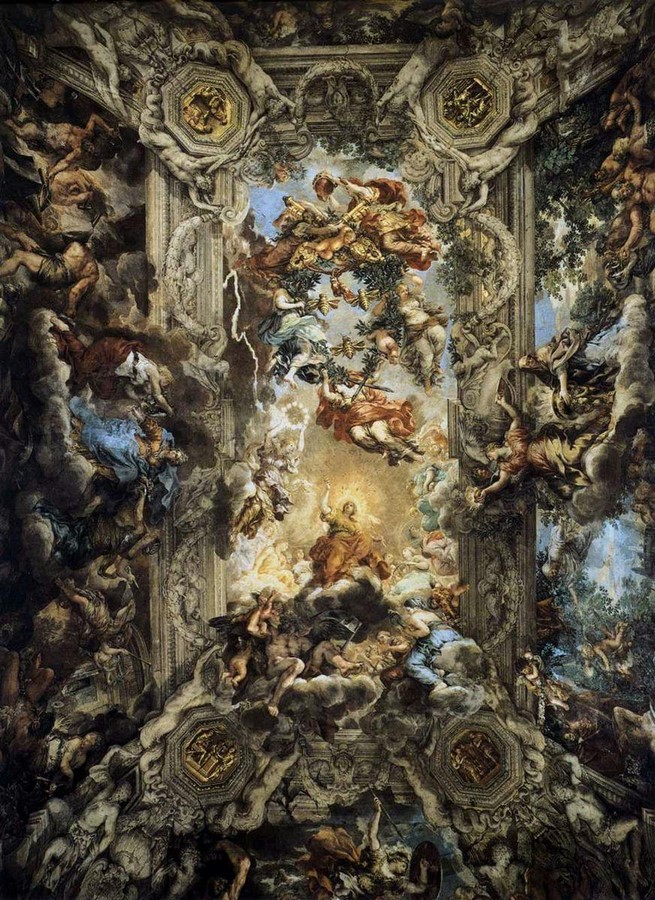
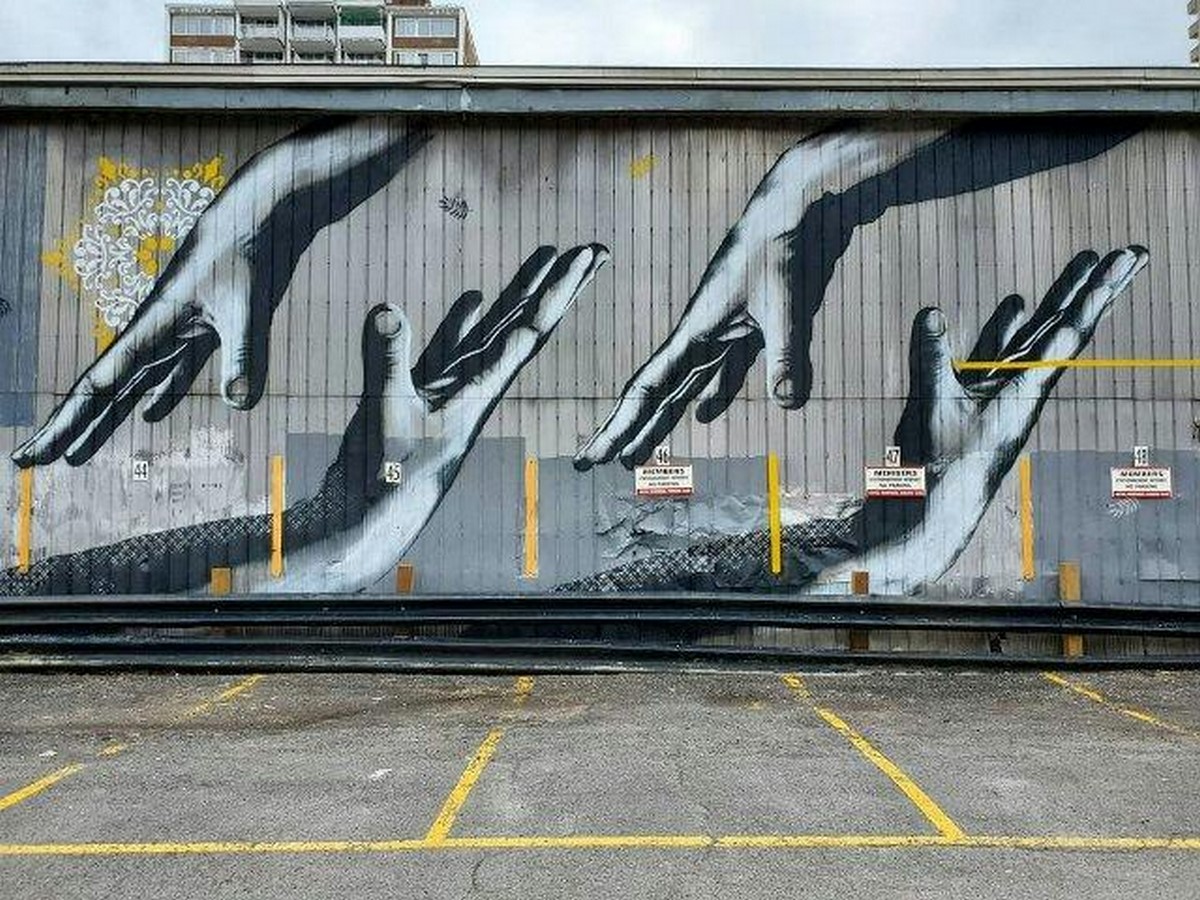
Murals and frescoes have played an important role in defining architectural environments. They serve as both aesthetic and narrative aspects, enhancing the constructed environment. Mural art has evolved alongside architecture, representing cultures’ cultural, spiritual, and political goals, from prehistoric cave paintings to Renaissance frescoes and modern street art. These large-scale artworks are more than just decoration; they are strong storytelling tools that preserve historical narratives, express societal identities, and promote community debate.
Murals are still an important part of public art today, bridging the gaps between art, architecture, and social consciousness. They act as catalysts for cultural participation, transforming walls into canvases for challenging norms and inspiring change. As technology improves, new mediums will develop, but mural art’s essence—its capacity to transform locations and ignite conversations—will last for decades.
Articles:
Illusionistic ceiling painting | Detailed Pedia
Mural Painting: Fresco Murals
Michelangelo’s Sistine Chapel Ceiling: Techniques and Renaissance Impact – AncientScholar
Design Ethos: Balancing Aesthetics and Functionality — MAMO Architects
Hasa (2020). What is the Difference Between Fresco and Mural. PEDIAA. available from: What is the Difference Between Fresco and Mural – Pediaa.Com [Accessed:13/02/2025]
Wang, Y., Wu, X. (2023) Current progress on murals: distribution, conservation and utilization. PMC. Available from: Current progress on murals: distribution, conservation and utilization – PMC [Accessed:13/02/2025]
Robien, A. (2023). Exploring the Intersections of art and architecture: the power of creative collaboration. Medium. Available from: “Exploring the Intersection of Art and Architecture: The Power of Creative Collaboration” | by Allen Robien | Medium [Accessed:13/02/2025]
Faron, A. (2024). The Sacred Art of Temple Murals and Frescoes, Hindu temple and sacred architecture, Hindu mythology. Available from: The Sacred Art of Temple Murals and Frescoes – Hindu Mythology [Accessed:13/02/2025]
Sophia, (2025),Italian Baroque Painting: Ceiling Frescoes Tutorial. Available from: Italian Baroque Painting: Ceiling Frescoes Tutorial | Sophia Learning [Accessed:13/02/2025]
Caliskan, O., Turkozu, C. (2021). Mural as public art in urban fabric: An attempt to link configurational approach to perceptual morphology. Journal of design for resilience in architecture and planning, volume 2 (www.darch.org) [research article] Available at: (PDF) Mural as public art in urban fabric: An attempt to link configurational approach to perceptual morphology [Accessed:13/02/2025]
Elthkhy, M., Gabr, H., Zayed, M. (2024), Importance of murals in beautifying residential buildings and their impact on urban aesthetics. Journal of Engineering Research, volume 12 issue 4. Available at: Importance of murals in beautifying residential buildings and their impact on urban aesthetics – ScienceDirect [Accessed:13/02/2025]