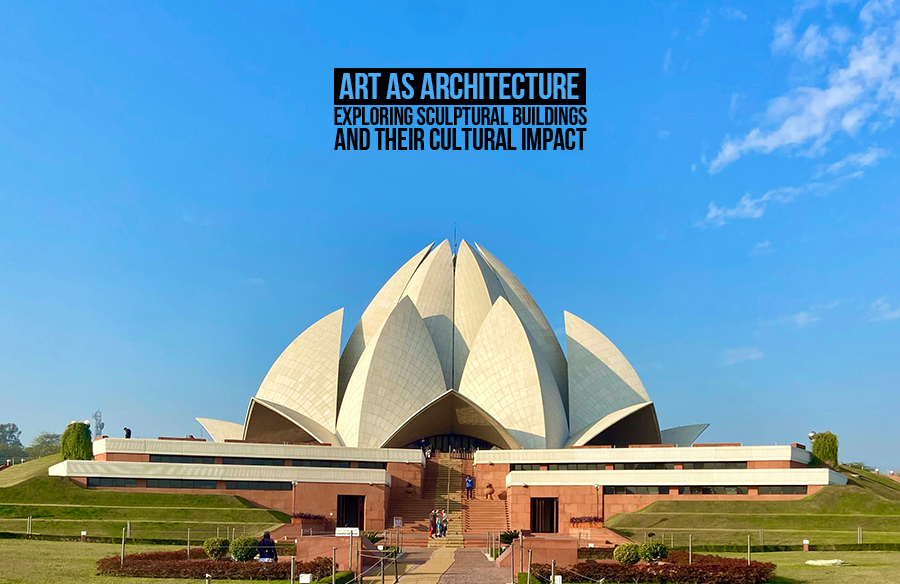
Lately, something amazing has been happening in architecture. It’s a mix of art & design that results in what we call sculptural buildings. These structures aren’t just places to work or live in; they stand out as artworks by themselves. Sculptural buildings challenge the usual rules of design. They push us to think differently about how we see and interact with our environment.

For architects, this movement is super exciting! With sculptural architecture, buildings can be looked at not just as practical spaces but also as creative expressions reflecting culture & identity. It beautifully combines shape with function, highlighting the importance of architecture in our lives.
The Rise of Sculptural Architecture

Interestingly, sculptural architecture didn’t just appear overnight. It gained popularity in the late 20th and early 21st centuries, and credit goes to visionary architects like Frank Gehry, Zaha Hadid, and Daniel Libe skind.This brought to a new level with their eye-catching forms & materials—turning regular buildings into icons!

Consider Frank Gehry’s Guggenheim Museum in Bilbao, Spain. It’s not just a museum. With its wavy metallic surface, it breaks old architectural rules and has become an iconic symbol for the whole city. Plus, it helped revive Bilbao, changing it from a struggling industrial area into a lively culcentrecenter. This shows how sculptural buildings can serve not only as art but also promote economic & cultural growth.
Pushing Bounds in Design
One really exciting thing about sculptural architecture is using modern materials along with tech advancements. It’s not just for appearance; it’s a big leap forward! Tools limodellingdeling software help architects create designs that were once seen as impossible. They can explore complex forms & fluid designs that feel more like art than typical buildings.

Zaha Hadid’s MAXXI Museum in Rome shows this off perfectly. Its dramatic curves & sharp angles create an organic yet modern vibe that pushes the limits of architecture. The materials—mainly concrete & glass—play wonderfully with light and space. Visitors get to enjoy the art inside and the building’s stunning design too—sunlight dances across its surfaces while shadows shift throughout the day, making the place seem alive!
Cultural Meaning Through Design
Sculptural buildings are not only eye-catching; they carry deep cultural meanings! They reflect the values and history of their communities, creating unique spaces where people feel connected. This strengthens community identity that’s felt by both locals & visitors.

Check out Eden Project in Cornwall, UK, designed by Sir Nicholas Grimshaw. The structure has giant geodesic domes that house biomes with ecosystems from around the world. It’s beautiful but also symbolises a crucial global conversation about sustainability! Its design unites technology with nature and shows how humans link up with their environment—offering hope for a greener future.

Another incredible example is the National Museum of African American History and Culture in Washington, D.C., designed by David Adjaye. The bronze exterior and unique stepped design draw inspiration from African art & symbols—making the museum itself a cultural icon! While it has exhibits to explore, it also tells meaningful stories celebrating African American history alongside resilience and achievements.
Engaging the Public Through Architecture
Sculptural architecture goes beyond just looking nice; it invites people to engage in fresh ways! These buildings are crafted to be discovered from various angles which encourages exploration & fun interactions. Unlike static structures, these dynamic designs invite everyone to experience them uniquely based on where they are standing.

The Sydney Opera House is an awesome example! Its sail-like roof makes it instantly recognizable—and it draws people in even more! Nestled beautifully within Sydney Harbour’s setting, folks can enjoy it from land, sea or air! Whether catching a show or simply admiring it from afar—the Opera House provides an experience you won’t find with traditional buildings!
Challenges & Criticisms
However, sculptural buildings don’t come without challenges despite their cultural importance! Their intricate designs can lead to higher building costs & require advanced engineering efforts too. Sometimes their bold styles may feel out of place next to more traditional structures causing discussions about whether they fit well within their surroundings.
For example, Frank Gehry’s Fondation Louis Vuitton in Paris faced some criticism for its expenses & stark appearance when compared to nearby Jardin d’Acclimatation classic look. These challenges make us wonder how far architects should go with creativity—can radical designs peacefully coexist with their environments?
The Future of Sculptural Architecture
Looking toward the future, sculptural architecture will keep evolving for sure! With fast advancements in technology like digital fabrication and parametric design, architects will continue pushing innovative boundaries even further. Plus, sustainability will likely become even more important as designers balance vision with environmental responsibility.
We can already see many projects combining green elements like parks or renewable energy sources into their designs! Sculptural architecture aims not just to amaze us but also to tackle the theological challenges we face today!
Conclusion
Sculptural structures are much more than stunning designs; they change how we think about architecture! By skillfully merging form with function—they transform ordinary buildings into true works of art! These fantastic structures invite us all to interpret them as symbols that inspire stories while engaging together culturally! As this trend grows stronger—we’ll keep witnessing architects creating spaces that are both functional yet rich expressions of human creativity and identity!