A small backyard doesn’t have to feel cramped. With the right layout, furniture and landscaping choices, even a modest outdoor space can feel open, comfortable and inviting. Unfortunately, a few common decorating mistakes can make an outdoor area appear considerably smaller than it actually is.
Oversized furniture, cluttered pathways and poorly positioned plants can all contribute to a crowded appearance. Sometimes, homeowners spend money improving their outdoor spaces without realising that their decorating choices are making the area less functional.
The good news is that creating a sense of space doesn’t necessarily require expensive renovations. Whether you’re considering designer outdoor furniture in Australia or simply rearranging what you already own, understanding these common mistakes can help you make better use of your backyard.
1. Choosing Furniture That’s Too Large
One of the easiest ways to make a backyard feel smaller is to fill it with furniture that overwhelms the available space.
A large outdoor dining table or oversized lounge setting might look fantastic in a showroom, but that doesn’t mean it will suit your patio.
Before purchasing anything, measure the area carefully and consider how people will move around the furniture.
As a general guide, try to leave approximately 90 centimetres of clearance around dining areas where people need to walk or pull out chairs.
For particularly compact spaces, consider furniture with slimmer frames, smaller footprints or flexible configurations.
A compact two-seater lounge paired with lightweight occasional chairs may provide more flexibility than one enormous outdoor sofa.
2. Filling Every Available Corner
It’s tempting to use every square metre of your backyard, particularly when outdoor space is limited.
However, squeezing furniture, decorations and plants into every corner can make the area feel cluttered.
Empty space is an important part of good outdoor design.
It gives the eye somewhere to rest and creates a sense of openness between different features.
Rather than filling every corner, choose a few elements that serve a clear purpose.
For example, a comfortable seating area, a small dining space and some carefully selected greenery may be all you need.
Avoid introducing decorative items simply because there’s an empty spot available.
Sometimes, leaving an area untouched creates a more balanced and attractive result.
3. Using Too Many Different Materials and Colours
A backyard containing several competing colours, furniture styles and surface materials can feel visually overwhelming.
For example, combining brightly coloured paving, patterned cushions, multiple timber finishes and several styles of outdoor furniture may make a compact area appear busy.
A more consistent colour palette helps create visual continuity.
Consider selecting two or three main colours and repeating them throughout the space.
Neutral tones can work particularly well because they allow plants, textures and architectural details to provide visual interest.
You don’t need everything to match perfectly. Combining materials such as timber, metal and stone can create an appealing layered appearance.
The key is ensuring that the different elements complement one another rather than compete for attention.
4. Ignoring Vertical Space
When floor space is limited, thinking vertically can make a significant difference.
Many homeowners focus entirely on ground-level decorating, overlooking walls, fences and other upright surfaces.
Vertical gardens, hanging planters and wall-mounted storage can introduce useful features without occupying valuable floor space.
For example, instead of arranging several large pots across a narrow patio, you could install a vertical planting system along a fence.
Climbing plants can also soften hard surfaces and create a more welcoming atmosphere.
However, avoid covering every wall with dense greenery, particularly in enclosed courtyards.
A combination of planting and open surfaces generally creates a more balanced appearance.
5. Blocking Natural Sightlines
The way you arrange furniture and landscaping influences how spacious your backyard feels.
Tall objects positioned directly in front of entrances or across important viewing areas can visually divide a small space.
For example, placing a large outdoor cabinet near the doorway may make the backyard feel enclosed before you even step outside.
Try to maintain clear sightlines from your home towards the far end of the garden.
Lower furniture, open-framed seating and carefully positioned planters can help preserve this sense of depth.
Where possible, arrange taller elements along boundaries rather than in the middle of the space.
This doesn’t mean avoiding privacy screens or tall plants altogether. Instead, position them strategically so they provide privacy without unnecessarily restricting the view.
6. Overlooking the Importance of Lighting
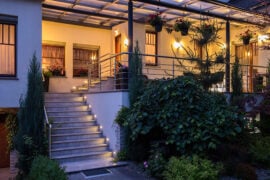
Poor lighting can make an outdoor space feel smaller and less inviting after sunset.
A single bright floodlight may illuminate the entire backyard, but it can also create harsh shadows and make the area feel uncomfortable.
Layered lighting generally produces a more welcoming atmosphere.
Consider combining several lighting sources, such as:
- Wall-mounted lights near entrances and seating areas.
- Subtle pathway lighting to define walking routes.
- Warm string lights above an entertaining area.
- Soft garden lighting to highlight selected plants or features.
Avoid placing too many lights close together, as excessive illumination can make a small area feel busy.
The aim is to create depth and atmosphere while ensuring pathways and steps remain safely visible.
Making the Most of Your Outdoor Space
A backyard doesn’t need to be enormous to feel comfortable, practical and attractive.
Often, the biggest improvements come from removing unnecessary items, choosing furniture that suits the available space and creating a consistent visual style.
Start by looking at your backyard from the areas where you spend the most time, particularly doorways and windows. Consider which objects interrupt the view, where movement feels restricted and whether every feature serves a useful purpose.
By focusing on proportion, simplicity and thoughtful placement, you can create an outdoor space that feels larger without changing its actual dimensions.
The result is a backyard that’s easier to enjoy, more comfortable for entertaining and better suited to everyday living.