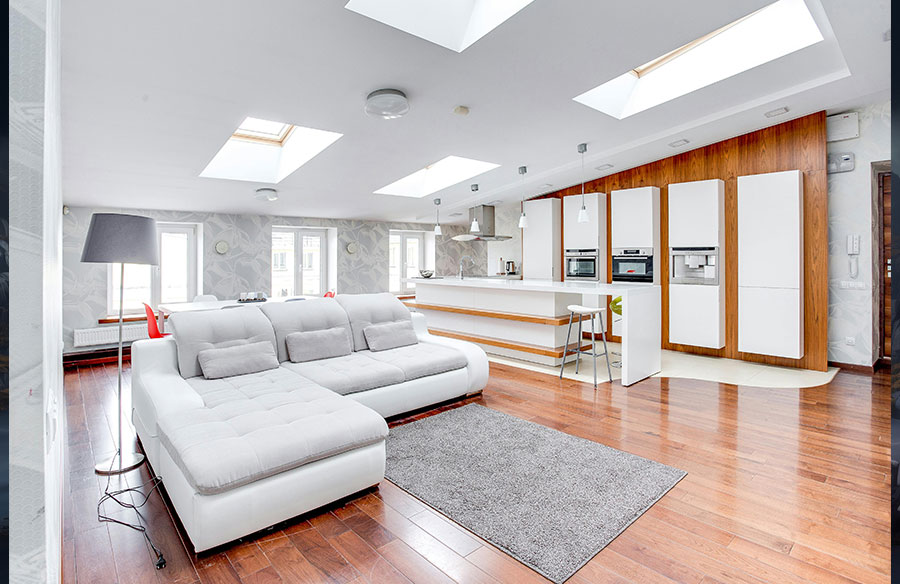
Minimalism used to mean cold, empty rooms that felt more like art galleries than actual homes. Today, that approach has shifted. People still want clean, uncluttered spaces, but they also want warmth, comfort, and personality.
According to Future Data Stats, the global minimalist living market was worth USD 4.5 billion in 2025. It is projected to expand to USD 11.5 billion by 2033, growing at a compound annual growth rate of 7.5%.
This massive growth shows that minimalism is here to stay, but the way people design these spaces is evolving. You do not need crowded shelves or heavily decorated walls to make a home feel inviting. A few thoughtful design choices can help maintain that clean, peaceful atmosphere while instantly adding warmth and character.
In this article, we look at the simple design elements that bring personality into a modern, minimalist space without creating clutter.
Statement Furniture With Organic Forms
One of the easiest ways to add character to a minimalist space is through furniture with a strong visual identity. In a room with little visual noise, choosing sculptural, organic forms makes an immediate impact. Consider pieces like rounded sofas, curved floor lamps, or a single accent chair with a unique silhouette.
Among the most visually striking options today are epoxy resin tables, which blend artistic design with natural materials to create a true statement piece.
According to KC Custom Hardwoods, resin enhances the aesthetic appeal of wood while also addressing imperfections. As a liquid, resin fills and smooths out flaws on live-edge slabs, ensuring that wood with waviness or unusual grain patterns can still find purpose in tables.
The result is a highly functional art piece that combines raw natural elements with rich, colorful, flowing lines. In minimalist homes, epoxy tables become natural conversation pieces. They reduce the need for extra decorative clutter while introducing a strong sense of authenticity, warmth, and organic character.
Texture as a Design Tool
When color is stripped back, texture steps forward. Minimalist interiors that rely solely on flat, smooth surfaces risk feeling sterile. Layering different textures adds depth and tactile richness that makes a space feel lived-in.
According to Good Housekeeping, interior designer Kristen Bonney-James notes that a mix of textures adds dimension, depth, and warmth. Designer Melanie Calder Russo adds that interior design should whet the senses, making you instinctively want to run your hand along a fabric.
To keep multiple elements from feeling overwhelming, designers suggest a simple trick: opposites attract. Designer Jess Cooney explains that the best way to contrast textiles is through scale. Combining a raw linen sofa with a chunky knit throw, or a concrete floor with a jute rug, creates visual complexity without color.
Natural materials like veined stone and grained wood introduce inherent imperfections that instantly bring character and harmony to a minimalist home.
Curated Art and the Power of One
Art is a deeply personal way to infuse a space with character, and minimalism provides the perfect backdrop for it to shine. Instead of crowded gallery walls, minimalist homes benefit most from a single, well-chosen piece. Placing a large abstract canvas or a striking photograph against a bare wall draws the eye and sets the tone, using negative space to let the work breathe.
Additionally, according to Homes & Gardens, simply propping your prints against a wall or on a surface feels far less rigid and far more chic. Leaning your artwork instead of hanging it creates a casual, lived-in feel that is familiar and approachable. This styling choice keeps the space dynamic, allowing pieces to move, overlap, and evolve.
The tension between formally hung works and casually leaning art gives the entire arrangement a sense of life, authenticity, and profound personal resonance.
Greenery and Natural Elements
Plants are among the easiest ways to bring warmth and life to a minimalist interior. According to Livingetc, minimalist spaces embrace a “less-is-more” approach to indoor greenery rather than crowded, jungle-style displays.
Instead of filling every corner with plants, the focus is on carefully chosen pieces with strong shapes, interesting structures, and architectural presence. A single fiddle-leaf fig, sculptural cactus, or trailing pothos can instantly become a focal point in a clean, uncluttered room.
The choice of a planter matters just as much as the plant itself. Neutral-toned pots with smooth finishes or natural textures help highlight the greenery without overpowering the space. Beyond plants, elements like raw stone, driftwood, and woven baskets add an earthy, grounded quality to minimalist homes.
Drawing inspiration from soft or cozy minimalism can further help create an interior that feels calm, welcoming, and naturally connected to the outdoors.
Earth-Toned and Muted Color Accents
Minimalist interiors are moving beyond stark white palettes and embracing softer, earth-toned colors that make spaces feel warmer and more inviting. Shades like beige, olive green, terracotta, charcoal, and muted taupe add depth without overwhelming the simplicity of the design.
These tones work beautifully through accent walls, upholstered furniture, textiles, and carefully chosen décor pieces while still maintaining clean lines and an uncluttered atmosphere.
However, according to House & Garden, introducing color into a minimalist home requires thoughtful planning to preserve a calm and restrained aesthetic. Since paint covers the largest surface area in a room, selecting the right shade becomes especially important.
One effective design approach is using the same color on walls, woodwork, doors, and trim to create a seamless visual flow. Designers also recommend varying the sheen levels between surfaces to introduce subtle depth and texture. The result is a minimalist space that feels cohesive, serene, and full of understated character.
Frequently Asked Questions
How can you make a minimalist home feel warmer?
You can make a minimalist home feel warmer by introducing layered textures, earth-toned colors, natural materials, greenery, and statement furniture with organic forms. Thoughtfully chosen décor pieces, soft lighting, and curated artwork also help create a more inviting and personal atmosphere without adding clutter.
What colors work best in minimalist interiors?
Modern minimalist interiors often use muted and earth-toned shades like beige, olive green, terracotta, charcoal, taupe, and soft sage. These colors add warmth and depth while still maintaining the clean and calming aesthetic associated with minimalism.
How do natural materials enhance minimalist design?
Natural materials such as wood, stone, linen, jute, and woven textures add authenticity and visual depth to minimalist spaces. Their natural imperfections and tactile qualities prevent interiors from feeling sterile while helping create a grounded, balanced, and lived-in environment.
Design Trends and Key Insights for Modern Minimalist Homes
| The global minimalist living market was valued at USD 4.5 billion in 2025. | Reflects the growing popularity of minimalist lifestyles. |
| The market is projected to reach USD 11.5 billion by 2033, growing at a CAGR of 7.5%. | Shows that minimalist home design continues to evolve. |
| Designers emphasize that layered textures add “dimension, depth, and warmth” to interiors. | Reinforces the importance of texture in making minimalist homes feel more inviting. |
| Minimalist indoor gardening focuses on carefully selected statement plants rather than crowded displays. | Shows how greenery can introduce warmth and organic structure while maintaining simplicity. |
| Using the same paint shade across walls, trim, and doors creates a smooth visual flow. | Supports the use of muted tones and cohesive color palettes in modern minimalist homes. |
Minimalism is about meaning and not about emptiness. Every element you choose carries more weight precisely because there are fewer of them. From the visual drama of an epoxy resin table to the quiet richness of layered textures, character is built through deliberate choices.
The most memorable spaces are those where restraint and personality coexist effortlessly, ensuring each object and form has a clear purpose. You do not need a crowded room to tell a story. Trust the design process, edit your choices boldly, and let your home express exactly who you are with quiet confidence.