For years, outdoor living spaces were designed mainly around entertaining guests. Large patios, oversized televisions, outdoor bars, and elaborate party setups often shaped backyard design trends. While entertaining still matters, many homeowners are now shifting their priorities toward something very different: recovery, relaxation, and emotional comfort.
This change reflects a broader shift in modern lifestyles. People are spending more time managing stress, digital overload, busy schedules, and mental fatigue than ever before. As a result, many homeowners no longer want outdoor spaces that constantly feel loud or overstimulating. Instead, they are designing environments that help them slow down, recover physically, and mentally disconnect after demanding days.
Backyards are increasingly becoming personal wellness spaces rather than purely social entertainment areas.
Recovery Spaces Feel More Useful During Everyday Life
One reason recovery-focused outdoor spaces continue growing in popularity is because people tend to use them more consistently than entertainment-focused setups. Large party areas may only get used occasionally, while quieter wellness spaces often become part of everyday routines.
This is especially true for outdoor wellness additions connected to Premium Saunas. Many homeowners now prioritize spaces centered around warmth, calmness, and physical recovery because they fit naturally into ordinary evenings after work, exercise, travel, or stressful schedules.
Unlike purely entertainment-driven features, recovery spaces often support daily habits instead of occasional events. The ability to step outside, disconnect from screens, and mentally slow down has become increasingly valuable for many households.
As home wellness trends continue growing, outdoor spaces are being designed less around impressing guests and more around improving everyday quality of life.
People Are Becoming More Sensitive to Overstimulation
Modern life already contains enormous amounts of stimulation. Notifications, social media, work pressure, traffic, noise, and constant digital engagement leave many people mentally exhausted before the day even ends.
Because of this, highly stimulating outdoor entertainment spaces no longer feel relaxing to everyone. Loud televisions, crowded layouts, bright lighting, and party-focused environments can sometimes feel emotionally draining rather than restorative after stressful weeks.
This explains why softer outdoor environments are becoming much more appealing. Homeowners increasingly want quieter lighting, natural materials, slower pacing, outdoor wellness features, and more intentional spaces designed around calmness instead of constant activity.
The emotional atmosphere of the backyard now matters just as much as appearance or entertainment value itself.
Outdoor Wellness Has Become Part of Home Design
 Another major reason for this shift is that wellness is no longer treated as a separate luxury activity. Instead of viewing relaxation as something reserved for spas or vacations, many homeowners now want recovery integrated directly into daily life at home.
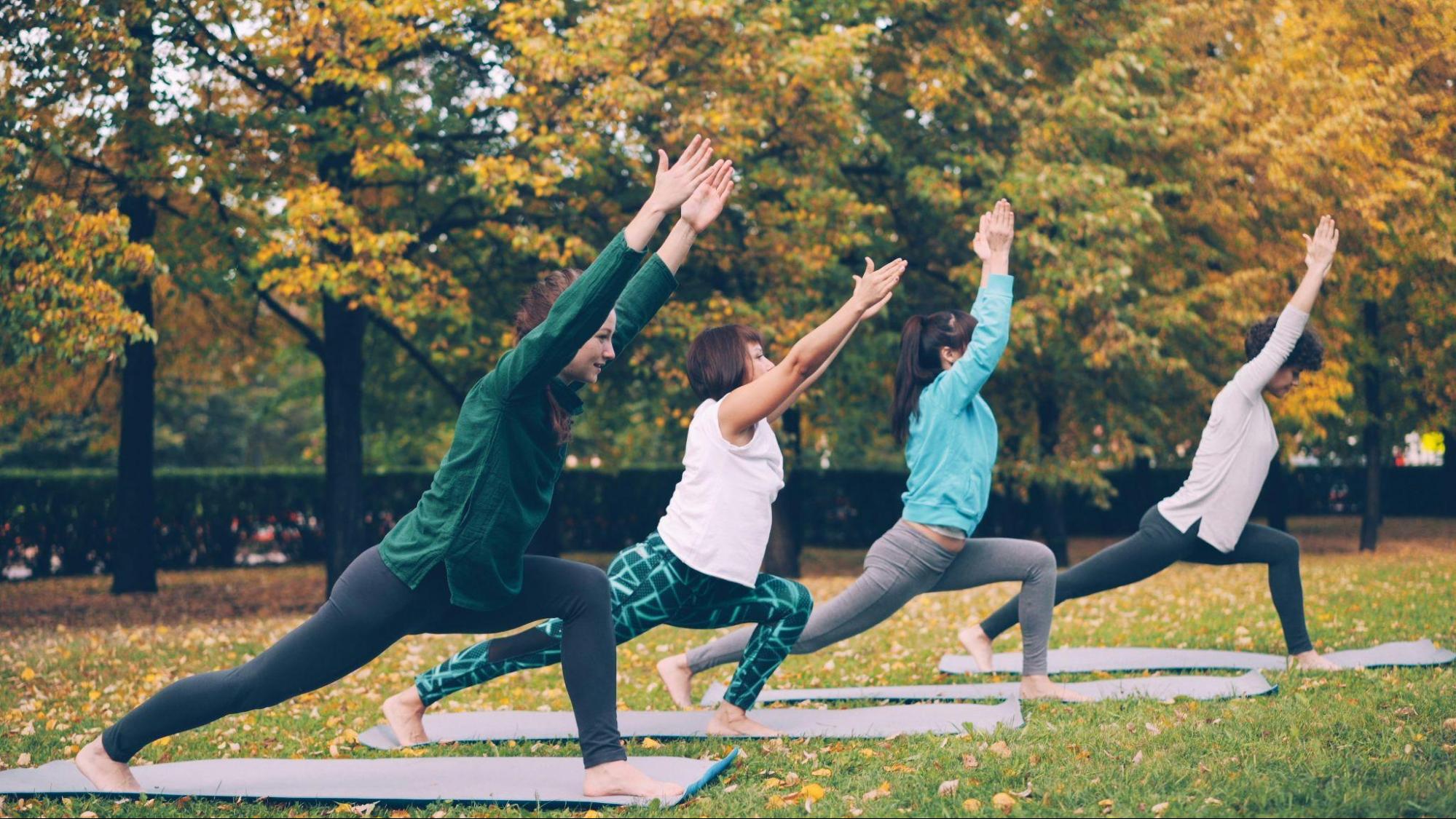
This trend has influenced everything from landscaping to architecture. Outdoor saunas, cold plunge setups, meditation corners, yoga decks, and quieter outdoor lounges are increasingly becoming part of mainstream backyard design.
Outdoor wellness spaces also support a stronger connection with nature, which many people find emotionally restorative after spending long hours indoors or online. Natural light, fresh air, warmth, and quieter surroundings often help create a stronger sense of mental balance than highly digital entertainment setups.
The goal for many homeowners is no longer creating the most impressive backyard possible, but creating one that genuinely improves how daily life feels.
Simpler Outdoor Spaces Often Feel More Luxurious
Interestingly, many recovery-focused backyards are visually simpler than older entertainment-centered designs. Instead of filling spaces with excessive features, homeowners often prioritize openness, calmness, comfort, and usability.
This shift reflects changing ideas about luxury itself. For many people, luxury now means privacy, emotional calm, better sleep, reduced stress, and uninterrupted downtime rather than purely visual extravagance.
Outdoor wellness spaces frequently feel more personal because they support slower routines instead of high-energy social environments. Warm lighting, comfortable seating, natural wood, softer landscaping, and quieter layouts often create stronger emotional comfort than oversized entertainment systems or party-focused setups.
The simpler and calmer the environment feels, the more restorative it usually becomes after demanding days.
Recovery Is Becoming a Long-Term Investment
Many homeowners also view wellness-focused outdoor spaces as long-term lifestyle investments rather than temporary trends. Recovery routines tied to stress reduction, physical comfort, sleep quality, and emotional balance tend to remain valuable throughout different stages of life.
This is one reason outdoor saunas and wellness environments continue growing in popularity globally. Homeowners increasingly see these additions as practical parts of healthier routines rather than occasional luxuries.
The flexibility of modern outdoor wellness design also contributes to the trend. Smaller spaces, modular layouts, and year-round usability make recovery-focused outdoor features feel more accessible than traditional large entertainment projects.
Many people now want outdoor spaces that support how they actually live day-to-day instead of spaces designed only for occasional social events.
The Backyard Is Becoming a Personal Sanctuary
Perhaps the biggest reason behind this design shift is emotional. People increasingly want homes that help them recover from modern life instead of adding more stimulation to it. The backyard is gradually becoming less of a performance space and more of a sanctuary.
Quiet outdoor routines, physical relaxation, lower stimulation, and calmer environments often provide emotional relief that busy schedules fail to offer during the day. Homeowners are designing spaces where they can think clearly, rest physically, and disconnect mentally without needing to leave home.
As recovery becomes a bigger priority in modern lifestyles, outdoor spaces are naturally evolving alongside it. The most valuable backyard features are no longer always the loudest or most dramatic ones. More often, they are the spaces that quietly make people feel calmer, healthier, and more emotionally balanced week after week.