
Architecture has always been a visual discipline. Drawings, models, renderings, and physical spaces define the profession. Yet behind every successful project lies something less visible but equally powerful: language. Design briefs, technical reports, client emails, competition entries, grant proposals, and urban policy documents all rely on precise and compelling writing.
As firms grow more interdisciplinary and projects become more complex, the pressure to communicate clearly has increased. Architects and urban designers are no longer speaking only to other architects. They are speaking to investors, city officials, communities, engineers, sustainability consultants, and global collaborators. In this evolving landscape, AI writing tools are quietly reshaping how design practices operate.
The Growing Weight of Documentation in Design Practice
Every project generates a significant volume of written material. Concept statements, feasibility reports, environmental assessments, compliance documentation, consultant coordination notes, and internal memos are part of everyday workflows.
For many firms, this documentation consumes more time than expected. A brilliant design idea can be delayed by unclear specifications. A promising project can lose momentum when a proposal lacks clarity or structure.
AI writing platforms are increasingly being used to refine this process. They help teams polish technical descriptions, improve readability, and maintain consistency in tone. Instead of rewriting paragraphs multiple times, architects can focus on content and reasoning while allowing intelligent writing assistance to enhance clarity and flow.
Clearer Client Communication Builds Trust
Clients do not experience architecture through drawings alone. They experience it through conversation and written explanations. A proposal that clearly articulates design intent builds confidence. An email that explains a design revision in accessible language prevents confusion.
AI writing tools support this process by helping professionals adjust tone and simplify complex ideas. A technical explanation of structural constraints can be refined into language that a non technical client can understand without losing accuracy. This strengthens relationships and accelerates decision making.
In client facing contexts, tone matters as much as content. Intelligent writing assistance can suggest more approachable phrasing when needed, ensuring that communication remains professional yet human.
Reinventing Proposal Writing and Competition Submissions
Competition entries and RFP responses demand both creativity and precision. The narrative must capture a design vision while satisfying strict submission criteria. Even minor inconsistencies in language or structure can weaken a proposal.
Design teams are increasingly using AI writing support to refine large sections of text quickly. Instead of starting from scratch for every submission, teams can repurpose and elevate previous content, ensuring alignment with new project contexts. The result is not generic writing, but more coherent and confident storytelling.
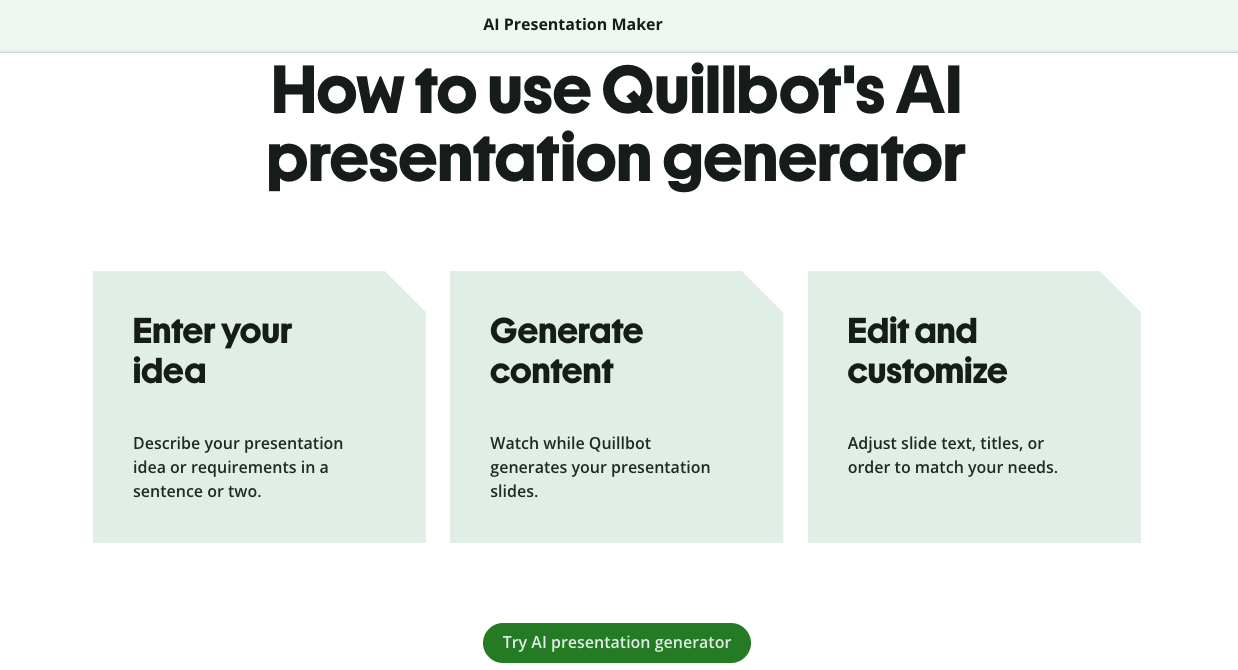
For presentation phases, tools such as an AI Presentation Maker allow teams to convert written narratives into structured slide decks. This creates a smoother transition from concept statement to client facing presentation. Instead of manually formatting every slide, designers can focus on the story they want to tell.
 Strengthening Internal Collaboration
Architecture and urban design projects bring together diverse specialists. Engineers, planners, landscape architects, and policy experts all contribute. Misunderstandings between teams can lead to delays and costly revisions.
AI writing tools help bridge communication gaps by improving clarity in internal notes and coordination documents. Technical jargon can be clarified. Long paragraphs can be condensed into structured bullet points. This creates shared understanding and reduces friction between disciplines.
For global firms working across languages, writing tools also support translation and paraphrasing workflows. Multilingual communication becomes more seamless, which is particularly valuable in international urban development projects.
Supporting Emerging Professionals
Junior architects and interns often struggle with professional documentation standards. They may have strong design skills but lack confidence in formal writing. AI writing assistance can function as a silent mentor. It helps refine grammar, strengthen sentence structure, and suggest alternative phrasing without interrupting workflow.
This accelerates onboarding and ensures that documentation quality remains consistent across teams. It also reduces the time senior architects spend on minor language corrections, allowing them to focus on strategic design guidance.
Balancing Human Creativity with Intelligent Assistance
It is important to emphasize that AI writing tools do not replace architectural thinking. They do not generate design intent or spatial intelligence. What they do is enhance how ideas are communicated.
When used responsibly, these tools amplify human expertise rather than diminish it. They support architects in articulating complex ideas more effectively while maintaining ownership and authorship of the work itself.
The real transformation lies not in automation but in clarity. As cities grow more complex and projects become more interdisciplinary, the ability to explain design decisions clearly becomes a competitive advantage.
Looking Ahead
Architecture and urban design firms are entering an era where communication is as strategic as design. Internal documentation, client proposals, and public engagement materials all shape how projects are perceived and approved.
AI writing platforms are becoming part of this communication infrastructure. They help firms move faster, reduce friction, and maintain a consistent voice across projects. In a field where detail matters, even small improvements in clarity can lead to significant impact.
The firms that integrate intelligent writing support thoughtfully into their workflows will likely find themselves better positioned to navigate the evolving demands of clients, cities, and communities.