The outside of a home does two jobs at once. It creates the first impression for neighbors and guests, and it stands between your household and everything the weather brings. Rain, wind, snow, heat, and moisture slowly wear down every surface they touch.
When you plan your exterior projects with both goals in mind, you get a home that looks inviting and holds up far longer.
Strengthening the Openings That Face the Weather
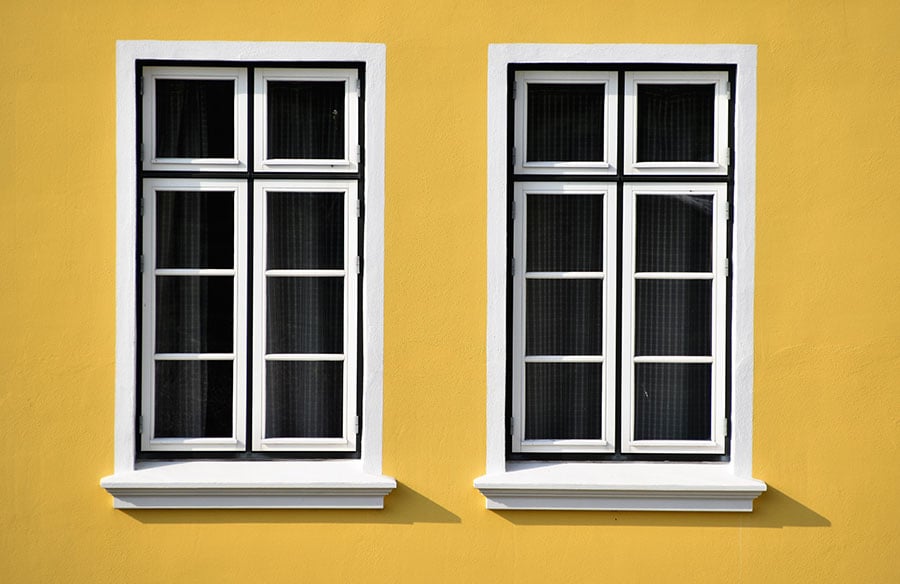
Every house has spots where outside air and moisture find their way in, and those weak points often show from the street as well. Old windows with fogged glass, cracked frames, or seals that no longer close properly let in drafts and dampness while making the front of the house look tired.
Replacing them with new, tightly sealed units is one of the most effective upgrades for both appearance and protection. You can hire a family-owned window replacement company to ensure the installation is done properly and the units are sealed against harsh weather. Fresh frames and clear glass sharpen the face of a home while keeping the rooms behind them comfortable through every season.
Siding That Looks Clean and Keeps Moisture Out
Siding covers more of your home than any other material, so its condition shapes how the whole property looks. Faded, warped, or cracked panels make even a well-kept house appear neglected. Damaged siding also allows water to slip behind it, where it can soak the wall sheathing and lead to rot or mold over time.
Modern vinyl siding comes in a wide range of colors and textures, from classic lap styles to looks that resemble wood shakes. It does not need regular painting, and it resists peeling and flaking. Choosing a color that suits your roof and trim can change the entire character of the house.
A Roof That Protects and Completes the Look
The roof is one of the most visible parts of a house from the street. Curling, missing, or stained shingles quickly drag down the appearance of an otherwise attractive home. They also signal that the first line of defense against rain and snow is weakening.
A new roof gives you the chance to pick a color and style that ties the exterior together. Darker shades can add depth and contrast, while lighter tones can help a home feel brighter and reflect some of the summer heat. Whatever material you choose, proper installation with sound flashing around chimneys and vents is what keeps water out.
Gutters That Guide Water Away From Your Foundation
Gutters rarely get much attention, yet they play a major role in protecting a home. When they are clogged, sagging, or pulling away from the roofline, rainwater spills over the edges and pools near the foundation. This can cause cracks, damp basements, and washed-out flower beds.
Seamless gutters in a color that matches your trim look neat and leak less than older sectional styles. Adding guards helps keep leaves and debris out, which cuts down on cleaning and prevents overflow. Make sure the downspouts carry water several feet away from the house.
Soffit and Fascia That Finish the Roofline
The soffit and fascia are the boards that run along the underside and edge of your roof. They are easy to overlook, but when they rot, peel, or sag, the whole roofline looks worn.
Upgrading them to low-maintenance materials gives the top edge of your home a crisp, finished appearance. Vented soffit panels also help air move through the attic, which reduces moisture buildup in winter and heat buildup in summer. Good attic airflow can help prevent ice dams, which form when melting snow refreezes at the roof edge and forces water under the shingles.
An Entry Door That Welcomes and Seals Tight
The front door is the natural focal point of any home. A dented, faded, or poorly fitting door makes the entrance feel dated and lets cold air slip inside. New doors made from steel or fiberglass offer strong security, better insulation, and resistance to warping in damp conditions.
Color is one of the easiest ways to make the entry stand out. A bold shade can add personality, while a deep neutral looks classic. Pair the new door with updated hardware, a fresh weatherstrip, and a sturdy threshold to block drafts and keep rain from creeping in at the base.
Landscaping That Works With Your Home
Plants, lawn, and paths frame the house and soften its lines. Thoughtful landscaping can also protect the structure. Keep shrubs and trees trimmed back from the walls and roof so branches do not scrape the siding or drop leaves into the gutters. Leaving a little space between plants and the house also allows air to circulate and helps surfaces dry after rain.
Make sure the soil slopes gently away from the foundation so water drains outward instead of collecting against the walls. Mulch, stone borders, and well-placed beds add visual appeal while helping control erosion.
Lighting and Fixtures That Add Finishing Touches
Outdoor lighting makes a home look inviting after dark and improves safety for anyone arriving at night. Wall lights beside the door, soft lighting along walkways, and fixtures near the garage all highlight the home’s best features. Choose fixtures rated for outdoor use, so they hold up against rain and temperature changes.
Routine Care That Keeps Everything Looking Its Best
Even the best materials last longer with regular attention. Walk around your home each spring and fall to check for loose siding, missing shingles, clogged gutters, and gaps in caulking. Clean exterior surfaces to remove dirt and mildew before they stain. Sealing small cracks and renewing worn weatherstripping stops minor issues from becoming expensive repairs.
Keeping a simple maintenance routine protects the investment you have made in your home. It also keeps the exterior looking sharp year after year, so your property continues to make a strong impression while standing firm against whatever the weather brings.