The vast expanse of the underwater world has forever captivated the human imagination, evoking a sense of mystery and wonder. From the depths of ancient oceans to the cutting-edge technology of the present day, the field of underwater architecture has emerged as a captivating discipline that combines engineering, environmental considerations, and human exploration. Spanning millennia, this captivating history traces the evolution of underwater architecture, from early submerged structures born out of necessity to the awe-inspiring subaquatic habitats designed for scientific inquiry and sustainable living. Join us as we dive into the captivating history and evolution of underwater architecture, revealing the triumphs, challenges, and boundless potential beneath the waves.
Ancient Origins
The roots of underwater architecture can be traced back to ancient civilisations that inhabited coastal regions. As early as 5000 BCE, societies such as the Phoenicians, Egyptians, and Greeks engaged in underwater construction projects, primarily driven by the need for harbours, dockyards, and maritime infrastructure. Techniques such as underwater foundation piles, cofferdams, and rudimentary diving bells were employed to create underwater structures, facilitating trade, defence, and naval operations. These early endeavours laid the foundation for the future exploration of the underwater world.
The Sunken City of Baiae
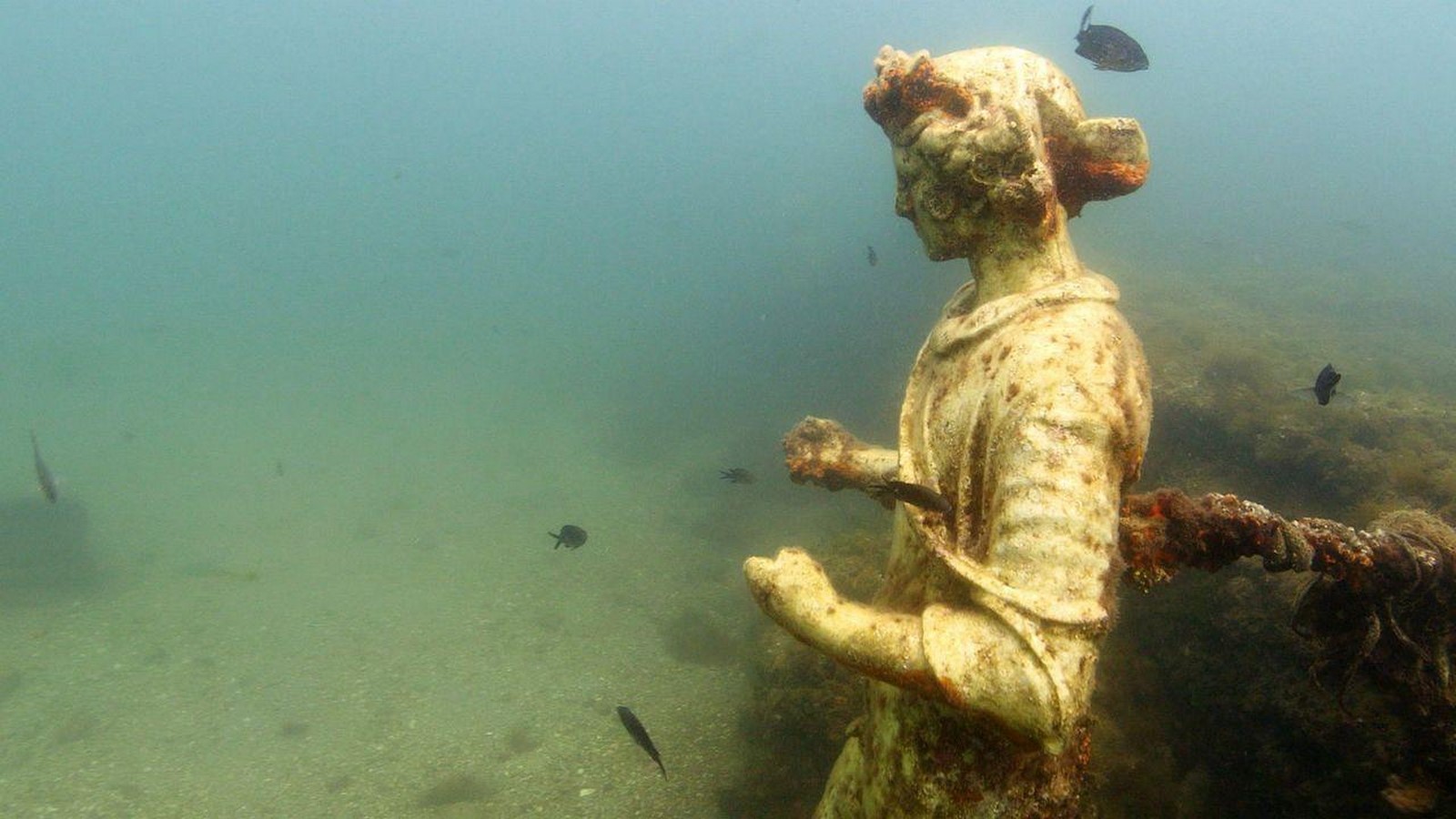
One of the most remarkable examples of ancient underwater architecture is the city of Baiae, located near present-day Naples, Italy. Flourishing during the Roman era, Baiae was a luxurious coastal resort known for its opulent villas and thermal baths. As the city expanded, some structures were built partially or entirely underwater, utilising innovative techniques such as hydraulic cement to withstand the corrosive effects of the sea. The submerged ruins of Baiae offer a captivating glimpse into the grandeur of the ancient world while also highlighting the technical ingenuity of the Romans in adapting to the challenges of building in an aquatic environment.
Medieval and Renaissance Era
The medieval and Renaissance periods witnessed notable developments in underwater architecture, particularly in fortifications and defensive structures. Coastal cities faced the constant threat of naval invasions, prompting the construction of fortified walls and innovative underwater barriers known as moles or breakwaters. These defensive structures played a crucial role in protecting harbours and impeding the movement of enemy ships.
During this era, architects and engineers faced unique challenges in designing and constructing underwater fortifications. They had to contend with the relentless force of the ocean, ensuring that the structures were durable and resistant to erosion. Advanced masonry techniques were employed, using materials such as cut stone and mortar to create sturdy underwater foundations.
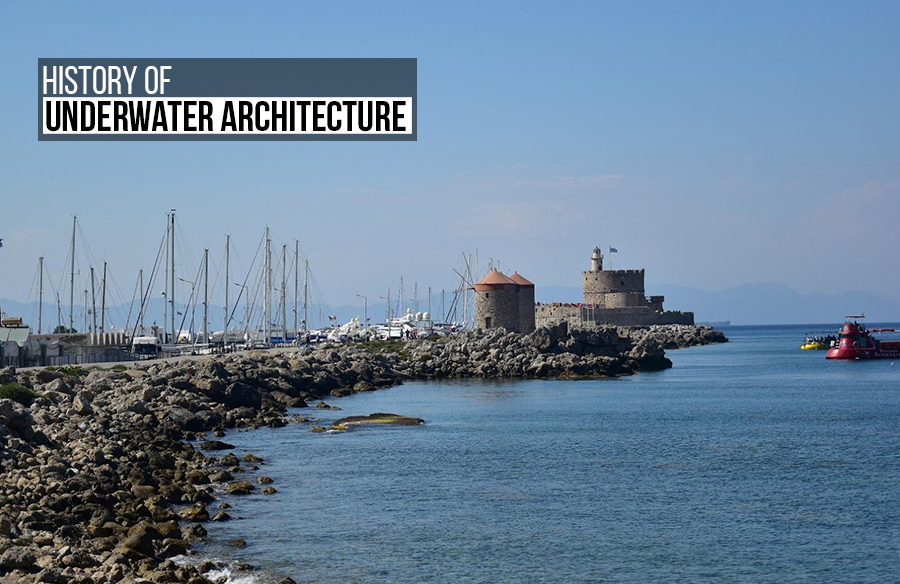
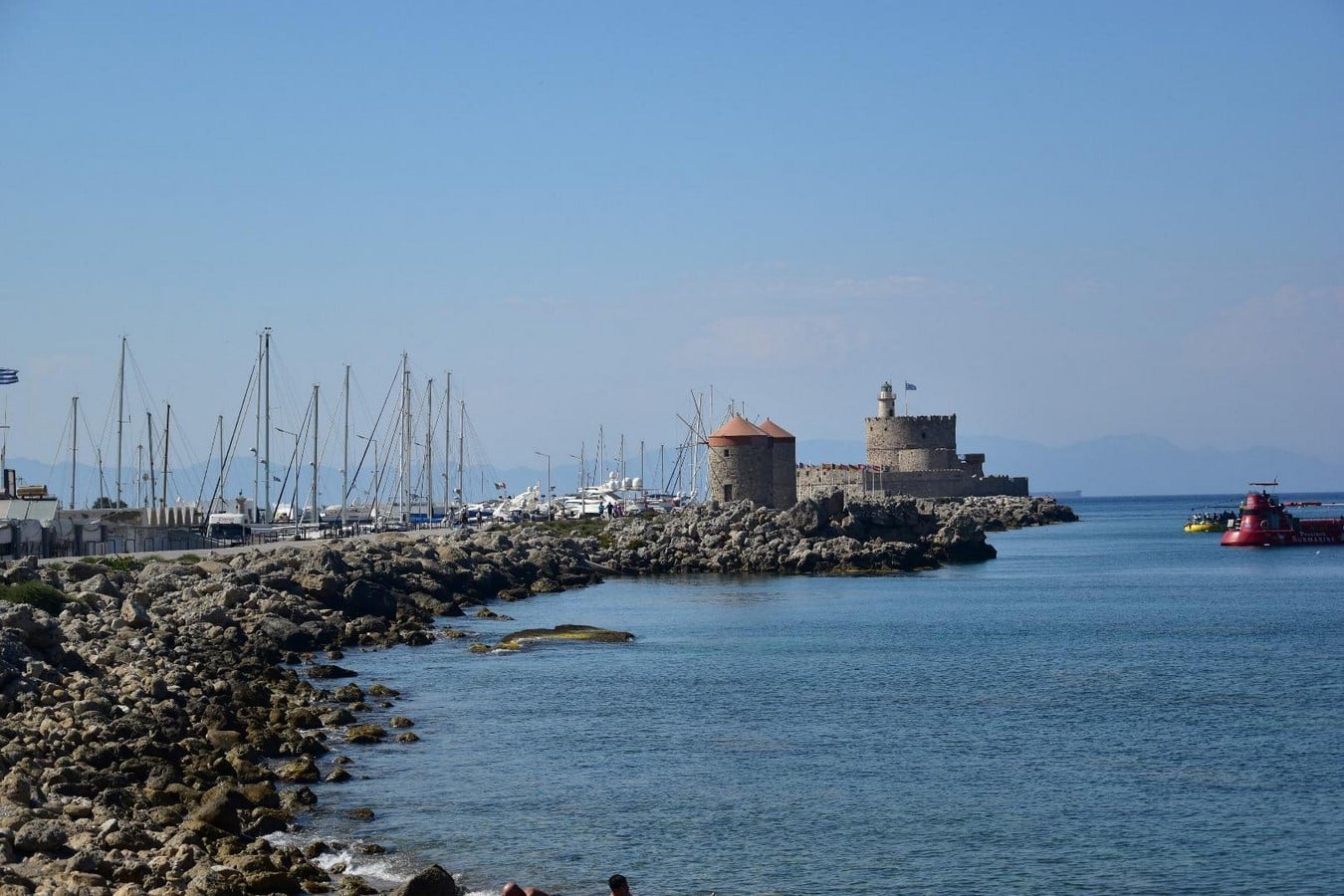
One exceptional example of underwater architecture from this period is the Fort Saint Nicholas Breakwater in Marseille, France. Built-in the 17th century, it stands as a testament to the ingenuity and engineering skills of the time. The breakwater effectively disrupted the movement of enemy vessels and provided a strategic advantage to the coastal defence systems.
Additionally, underwater fortifications incorporated elements such as submerged walls, underwater gates, and concealed structures. These features aimed to surprise and deter potential invaders, reinforcing the defensive capabilities of coastal cities.
The medieval and Renaissance era showcased the architectural innovations of the time and highlighted the profound understanding of hydrodynamics and the practical challenges of building in a marine environment. These developments in underwater fortifications laid the groundwork for future advancements in underwater architecture as engineers and architects continued to explore new techniques and technologies for construction beneath the waves.
Modern Submerged Structures
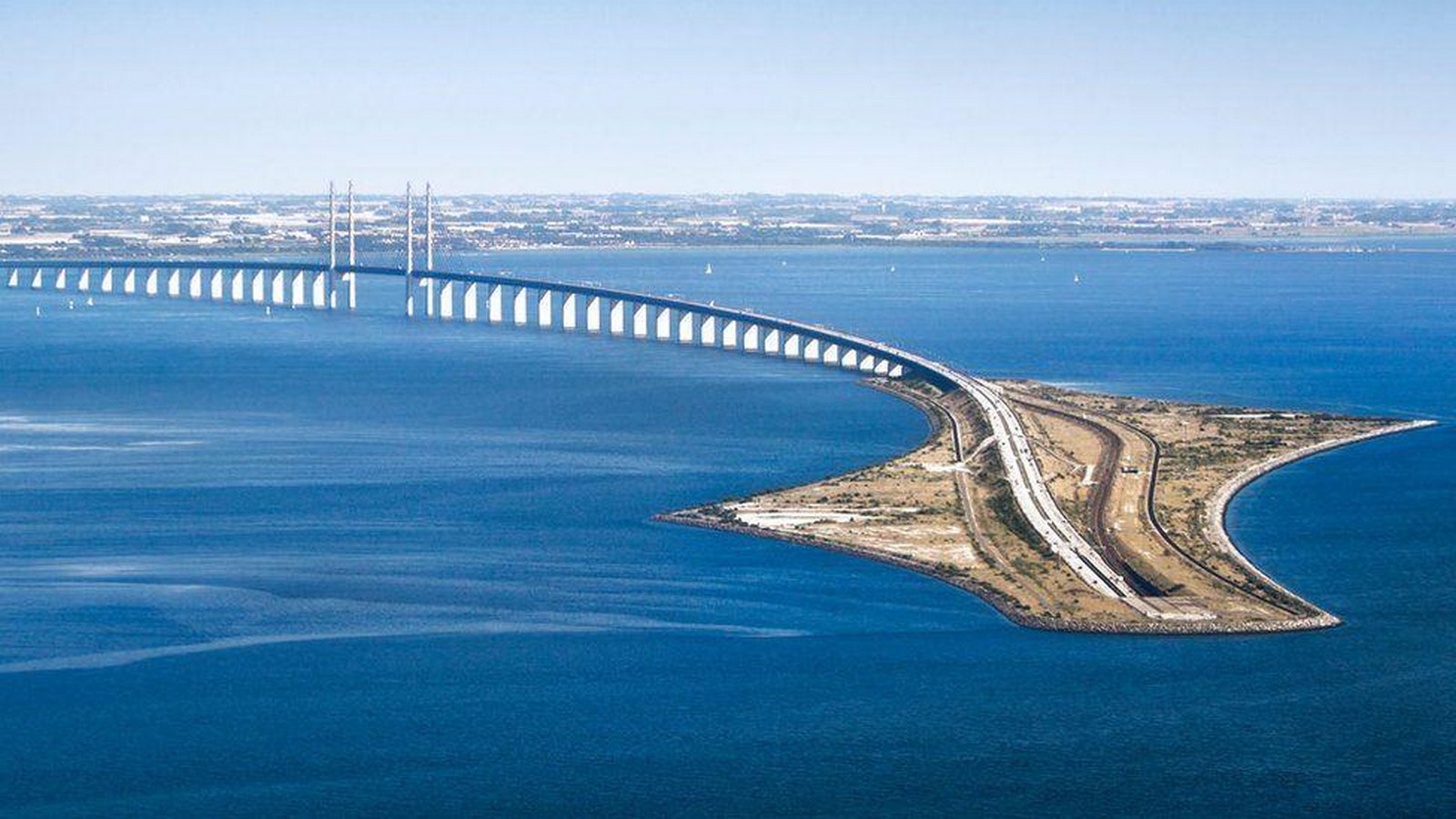
With advancements in engineering and technology in the 20th century, we have witnessed a surge in underwater architecture projects. These projects ranged from underwater tunnels and bridges to offshore drilling platforms and artificial reefs. Notable examples include the Holland Tunnel connecting New York City and New Jersey, the Øresund Bridge linking Denmark and Sweden, and the innovative Poseidon Undersea Resorts, offering luxurious accommodations beneath the waves. These structures demonstrate humanity’s ability to overcome the daunting challenges posed by water pressure, corrosion, and environmental factors to construct functional and aesthetically pleasing underwater spaces.
Underwater Habitats and Research Facilities
Beyond infrastructure, the exploration of underwater habitats has been a significant focus of underwater architecture. Aquarius, the world’s only underwater research laboratory, has provided scientists and researchers with a unique opportunity to study marine ecosystems up close. Installed off the coast of Florida, Aquarius has facilitated ground-breaking studies on marine biology, oceanography, and coral reef preservation. Similar underwater habitats have also been established in other parts of the world, pushing the boundaries of human presence and scientific discovery in the underwater realm. These habitats serve as valuable tools for environmental research and conservation efforts and provide valuable insights into the potential for long-term human habitation underwater.
Future Prospects
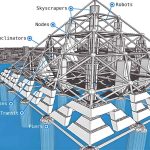
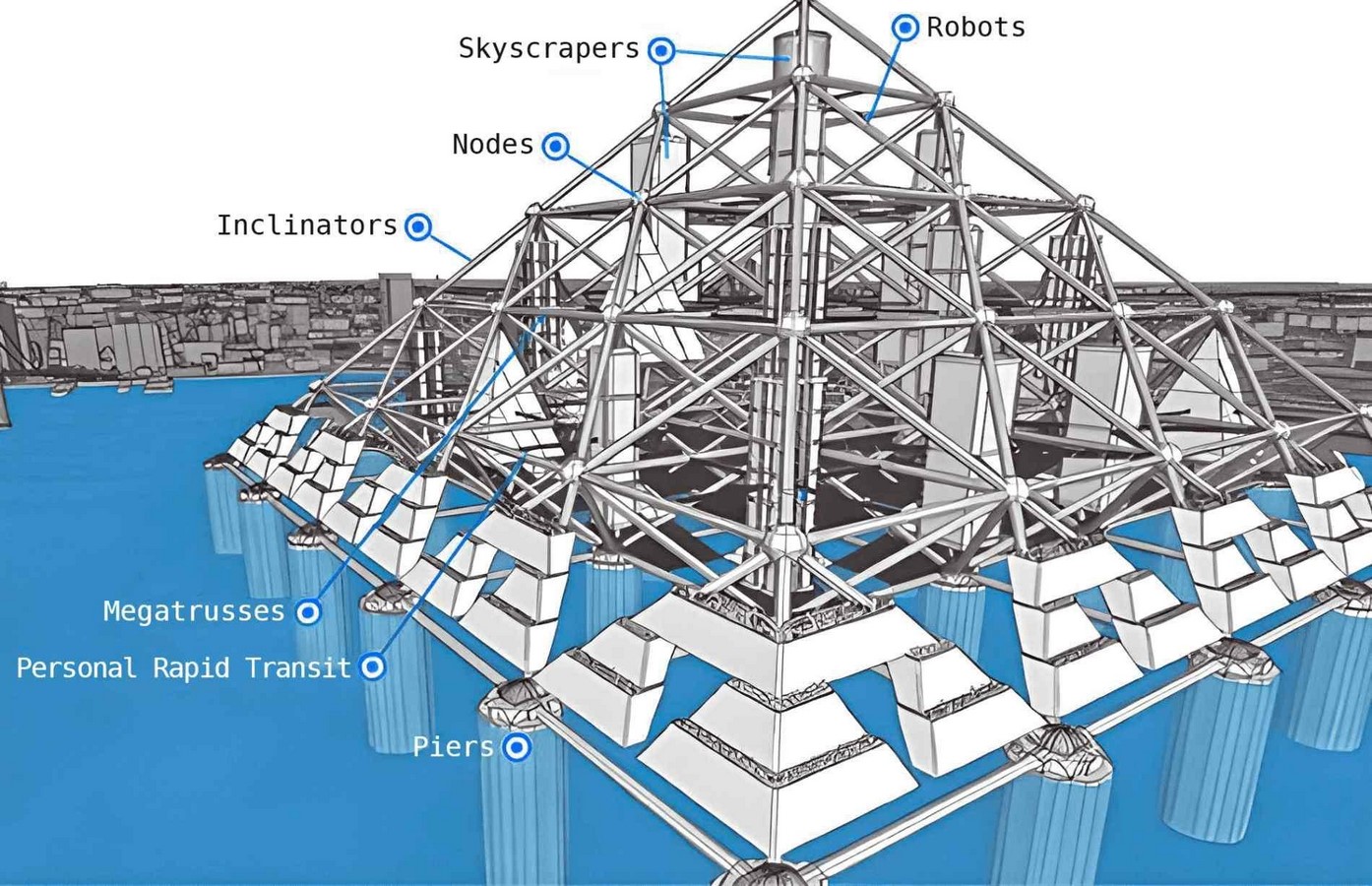
As technology continues to advance, the future of underwater architecture holds great promise. The concept of underwater cities, where humans could live and work, has gained traction. Projects such as Japan’s Shimizu Mega-City Pyramid envision colossal underwater structures that can accommodate thousands of residents. Additionally, advancements in underwater robotics and 3D printing techniques offer the potential for efficient construction and maintenance of underwater infrastructure. These developments open up possibilities for sustainable living, resource exploration, and scientific research in the deep-sea environment.
The history of underwater architecture showcases humanity’s constant desire to explore and conquer new frontiers. This discipline has evolved dramatically from ancient civilisations’ maritime infrastructure to modern underwater research facilities. The ingenuity and technical expertise demonstrated throughout history have enabled us to design and construct remarkable structures beneath the waves. With ongoing advancements in engineering, technology, and environmental understanding, the future of underwater architecture appears bright, promising exciting opportunities for both scientific exploration and sustainable development beneath the waves. As we continue to push the boundaries of what is possible, the underwater world may hold the key to unlocking new knowledge and resources, shaping the course of human progress in the years to come.
References:
Milligan, Markus. (2023). UNDERWATER SURVEY REVEALS NEW DISCOVERIES IN SUNKEN TOWN OF BAIA. HeritageDaily. Available from: https://www.heritagedaily.com/2023/04/underwater-survey-reveals-new-discoveries-in-sunken-town-of-baia/146835 . [Accessed: June 01, 2023].
Shaw, Matt. Sea Change You Can See: A Brief History of Underwater Architecture. [online]. Available at: https://architizer.com/blog/inspiration/collections/underwater-architecture/ [Accessed date: 02/05.2023].
Finney, Alice (2022). Seven examples of underwater architecture including museums, hotels and research centres. [online] Available from: https://www.dezeen.com/2022/06/17/underwater-architecture-submerged-hotel-museum-restaurant/ [Accessed: May 31, 2023]