Do you notice your surroundings as you enter the space and how you feel in it? Does it affect your Brain?

Architecture affects humans on a neurological level and plays an important role in people’s cognitive processes. The interplay between architectural design and human psychology is not only consequential but is significant in playing a crucial role in our experiences and our memories and affects people’s behaviour and well-being.
Childhood memories are some of the strongest ones for most people, if you think about these memories it turns out we simply cannot remember our favourite memories without remembering the place in which they occurred. The way people habituate to the physical environment can vary in several factors including cultural genetics, personal memories, and experiences, and the time duration of exposure to the built environment. The brain reacts differently with each physical environment it is engaged in some sort of activity such as work, leisure, play, learn, rest, and create. These variables affect how architecture can influence individuals when they are exposed to that environment.
While designing the environment in which we live, architecture changes our brain and our behaviour. Therefore, these spaces continue to influence and shape us during our entire lives.
As Winston Churchill affirmed: “ We shape our buildings, thereafter buildings shape us”
Recently, Neuroscientists have begun to extend that instinctive understanding of how our brains are refined to our built environment and how they respond and adapt including awareness and physiological transformations in the brain and body that reach us through our senses. The physiological effects of architecture and interior design are related to stress regulation in modern humans. Modern Humans experience stress very differently from our ancestors due to various factors in everyday life like ranging from traffic, to job, relationships that can lead to detrimental, and even permanent, mental and physical health.
Understanding Human Responses to Design
American Institute of Architects San Diego launched the Academy of Neuroscience for Architecture to encourage research that could connect the world of Neuroscience and Architecture. Recent studies have demonstrated that the design can have a critical influence on a person’s well-being. One such study was cited by Ms. Goldhagen in her book “ Welcome to your World”. The patient recovering from surgery in a hospital room with a view outside healed faster than the patient with a view of a brick wall.
“That there is no such neutral environment- either it is helping you or hurting you”
She believes that society needs to change how it sees the built environment and architects needs to get better at explaining why design matter. Also, good design makes good economic sense. She argumented with Workers in a factory will increase their productivity more if we provide natural light during the day. Therefore, everyone needs good landscapes, cityscapes, and buildings of all kinds, everywhere.

Another study in the field of Nueroarchitecture- The effects of the built environment on its inhabitants by using neuroscientific tools( Edelstein 2008). Edelstein the research director of notable Chicago based architecture firm Perkins+ Will during a recent event said that
“When we change our environment they change us”. Human response to architecture and design can be derived by examining people how to interact with buildings.
Justin Hollander during the latest event in Neuroscience & Society Lecture Series said that “Urban planners want to know how we create great cities. You have to look where the eye goes using eye-tracking software”.
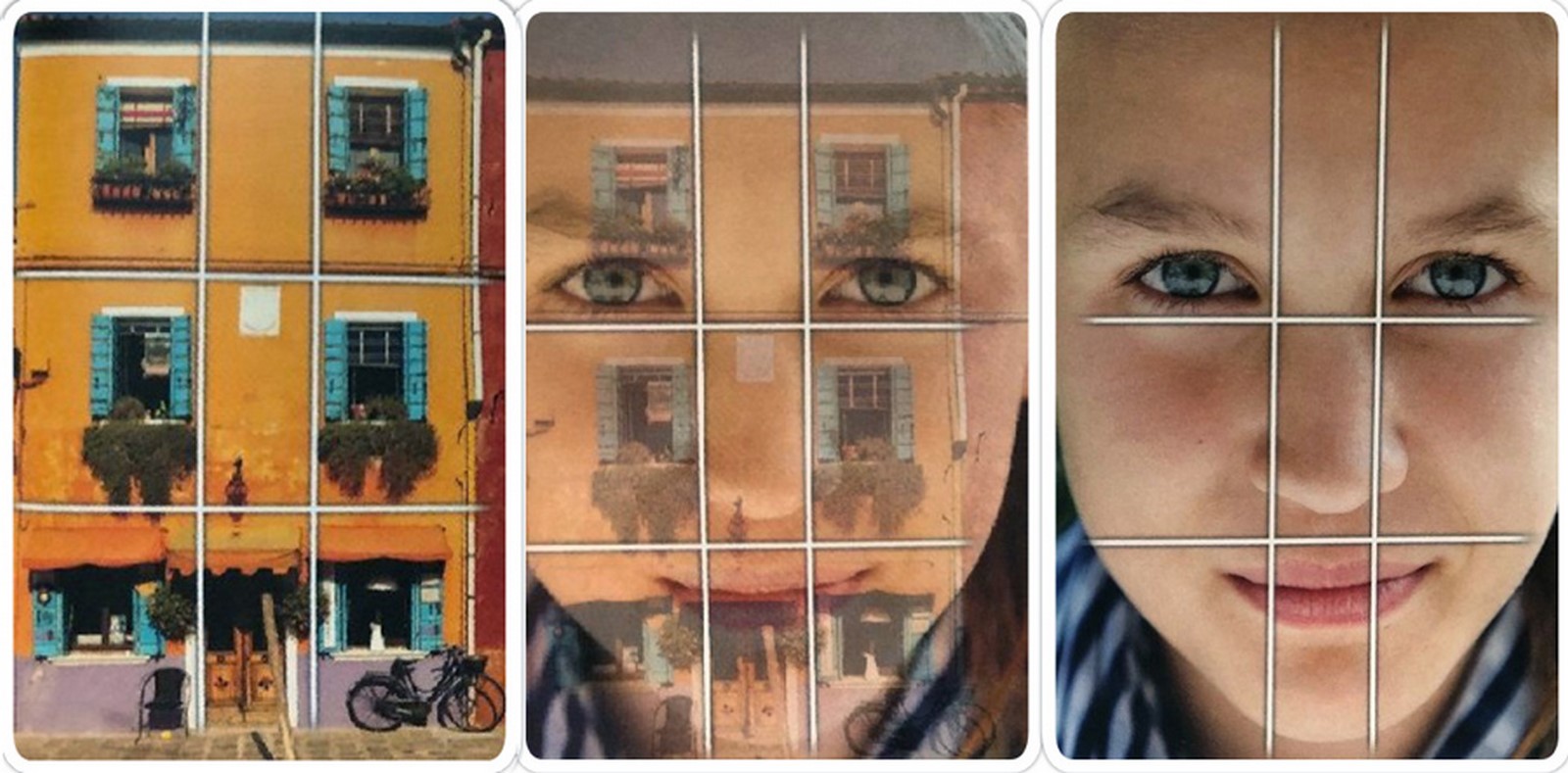
These eye-tracking software are useful in finding out where people’s attention is focused and what type of architectural elements have an enduring interest like people tend to ignore blank facades but respond positively to buildings that mirror the structure of the human face(Nine square patterns).
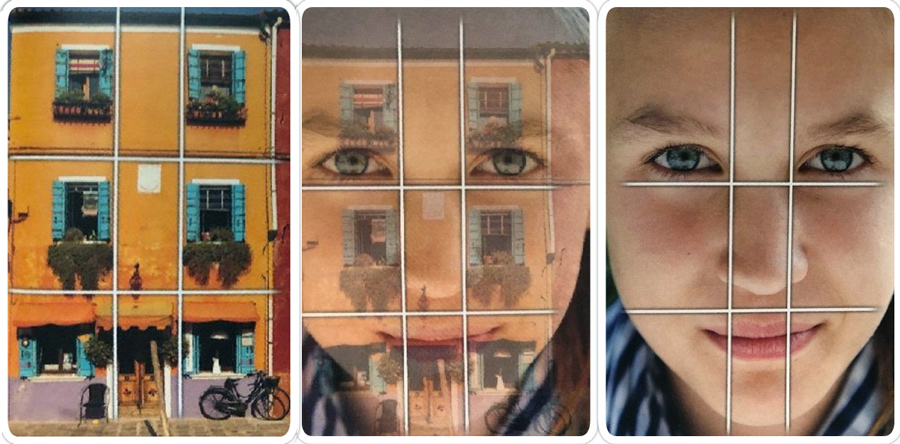
The close resemblance of the Nine square to the human face increases the distinct possibility that humans subconsciously see the face when perceiving a certain form of architecture. The eye patterns show the classic design elements such as horizontal and vertical rhythms, active ground floor, and facade tactile material that captures visual attention, physiological reactions, and feeling pleasure architecture can evoke. The absence of any of these three elements results in scattered ‘searching’ eye-movement patterns. By analyzing these eye-tracking studies and discoveries architects and planners can create and develop spaces that people find aesthetically pleasing.

Planning for cities for Tomorrow
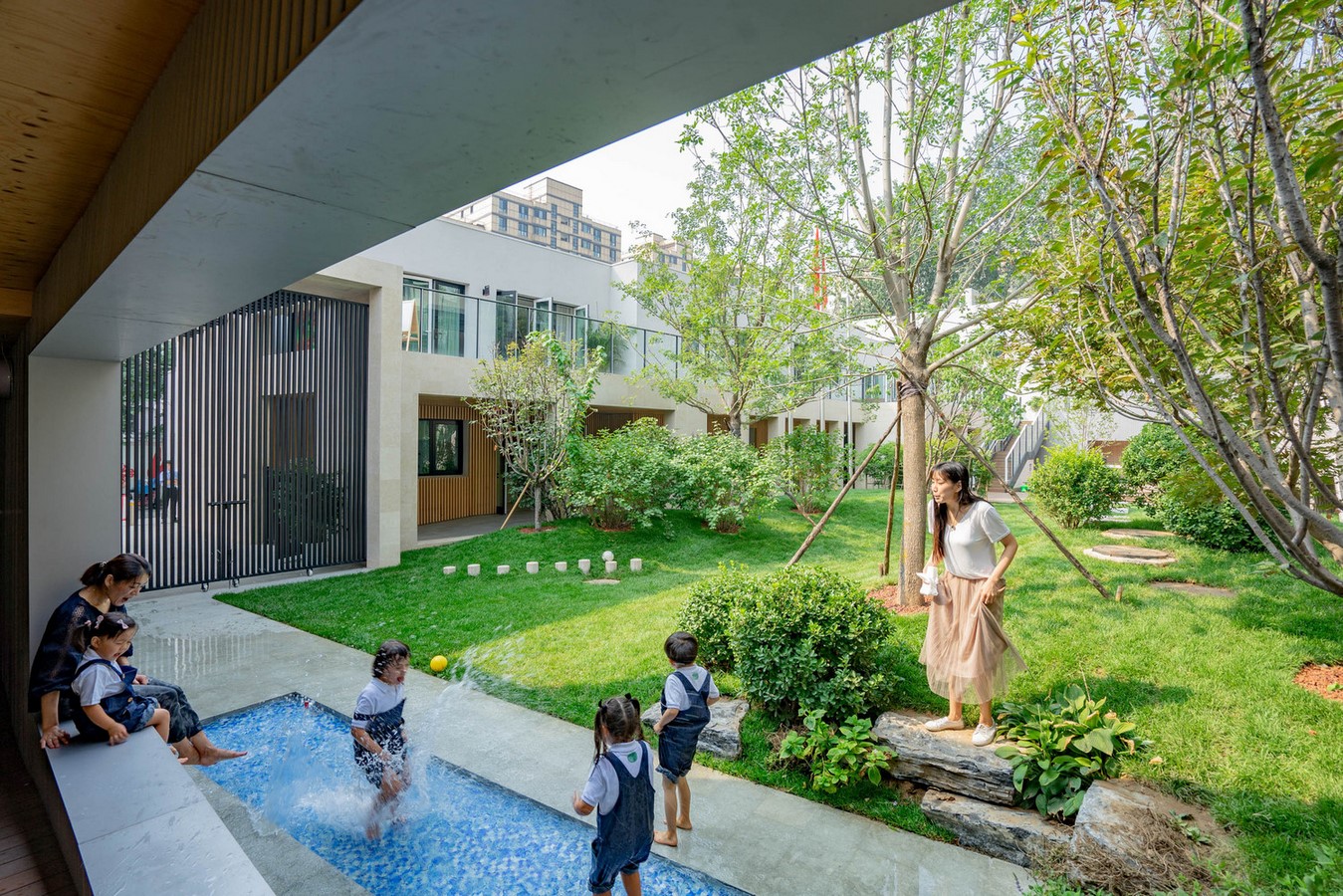
As the population is growing around the globe urban planners and architects need to take into account how the built environment should be integrated into the ever-changing landscape and how it affects the citizens. The importance of urban design goes beyond beautiful aesthetics. Researchers believe that urban living can change the brain biology in some people that lack of social bonding, greenery, and cohesion in the neighbourhood increases the chances of mental disorders such as stress, depression, and chronic anxiety. Therefore the focus on the physiological effects of green spaces, parks, and building design all have become essential features in urban spaces that make residents more engaged and comfortable ensuring good quality of life, sustainability, and positivity.

Future of NueroArchitecture
Neuroarchitecture alleviates to enhance the design of cities and buildings thereby improving the health and welfare of the inhabitants. The benefit of a pleasant environment is the mental stimulation they provide which turns out to be an essential architectural and psychological cogitation in our built environment. A good architectural design finds much of its influence in the patterns of nature and has clear psychological and physiological benefits that transcend the sense of an aesthetically pleasant feeling. Also, there is a direct link between poor design and implementation of spaces with adverse health and psychological issues.
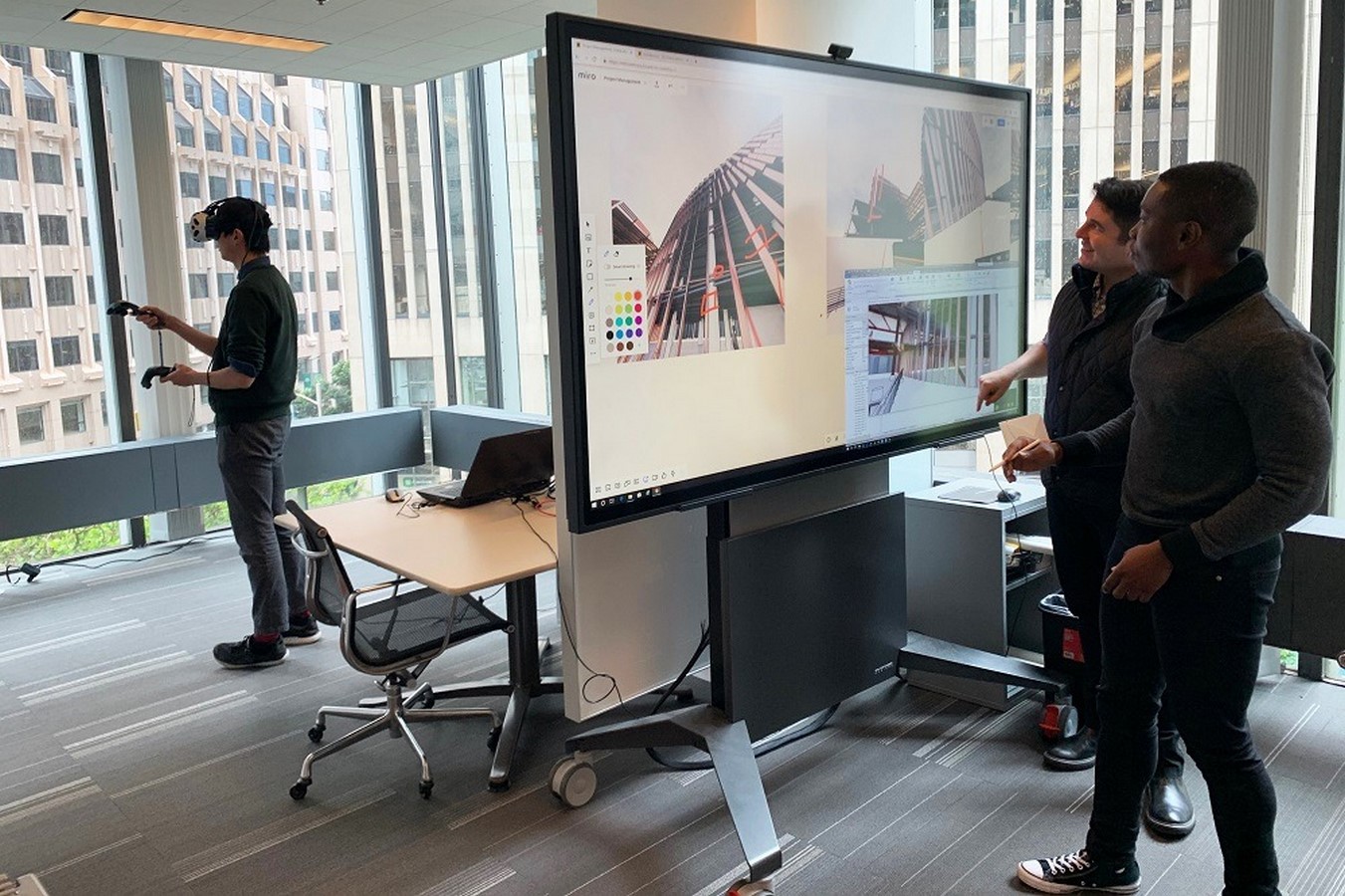
Finally today, with the help of Nueroarchitecture we have a better understanding of the human brain and the psychological responses to design. Using that knowledge with research and the latest emerging tools including virtual reality, eye-trackers, and biosensors paves the way for constructing cities and structures in the future that are perfectly aligned with the aesthetics, functional, and emotional living with the surrounding environment.
References
- How Architecture Affects Your Brain: The Link Between Neuroscience and the Built Environment- https://www.archdaily.com/
- Stephen Waldron, March 19, 2018, Experts Explore the Impact of Architecture and Design on the Brain- https://www.aaas.org/
- Eve A. Edelstein, January 1, 2008, Building Health, https://journals.sagepub.com/
- Gideon Spanjar, Eye-Tracking the City: Matching the Design of Streetscapes in High-Rise Environments with Users’ Visual Experiences, https://gispoint.de/
- Natalie Ricci, The Psychological Impact of Architectural Design, https://scholarship.claremont.edu/
- How architecture shapes your identity and affects your brain, https://www.abc.net.au/
- Olivia Heslinga, How architecture affects human behavior, https://imotions.com/
- Justin B. Hollander, Ann Sussman, Alex Purdy Levering & Cara Foster-Karim, June 15, 2020, Using Eye-Tracking to Understand Human Responses to Traditional Neighborhood Designs, https://rsa.tandfonline.com/
- Walking through Architectural Spaces: The Impact of Interior Forms on Human Brain Dynamics, https://www.frontiersin.org/