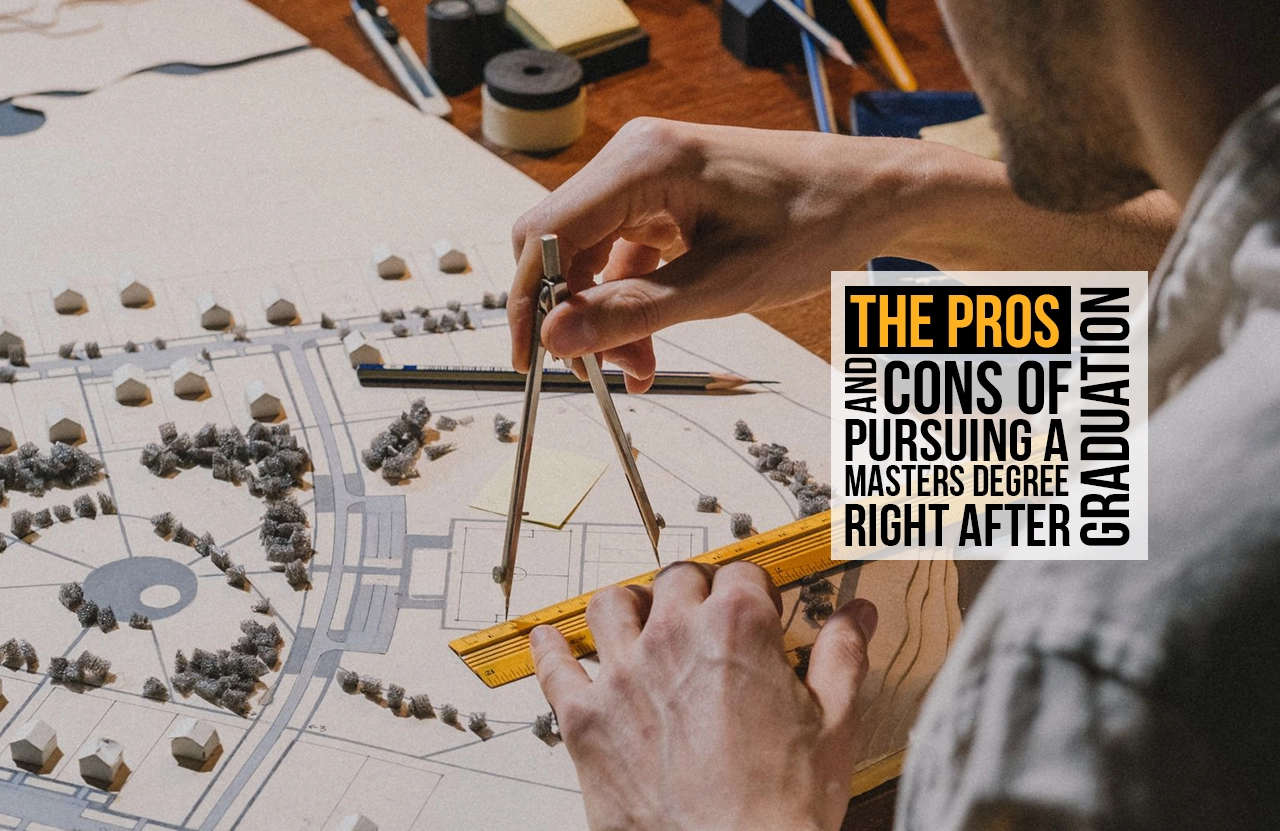
Architectural education has traditionally had a special place in the hierarchy of professions. Unlike most other areas of study, in which theory is paramount, in architecture, there is a constant need to balance thinking and making, drawing and building, and imagining and experiencing.
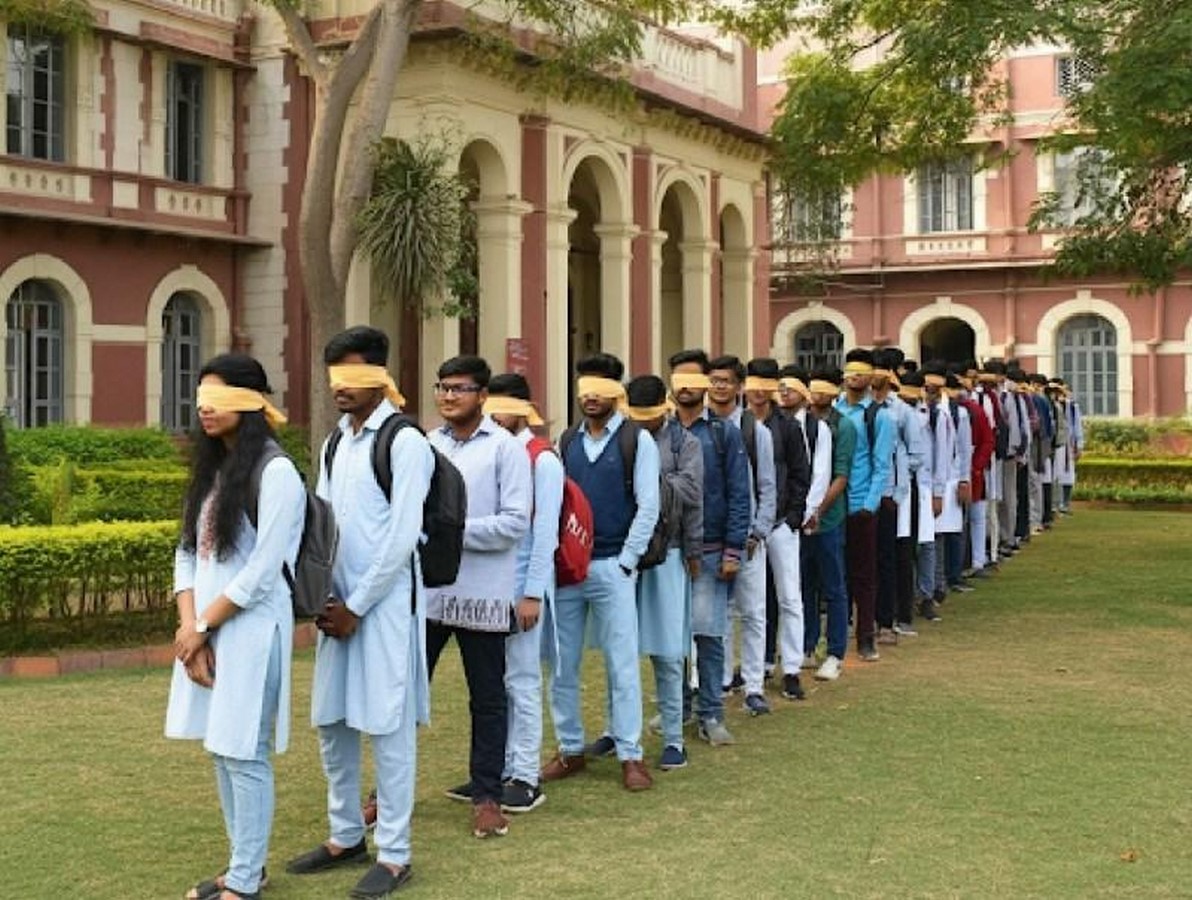
As students near the end of their undergraduate course in the form of a Bachelor of Architecture or similar courses, they are faced with the critical decision of whether to pursue a master’s course immediately after their undergraduate studies or to gain some form of professional experience. This dilemma has become highly relevant in modern architectural courses, particularly amid the proliferation of master’s programs at universities and the dynamic changes in the field of architecture in response to technological, environmental, and societal factors.
For some, the option of pursuing a master’s course immediately after their undergraduate studies may seem to be the most logical choice. For others, they may believe that architectural education can greatly benefit from some form of experiential learning in professional settings, and that a master’s course can only be undertaken fruitfully after some form of professional exposure.
The article aims to discuss the pros and cons of furthering one’s master’s degree immediately after graduation, especially in architectural education, with emphasis on the balance between academic and experiential knowledge. This article will be beneficial to students as it will be able to provide both aspects of the issue, allowing them to make an informed decision.
Understanding Architectural Education
Architectural education is unique in that it involves artistic creativity, technical knowledge, social understanding, and environmental responsibility. Architectural students are not just trained to create buildings; they are also trained to understand cultural contexts, behaviour in space, and environmental conditions.
According to Amos Rapoport, architectural education is deeply rooted in culture, behaviour, and environment. Architectural education is, therefore, interdisciplinary in nature (Rapoport, 1969). Architectural education is unique in that architectural students learn in many ways, including lectures, design studios, site visits, internships, workshops, and community engagement.
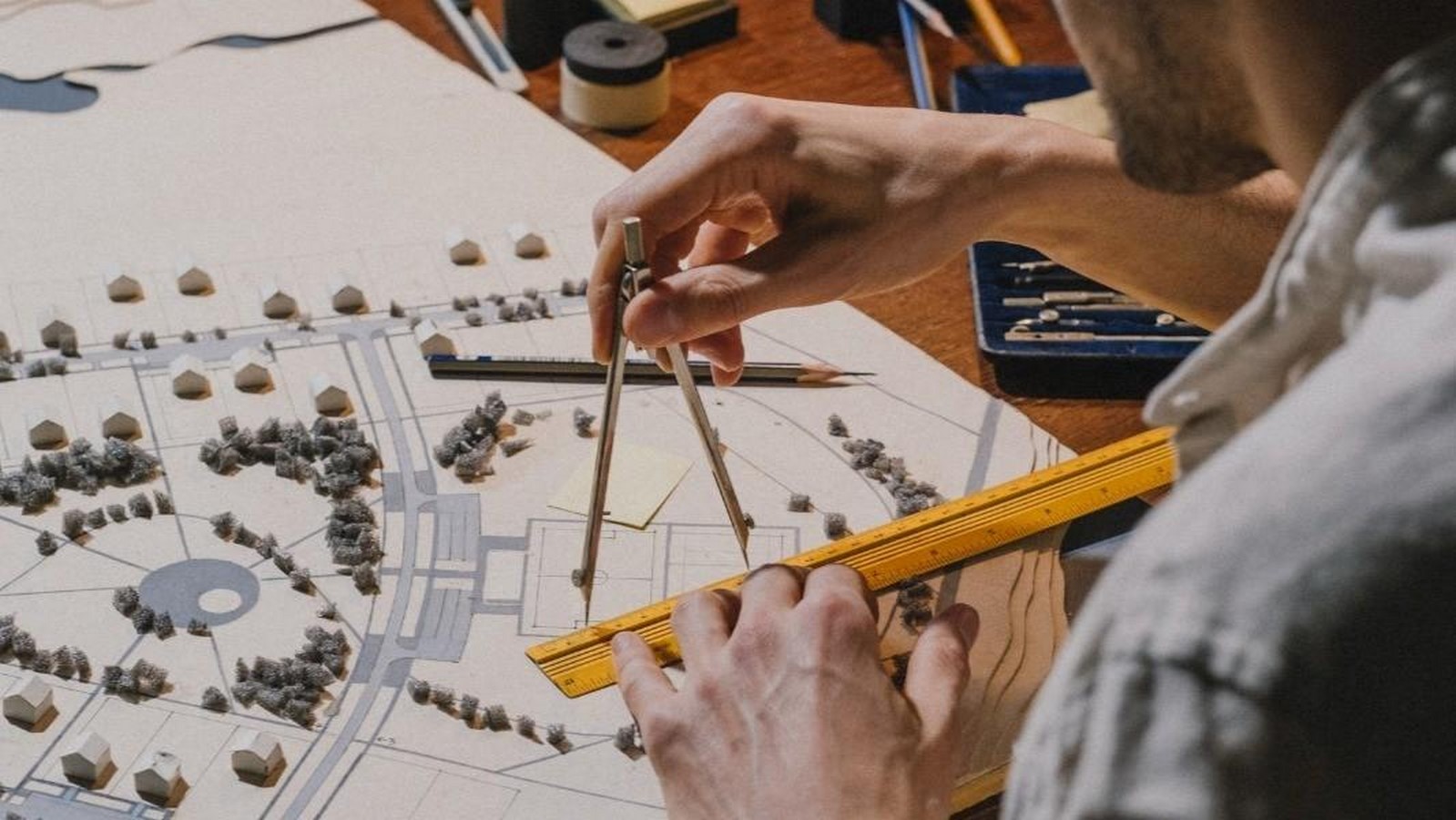
One of the unique aspects of architectural education is the use of design studios. Architectural students use design studios for various activities such as drawing, modelling, critiquing, and redrafting. Design studios are unique in that they are used for experimentation and experiential learning. Donald Schön described this unique feature of architectural education as “reflection-in-action,” where professionals learn by reflecting on their actions in the process of design (Schön, 1983).
However, it is not possible to completely simulate real-life conditions in a studio environment. It is only when students engage with real-life conditions that issues such as construction processes, clients, project management, and economics make sense.
So, the debate about pursuing a master’s immediately after graduating revolves around one primary question: Should architectural education be about academic exploration or real-life engagement?

Reasons Students Choose to Pursue a Master’s Immediately
Many architecture graduates prefer to pursue further academic courses immediately after completing their undergraduate degree programme. Various factors determine this.
Academic Momentum
Having completed five years of intense academic training, many students feel they are academically equipped to learn without interruption. Academic momentum, as they call it, has been established.
Students who choose to pursue postgraduate courses can maintain academic momentum and enhance their intellectual understanding of design concepts.
Specialisation Opportunities
Architecture has evolved to encompass many specialisation areas, some of which are:
- Urban design
- Landscape architecture
- Sustainable architecture
- Digital fabrication
- Heritage conservation
- Environmental design
These postgraduate courses allow students to explore these areas of specialisation further.
For example, if the student wishes to specialise in sustainability, he or she can take up a master’s programme that focuses on environmental design or ecological architecture, and learn about topics like climate-responsive design, energy modelling, etc.
Research-Oriented Career Goals
Students who are interested in academia or research often seek postgraduate education at an early stage. A master’s degree can be used as a stepping stone to lead to academic research or teaching jobs.
Research areas that can be of interest in architectural education are:
- urban morphology
- spatial behaviour studies
- cultural landscapes
- sensory environments in architecture
- environmental sustainability
Students who are interested in the aforementioned areas may think that continuing education at this stage would be advantageous.
Competitive Job Market
Architecture is a highly competitive field. Some students feel that a master’s degree is important in terms of employability and credibility in their profession.
It may be viewed by employers as a measure of high skill levels, theoretical knowledge, and expertise.
International Exposure
Additionally, some postgraduate courses offer international collaboration, study tours, and cross-cultural design studios. Students who wish to gain international exposure may consider a postgraduate course as a gateway to international professional networks.
Advantages of Pursuing a Master’s Immediately
Deeper Theoretical and Conceptual Understanding
A master’s program enables students to study architecture beyond the basic level of design. It helps students develop skills such as critical thinking, research methodology, and conceptual thinking.
Students learn to study architecture within the context of:
- social theories
- environmental ethics
- cultural identities
- urban systems
This helps students develop a deeper understanding of architecture.
Structured Learning Environment
Academic programs offer a structured learning environment by:
- faculty mentorship
- peer collaboration
- research facilities
- specialized studios
This learning environment could potentially facilitate an intellectual exploration that may not be easy to engage in outside of professional practice.
Access to Advanced Resources
Access to advanced technologies and facilities is often offered in university settings, such as:
- digital fabrication labs
- environmental simulation tools
- advanced modelling software
- research libraries and archives
Networking Opportunities
Postgraduate studies provide students with an opportunity to associate themselves with other scholars, practitioners, visiting experts, and students from various backgrounds.
Development of Research Skills
In today’s world, research skills play an increasingly important role in the field of architecture, especially in the following areas:
- Climate Responsive Architecture
- Urban Resilience
- Sustainable Materials
- Conservation
Postgraduate studies provide students with an opportunity to develop research skills.
The Limitations of Immediate Postgraduate Education
In spite of the advantages mentioned above, the option of immediately pursuing a master’s degree after graduation has some disadvantages as well.
Limited Professional Experience
One of the major disadvantages is the lack of professional exposure for the students.
Architecture, as a field, is a practical field, and it is very difficult to understand the practicalities of architecture without gaining exposure to the practical field. Disconnect Between Academia and Practice
A few authors have mentioned the disconnect between education and professional practice (Salama, 2015).
While academic institutions foster an environment for experimental thinking, professional practice requires practical constraints such as budget, time, regulations, and client demands.
Students who immediately enter into a postgraduate program might not realise the practicalities of professional practice.
Financial Considerations
Postgraduate studies can be costly, and students might need to take out student loans to fund their education.
Students who enter professional practice first have the chance to save enough money or have their employer assist in paying for their studies.
Lack of Clarity in Career Direction
Most architecture students are still undecided about their career direction at the end of their undergraduate studies.
Professional practice helps students realise whether they are more inclined to focus on:
- urban design
- architectural practice
- research
- community design
- conserve
Students who have not clarified their direction might not be ready for a specialised postgraduate program.
The Value of Experiential Learning in Architectural Education
Experiential learning has vital importance in architectural education. Experiential learning theory explains that “the process of learning results in the creation of knowledge, which is gained through direct experiencing of situations and reflective thinking” (Kolb, 1984).
Architecture students can benefit greatly if they get experience:
- Construction sites
- Design offices
- Client meetings
- Regulatory processes
- Community interactions
Learning from Construction
Students learn from construction sites, which is not possible in studios. They learn about:
- Materials
- Structures
- Mechanics of craftsmanship
- Interaction between contractors and architects
This enhances their knowledge about architecture.
Understanding Human Behaviour
Architecture is for humans. Hence, understanding their behaviour is important. Students learn from their experiences about how humans interact with their space.
This is in accordance with the views of various theorists like Rapoport, who focused on the relationship between built environments and human behaviour (Rapoport, 1969).
Reflective Practice
Donald Schön explained that professionals learn from their experiences by reflecting on their practice (Schön, 1983). Architects learn from their experiences by reflecting on their decisions during practice.
Students who gain experience in practice before their academic pursuits are more valuable for academic discussions.
Benefits of Gaining Professional Experience First
It is recommended by various theorists that one must gain experience in practice for some years before pursuing their academic pursuits.
Practical Understanding of Architecture
Practical experience helps students understand the entire process of architectural works, including:
- Conceptual design
- Technical drawings
- Coordination with consultants
- Construction supervision
- Project management
This helps in future academic research.
Clarity in Specialisation
Practical experience helps architects specialise in certain areas.
For instance, if an architect works in heritage conservation, he or she may decide to pursue a master’s in heritage conservation.
If they have worked in urban design, they may pursue a course in urban design or planning.
Stronger Research Questions
Practical experience helps architects formulate better research questions, thus relating theory to practice.
This helps in the formulation of more relevant and meaningful postgraduate research.
Professional Credibility
Architects with professional and advanced academic qualifications are often highly regarded in both fields.
Hybrid Pathways in Architectural Education
In the past few years, architectural education has transformed to offer hybrid educational pathways that combine practice and academic learning. Some of the pathways include:
- practice-based master’s programs
- part-time postgraduate programs
- professional residencies within academic programs
- research through design
These new educational pathways acknowledge that architecture is both a scholarly pursuit and a professional practice.
Making the Right Decision
The right decision to pursue postgraduate education immediately depends on individual circumstances. To make the right decision, students need to ask themselves a few questions. Some of the questions to ask include:
- Do I have a research interest or specialisation?
- Will I benefit from professional experience in the field of architecture?
- Am I financially stable to pursue postgraduate education?
- What are my plans and goals?
By asking themselves these questions, students can make the right decision to pursue postgraduate education immediately.
Education in architecture is a space that balances academic and professional practice. Therefore, the right decision to pursue a master’s degree immediately after graduating depends on individual circumstances. Immediate postgraduate education provides students with an opportunity to advance their research, theoretical, and academic knowledge in the field of architecture.
However, architecture is, at its core, a practice-oriented field that is based on experiential learning, and students need to learn from their experiences in the field.
For many architects, the most rewarding form of postgraduate education comes after gaining some practical experience. Practical experience not only adds depth to academic learning but also helps in formulating research questions.
It is imperative to point out that architectural education is not a linear process but rather a dynamic process, and whether students seek to acquire postgraduate education immediately after their studies or after gaining practical experience, the most important thing is to ensure that students become thoughtful architects who can creatively respond to the built environment.
References:
Kolb, D. A. (1984). Experiential learning: Experience as the source of learning and development. Prentice-Hall.
Rapoport, A. (1969). House form and culture. Prentice-Hall.
Salama, A. M. (2015). Spatial design education: New directions for pedagogy in architecture and beyond. Routledge.
Schön, D. A. (1983). The reflective practitioner: How professionals think in action. Basic Books.
Dutton, T. A. (1991). Voices in architectural education: Cultural politics and pedagogy. Bergin & Garvey.
Cuff, D. (1992). Architecture: The story of practice. MIT Press.
Frampton, K. (2007). Modern architecture: A critical history (4th ed.). Thames & Hudson.
Bansal, S. (2025, March 12). The Blind Chase for Master’s in Architecture. ArchitectureLive! – Art, Architecture and Urbanism From Around the World. https://architecture.live/masters-in-architecture-trend-saumya-bansal/
(23) Why pursue a Master’s degree in Architecture? | LinkedIn. (2024, November 26). https://www.linkedin.com/pulse/why-pursue-masters-degree-architecture-uo9nf/
Shukla, P. (2022, March 8). To or Not to pursue a Masters right after graduation. RTF | Rethinking the Future. https://www.re-thinkingthefuture.com/architectural-community/a6370-to-or-not-to-pursue-a-masters-right-after-graduation/