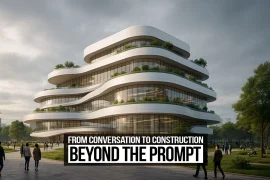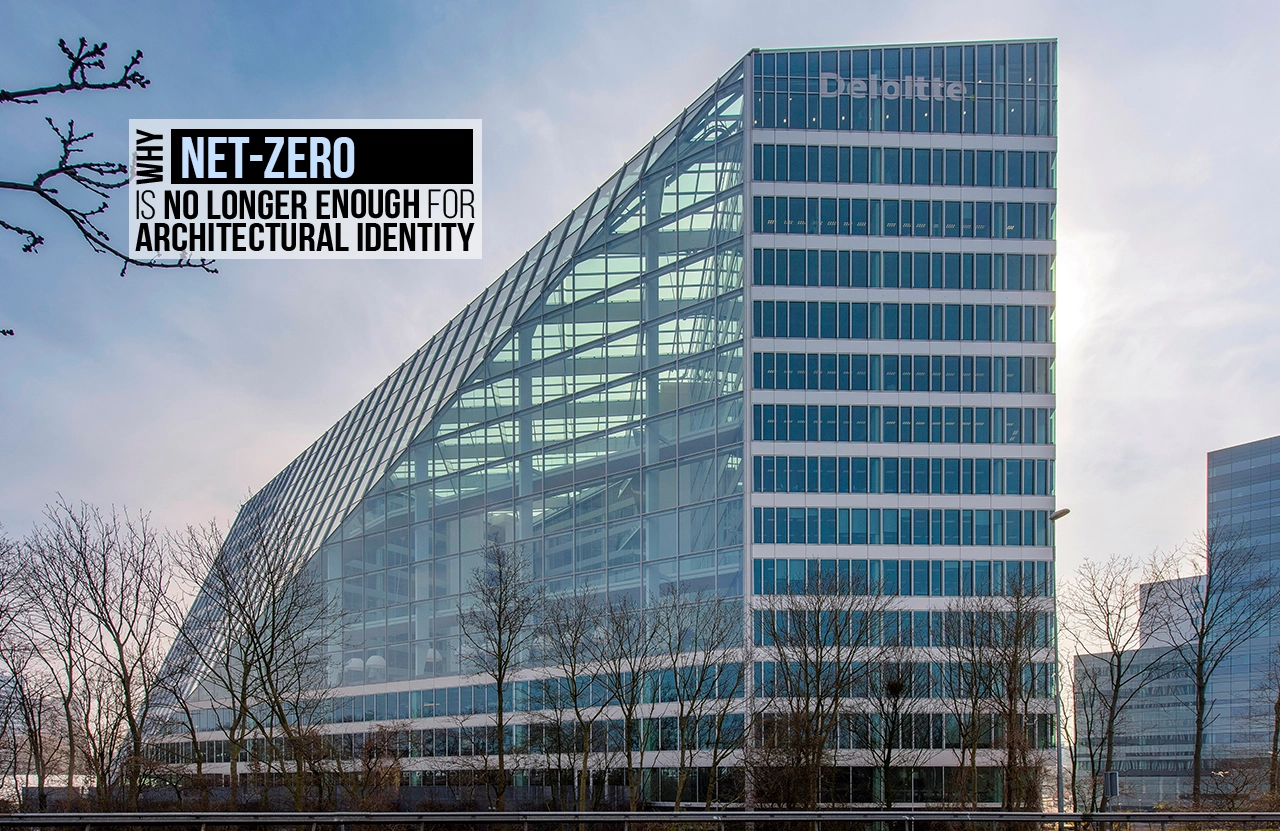
In the world of combating climate change, the architecture industry plays a crucial role in designing buildings that minimize environmental impact and promote sustainability. A net-zero architecture is a step that is emerging in the construction industry that focuses on sustainability and environmental friendliness. However, these architectural styles look like a sculpture of glasses and panels. The character and uniqueness seem to be absent in such design techniques. Beyond efficiency and technical solutions, architecture also requires the responsibility of expressing cultural identity, responding to context, and shaping human experience. This article discusses why net-zero architecture is no longer sufficient to define the value of contemporary architecture.
Understanding Net-Zero Architecture
Net zero architecture simply refers to the buildings that produce energy and water at the site that the building consumes, and thus doesn’t contribute to climate change. This is made possible by using renewable energy sources such as solar panels or rainwater harvesting systems. It aims at increasing health, equity, and overall well-being within the local community. Despite these benefits, a significant amount of energy is required during the construction phase, particularly in material extraction, manufacturing, and transportation, which leads to excessive emissions before the buildings come into operation.
Limitations of Net-Zero Design
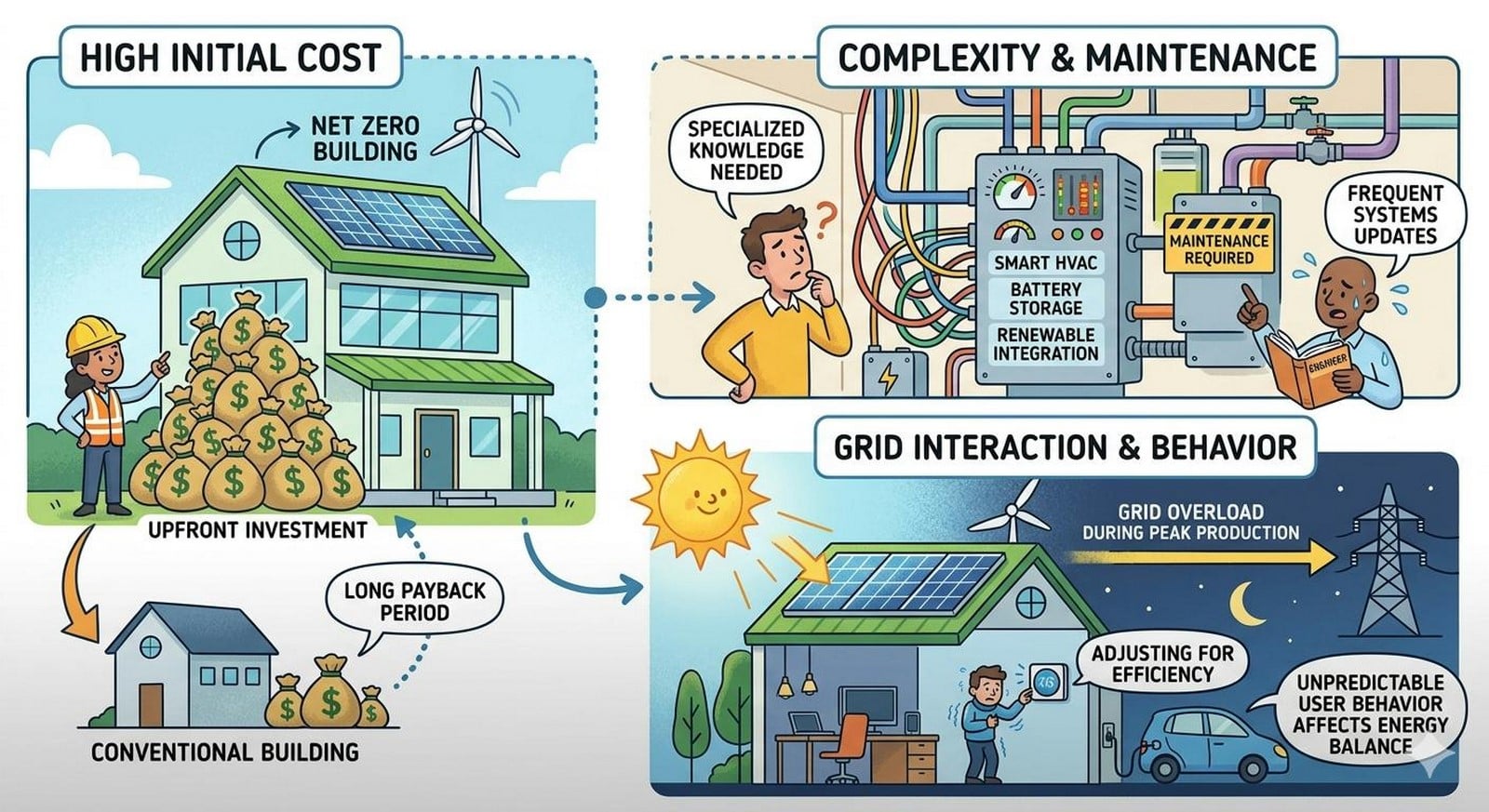
While there are several advantages of zero-net designs, it has many drawbacks too. One of the main disadvantages of net-zero buildings is their cost. The value of materials and equipment and building technology of these buildings is comparatively higher as compared to other building types. The buildings are made in complex shapes and designs, along with complex construction and maintenance knowledge. It requires regular monitoring and inspection so that it meets the energy performance standards. It is weather-dependent too. For example, a building with solar panels will produce less energy during cloud days and more on sunny days. Thus, it is essential that it meets the amount of energy consistently. Furthermore, an excessive focus on technical performance can sometimes overlook cultural context, user experience, and design identity, limiting the overall value of the building.
What is Architectural Identity?
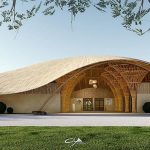
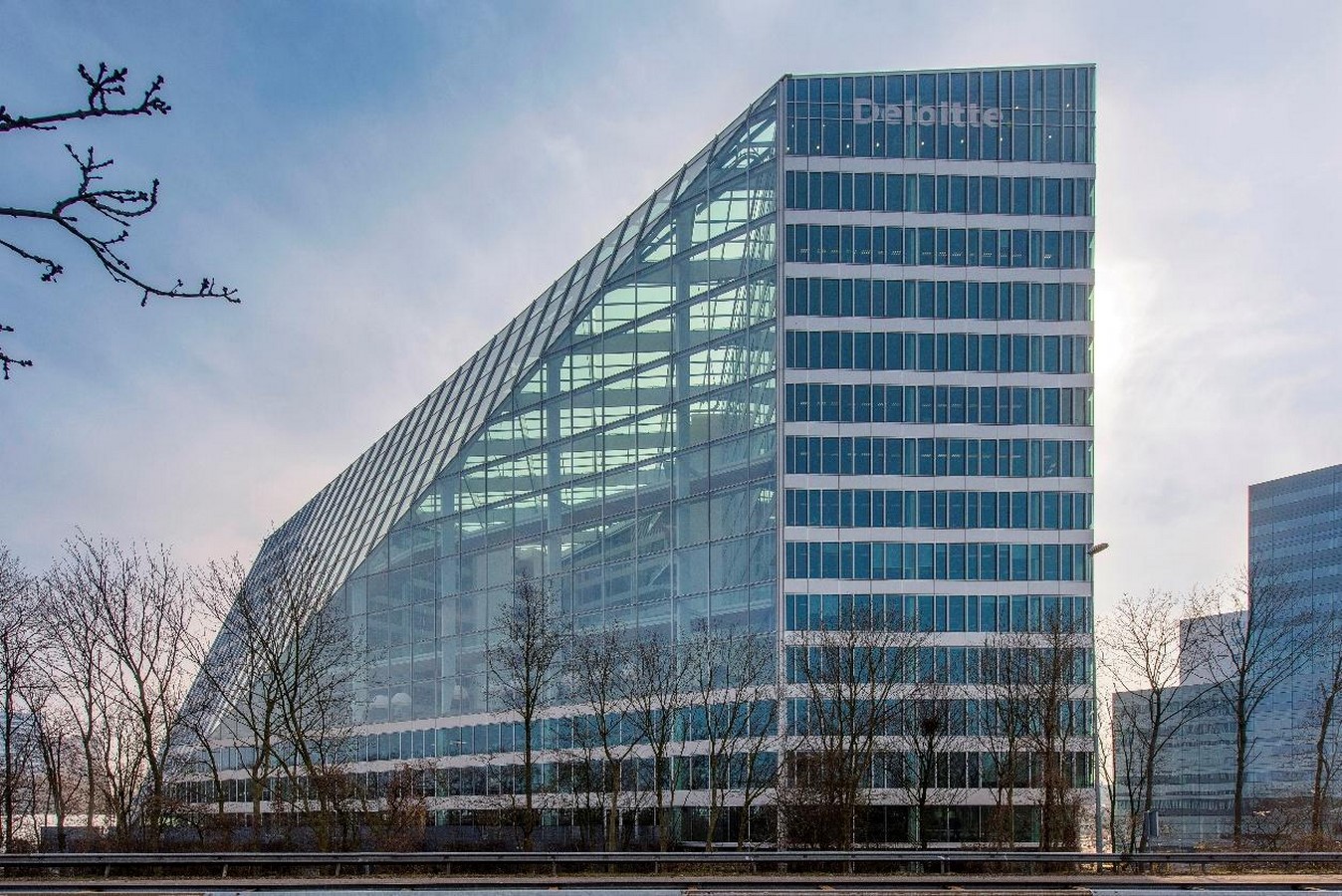
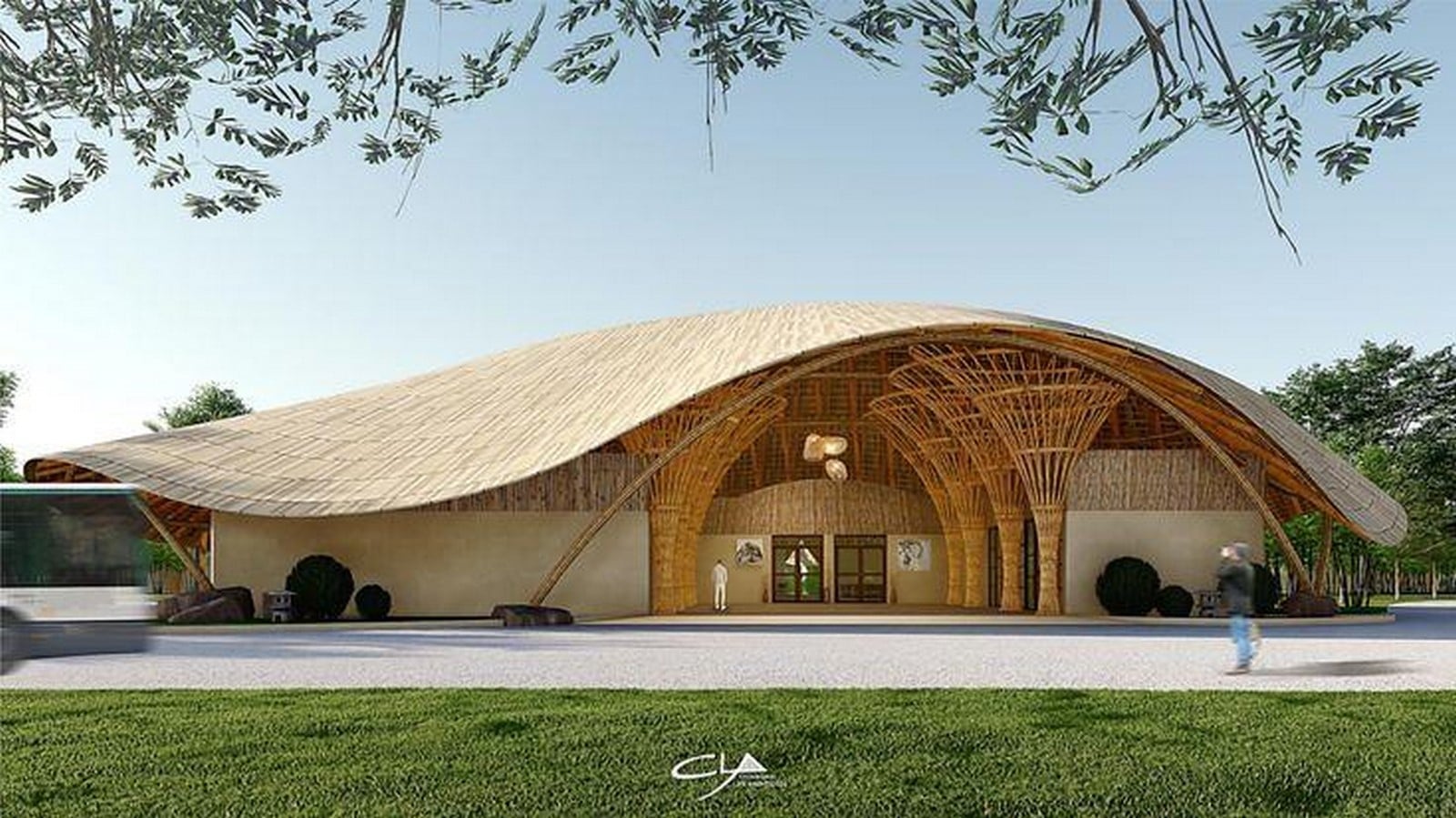
Just like humans, buildings and architecture have their own characters. Some evoke a sense of peace and calm as soon as you enter, while others energize and awaken your spiritual side. The net-zero building, however, on the other side, looks all the same. Large glass windows with some green walls. On the contrary, sustainable buildings made out of locally available materials like rammed earth, bamboo, and mud create a unique taste in form and aesthetics.
Architecture can be influenced by the physical environment, materials used, cultural context, and many other factors. One feels a sense of belonging through thoughtfully designed architecture. They should feel a difference when they enter a place and go back to another, which determines our productivity and mood. There can be several techniques for designing sustainable architecture, keeping the identity and uniqueness together.
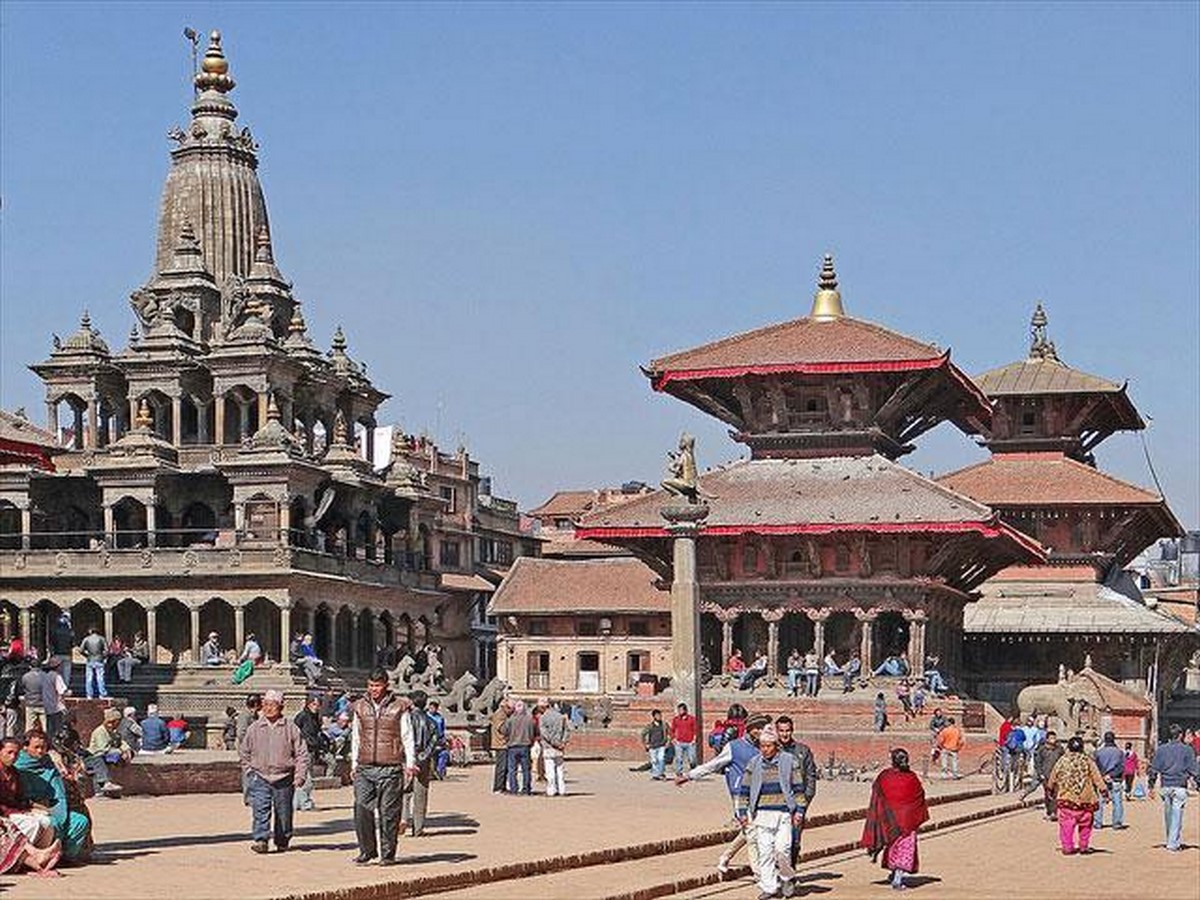
Balancing Sustainability and Architectural Identity
While focusing on sustainability, one day the world will look the same. In every place we go, there are tall buildings with solar panels where authenticity and meaning lag. As a result, architecture must respond to its identity, local climate, and the needs of its users. One of the best examples of balancing sustainability and architectural identity is the vernacular architecture. It was built on inherently with only limited resources, yet it succeeded in offering rational solutions to harsh climates and human needs. Slowly, these architectures have started to flourish using new techniques in construction and have been incorporated into contemporary architecture. By learning from such approaches, architects can create buildings that are not only environmentally friendly but also culturally rooted, diverse, and meaningful.
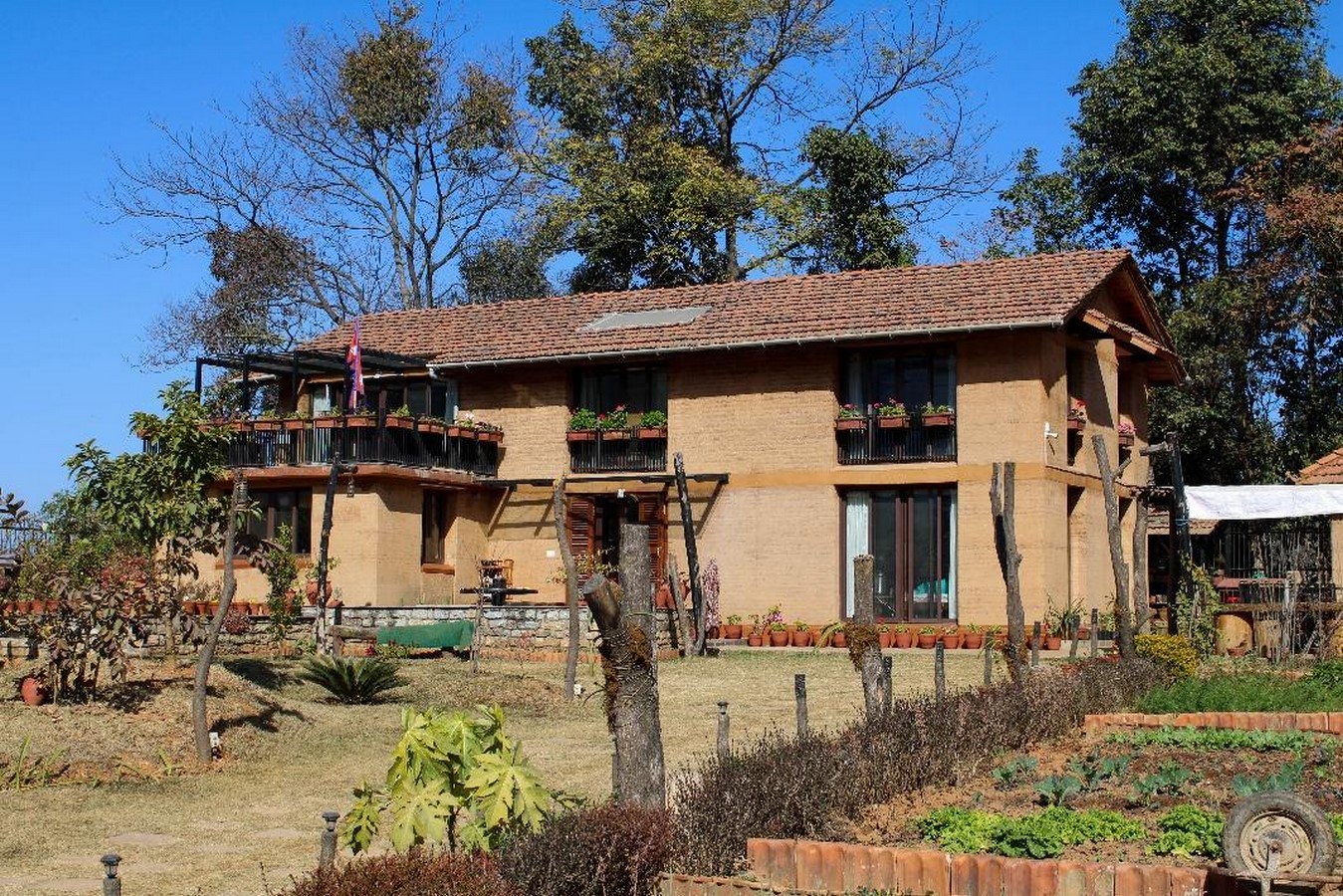
The Future of Architecture Beyond Net-Zero
As the construction industry plays a huge role in reducing emissions and carbon footprints, it is important to design net-zero buildings. Creating buildings that consume less energy and store carbon rather than emitting it will lead to reducing global warming and climate change. But at the same time, the role of architects is to foster cultural identity, create context-based designs, user-friendly, and socially responsive architecture through their design. While technology is needed in sustainability, it should not dominate the architecture that represents its meaning and essence. The role of the architects will be to use modern techniques while incorporating their identity and values.
Reference:
Bambook. Net Zero Architecture. Available at: https://www.bambookstudio.com/net-zero-architecture/ (Accessed: 17 March 2026).
(2024). Net Zero Carbon Buildings Explained: Here’s Why They Matter. University of the Built Environment Articles. Available at: https://www.ube.ac.uk/whats-happening/articles/net-zero-carbon-buildings/ (Accessed: 17 March 2026).
Diwakar, S. (2023). Net Zero Buildings- An Overview. Available at: https://www.tataconsultingengineers.com/blogs/net-zero-buildings-an-overview/ (Accessed: 17 March 2026).
Salman, M. (2018). Sustainability and Vernacular Architecture: Rethinking What Identity Is. Available at: https://www.intechopen.com/chapters/64381 (Accessed: 17 March 2026).