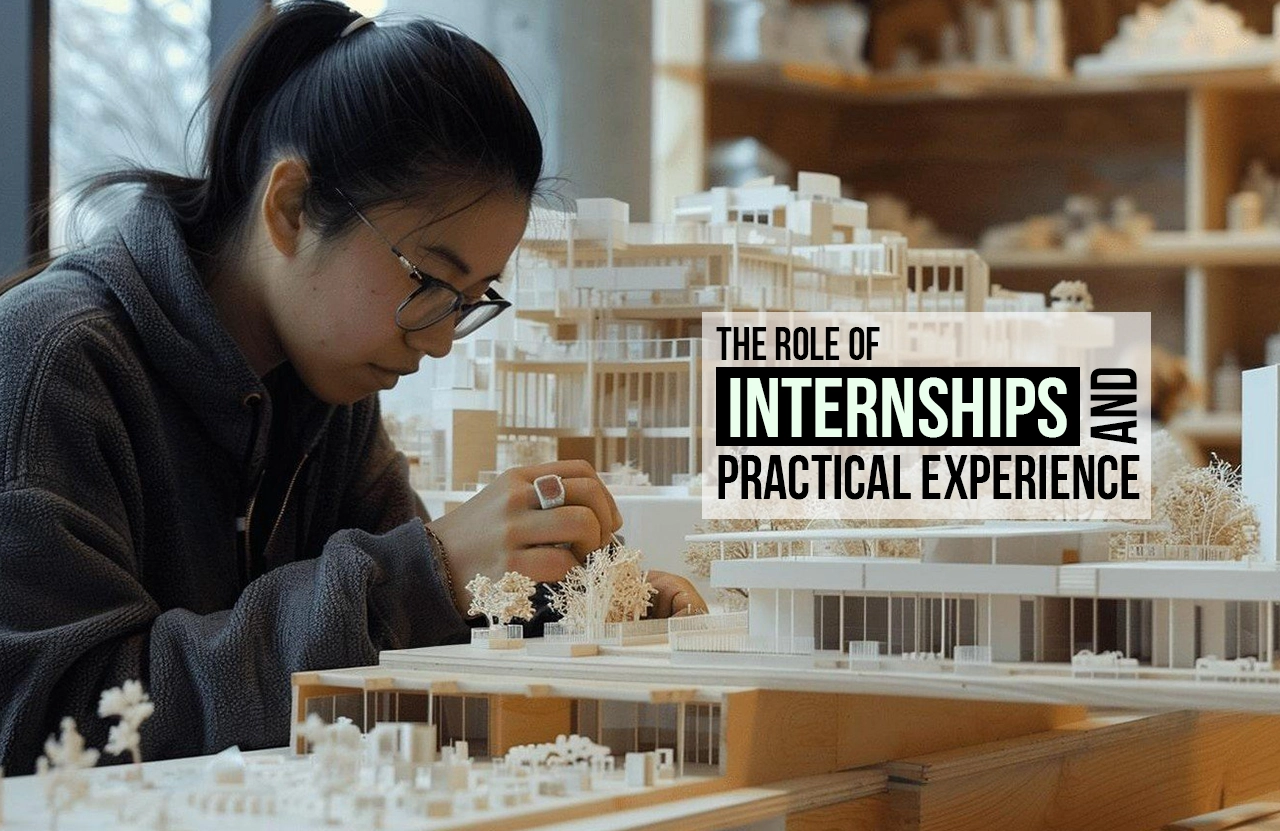
Higher education equips students with theoretical knowledge, analytical skills, and exposure to the latest developments in their field. They give us theories, frameworks, and knowledge that expand our understanding of the world. Yet, there is a limit to what classrooms, libraries, and lectures can teach. Within the familiar walls of academia, students often find a sense of comfort, a circle of friends, supportive mentors, and the reassurance of a structured environment. While this safety net can be nurturing, it also forms a bubble that shields students from the unpredictability and demands of a professional life.

But the bridge between academic learning and the demands of the professional world is often built through internships and practical experience. These opportunities enable students to test their knowledge, refine their skills, and gain insight into the realities of the workplace. In today’s fast-paced and competitive job market, internships and hands-on experiences are not just add-ons to a degree; they are essential stepping stones toward long-term career growth.
Beyond the Classroom: Why Practical Experience Matters
University classrooms provide structured learning, but they cannot fully replicate the complexity of real-world environments. Assignments and projects may simulate problems, but the stakes are different when working with actual clients, deadlines, and colleagues. Practical experiences immerse students in the daily rhythms of a workplace, where collaboration, adaptability, and problem-solving come into play in ways textbooks cannot teach.
For example, a business student may learn about supply chain models in theory. Still, while interning at a logistics firm, they can see how delays, vendor negotiations, and shifting market conditions affect decisions in real time. Similarly, architecture and engineering students working on-site quickly realize that practical challenges such as weather, material shortages, and communication between teams require flexibility far beyond their lab exercises.
Gaining Professional Skills

One of the greatest values of internships is the development of soft skills that employers consistently rank as critical. Communication, teamwork, conflict resolution, and leadership are honed in professional settings where students must navigate diverse personalities and responsibilities. Internships also introduce students to the norms of workplace professionalism: punctuality, accountability, and the ability to receive constructive feedback.
Building Confidence and Independence
For many students, internships are their first taste of independence in a professional context. Earning a stipend, managing tasks, and meeting deadlines build self-reliance and a sense of responsibility. Even unpaid internships, while debated, provide exposure that builds confidence and reduces the shock of transitioning from university life to full-time employment.
Equally important, practical experience allows students to discover what excites them, or what does not. A student who imagines themselves thriving in corporate finance may find more satisfaction in a startup environment, or vice versa. These realizations, often made through hands-on exposure, help students make informed career decisions and avoid costly missteps later on.
Networking and Career Opportunities

Internships open doors to professional networks that can significantly influence career paths. Working alongside industry professionals allows interns to build meaningful relationships, seek mentorship, and gain insights into career trajectories. Many companies use internships as a recruitment pipeline, offering full-time positions to high-performing interns who already understand the culture and workflows of the organization.
Even if an internship does not lead directly to a job offer, the connections made can provide references, recommendations, or future collaborations. In fields such as media, law, or architecture, where professional reputations and networks matter greatly, these early relationships can be career-defining
Bridging the Employability Gap
Employers increasingly emphasize “employability skills”, a blend of technical ability, practical knowledge, and interpersonal strengths. Fresh graduates often face the paradox of needing experience to secure a job but needing a job to gain experience. Internships break this cycle by providing credible experience before graduation.
Many hiring managers report that graduates with internships require less training and adapt more quickly to professional environments. This is especially true in industries undergoing rapid technological shifts, where staying updated requires more than just academic knowledge. Practical experience shows employers that a candidate can apply theory in practice and thrive under pressure
Challenges and Considerations

While internships are immensely valuable, challenges do exist. Not all internships are well-structured or fairly compensated, and some students face barriers such as financial constraints or a lack of access to opportunities in smaller towns. Educational institutions and employers share a responsibility to make internships more inclusive and meaningful. Universities can support students by forging industry partnerships and providing resources to secure placements. Companies, in turn, can design internships that are educational rather than exploitative, ensuring tasks assigned contribute to learning as well as organizational goals.
A Critical Step Forward
In an era where employers seek not just degrees but demonstrable ability, internships and practical experiences are no longer optional extras. They represent a critical step in preparing students for professional life. These opportunities bridge theory and practice, foster adaptability, and provide exposure to the dynamics of real workplaces.
Ultimately, internships are about more than adding a line to a résumé. They are about shaping confident, skilled, and self-aware professionals ready to navigate a complex world. For students willing to step out of their academic comfort zone, practical experience offers lessons that stay with them long after their university days are over.