A Premise to the Role of Water in an Ecosystem
Water, one of the five fundamental elements of nature, can rightfully be heralded as the source of all life on Earth, the nucleus of organic life and evolution, and the harbinger of a myriad of organisms. Whether at an individual level or at a broader societal level, water as a resource has always been exploited and recklessly consumed to fuel the flow of daily affairs, leading to concerns regarding conservation and judicious utilization for sustaining the natural balance of the ecology. Ecosystems are biological entities formed through the harmonious conjunction of biotic and abiotic components interacting with each other, with water as a crucial medium of exchange between and within the two. Physiological processes within the bodies of organisms such as animals and plants, as well as the formation of physical features of the Earth like rivers, valleys, canyons, and fertile plains, are products of the water’s labour, ultimately maintaining life as it is known.
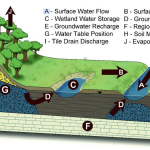
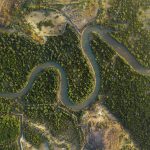
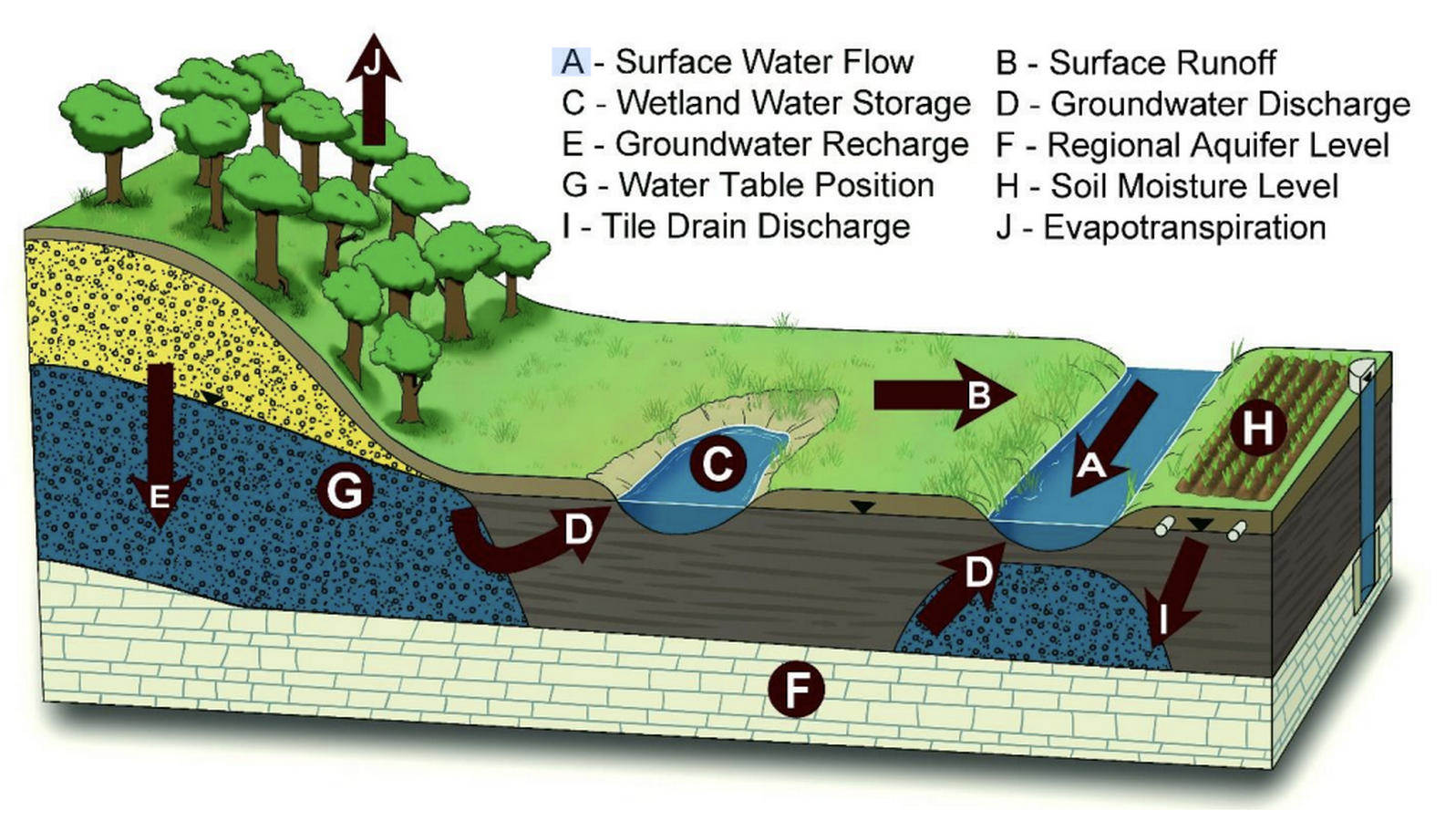
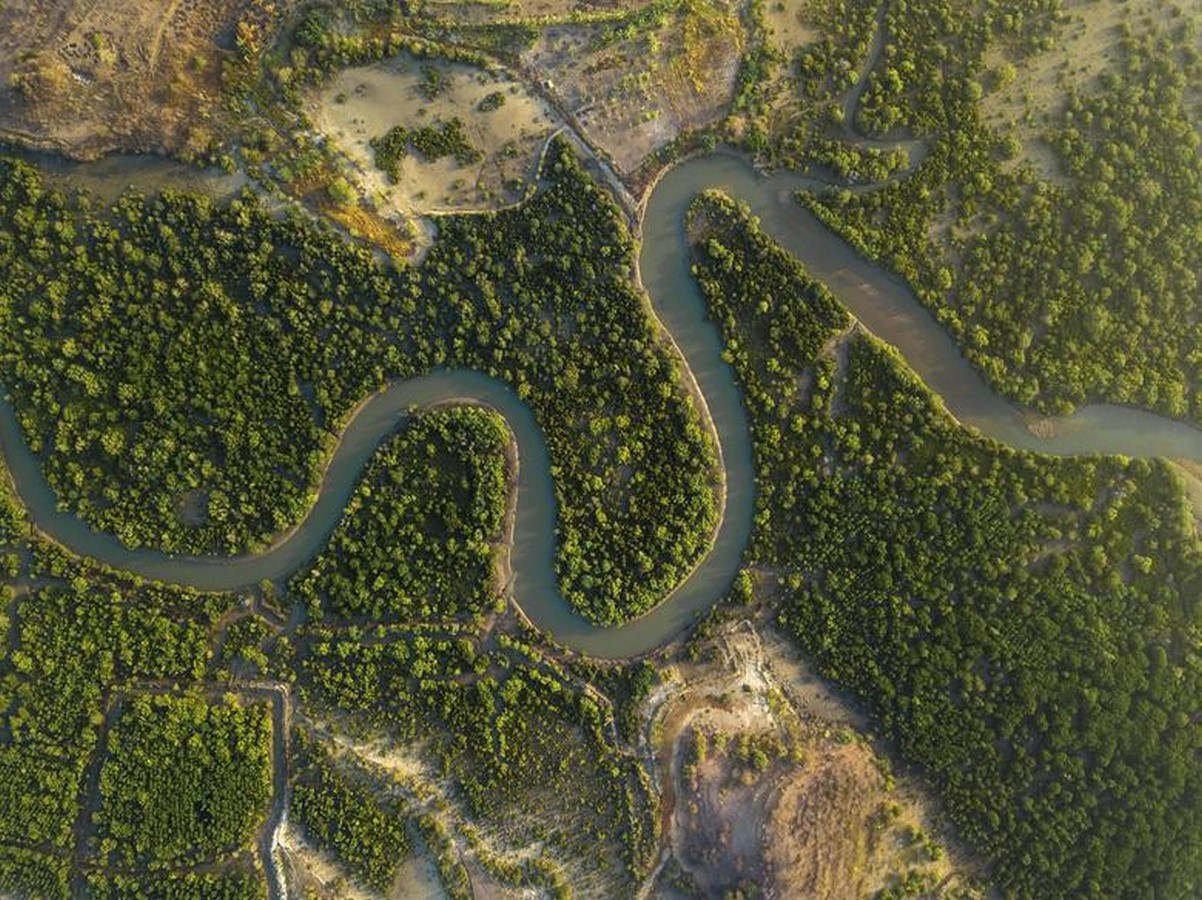
Water exists as rivers, seas, lakes, ponds, catchments, aquifers, and mangrove basins. It is active in the water cycle, hydrating living beings, transporting nutrients, and supporting agriculture. Water also meets domestic and industrial needs, regulates temperature, and filters naturally. This vibrant resource supports biodiversity in many environments. However, it is rapidly depleting, making safe and potable water scarce in underdeveloped areas. Landscape architecture responds to these issues. It elevates water’s presence, creates sustainable ecosystems, and ensures equal access, careful use, and restoration of ecological stability.
Landscape Architecture and its Hydrological Goals
Landscape architecture is a profession dealing with the design, planning, synthesis, and execution of spaces, often with plants as a key element. It modifies the natural environment or creates ecological hubs, such as parks, transportation corridors, and green spaces in residential, commercial, and institutional areas. Landscape architecture manages the creation of new designs and features. It also focuses on ecological corridors, wildlife habitats, climate resilience, and disaster mitigation, like flooding, global warming, drought, stormwater management, and wildfire prevention. These professionals create safe and hazard-free environments. They help promote health, healthy lifestyles, and mental well-being through green refuges, recreation parks, and paths for walking and cycling.
Water is an important aspect, not only in the artistic expression of landscaping, but also in the systematic management and usage of freshwater sources and subsequent replenishment for a variety of needs. Broadly, this architectural discipline focuses on these aspects of hydrology:
- Collection of rainwater in catchments, basins, and swales for domestic usage, agriculture, and general groundwater table recharge
- Breaking the monotony of hardscape and series of plants and concrete jungles by introducing water features
- As an aesthetic element, drawing attention to a central focus or a navigational/ axial element
- Regulation of temperature, improvement of air quality, and added ventilation due to the cooling effects caused in the generated microclimate around the water body.
- Channeling of stormwater and drainage using vegetated rainwater basins, green roofs, bioswales, and percolation pavements
- Stabilisation of water and prevention of flooding through the revival and culturing of wetlands
- Preservation and fostering of aquatic organisms to balance the food web in the biome
- Cultural allusions to the usage of water in history, for instance, in Mughal gardens and monuments
Water Features and Elements in Landscape Design
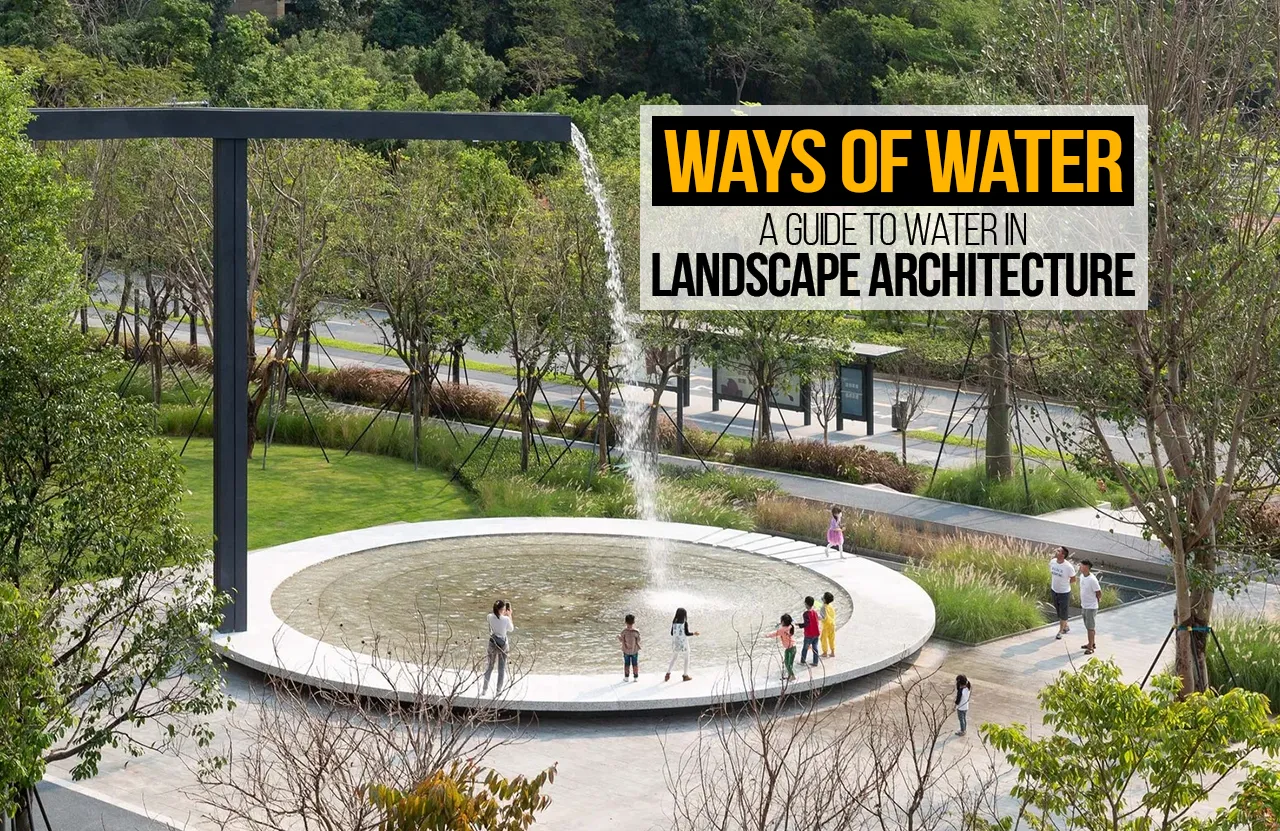
Water can be expressed in nature and built forms in plenty of ways that elevates the overall outlook, sensory perception through visual and auditory cues, as well as using cultural symbolisms. A few commonly found and used water features in contemporary projects are as follows:
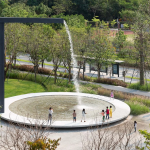
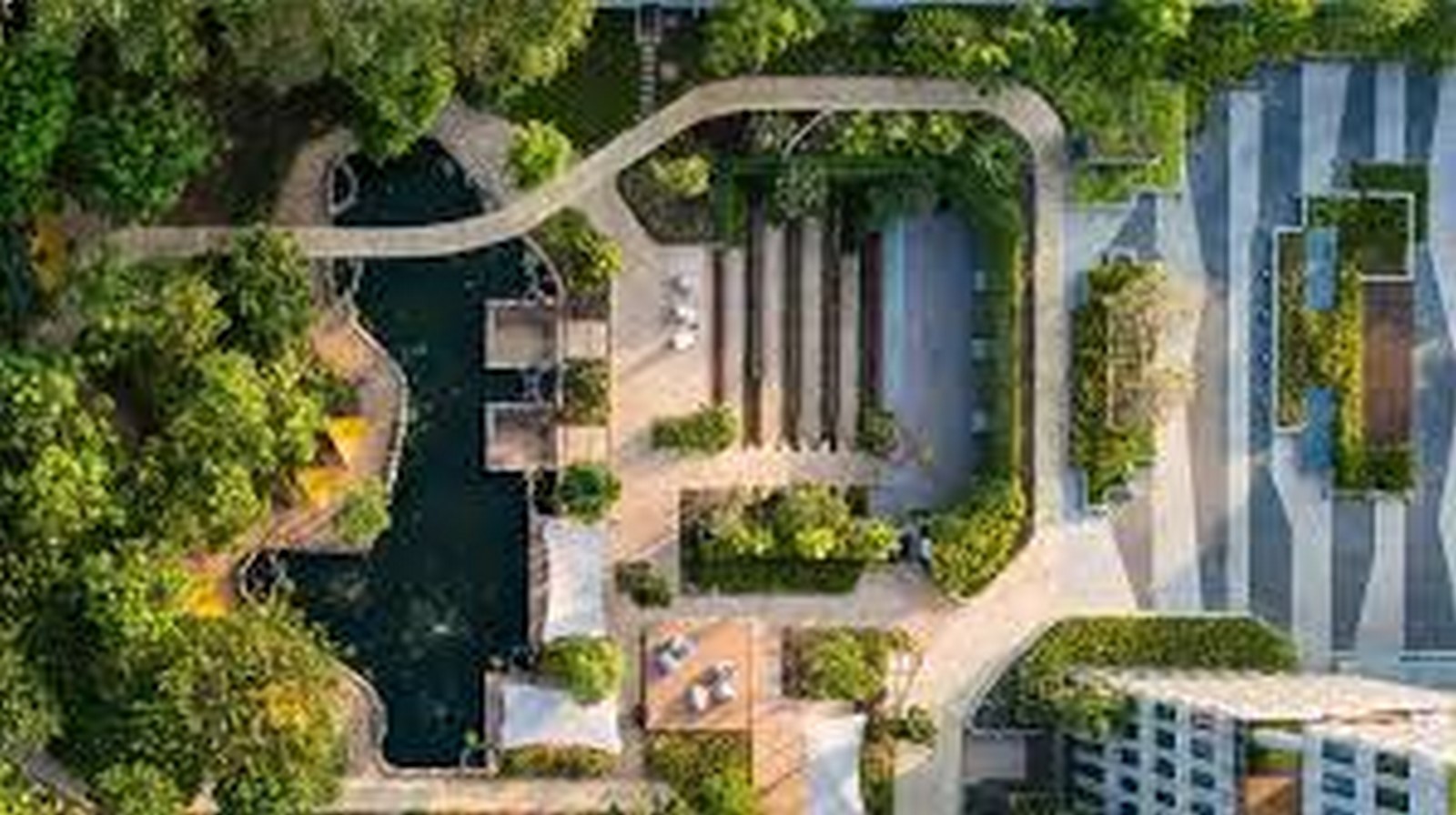
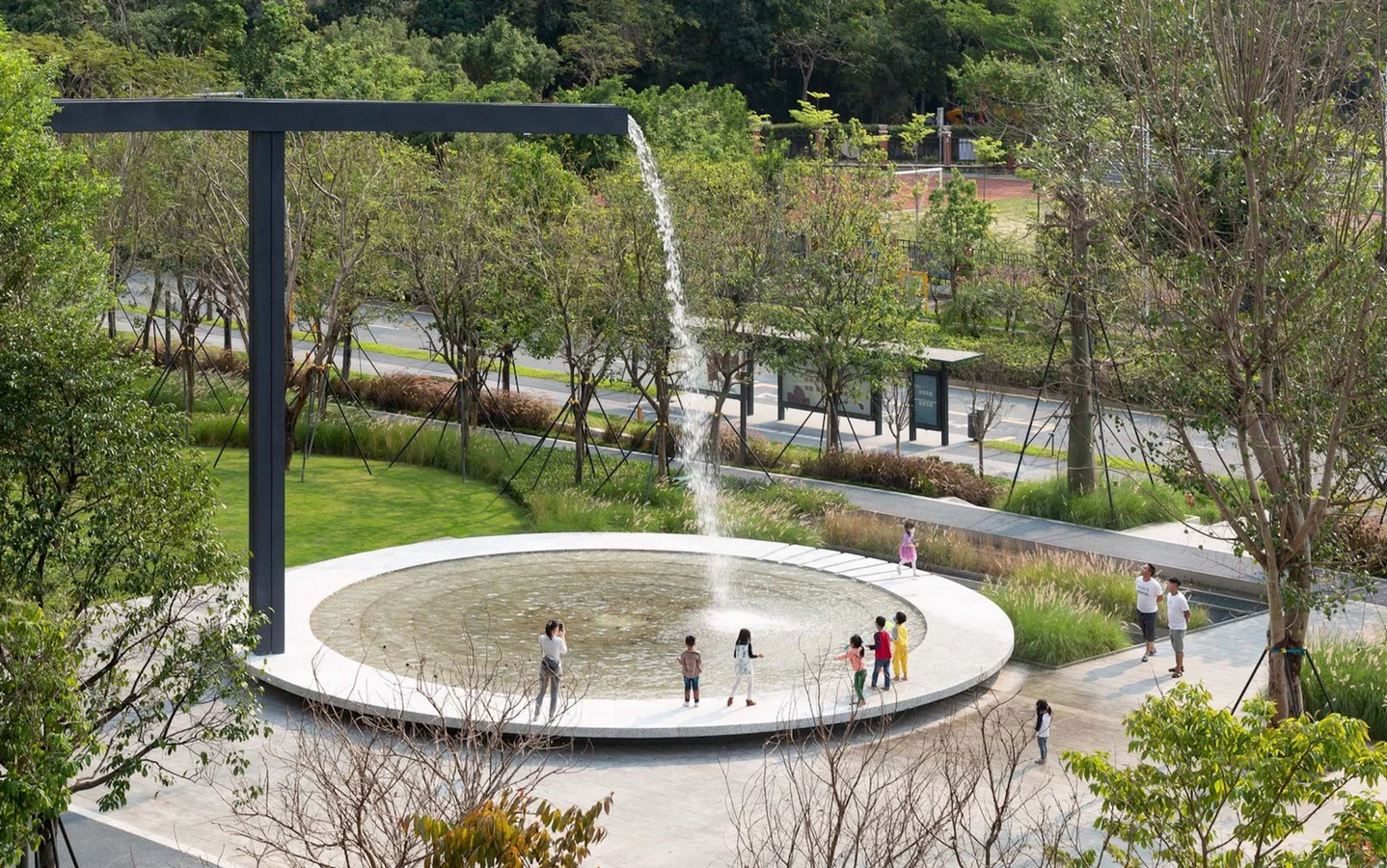
- Water spouts and fountains, aspects which focus on the dynamic designs and attractive flows, often create a statement, call attention, and incorporate intricate sculptural details and embellishments.
- Water cascades, a novel way to mimic waterfalls and translate a miniature version into gardens and outdoor spaces, bringing raw nature into the built realm.
- Swimming pools and recreational facets – Pools, channels, and rills installed to engage people in sports-related and entertaining activities, especially in sports centres, resorts, and schools.
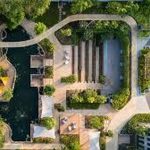
- Creation of water bodies such as ponds and bio-lakes for the rearing of aquatic species, artistic features, as well as the collection of rainwater for usage purposes.
- Design of artificial wetlands and mangroves as natural water sinks from cities, protecting them from unwanted surges and floods, and purification of air and water.
- Canals, streams, and culverts are created in the vicinity of agricultural fields for the irrigation of crops perennially, especially in suburban and rural areas.
The list goes beyond what is mentioned, with water as a versatile component in creating ambience, aiding attain sustainable goals and environmental stability.
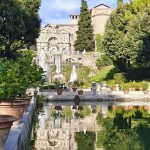
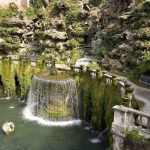
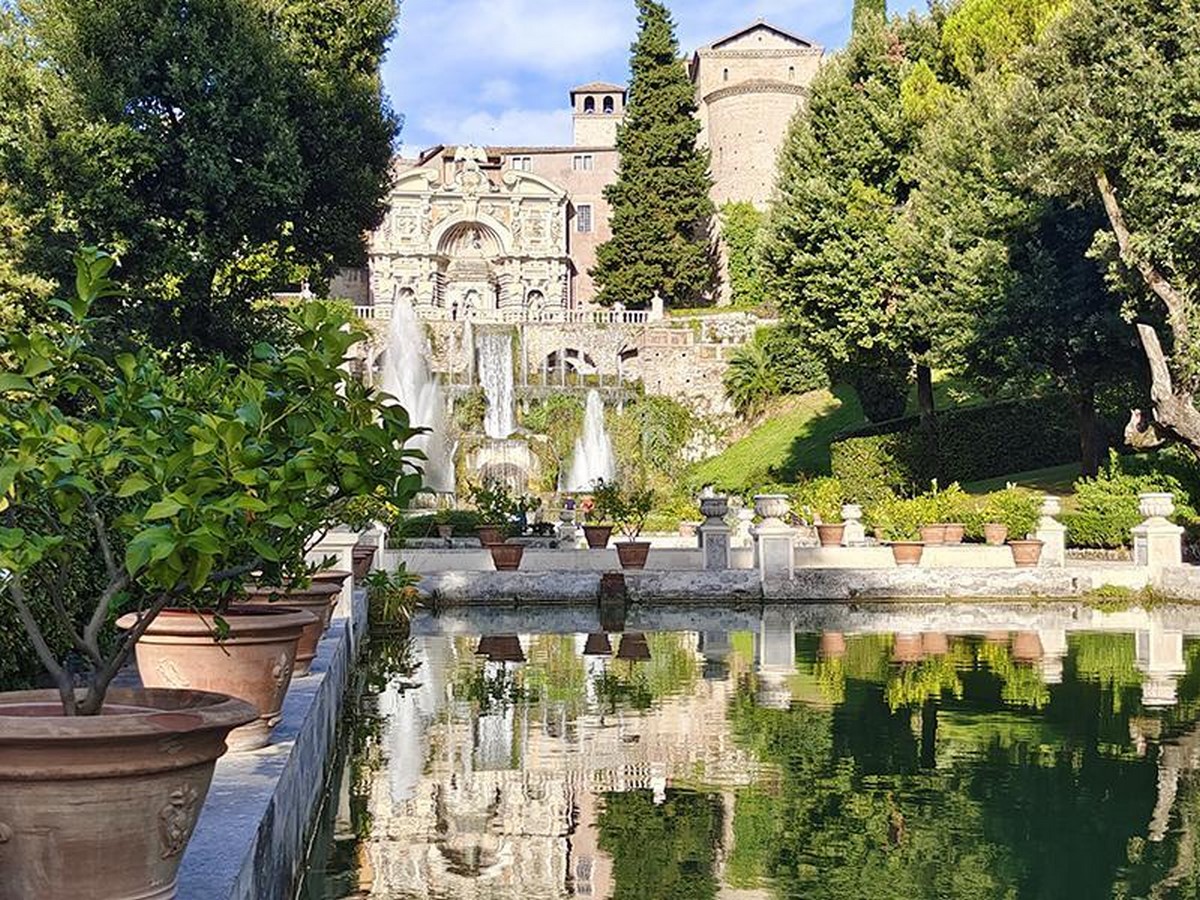
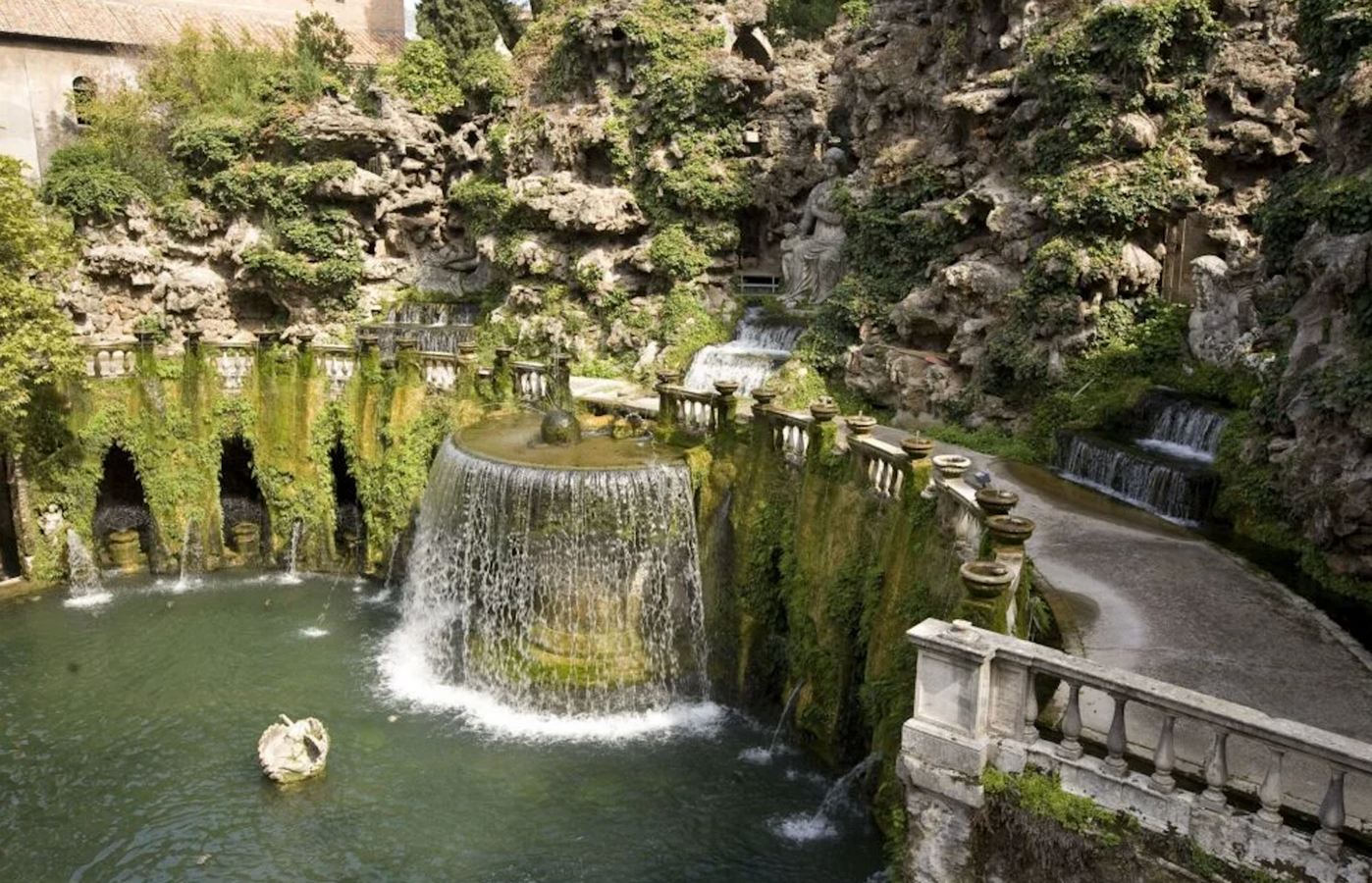
Villa de’Este in Tivoli, Italy, is a famous example of landscaping. It uses principles of water design with hillside-facing terraced gardens. This sixteenth-century project follows the Italian Renaissance style and features a residential building and a 4.5-hectare garden. The site required large-scale planning and design. The garden, a model water garden, led the way for later European designs. It features fountains and ornamental basins. Water moves in cascades with different forms and speeds, using gravity alone. A nearby river supplies the water, while the garden itself contains loggias, courtyards, lawns, pergolas, and pavilions.
Environmental Conservation Measures
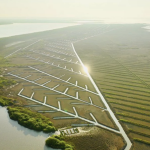
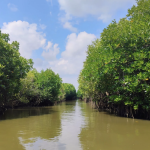
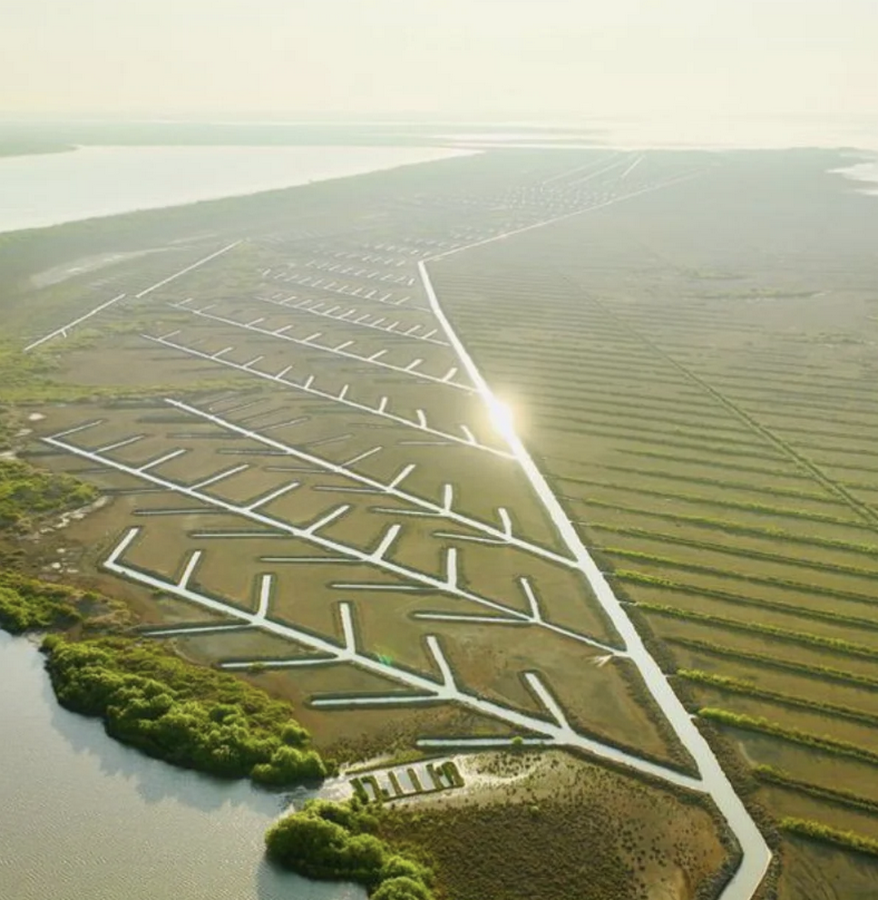
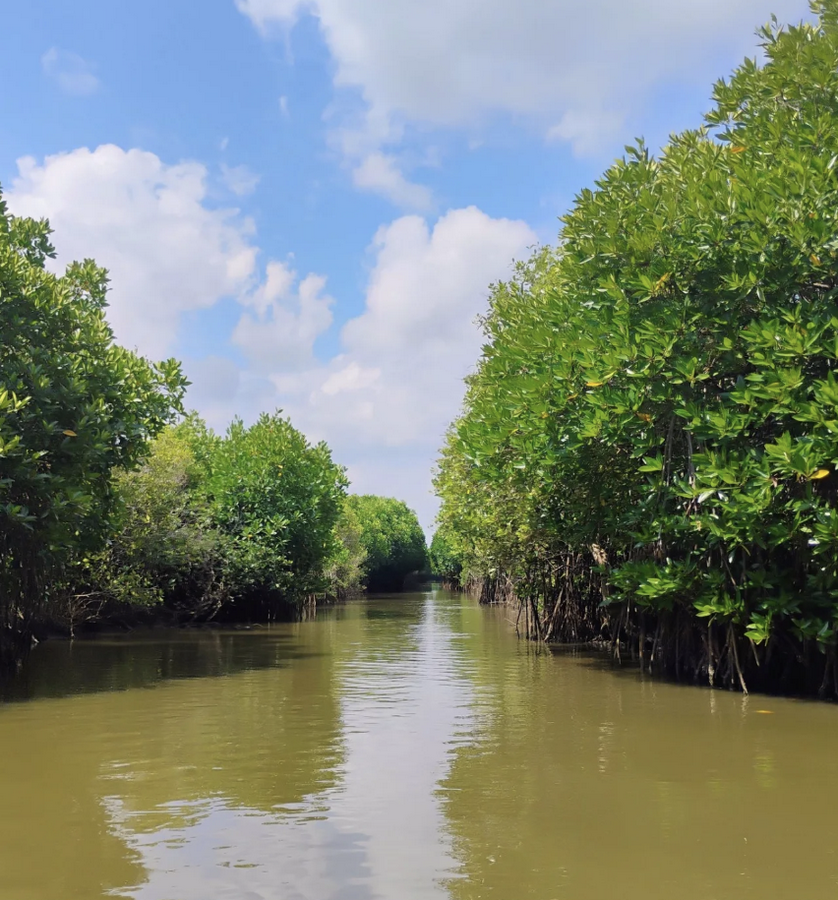
Landscaping, apart from its design purposes and superficial artistic approaches, can also be leveraged to battle climate changes, global warming, untimely calamities triggered by reckless human activities and the restoration of native fauna and flora. The Tamil Nadu government had previously sanctioned a restoration project resurrecting wetlands and mangroves covering an area of 2,400 hectares, which has now increased by another 1,200 hectares, as part of the state’s coastal stabilisation initiative. This plan involved planting of new saplings, arranging layouts for water streams and mangrove vegetation, culturing and supporting fisheries, and protecting the environment from any external hazards. This has significantly contributed in managing the tides on the shoreline front, preventing coastal erosion, driving carbon sequestration, allowing endangered and indigenous species to proliferate, and counteracting the negative effects of climate change in neighbouring towns and cities.
Given below are the references in Harvard citation style:
Centre, U.W.H. (2001). Villa d’Este, Tivoli. [online] UNESCO World Heritage Centre. Available at: https://whc.unesco.org/en/list/1025/.
American Society of Landscape Architects (2019). What Is Landscape Architecture? | asla.org. [online] Asla.org. Available at: https://www.asla.org/aboutlandscapearchitecture.aspx.
Abraham, A.M. (2025). Role of water in landscape s5. [online] Slideshare. Available at: https://www.slideshare.net/slideshow/role-of-water-in-landscape-s5/44105976#5 [Accessed 5 Oct. 2025].
Whalley, J.M. (1988). Water in the landscape. Landscape and Urban Planning, 16(1-2), pp.145–162. doi:https://doi.org/10.1016/0169-2046(88)90040-0.
Scalgo.com. (2025). Landscape design with surface water in mind. [online] Available at: https://scalgo.com/en-US/blog/landscape-design-with-surface-water-in-mind [Accessed 5 Oct. 2025].
magdy (2023). Water Landscape Systems: Characteristics and Functions. [online] IEREK. Available at: https://www.ierek.com/news/water-landscape-systems-characteristics-functions/ [Accessed 5 Oct. 2025].
tunza.eco-generation.org. (n.d.). role of water in ecosystem – World report – Our Actions – Tunza Eco Generation. [online] Available at: https://tunza.eco-generation.org/worldReportView.jsp?viewID=52523.
Ijraset.com. (2023). Water Element as an Aesthetic Aspect of Landscape Design. [online] Available at: https://www.ijraset.com/research-paper/water-element-as-an-aesthetic-aspect-of-landscape-design.
admin (2025). Integrating Water Features in Landscape Architecture – D&A Architects. [online] D&A Architects. Available at: https://darvisharchitects.com/integrating-water-features-in-landscape-architecture/ [Accessed 5 Oct. 2025].