Madurai is a city renowned as the religious capital of Tamil Nadu. This is the city known for its unshakable culture and hospitality. This is a city that carries its rich history from ancient times, with records available since the 4th century BCE. Madurai, apart from owning attractive pilgrimage spots and droolworthy cuisines. Surviving through various succeeding dynasties, Madurai has many elements that have enabled it to endure and adapt over the centuries. Even at present, it adorns the fossils of its past with remarkable perseverance, reflecting on its culture, history, and glory.
1. Pandyas (4th–2nd Century BCE, 6th–9th Century AD, 13th–14th Century AD)
Historical Context:
The Pandyas are one of the earliest known dynasties of South India. They have been pioneers in ruling Madurai and are known to have had their base for a very long period of time in the city and its surrounding regions intermittently from the 4th–2nd century BCE,with later phases in the 6th–9th century AD and 13th–14th century AD.
They were meticulously remembered for their administrative skills, temple patronage, and promotion of Tamil literature and culture. They were the first to create Sangam for developing and reforming Tamil, and the city holds its pride in hosting all three Sangams within it under Pandyan rule.
This also resulted in the rise of many Tamil Sangam literature books.
Architecture:
The Pandyas are credited with their highly precise technique of building rock-cut caves, shrines, and grand temples. Significant sites under construction include:
- Rock-cut caves of Thirupparangundram: Early devotional caves, reflecting Pandya rock-cut architecture.
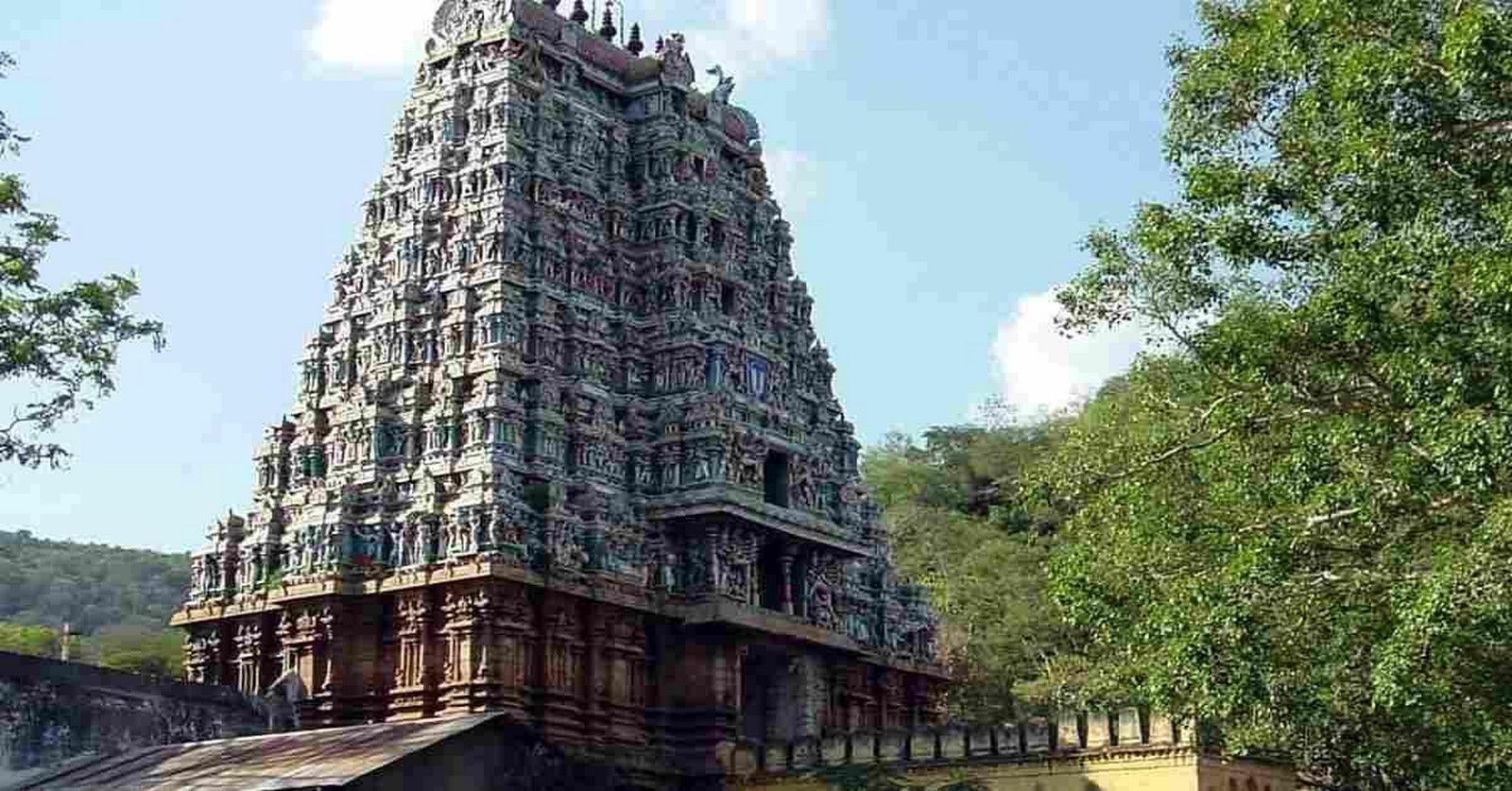
- Meenakshi Amman Temple: A monumental temple complex that evolved over centuries, embodying the Pandyas’ religious devotion and artistic skill.
- Azhagar Koil, Yanai Malai, Ladan Kovil (8th century), Keelavalavu rock caves (Jainism, 2nd century BCE), Samanar Hills (Jain caves, 2nd century BCE), Madappuram Kali, and Vitavasal: Illustrating the blend of Shaivism, Vaishnavism, and Jain influences.
Religious and Socio-Cultural Notes:
The Pandyas were vivid patrons and followers of Shaivism, but they also shared a healthy political bond with Jain and Buddhist communities. The legend of the Jain massacre in Madurai is depicted in the temple sculptures and verses from the Meenakshi Amman Temple complex, though Jain communities contest this account; the truth is yet to be unveiled. The Sangam assemblies fostered literary and philosophical discourse.
Military:
The king was the chief commander of the army, and there were categories among the army, such as the troop with shields, the troop with swords, the troop with spears, the troop with tridents, and the troop with bows. High-ranking commanders included Palli Velan, Parantakan Pallivelan, Maran Adittan, and Tennavan TamizhaveL.
- Malik Kafur’s raid in 1311 resulted in the plundering of temple wealth, which is estimated to have included 512 elephants, 5,000 horses, and 500 maunds of jewels. This led to the sharp decline of the dynasty and the rise of a brief Madurai Sultanate dynasty.
Literature:
- Silapadhigaram: A classic Tamil epic featuring Kannaki, Kovalan, and Pandya king Neduncheliyan.
- Madurai Kanchi: Describes the city, the lifestyle, and the temple complex in a poetic way.
Art and Performing Traditions:
- Devarattam- (dance of warriors post-war)
- Silambattam- (martial art using sticks)
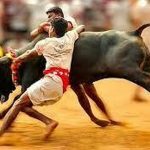
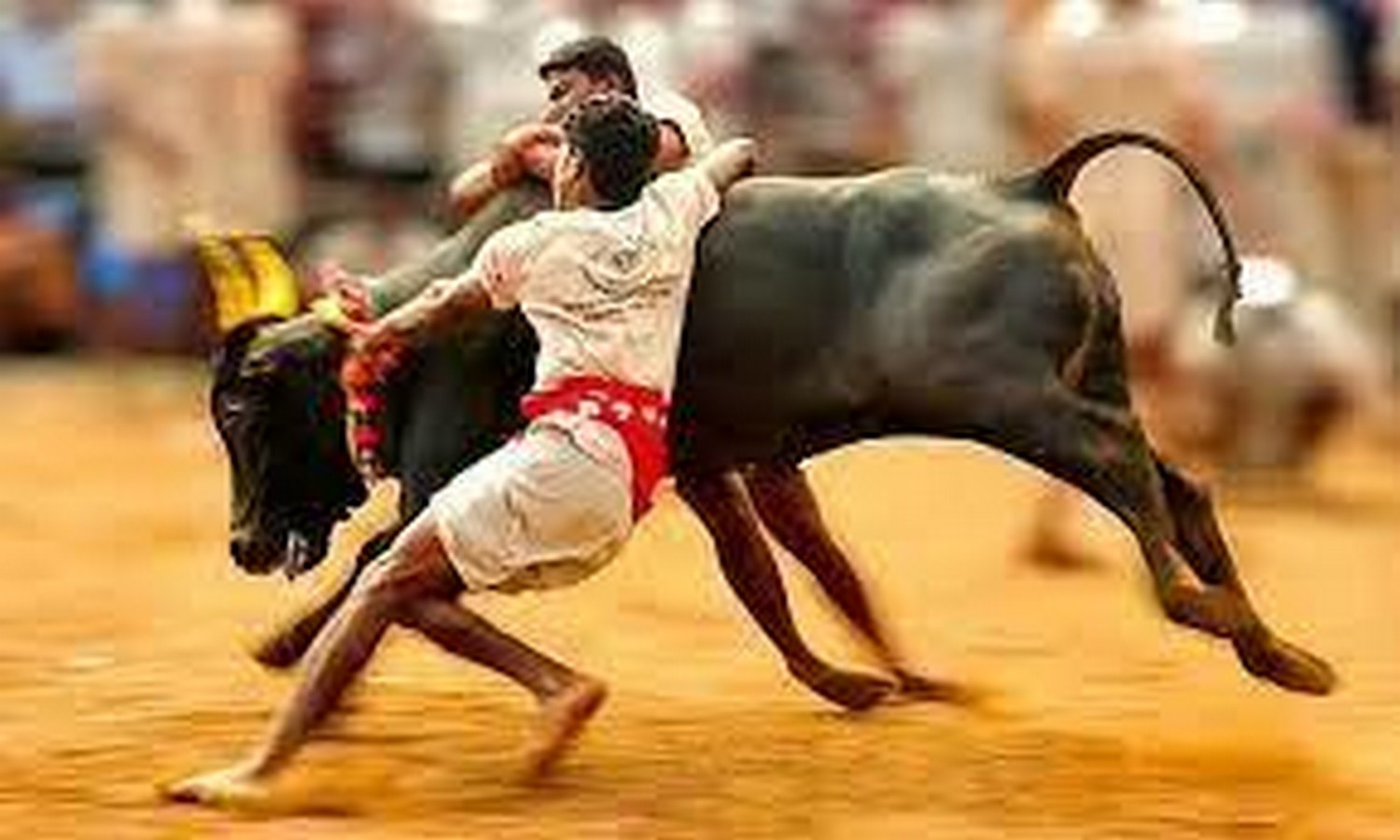
- Jallikattu – a sport with bull
Trade and External Relations:
The Pandyas maintained trade relations with Greek and Roman merchants, as noted by Megasthenes and Antipolis. Their economy was supported by agriculture, textiles, and temple commerce. The Keezhadi excavations revealed glass beads, artefactual wares, adding more to the evidence. Though these evidences need more scholarly validation to confirm the roots, the connection is evident through the ancient notes.
2. Kalabharas (3rd–6th Century AD)
Historical Context:
The Kalabharas replaced the Pandyas in Madurai, marking a period which is often referred to as the dark age of the Sangam period. They are noted for introducing the Prakrit language, promoting Buddhism, and challenging existing Brahminical authority. Violence was highly prevalent, and literature also states there were forced religious conversions and executions, which led to the decline of panar arts and temple patronage. This dynasty was a stark contrast to the Pandyan dynasty, which promoted art and religion extensively.
Military:
- Lacked elephant corps.
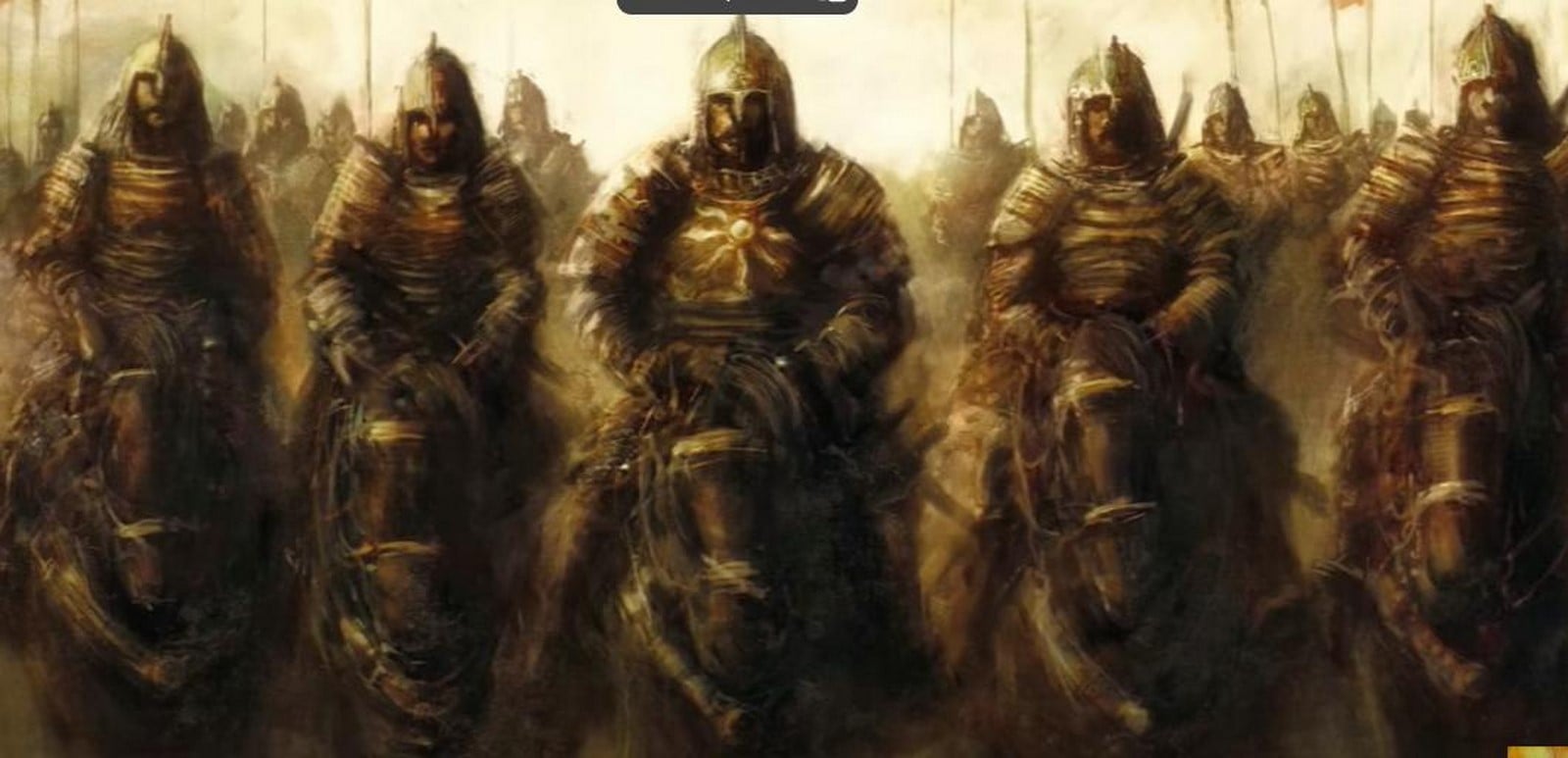
- Relied on cavalry forces, which allowed mobility but limited large-scale sieges
Architecture:
No surviving monuments or inscriptions are attributed definitively to the Kalabharas, making archaeological reconstruction difficult.
Literature and Culture:
- Texts such as Padhinen Keel Kanakku, Kalvadi Pinpadu, and references in Periyapuranam hint at cultural activities and notes on the lifestyle of people under the dynasty
- The rulers had an inclination towards Buddhism, and hence, Emphasis on Buddhist practices led to the establishment of small monastic centers and meditation spaces.
Socio-Cultural Notes:
- Robbery of Brahmin land and displacement of communities are recorded in later sources
- Their rule represents a temporary shift in religious and political power, affecting literature, art, and temple traditions.
3. Cholas (10th–12th Century AD)
Historical Context:
The Cholas briefly extended their influence over Madurai, promoting temple construction and administrative control. Their presence was highly resonating in infrastructure, cultural integration, and regional trade, though their political dominance in Madurai was short-lived.
Architecture:
- Temples like Tirunalkanar in Mthirupaththur exhibit Chola-style carvings but show limited renovation or expansion, reflecting a continuity of local traditions.
Military:
- Chola armies maintained strong discipline and were well-equipped
- After the 12th century, their power declined, and by the 13th century Pandiyas took control again.
Literature and Art:
- Continuation of Tamil literary traditions.
- Temple iconography reflects Shaivism and Vaishnavism, with early bronze sculptures and stone reliefs.
- The bronze statue making technique flourished during their reign.
4. Sultanate Rule (1335–1378 AD)
Historical Context:
Originating from the Delhi Sultanate, eight sultans ruled Madurai. This was the period when Islamic administrative practices were followed. Their rule was characterized by oppressive taxation, forced displacement of communities, religious imposition , and documented massacres of Hindus, making it a dark phase in Madurai’s history.
Architecture:
- Introduction of arched structures and domes.
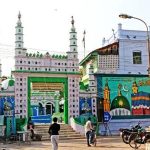
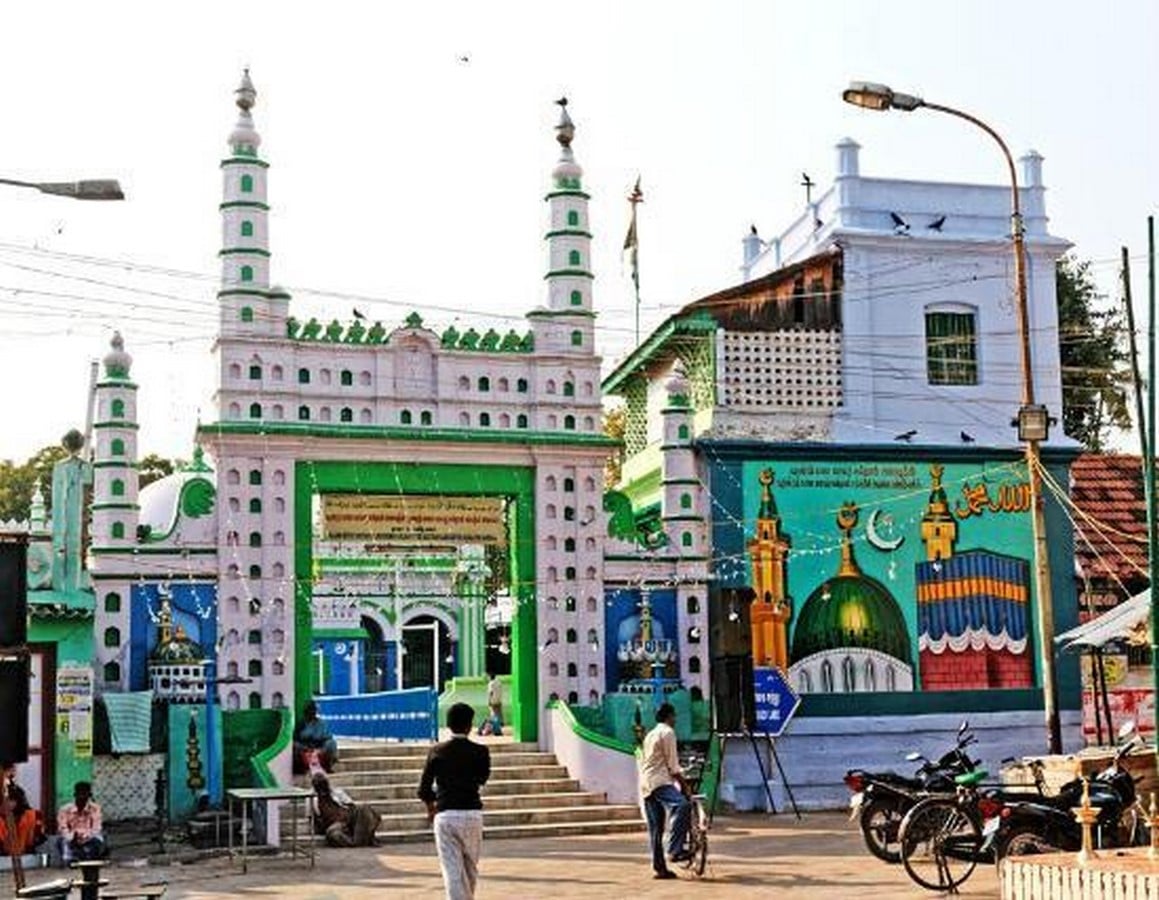
- Notable constructions under their rule include Goripalayam Dargah and Kazimar Big Mosque, which remain important Islamic sites till present.
Military:
- Organized armies for territorial control, often clashing with local resistance.
Socio-Cultural Notes:
- Literature of the time references cultural imposition and deforestation: “The coconut trees have all been cut and in their place are rows of iron spikes with human skulls dangling at the points.”
- Religious and administrative interference marked a significant shift in governance , demography and lifestyle of people
5. Vijayanagara Empire (1371–1520 AD)
Historical Context:
The empire administered Madurai through the Nayaks. As the Vijayanagara dynasty’s base was established in Andhrapradesh the Migration of people from Andhra Pradesh introduced new crafts, religious customs, and social practices.
Festivals and Rituals:
- Introduction of Navarathri, Mahanavami, and Vasanthotsav
- Unique pregnancy rituals were introduced that involved women and ornaments being covered in ghee to prevent miscarriage.
Architecture:
- Hero stones at Nadukottai attest to the military and cultural influence of the Vijayanagara Empire
- Rock-cut and temple expansion styles drew on Pandya and local motifs
Military and Administration:
- Nayaks initially served as governors; later, they became independent rulers.
- This dynasty had different regional divisions into Nadus, Seemais, and Gramas.
6. Nayaks (1530–1720 AD)
Historical Context:
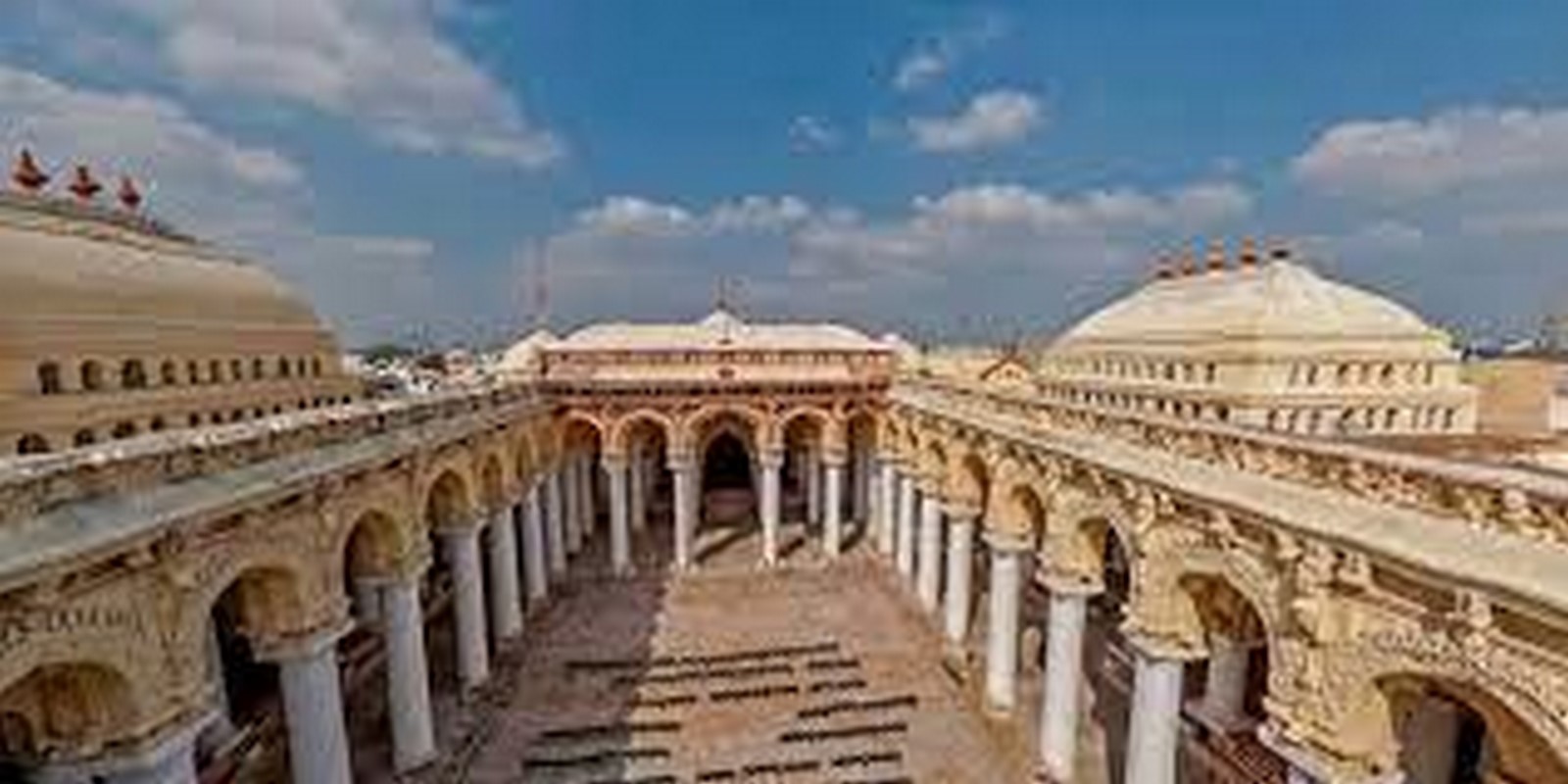
Initially, administrators under the Vijayanagara Empire, the Madurai Nayaks, became independent rulers, consolidating power over temples, trade, and arts. Most of the archeologically available parts of the past in Madurai are from this reign . The Nayakas have played an important role in developing new cultural practices , festivals, which led to the name of the city of festivals .
Architecture:
- Fusion of Pandya rock-cut, Sultanate arches, and local styles.
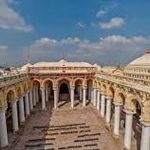
- Major contributions: Rayagopuram, Pudhu Mandapam, Thirumalai Nayakar Mahal, Theppakulam, Kalmandapam of Vaigai River, Pathu Thoon
Art and Culture:
- The Sungudi saree handloom was develope
- Patronage of temple arts, music, and dance.
Military:
- Dalavay managed civil and military affairs.
- Palayakarars controlled territories; kingdoms which were divided into administrative units.
7. Colonial Rule (18th–20th Century)
Historical Context:
British colonial rule introduced administrative reform, missionary activities , and modern education. Gandhi’s visit symbolized national awakening for freedom in Madurai.
Architecture:
Albert Victor Bridge, railways, and street networks modernized the city.Temple moats were demolished to expand streets, now commercial hubs.
Institutions:
- Victoria Edwards Hall, American College, Madura College, Madurai Court, Vilakku Thoon, St. Mary Cathedral, St. George Church, Sacred Heart Church.
Residential Architecture:
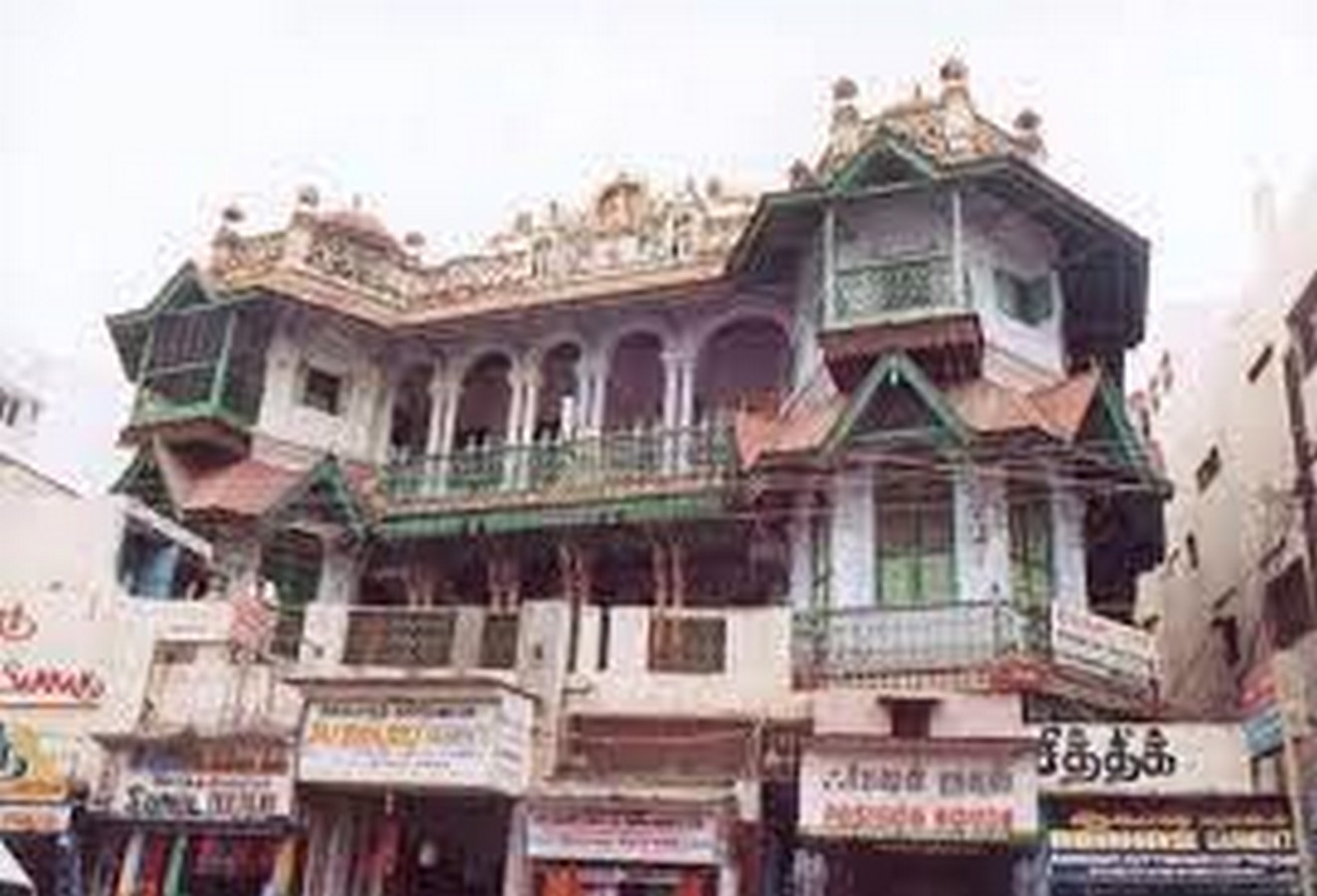
- The influence of wooden brackets and grills in houses was brought in during this reign.
Madurai’s history is a living documentary of survival through different dynasties , socio-political changes, and religious shifts. From the Pandyas’ literary and temple contributions to the Nayaks’ architectural and textile legacies, every period added depth to the city’s identity. Even eras of turmoil, such as Kalabhara and Sultanate rule, shaped Madurai’s resilience. Today, it stands as a living repository of art, literature, and culture, bridging its rich past with a dynamic present.
REFERENCES:
Aiyangar, S. Krishnaswami. South India and Her Muhammadan Invaders. Madras: University of Madras, 1921.
Archaeological Survey of India. Annual Report on Indian Epigraphy. New Delhi: ASI, various years.
Bayly, Susan. Saints, Goddesses and Kings: Muslims and Christians in South Indian Society, 1700–1900. Cambridge: Cambridge University Press, 1989.
Champakalakshmi, R. Religion, Tradition and Ideology: Pre-Colonial South India. Delhi: Oxford University Press, 2011.
Karashima, Noboru. History and Society in South India: The Cholas to Vijayanagar. Delhi: Oxford University Press, 2001.
Mahadevan, Iravatham. “Early Tamil Epigraphy and the Sangam Age.” Journal of the Institute of Asian Studies, 12.1 (1994), pp. 1–22.
l, George. Architecture and Art of Southern India: Vijayanagara and the Successor States. Cambridge: Cambridge University Press, 1995.
Nilakanta Sastri, K.A. The Pandyan Kingdom from the Earliest Times to the Sixteenth Century. London: Luzac & Co., 1929.
Vijayavenugopal, G. (trans.). Madurai Kanchi. Chennai: Institute of Asian Studies, 2005.
Wagoner, Phillip B. “Sultan among Hindu Kings: Dress, Titles, and the Islamicization of Hindu Culture at Vijayanagara.” Journal of Asian Studies, 55.4 (1996), pp. 851–880.
Stein, Burton. Vijayanagara. Cambridge: Cambridge University Press, 1990.