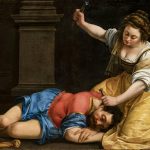

Artemisia Gentileschi was a renowned Italian Baroque painter, known for her naturalistic depictions of the female figure, which were influenced by Caravaggio. Born in Rome in 1593, as a daughter of Tuscan painter Orazio Gentileschi, Artemisia was brought up in a setting where she was faced with the skill of painting. Not allowed formal study and effectively illiterate until her early twenties, she, however, showed prodigious talent at a very early age. Her work named Susanna and the Elders (1610), painted when she was only seventeen years of age, showed her mastery of composition, color, and emotional power at a very early stage of her career.
At the age of twelve, her mother died during childbirth, so her three younger brothers were in her care. At eighteen, Artemisia Gentileschi was raped by her colleague Agostino Tassi. The trial that ensued, in which she was tortured in a bid to confirm her testimony, has over the years consumed her professional achievements.
Gentileschi was unique for her time: whereas most women artists only did portraits and still lifes, she painted history paintings in that era. Her canvases were dramatic, highly charged, and densely populated with heroines. Of her fifty-seven confirmed works, a remarkable ninety-four percent involve women as main protagonists or equals to men, which is a fact in itself that redefines the lens through which women could be depicted in Western art.
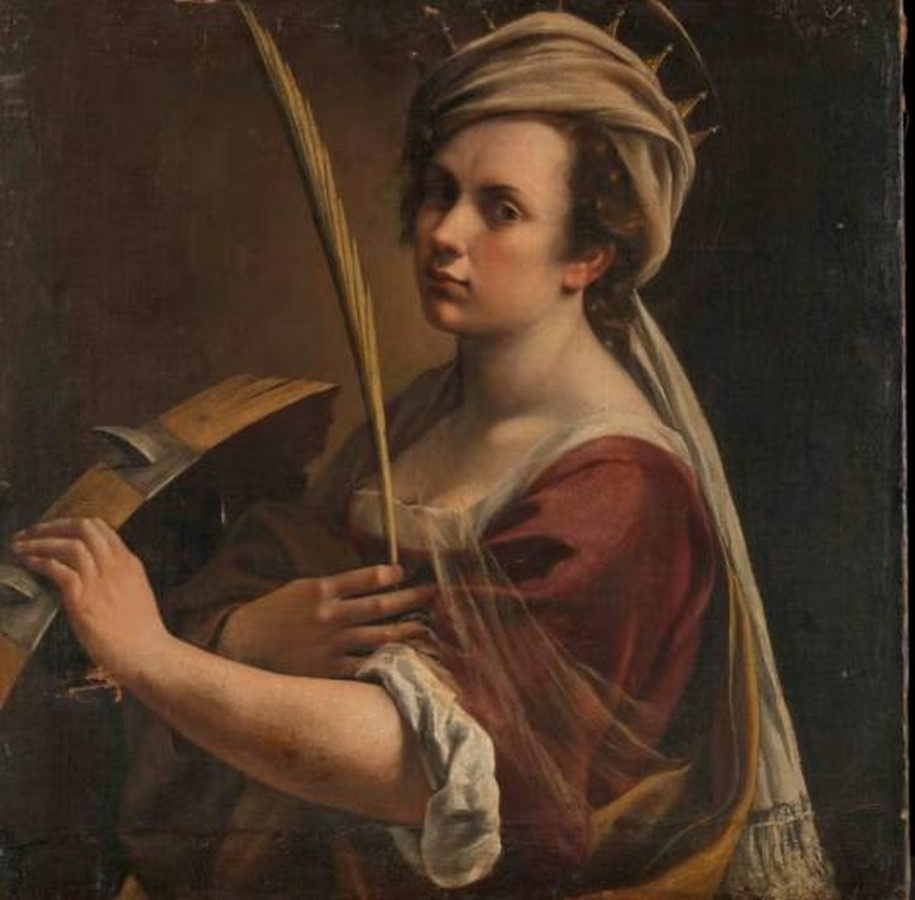
Career
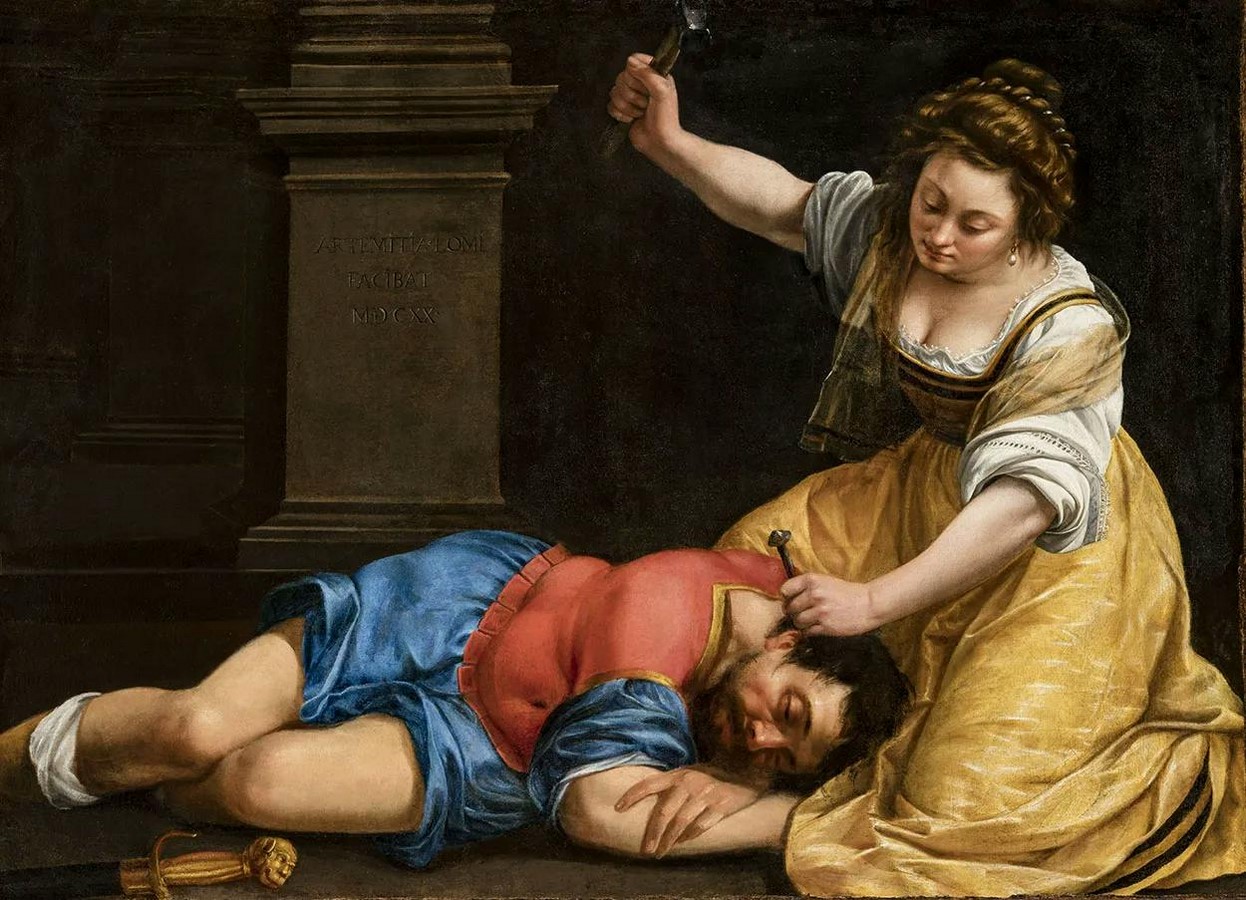
From Judith Beheading Holofernes to Jael and Sisera, she consistently depicted women asserting authority in violent or ethically dubious circumstances. Whereas most later interpreters saw this as autobiographical which was an oppressed revenge against her rape while others conjecture that she was a calculated embrace of the Baroque fondness for dramatics, spectacle, and the female body, appropriate to her patron’s sensibilities. Either way, Artemisia centered women as main protagonists in narratives previously centering them as peripherals, as passive or ornamental.
Her own manner, which was strongly influenced by her father’s Caravaggesque training, employed the habits of tenebrism: strong lighting and dark, sensuous color, and robust naturalism. But whereas most of her contemporaries’ women were passive or idealized, hers were muscular, reflective, and introverted. Artemisia was less interested in prettiness and more in veracity which was veracity of gesture, of feeling, and of humankind’s travail.
In Florence, Artemisia obtained what no woman had previously achieved: membership in the Accademia delle Arti del Disegno (Academy of the Arts of Drawing). She received patronage from the Medici, producing works such as Allegory of Inclination (1616), glorifying Michelangelo. This was a moment of her entry as a professional equal alongside male artists, a milestone that redefined women artists’ potential in Europe.
Artemisia’s artistic philosophy had much to do with individual autonomy. Her marriage to Pierantonio Stiattesi granted her the liberty to move away from Rome and develop her career in Florence. Her letters, found in 2011, present her as a fiery, ambitious woman who knew her ability to captivate and influence patrons.
Artemisia’s career took her from city to city, to Florence, Rome, Naples, Venice, and even London, in search of commissions. She was patronized by Charles I of England, Philip IV of Spain, and the Grand Duke of Tuscany. Even though she was well-liked, she was not provided large papal commissions, a sign of intense gender bias, for women were believed to be physically incapable of supporting the large-scale enterprises necessary in such pieces. Nonetheless, she schooled herself in adaptation: where others painted great altarpieces and ceilings, Artemisia mastered easel painting, producing paintings whose emotional intensity spoke specifically to personal owners.
She painted mostly in oil on canvas, but what was novel was not the tool, but the message. Every stroke was invested in a philosophy: that women’s lives, sentiments, and strength had to come right at the very pinnacle of art. And in doing so, she not only broadened women’s place in Baroque art, but rescripted culturally how gender and power were imagined.
Recognition after Death
Artemisia went on to work in the 1650s aided in her later life by her student Onofrio Palumbo. She reportedly died in Naples during the 1656 plague that decimated Naples’ people. What was left of her, her tomb, the church of San Giovanni Battista dei Fiorentini, was later demolished, eradicating physical proof of where she was buried.
For centuries following her death, Artemisia’s name fell into disrepute. She was recalled more often for her biography: the scandal, the trial, her “exceptional” status as a woman than for artistry. Many paintings were assigned to male painters, her own father included. In the 20th century, feminist art historians stepped in to reclaim her legacy. Artemisia came to be honoured not as a victim or outlier but as a master in her own right, whose paintings deserve to be recognized alongside Caravaggio, Rubens, and Rembrandt.
The reappraisal of her work reached its zenith in enormous shows, including the landmark 2020–21 National Gallery, London, retrospective. Rediscoveries of her paintings, such as a David with the Head of Goliath in 2020 and a Susanna and the Elders formerly in the collection of Charles I in 2023, keep expanding the enjoyment of her work. Artemisia Gentileschi is celebrated in the contemporary world as a central figure in Baroque art.