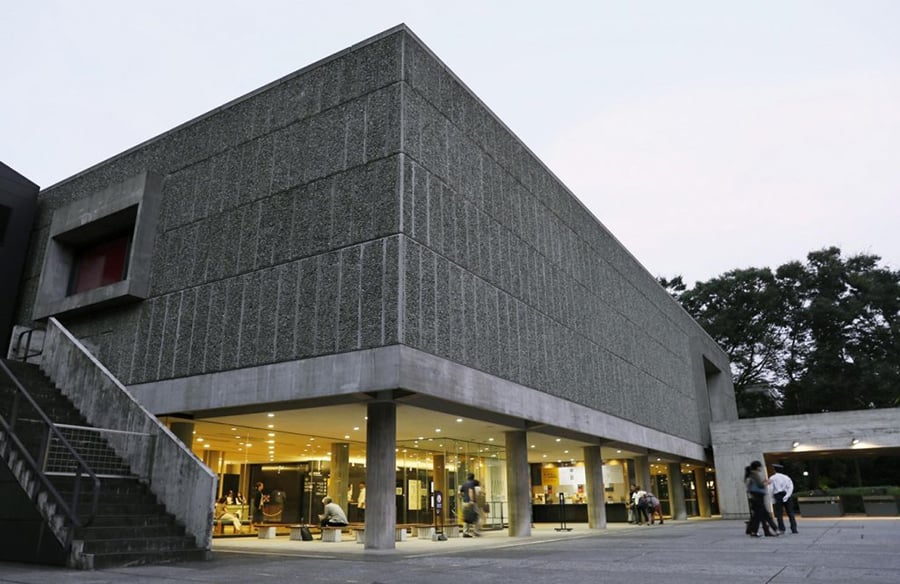
Le Corbusier’s National Museum of Western Art – Best Projects of Le Corbusier
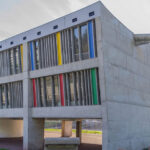
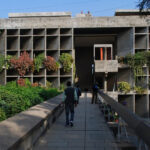
Le Corbusier’s influence on modern architecture extends to every corner of the globe, and the National Museum of Western Art in Tokyo is a striking testament to his innovative vision. This article meticulously explores the historical context, architectural innovations, and enduring significance of the National Museum of Western Art, showcasing Le Corbusier’s timeless mastery.
Historical Context
Pioneering Modernism in Tokyo
Commissioned in the late 1950s as part of the post-war reconstruction efforts in Japan, the National Museum of Western Art aimed to provide a cultural haven for Tokyo residents. Le Corbusier, renowned for his groundbreaking modernist approach, seized the opportunity to contribute to the global dialogue on the integration of art and architecture.
Architectural Innovations
1. Radiant Harmony of Light and Space
The National Museum of Western Art exemplifies Le Corbusier’s commitment to the harmony of light and space. The use of natural light is a distinctive feature, with carefully positioned windows and skylights creating an ethereal atmosphere within the galleries. This meticulous attention to light enhances the viewing experience of the artworks on display.
2. Modular Grid: A Structural Marvel
Le Corbusier’s love for modular design takes center stage in the National Museum of Western Art. The structural system employs a modular grid, providing flexibility for exhibition spaces. The grid layout not only enhances the functionality of the museum but also reflects Le Corbusier’s belief in the precision and order of modern architecture.
3. Open Staircase: A Sculptural Element
A notable sculptural element within the museum is the open staircase, a fluid and dynamic structure that serves both functional and aesthetic purposes. This staircase not only facilitates movement within the museum but also adds a touch of artistic elegance, exemplifying Le Corbusier’s ability to blur the boundaries between form and function.
Enduring Significance
1. UNESCO World Heritage Recognition
In 2016, the National Museum of Western Art, along with other works by Le Corbusier, was inscribed as a UNESCO World Heritage site. This prestigious recognition underscores the global importance of the museum as a cultural treasure and a testament to Le Corbusier’s enduring legacy.
2. Cultural Icon of Tokyo
The museum remains a cultural icon of Tokyo, attracting art enthusiasts and tourists alike. Beyond its architectural significance, the National Museum of Western Art continues to fulfill its mission of providing a space for the appreciation and understanding of Western art in the heart of Japan.
Statistical Insights
1. Dimensions and Layout
The National Museum of Western Art covers an area of approximately 8,500 square meters, featuring galleries, exhibition spaces, and administrative areas. The layout is organized to facilitate a chronological and thematic journey through Western art, providing visitors with a curated and immersive experience.
2. Construction Materials
Le Corbusier employed a combination of reinforced concrete, steel, and glass in the construction of the museum. The use of these materials not only aligns with modernist principles but also contributes to the durability and longevity of the architectural structure.
Visiting the National Museum of Western Art
An Architectural Pilgrimage
For architecture enthusiasts and art connoisseurs, visiting the National Museum of Western Art offers a unique pilgrimage into the world of Le Corbusier. Guided tours provide insights into the design philosophy, spatial innovations, and the historical context that shaped this cultural landmark.
Conclusion
In conclusion, the National Museum of Western Art stands as a beacon of Le Corbusier’s architectural brilliance, transcending time and cultural boundaries. As we reflect on this architectural masterpiece in Tokyo, it becomes evident that the museum is not just a repository of art; it is a living embodiment of the transformative power of architecture in shaping our cultural experiences.