Le Corbusier’s Maison de La Culture – Best Projects of Le Corbusier
Le Corbusier, the visionary architect of the 20th century, left an enduring legacy through his groundbreaking projects. Among these, Maison de La Culture, or the House of Culture, stands out as a testament to his commitment to integrating cultural spaces into the fabric of urban life. This article delves into the intricacies of Maison de La Culture, exploring its historical context, architectural innovations, and lasting impact on cultural spaces.
Historical Context
A Cultural Oasis in Firminy
Commissioned in the early 1960s as part of the post-war reconstruction efforts in Firminy, France, Maison de La Culture was conceived as a cultural center that would serve as a hub for artistic, educational, and community activities. Le Corbusier’s vision was not only to design a building but to create a dynamic space that would foster cultural exchange and engagement.
Architectural Innovations
1. Modular Design and Flexibility
Maison de La Culture exemplifies Le Corbusier’s commitment to modular design. The building features a flexible and adaptable layout, allowing for a range of cultural events and activities. The modular approach reflects the architect’s belief in creating spaces that can evolve to meet the changing needs of a dynamic cultural environment.
2. Integration of Art and Architecture
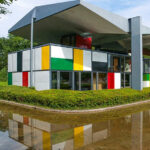
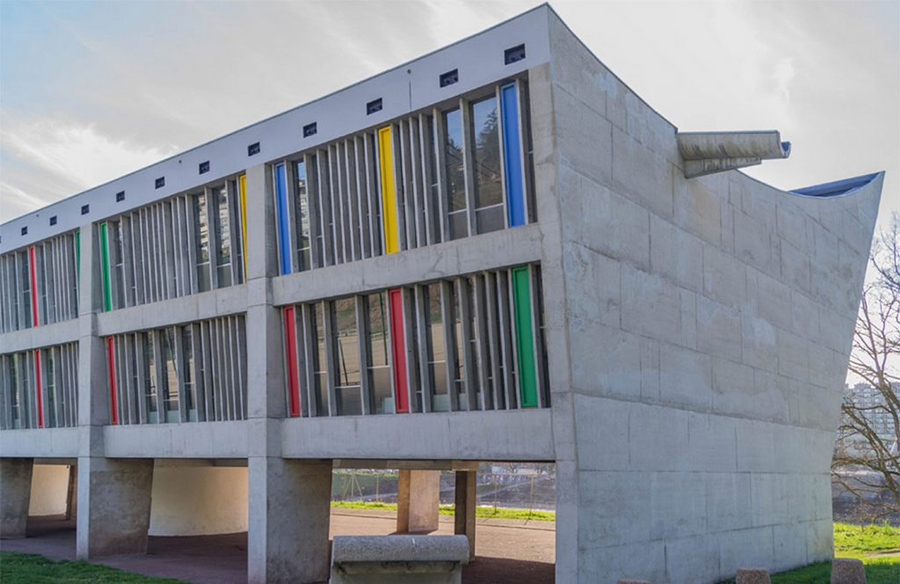
Le Corbusier, known for his holistic approach, seamlessly integrated art and architecture in Maison de La Culture. The building itself became a canvas for artistic expression, with murals and sculptures adorning the exterior and interior spaces. This integration reinforces the idea that cultural spaces should not only house art but embody it.
3. Open and Inclusive Design
Maison de La Culture is characterized by its open and inclusive design. Large, inviting entrances and strategically placed windows create a sense of accessibility, inviting the community to engage with cultural activities within. The design reflects Le Corbusier’s democratic vision for cultural institutions that are accessible to all.
Enduring Significance
1. Cultural Hub for Firminy
Since its completion, Maison de La Culture has remained a vibrant cultural hub in Firminy. It continues to host a diverse range of events, including concerts, theater performances, art exhibitions, and educational programs. The building’s enduring significance lies in its ongoing contribution to the cultural life of the community.
2. Architectural Heritage
In recognition of its architectural and cultural importance, Maison de La Culture has been designated as a Monument Historique in France. This official recognition underscores the building’s status as a significant architectural heritage, contributing to the preservation of Le Corbusier’s legacy.
Statistical Insights
1. Dimensions and Layout
Maison de La Culture spans approximately 4,300 square meters, comprising a multi-functional auditorium, exhibition spaces, and administrative areas. The layout is designed to facilitate the seamless flow of people and activities, providing a dynamic environment for cultural engagement.
2. Construction Materials
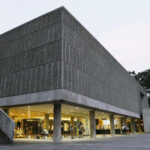
Le Corbusier employed a combination of concrete, glass, and steel in the construction of Maison de La Culture. The use of these materials not only reflects modernist aesthetics but also contributes to the building’s structural integrity and longevity.
Visiting Maison de La Culture
A Cultural Pilgrimage
For those passionate about architecture and culture, visiting Maison de La Culture offers a unique pilgrimage into Le Corbusier’s vision for integrated cultural spaces. Guided tours provide insights into the design principles, artistic elements, and the historical context that shaped this cultural marvel.
Conclusion
In conclusion, Maison de La Culture stands as a cultural testament to Le Corbusier’s belief that architecture should not only serve functional needs but also elevate the human spirit through cultural engagement. As we reflect on this architectural gem in Firminy, it becomes evident that Maison de La Culture is not just a building; it is a living embodiment of the transformative power of culture in urban life.