A Premise to Ecological Boundaries and its Integration
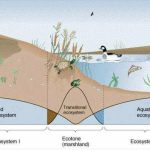
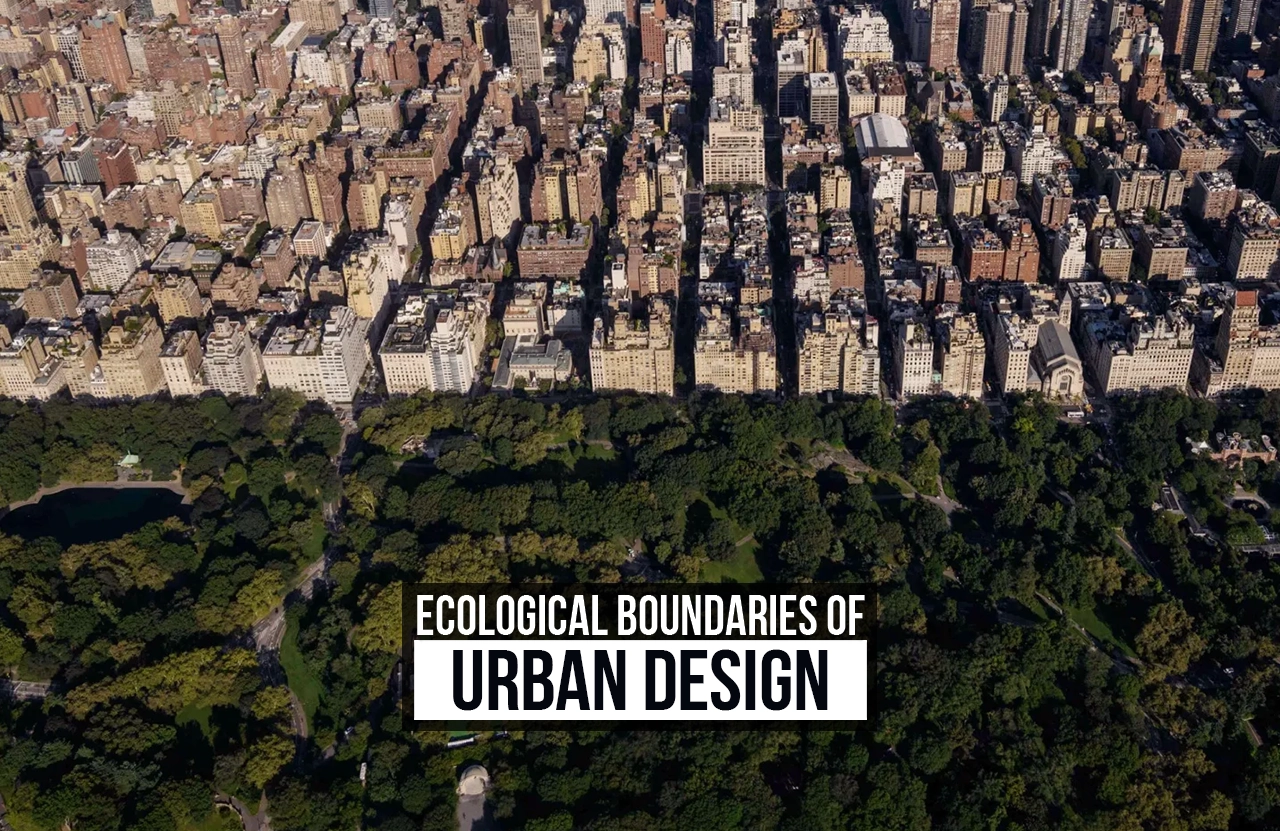
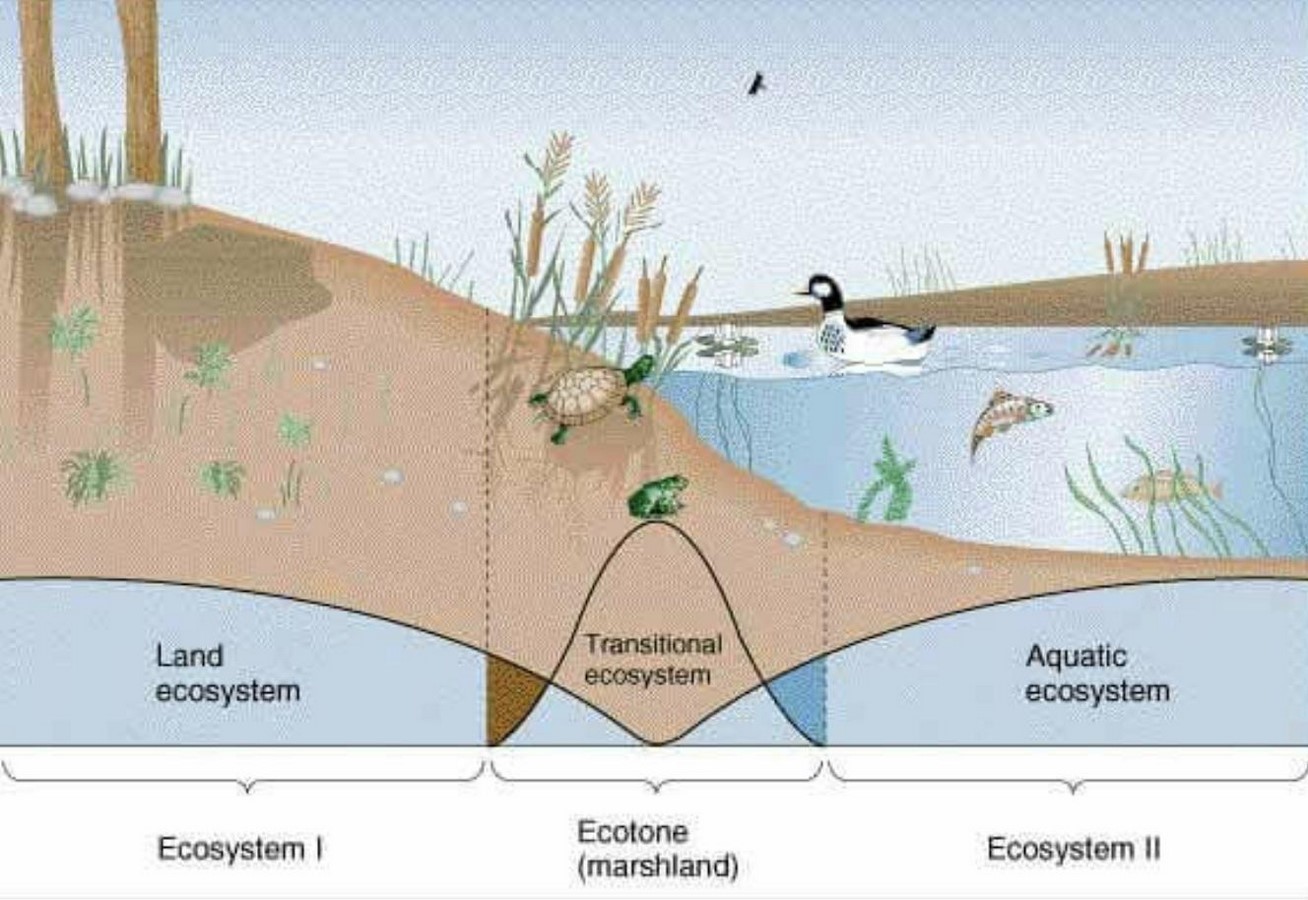
What are ecological boundaries? A physical feature that demarcates levels or properties? Nature-oriented areas restricted from artificial development? Or envelopes that differentiate the environment from the built? Ecological boundaries can be formally defined as entities that form the outer layers of structures or systems, such as populations, ecosystems, communities, forests, mountains, seas, and individuals, which can contribute to ecological isolation, flourishing, or regulation. They are believed to be a primordial area of study by ecologists and experts, who claim that these boundaries occur organically and proliferate based on several factors. It is a transition where different ecosystems or communities meet or exchange materials or information, and live in a diverse, often mixed, heterogeneous configuration. They can also be referred to as ‘Ecotones’, which describe a junction or an intersecting region between two biomes.
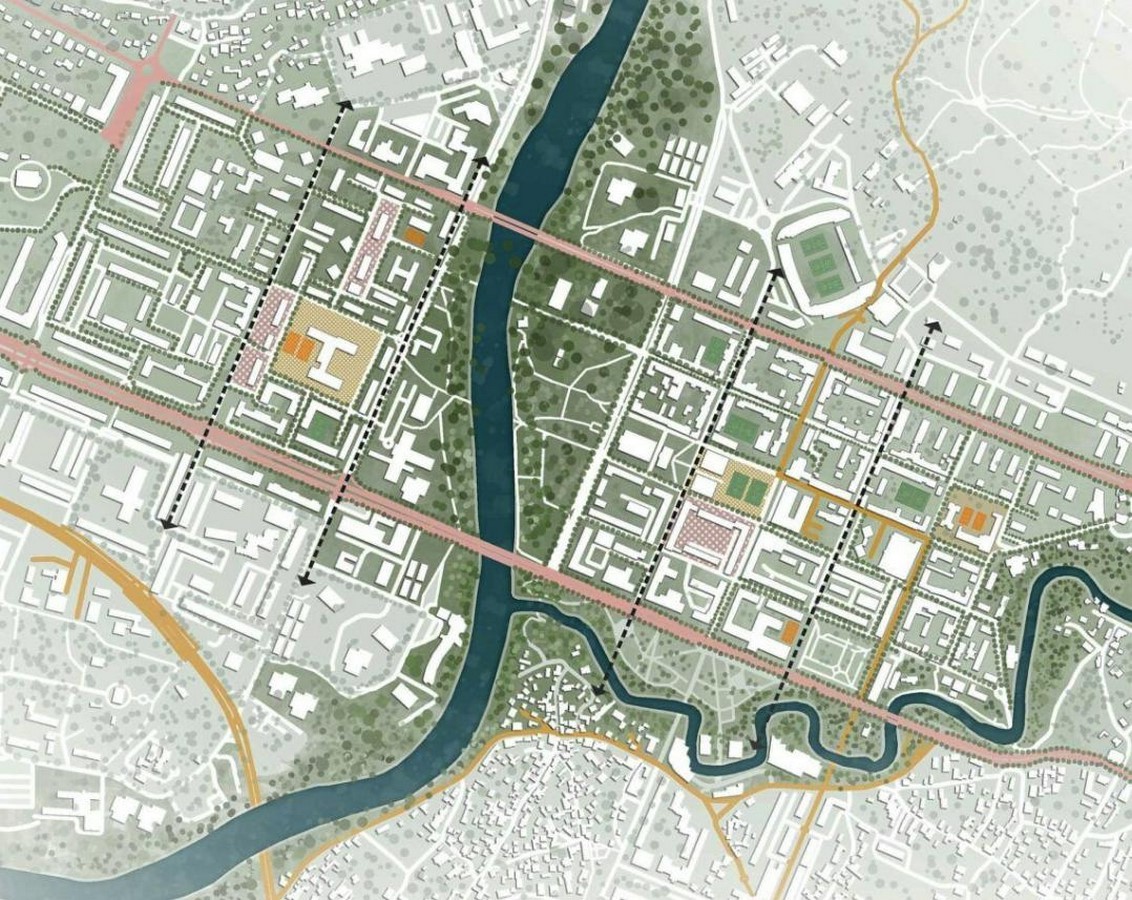
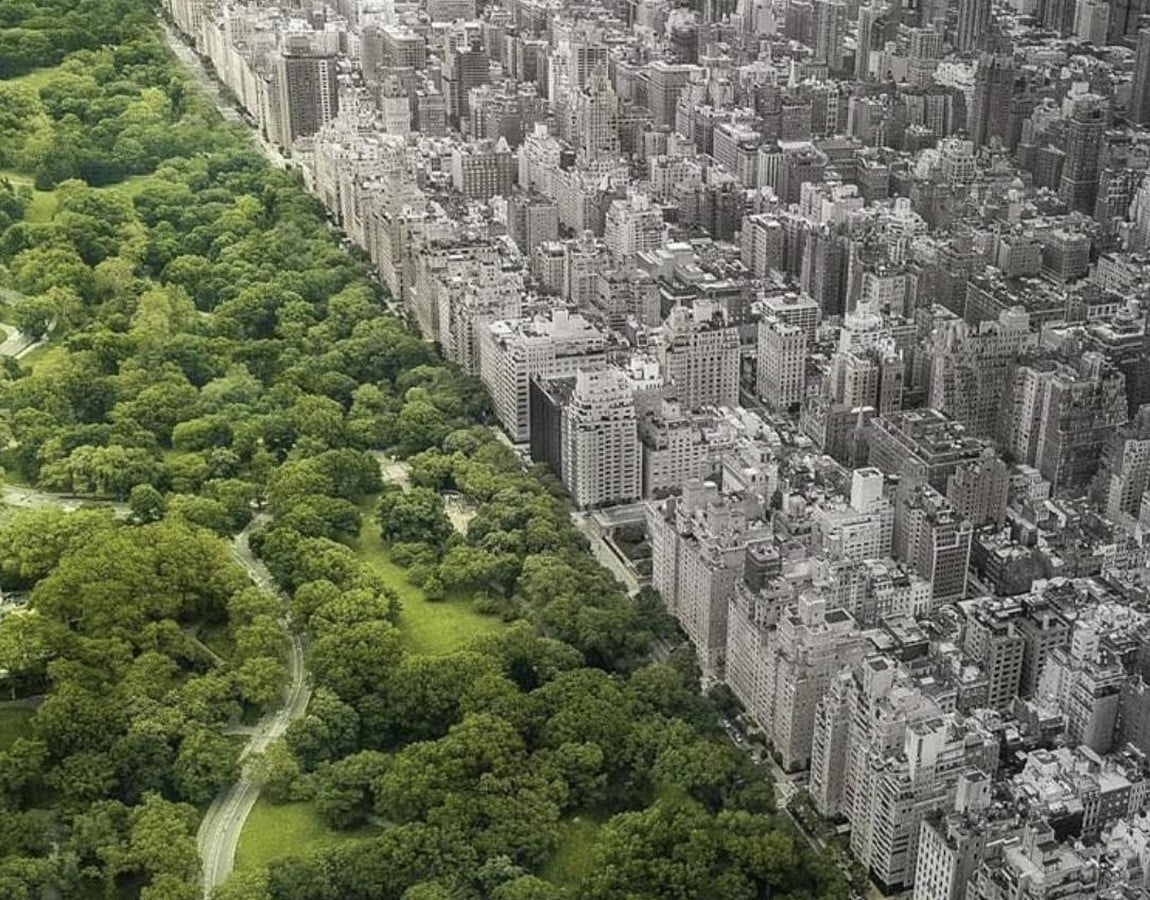
To understand better, the example of a river meeting a sea, where the delta region or the zone of transition from the flowing water to the great waters could pose as a boundary or an imaginary line, or an area where the forest ends and a grassland begins. This could also be extended to two different environments separated by a hill range or valley, where the mountain or the mound itself acts as a boundary. Reiterating the established statement that these are locations of transition and therefore harbour characteristics of both worlds, they present conditions conforming to those ecosystems, simultaneously creating what is known as the ‘zone of tension.’ In such areas, possibilities of birth of completely new species are high, and often develop unique features that exist or are absent in the aforementioned adjoining biomes. This can be seen in mangroves or wetlands, which occur at the junctures of aquatic bodies and forested lands, fostering organisms that have adapted to live the best of both worlds. The mangrove trees, for instance, may seem like regular trees with leaves, branches, and bark, but have aerial roots apart from the regular buried ones, which absorb oxygen in poorly aerated, water-logged conditions of the soil. The alteration or even integration of such systems into designs and architecture is a challenging prospect, transforming nature and its evolved attributes.
The Self-Steered Ecosystem and its Components
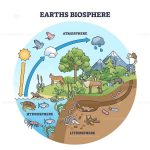
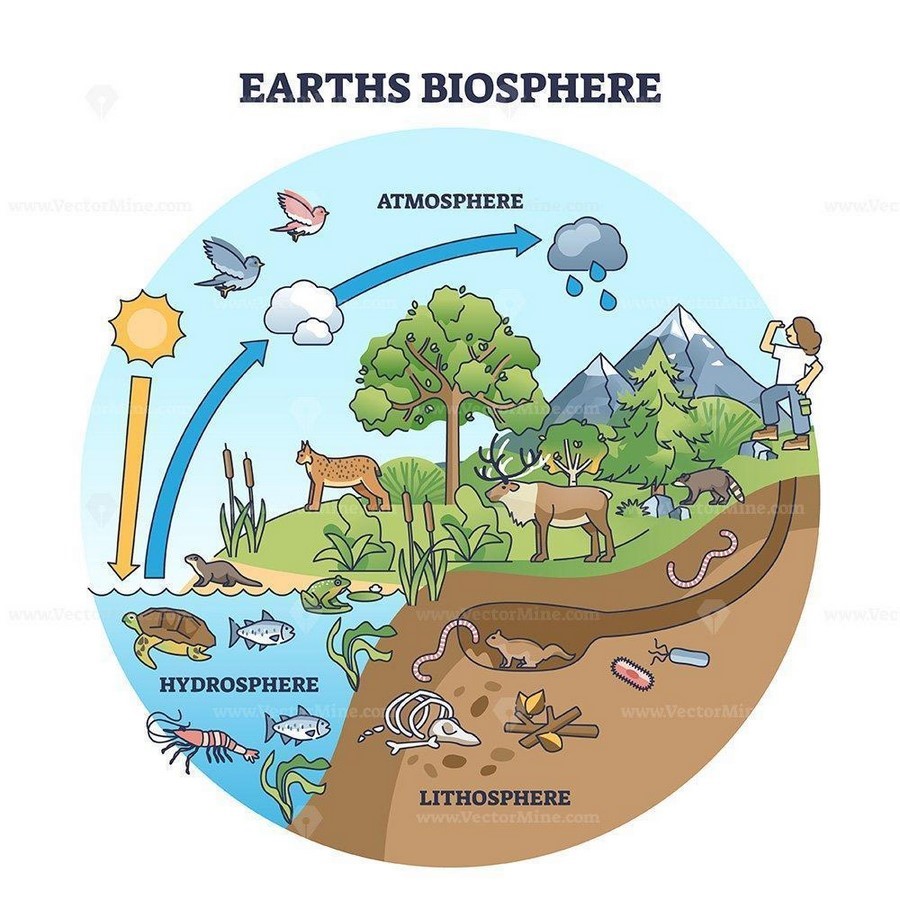
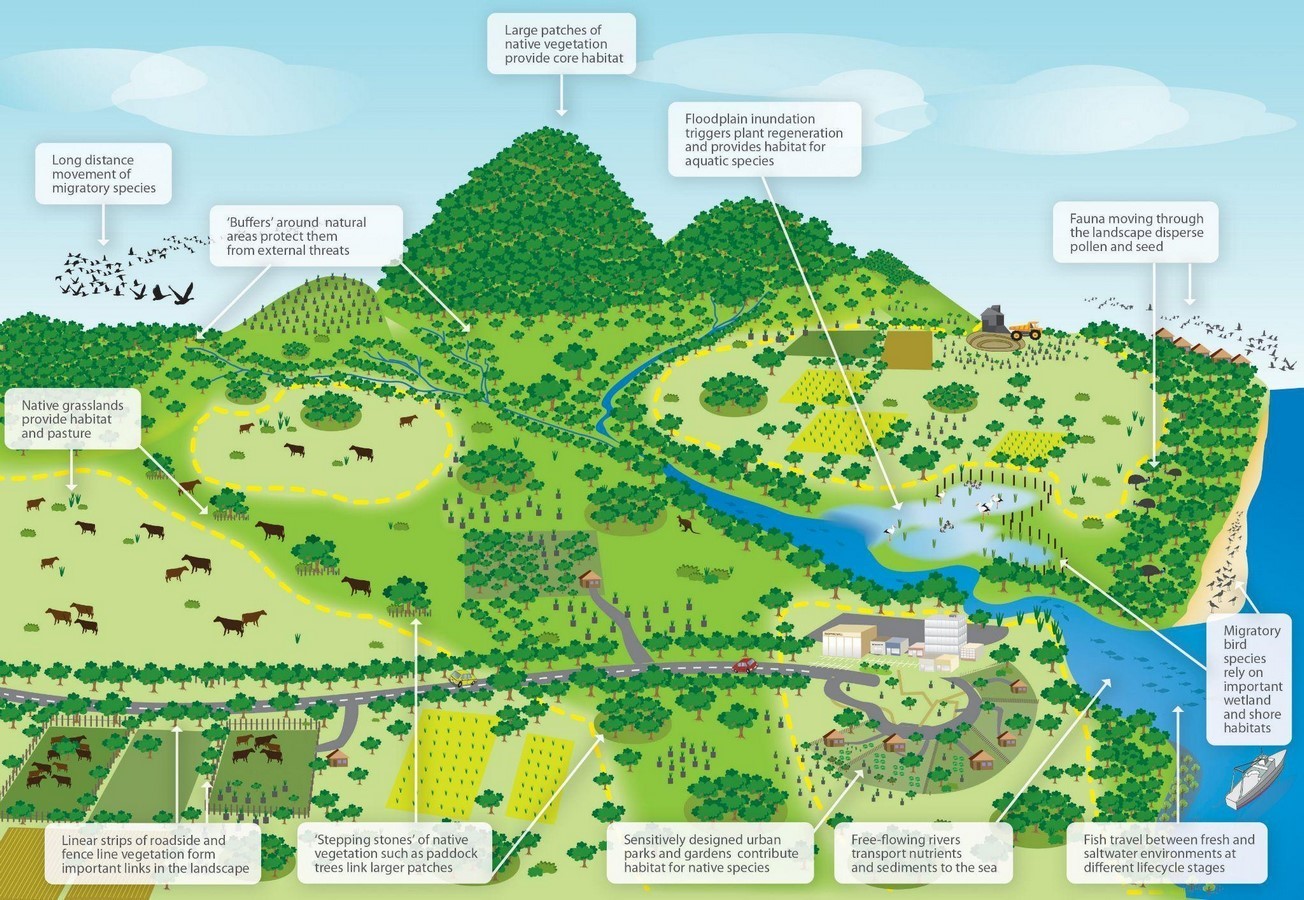
The ecosystem, as known, is cardinally composed of three elements, namely, the lithosphere or the land and rocks, the hydrosphere or the water bodies, and the atmosphere or the airspace which ultimately creates a ‘Biosphere’ wherein wildlife and flora thrive in harmony. It presents a medium for plants and organisms to interact with each other, the abiotic and physical features of the region, to create a space aptly called the ‘Ecological Community.’ Several such communities exist, and based upon the abundance and diversity of species found there, they are assigned different typologies such as grasslands, forests, and wetlands. Another important aspect, which is ‘Ecological Corridor’ describes the path or geographic stretch of land occupied by different ecological habitats comprising of a plethora of flora and fauna, wherein any kind of perturbrations in the form of progress or constructions could lead to habitat fragmentation, a crucial, hotly contested environmental predicament. Such fragmentation, which could be the result of the continuing land use for agriculture, industries, and housing, could functionally disconnect habitats and render them vulnerable to extinction. Designers are therefore invested with the onus of identifying such gaps and looking for scope to restore them to their former functions.
Typically, there are certain biological attributes of site planning and analysis that cover ecological communities, wildlife, and trees, irreplaceable and integral components of the living systems. In the case of trees or plants, they are almost omnipresent and a powerful weapon in landscaping and health-related constructions, both psychologically and physiologically. Trees are invaluable components of any design or project, not only providing shade and screening unnecessary views and noise, but also serving as windbreaks, focal points, and visual amenities. They bring rain, stabilise soil, and provide facial enclosure, while also demarcating spaces and filtering harsh daylight and glare. Coming to wildlife, it is crucial to note that most populations of species are naturally discontinuous and gradually decreasing. They are prone to local extinctions, migrations, colonisations, and reproductions, processes which simultaneously influence different habitats, plant lives, and other organisms. Any deliberate or inadvertent disruptions in the communities could introduce alien species or exotic species which are non-native and harbour the power to pose threats to indigenous species, potentially wiping them out. Therefore, only with extensive research and deliberations, should any changes or additions be made while constructing buildings in green sites or landscaping parks or urban forests.
A Case of Constructions in Wetland Regions
Wetlands are areas where soil tends to have a higher percentage of water present, which could either be permanent or seasonal. They are swampy areas often lined with mangroves and found close to delta areas or similar large water sources. Based on the type and source of the water available, they can be classified as estuarine, riverine, lacustrine, or palustrine. They can also be differentiated based on the availability of hydrophytes, or the plants which grow in water, and hydric soil, a soil which is permanently seasoned or saturated with water. Mangroves or wetlands possess a great deal of significance in the ecological make-up, often heralded as the ‘Sponges of Cities,’ given their ability to drain water from cities and prevent possible flooding and wreckage. Wetlands are natural water purifiers and storage reservoirs that stabilise shorelines and protect habitats. They are also considered to be ‘carbon sinks’ for they process carbon and other nutrients or pollutants and support the healthy growth of plants and animals.
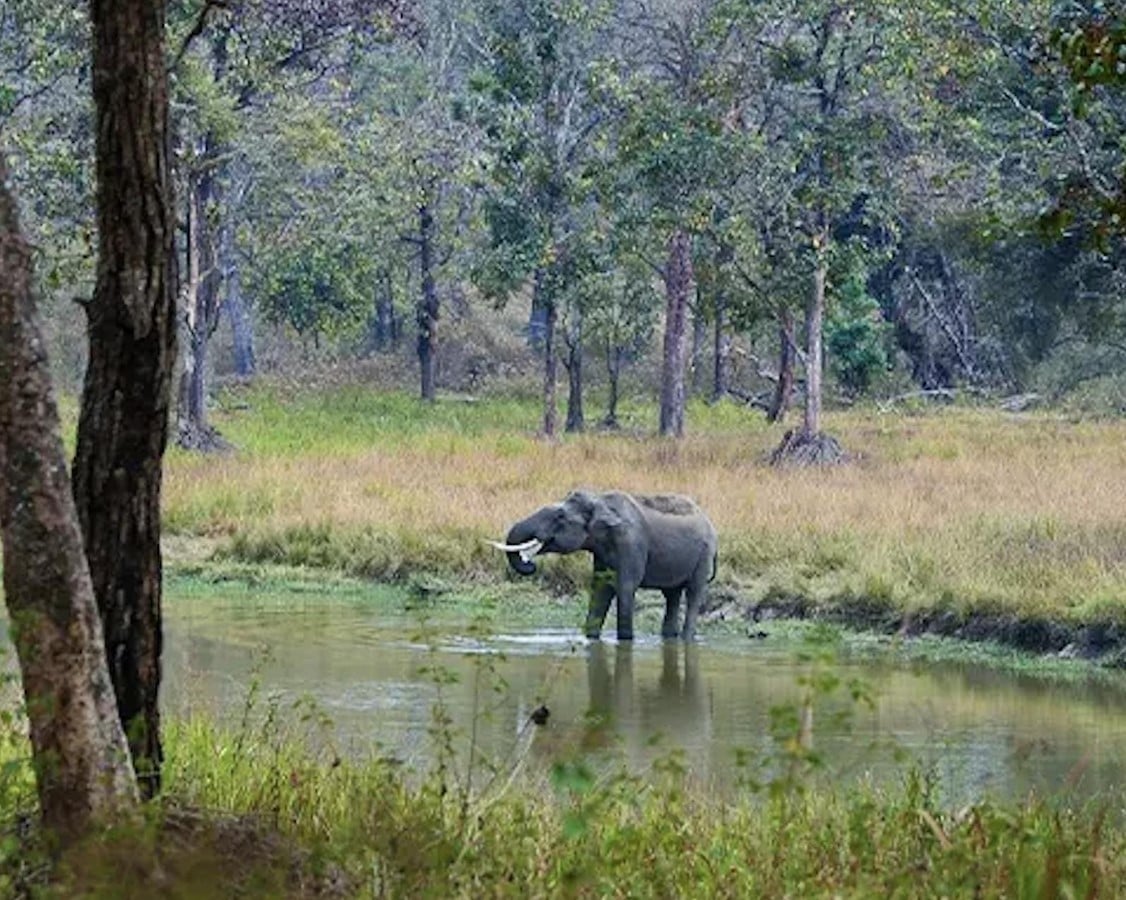
Taking up the case of Wayanad, a town in the state of Kerala, which rests its residences and commercial precincts on the fickle-water intense soil of the marshy wetland, finds itself periodically affected by the evil of floods and landslides. Despite being designated as an Ecologically Sensitive Zone (ESZ) by the government, consistent efforts need to be taken to curb the construction of buildings and other activities that could destabilise the soil, contribute to climate change, and make it susceptible to destruction.
Integration of Ecology in Design
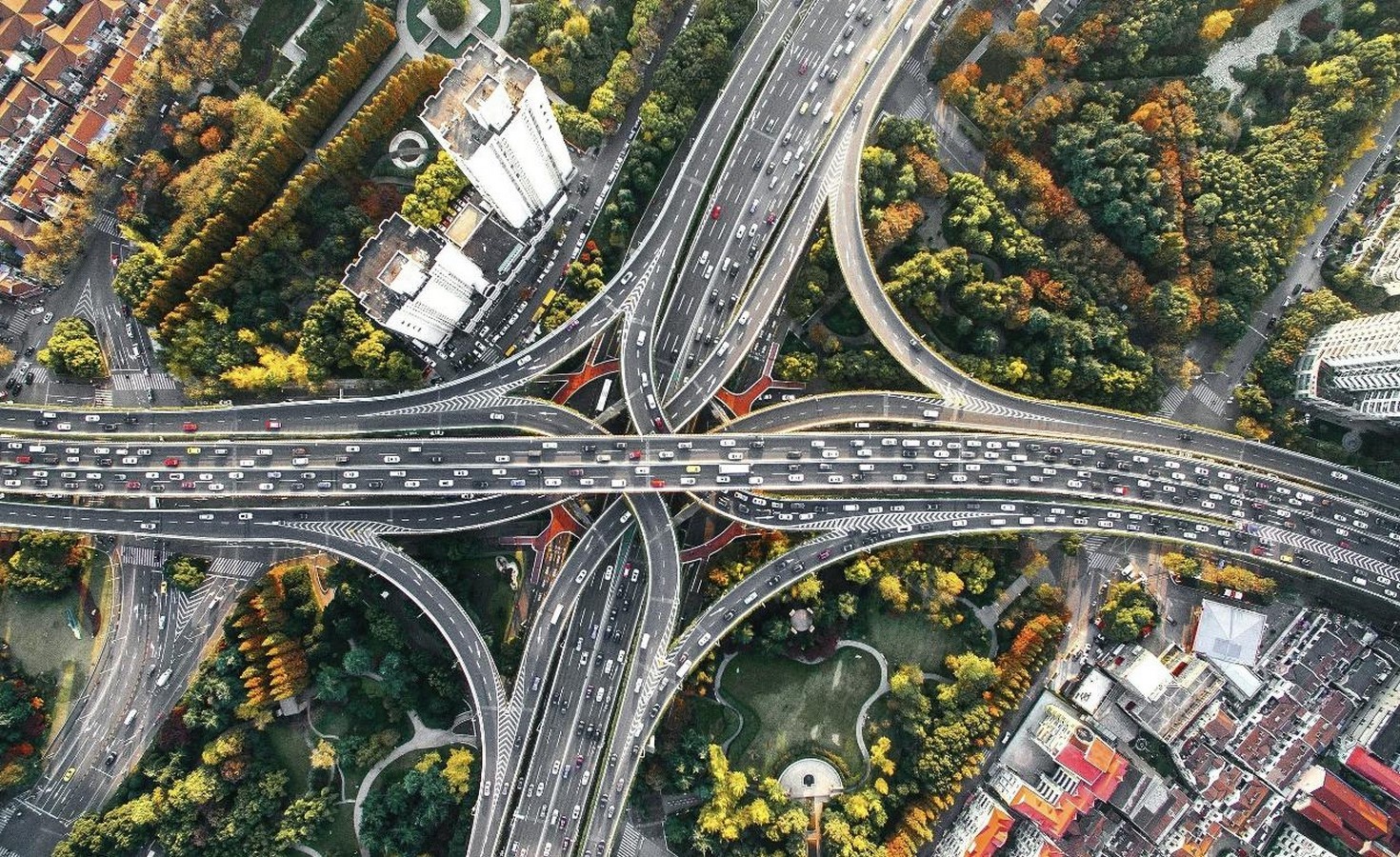
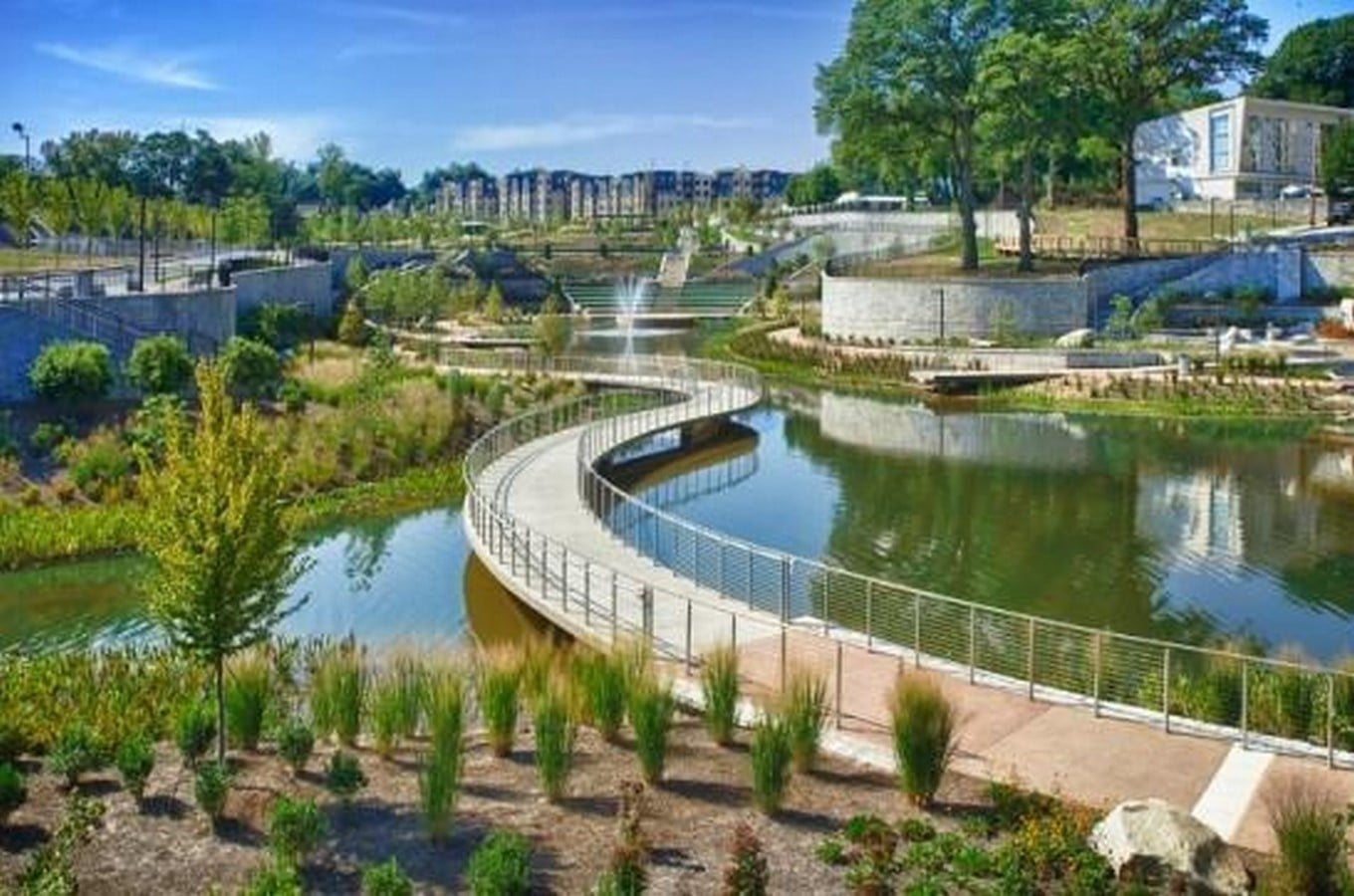
Inferring from the above stated data and extrapolations, it can be established that, in a way, design must align with the principles of nature and the ecological boundary to maintain a balance in biodiversity and greencover. Design must embrace physical features and bestow provisions for them to thrive alongside the built environment, rather than placing rigid forms of concrete and stone and expecting them to blend and foster communities. As the need for more habitable spaces increases, the integration of ecologically sensitive, sustainable architecture comes into the picture, urging designers to respect and take cues from nature. Creating a synchronous connection with nature is the need of the hour, steering through the mitigation of climate change, global warming, biodiversity loss, and resource depletion, to build systems that cultivate a healthy relationship between humans and other organisms. All this can be achieved by integrating principles such as engagement of natural ecosystems, water conservation, efficient navigation and transportation planning, and resource sensitivity.
An Intentional Reinforcement of Ecological Boundaries
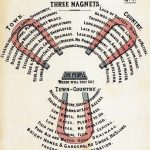
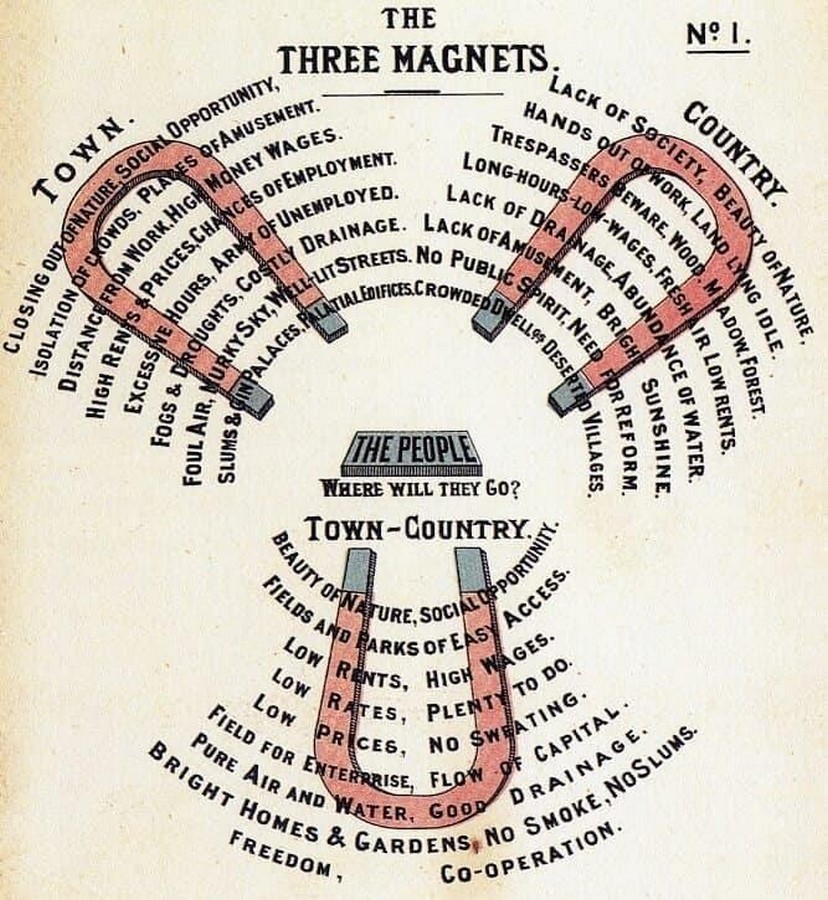
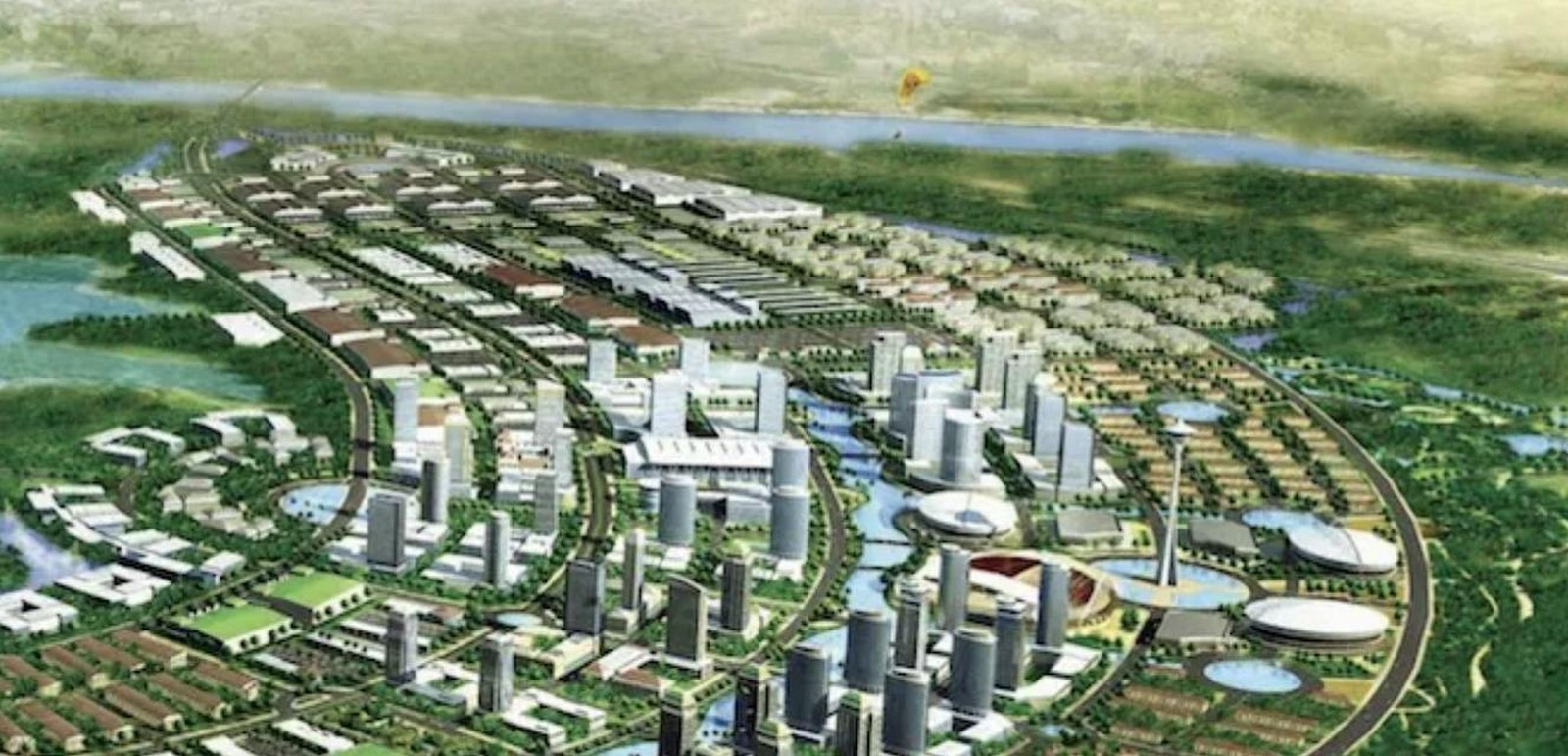
Ecological boundaries, sometimes instead of being altered or removed from, can be made as an addition in urban planning and designing of systematic townships and cities. One such application is the ‘Garden City Movement,’ given by Sir Ebenezer Howard in 1898. He stipulated that such cities would be magnets, which are to be carefully planned with green belts and corridors, designated areas for agriculture, residential buildings, and hubs for commerce. Garden cities came as a blessing for those areas plagued by the amplifying shadows of industrialism and pollution. It supported the idea of creating larger green forest belts around central cities and towns as a transition and a physical boundary between two different geographical locations. This not only simplified urban design and gave rise to satellite towns with polycentric frameworks, but positively contributed to the natural environment, establishing new ecological habitats and ultimately continuous ecological corridors.
Given below are the references in harvard citations:
Ozen, S. and Ozen, S. (2025). Understanding Ecological Boundaries of Urban Design for Sustainable Cities. [online] illustrarch. Available at: https://illustrarch.com/articles/50060-ecological-boundaries-of-urban-design.html [Accessed 13 Sep. 2025].
Planning Tank (2020). Garden City Movement by Sir Ebenezer Howard | Planning Tank. [online] planningtank.com. Available at: https://planningtank.com/planning-theory/garden-city-movement.
Bureau, T.H. (2024). Wayanad landslides: Formation of regulatory bodies sought to rein in construction projects in hilly regions. [online] The Hindu. Available at: https://www.thehindu.com/news/national/kerala/wayanad-landslides-highlight-need-for-stricter-environmental-regulations-environmentalists/article68489311.ece.
PMF IAS. (2019). Ecotone: Edge Effect, Edge Species and Ecological Niche. [online] Available at: https://www.pmfias.com/ecological-niche-ecotone-edge-effect/.
CADENASSO, M.L., PICKETT, S.T.A., WEATHERS, K.C. and JONES, C.G. (2003). A Framework for a Theory of Ecological Boundaries. BioScience, 53(8), p.750. doi:https://doi.org/10.1641/0006-3568(2003)053[0750:affato]2.0.co;2.
Kiplimo, E. (2025). Ecological Boundary.edited. [online] Scribd. Available at: https://www.scribd.com/document/374109127/Ecological-Boundary-edited [Accessed 13 Sep. 2025].