A Tale of Arctic Ingenuity
Picture yourself as an Inuit hunter on an exposed sea ice expanse at -30 °C.
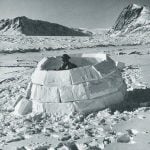
As night falls, you realize that you need to find shelter quickly. With just a snow knife and centuries of ancestral knowledge, you begin carving blocks from a snow pile, stacking them into a huge dome. Moments later, a gentle pour of meltwater between each block freezes into ice, binding the structure into a solid shell. Voilà! an igloo, warm, windproof, and ready to protect you through the Arctic night. The “ice lens” is the incredible secret behind Inuit ice houses. This innovative feature, refined over generations, exemplifies sustainable design and provides warmth and shelter in the harshest climates.
Snow’s Secret Strength
A single snowflake dances down from the sky. Delicate and ephemeral. Imagine multiplying that by trillions. Relentless katabatic winds compact these flakes into a solid mass known as “knife snow.” Under pressure, the ice crystals interlock like microscopic jigsaw pieces, trapping up to 95% air by volume. This airy network provides igloo walls with astonishing insulation, comparable to modern polyurethane foams (Transun, 2019). When carved into 30–60 cm blocks, this wind-sculpted snow becomes both the building materials and insulation for the Arctic’s most iconic shelters.
However, snow’s secret strength is deceptive. Fresh, fluffy flakes cannot bear weight; only the wind-hardened drifts can produce blocks strong enough to support an entire dome. The Inuit learned to read these drifts, identifying layers made by storms days earlier, and turning a lethal landscape into a natural building supply.
The Invisible Mortar
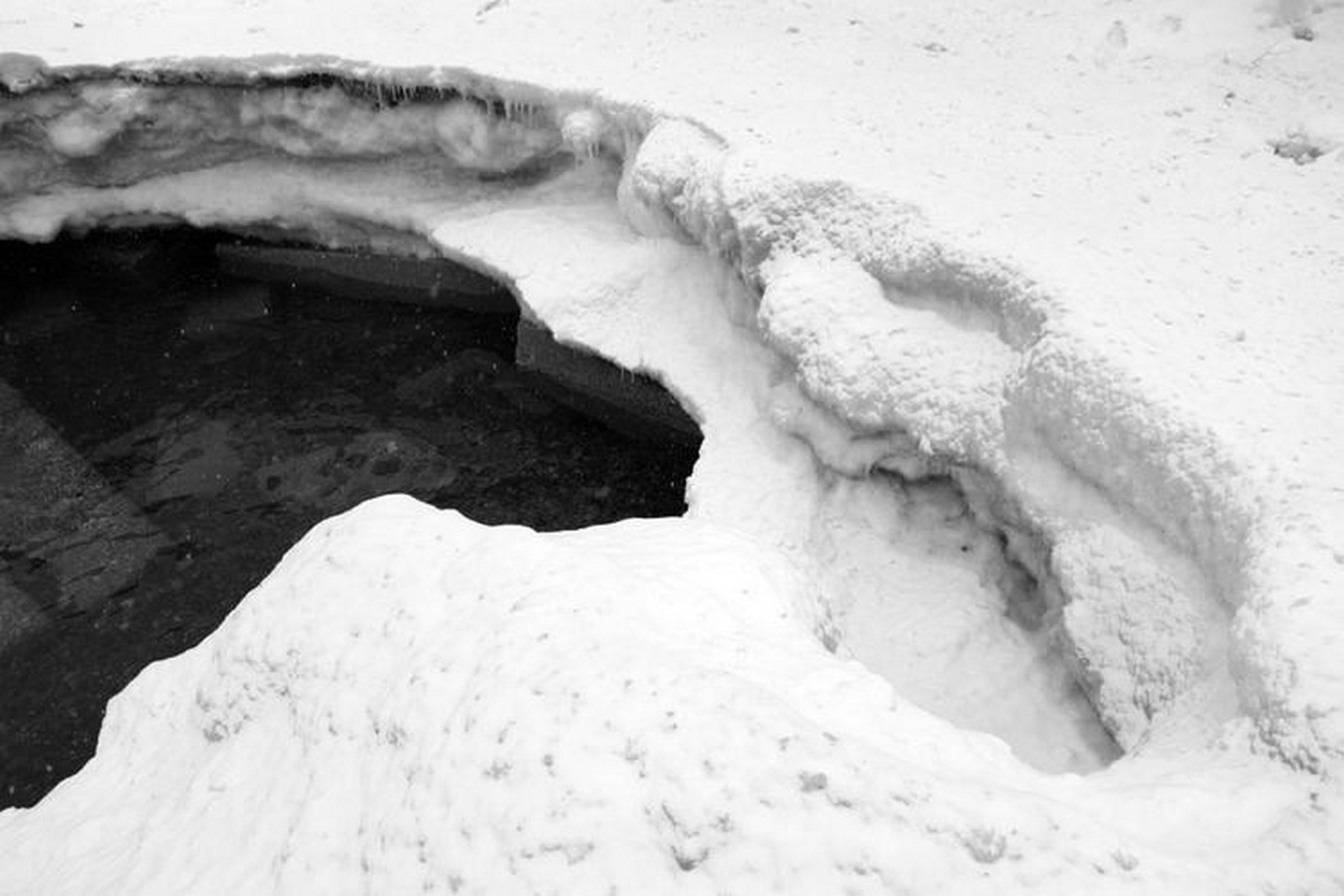
Most buildings rely on materials like mortar, nails, or beams, but the igloo’s unique design eliminates the need for all three. As each block is placed, the builder pours a thin ribbon of meltwater along the joint. In the frigid air, this water instantly freezes, forming an “ice lens”. A clear, transparent binding material that connects each block to its neighbor. This invisible yet strong bond fills in microscopic gaps, preventing drafts and allowing the dome to function as a single, unified structure.
This low-tech solution is remarkably environmentally friendly: water, the simplest bonding agent, expands as it freezes, creating a tighter fit. Unlike synthetic adhesives that may degrade over time or wooden pegs that can rot, the ice lens is self-renewing with every freeze-thaw cycle, perfectly in tune with the rhythms of the Arctic.

Tools of the Inuit Trade
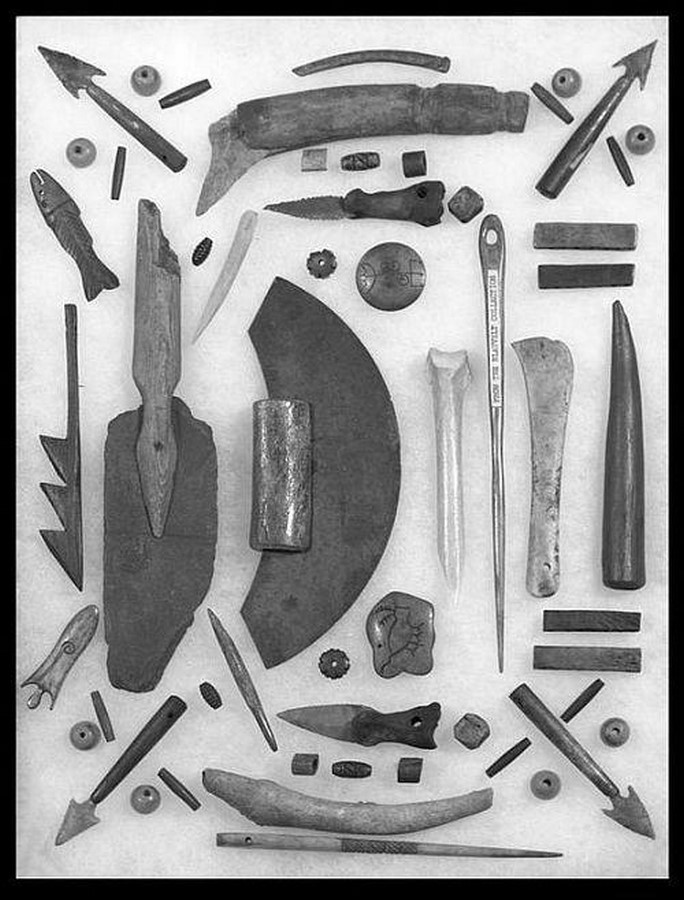
Snow Knife: Traditionally carved from driftwood or antler, modern builders often opt for lightweight aluminum blades. The knife features a straight edge and pointed tip, allowing for precise cuts through compacted snow and producing clean-faced blocks.
Block Molds: In some communities, simple plastic bins measuring approximately 38 cm × 20 cm × 8 cm are used as molds. Holes drilled into their sides enable builders to release perfect rectangular blocks of snow in a single lift, increasing production to as many as four blocks per minute once the workflow is established (Instructables, 2018).
Water Containers: Seal-skin pouches or hollowed-out ice vessels are used to hold meltwater. A gentle squeeze delivers a fine stream, while a small snow brush, made from bundles of grass or animal hair, sweeps away loose powder and applies water with accuracy.
Beyond the tools themselves, the essence of craftsmanship lies in the embodied knowledge of the builders: knowing when to harvest snow, sensing undetectable shifts in wind direction, and mastering the cadence of cutting, pouring, and stacking.
A Journey into Igloo Construction
Building an igloo is a skillful art that combines technique and the elements of nature.
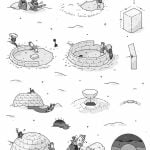
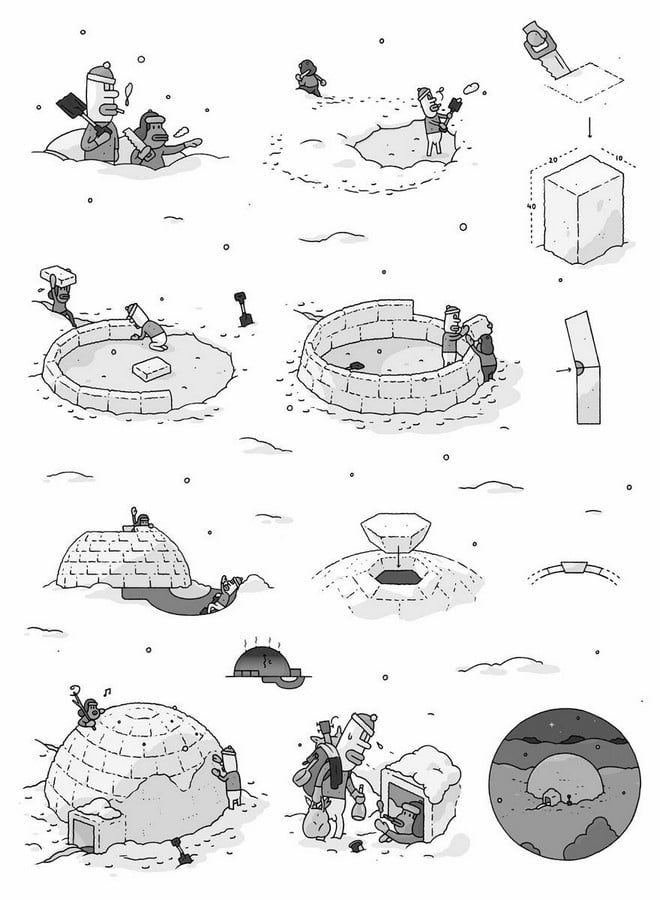
Foundation Trench: The adventure begins with the exhilarating task of carving a shallow trench into the pristine ice, laying a solid foundation for the first circle of our igloo. Each satisfying cut not only promises stability on uneven surfaces but also transforms the icy landscape into a cozy refuge, ready to tell stories of endurance and craftsmanship against the elements.
First Course: Each block is meticulously arranged in a perfect circular formation, standing upright with a slight inward tilt of about 5 degrees. This intentional design isn’t just for looks; it gives the igloo its iconic, self-supporting structure. As sunlight dances off its walls, you can feel the warmth and shelter it promises within, a stunning blend of function and beauty!
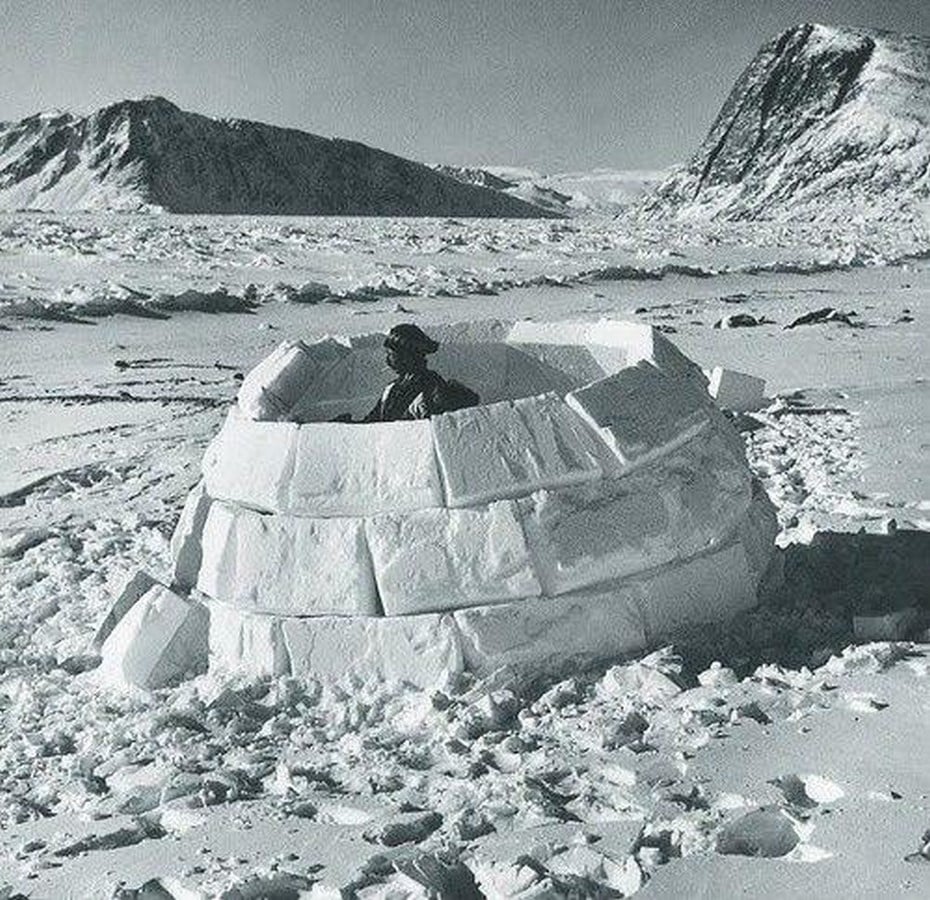
Ascending Helix: As the dome rises, the blocks diminish in size, creating a stunning effect. Skilled artisans carefully arrange them in a spiral, using only the weight of the ice and gravity, no scaffolding or mortar required. Each block presses into the next, locking together to form a sturdy and cohesive structure that showcases the artistry and precision of this ancient craft.
Keystone: The dome reaches its climax with the placement of the keystone, a wedge-shaped block that plays a critical role. Achieving a perfect fit is paramount; too loose, and chilly drafts will intrude, too tight, and the entire structure risks cracking.
Ventilation and Entrance: To ensure a breathable space, a small vent is created at the apex of the dome, which manages humidity and prevents suffocation. The entrance is ingeniously designed; dug below the floor level, it channels cold air beneath the living area, preserving warmth while keeping the icy winds at bay.
Witnessing this blend of precision and craftsmanship transform simple snow into a warm haven is nothing short of magical. In under 30 minutes, a skilled team can create a fortress of comfort, showcasing the incredible potential of the elements (Transun, 2019).
The Art of Warmth
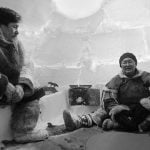
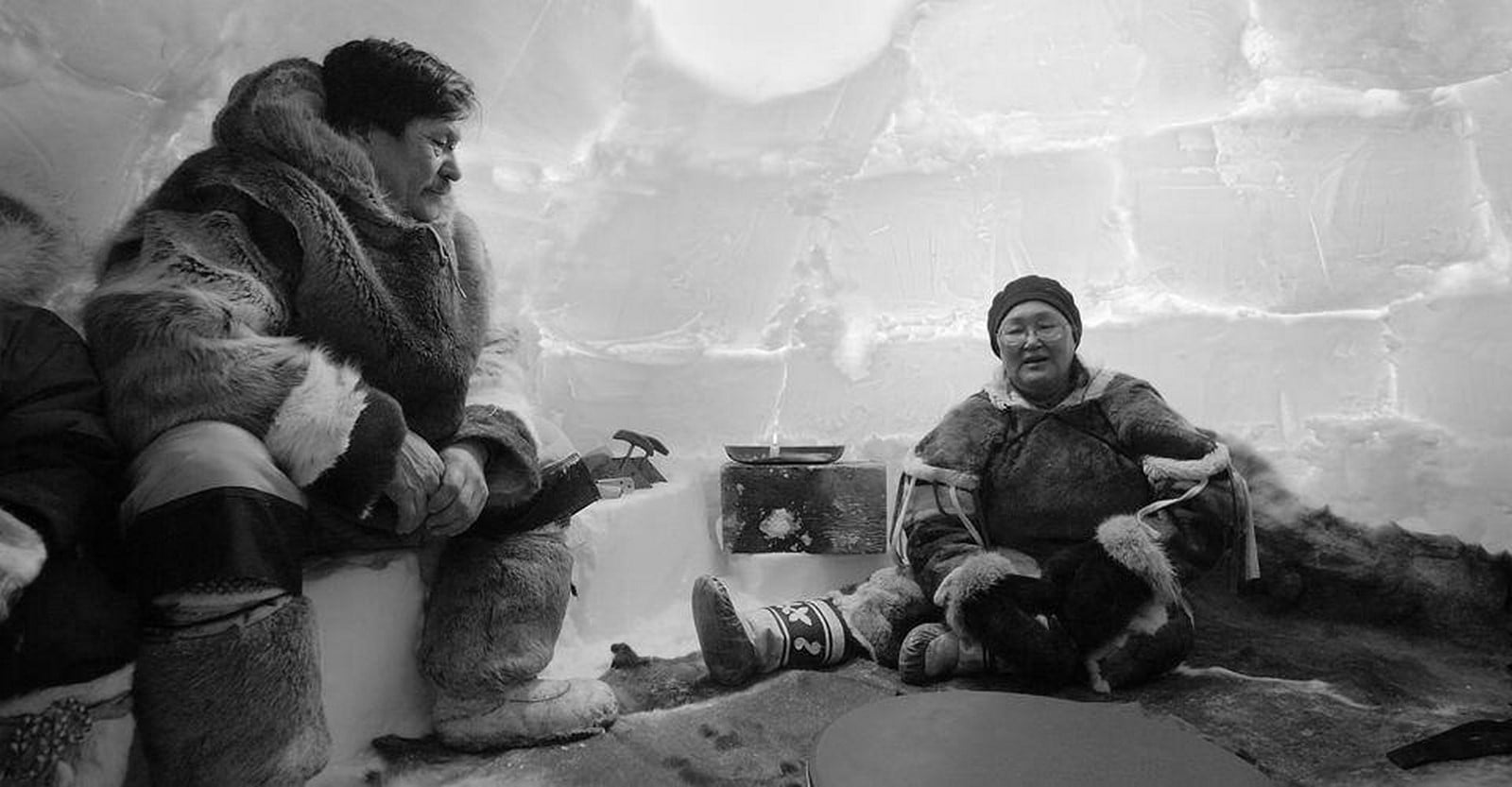
Step into this enchanting ice cathedral and be captivated by the stark contrast of your surroundings. Outside, the temperature plummets to a bone-chilling -45 °C, yet inside, you find a cozy haven hovering between 0 °C and 5 °C (Instructables, 2018).
This thermal miracle results from nature’s ingenious design. The trapped air between snow crystals acts like thousands of tiny thermoses, resisting heat loss, while the gentle glow of a qulliq lamp and your own body warmth create a snug atmosphere. Terraced platforms capture rising heat, and a cleverly designed lower bench channels residual cold beneath your feet. Draped in soft caribou or seal skins, you’re embraced by insulation, turning this icy hollow into a luxurious retreat fit for royalty. Here, amidst the chill of winter, comfort dominates.
Community and Culture
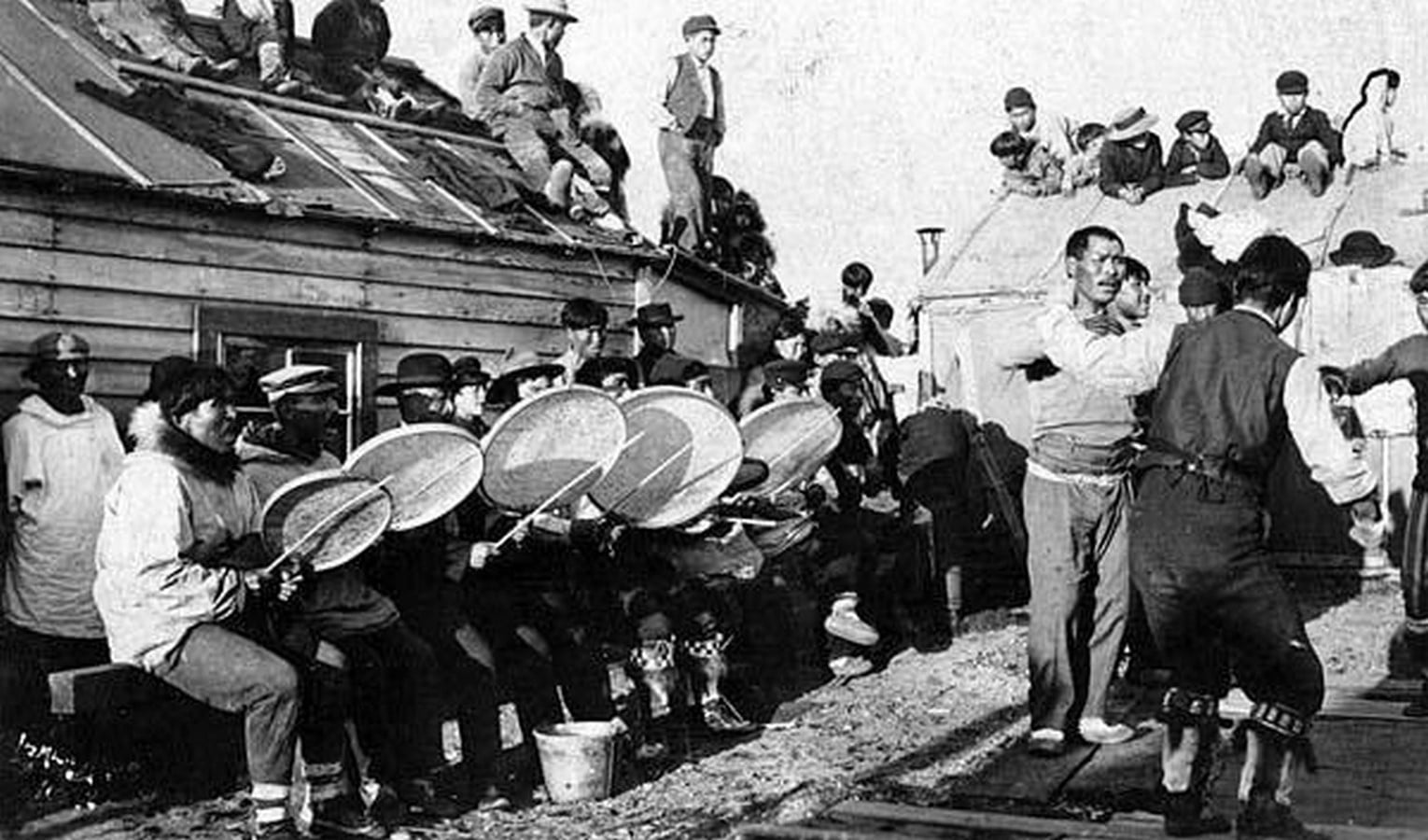
Igloo building in Inuit communities is a lively mix of practical skill, culture, and community spirit. At sunrise, elders head out to wind-packed drifts, spotting the firmest snow for cutting blocks (Transun, 2019). Apprentices follow, using snow knives to slice out each block and brushing on a splash of meltwater that instantly freezes into an “ice lens” to hold the walls together (Handy, 1973).
As the dome takes shape, soft light filters through the snow, and everyone shares stories of great hunts, ancestral spirits, and ice-cap voyages. When the final block fits, families huddle at the low entrance to pass around steaming bowls of seal, caribou stew, or fresh char, each bite a reminder of shared survival and generosity (Field Manual for the U.S. Antarctic Program, 2020).
In winter camps, groups of these domes link up with cool-air corridors, forming honeycomb villages where neighbors drift between iglus like bees, dropping off handcrafted mittens or simply offering a warm smile. When the sun returns, the domes quietly melt away, leaving only footprints and memories. In their brief life, iglus shine as symbols of resilience, teamwork, and the deep care Inuit have for the Arctic land (Wikipedia, 2025a; NNSL News, 2019).
Despite their short lives, igloos stand strong where steel and concrete would snap. In wind-tunnel tests, a perfectly built igloo weathers gusts over 100 km/h, its smooth, curved shape lets the wind flow right over and around it, almost like water skipping off a stone (Field Manual, 2020). Fresh snow acts like extra armor, each flake pressing the ice lens tighter and sealing tiny gaps.
If a crack does open, whether from shifting snow or a sudden thaw, a quick spray of meltwater is all it takes. That water freezes almost instantly, sealing the break like skin knitting itself back together. In a howling Arctic blizzard, this simple, on-the-spot repair can mean the difference between a safe refuge and being exposed to the storm.
The Spread of Arctic Wisdom
Across the world, the ice lens trick and dome shape of the igloo are sparking ingenuity far beyond the Arctic.
Icehotel, Jukkasjärvi (Sweden)
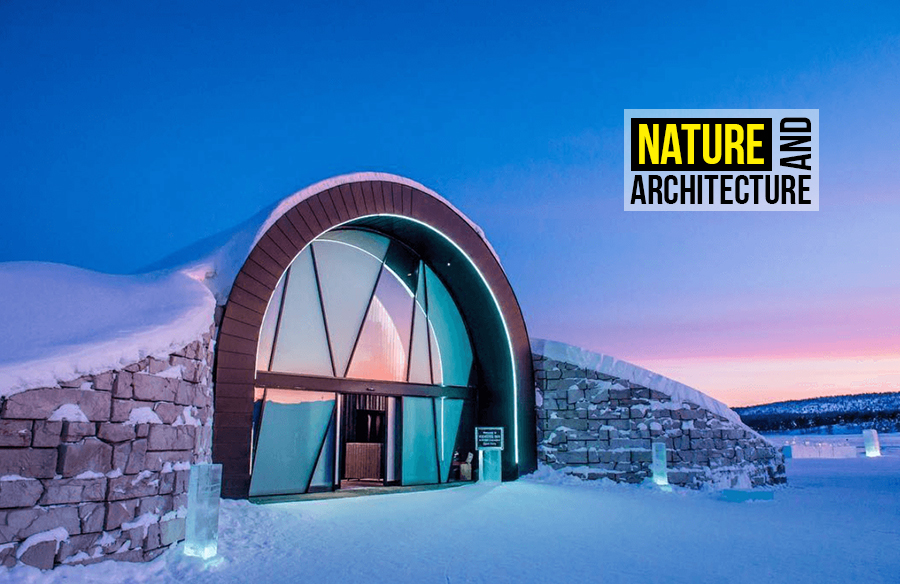
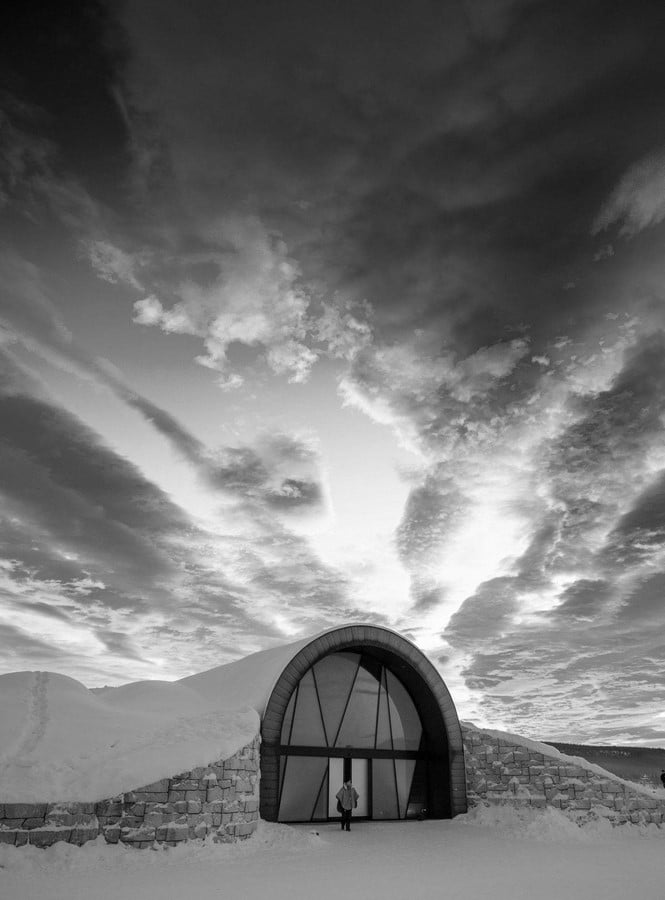
Every winter, artists carve 30,000 m³ of Torne River ice and snow into hotel rooms, bars, and chapels, sticking the blocks together with meltwater just like Inuit builders do. When spring melts the hotel away, it returns to the river. (Icehotel, 2025).
Icehotel 365
By adding solar panels and heat exchange, this next‐generation version stays open all year. It blends the ancient freeze‐bonding method with green energy, proving that centuries‐old wisdom can help tackle today’s sustainability challenges.
Biomimetic Domes
Scientists designing polar research stations borrow the igloo’s self‐supporting arch. These curved shelters use minimal materials and energy, mirroring how an igloo’s shape distributes weight and sheds wind.
Emergency Snow Shelters
Aid groups testing high‐altitude snow huts use the same rapid‐build, zero‐waste approach. Within minutes, teams can raise a warm, insulated refuge in places where truckloads of concrete can’t reach (Field Manual, 2020).
These projects show that what started as a life-saving hack in the far North can inspire sustainable, low-impact solutions everywhere, proof that the Arctic’s oldest architecture still has much to teach us.
A Fragile Legacy?
The ice is shifting beneath our feet. Winters that once settled into predictable layers now wobble between thaw and refreeze, turning the wind-packed snow drifts that Inuit builders know so well into unreliable lumps, or worse, slush (Permafrost and Periglacial Processes, 2022).
With each warmer day, a piece of history slips away: the knowledge of carving snug domes, pouring just the right amount of water, and reading the subtle cues in the snow itself.
It’s like watching an old storyteller’s memory fade, unless we step in. That’s why every workshop led by an Inuit elder, every video that captures the sound of a snow-knife slice, and every community archive of histories matters so profoundly.
These are the lessons that make architecture a means to harness resilience and preserve what is left. In preserving the art of the igloo, we’re not just saving a shelter, we’re honoring a bond between people and the land, and ensuring that future generations can still learn how to turn Arctic threats into life-giving refuge.
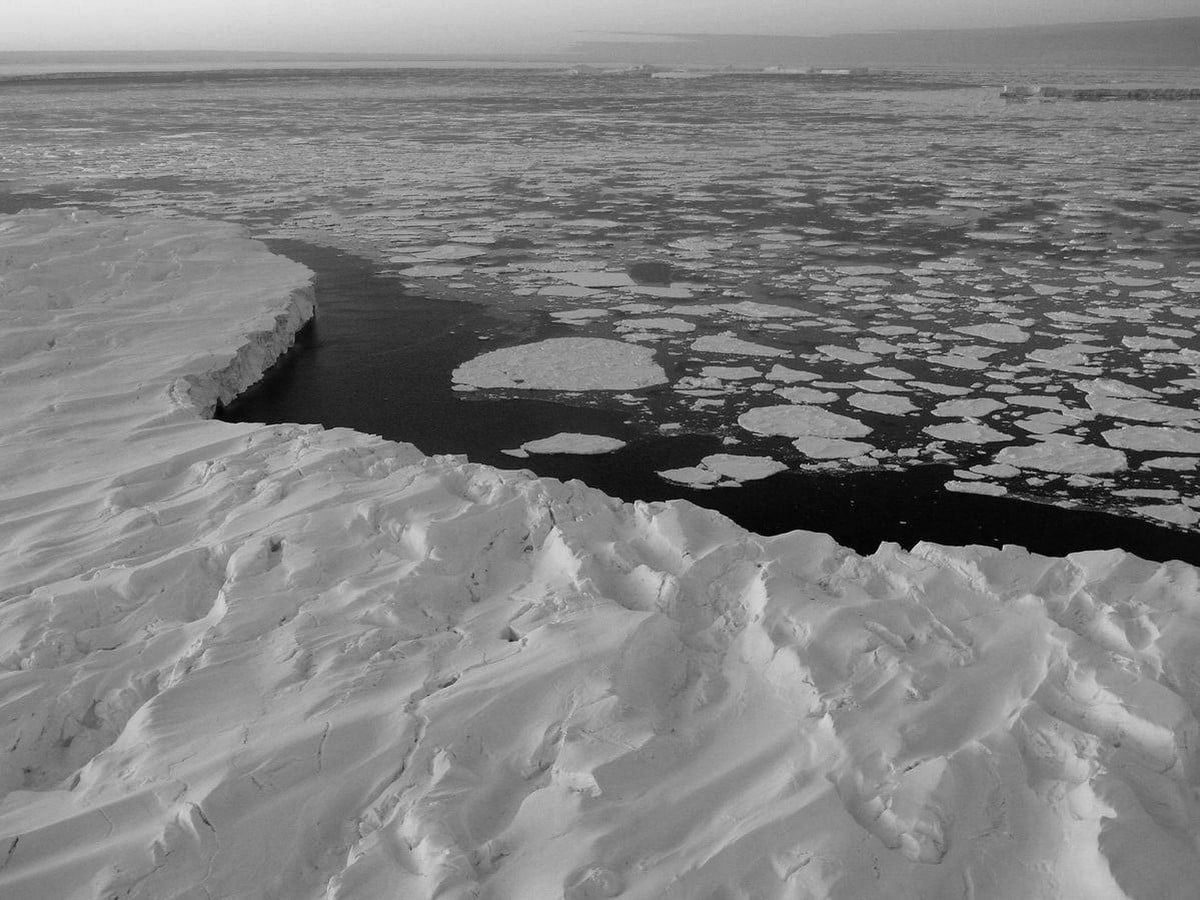
In Inuktitut, igloo (ᐃᒡᓗ) simply means “house” or “home,” consisting of everything from tents to modern buildings, while igloovijaq (ᐃᒡᓗᕕᔭᖅ) specifically denotes the snow-block dome that has come to symbolize Arctic ingenuity.
Here, the very forces that threaten life: biting winds, drifting snow, and frigid air, are transformed into the materials of protection. Wind-hardened drifts yield the sculptable blocks; subzero air forges applied meltwater into the crystalline ice lens; and communal craftsmanship weaves these elements into a sanctuary. In this functional reversal, the cold that once intended to conquer becomes both mortar and insulation, transforming the Arctic’s fiercest adversary into its greatest ally.
The igloo, or more precisely, the igloovijaq, stands as a living testament to resilience, cooperation, and the profound power of working with nature: an enemy repurposed as sanctuary.
References:
Field Manual for the U.S. Antarctic Program. (2020). Snow shelters (Chapter 11). National Science Foundation. Retrieved August 31, 2025, from https://www.nsf.gov/od/opp/antarctguide/pdf/chapter11.pdf
Handy, R. L. (1973). The igloo and the natural bridge as ultimate structures. Arctic, 26(4), 203–210.
Instructables. (2018). Make an Ice Block Igloo: 7 Steps. Retrieved August 31, 2025, from https://www.instructables.com/Make-an-Ice-Block-Igloo
Icehotel. (2025). In Wikipedia. Retrieved August 31, 2025, from https://en.wikipedia.org/wiki/Icehotel
Nunavut News Service. (2019, March 10). Traditional Inuit village under construction in Iglulik. Nunavut News. Retrieved August 31, 2025, from https://www.nunavutnews.com/nunavut-news/traditional-inuit-village-under-construction-in-iglulik-7277341
Permafrost and Periglacial Processes. (2022). Arctic Indigenous knowledge and climate change. Permafrost and Periglacial Processes, 33(2), 101–115.
Transun. (2019, February 14). How does an igloo work & do they keep you warm? Transun. Retrieved August 31, 2025, from https://www.transun.co.uk/travel-features/can-how-does-an-igloo-work
Wikipedia. (2025a). Iglu. In Wikipedia. Retrieved August 31, 2025, from https://en.wikipedia.org/wiki/Igloo
Wikipedia. (2025b). Igloo effect. In Wikipedia. Retrieved August 31, 2025, from https://en.wikipedia.org/wiki/Igloo_effect