Architecture is a proper medium to study the crossing of colonial legacies and post-colonial identities. Colonialism remade landscapes, cities, and culture and left in their aftermath a legacy of control, power, and imposition of culture. In the post-colonial period, states have battled such residues, refused them, reinterpreted them, or re-tasked them to construct identities symbolic of their cultural past and sovereignty.
Colonial Architecture: Imposing Power and Culture
Colonial architecture style was a legacy of an empire to be applied in exercising power and imposing metropolitan tastes upon the conquered. European empires such as the British Empire, French Empire, and Portuguese Empire constructed buildings that were copies of their country of origin design styles, for example, neoclassical, baroque, or Victorian, that tended to disregard local climatic, material, or indigenous conditions. Headquarters to churches were all-powerful symbols, and they were utilized to intimidate and awe native people.
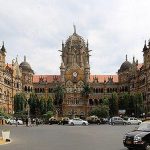
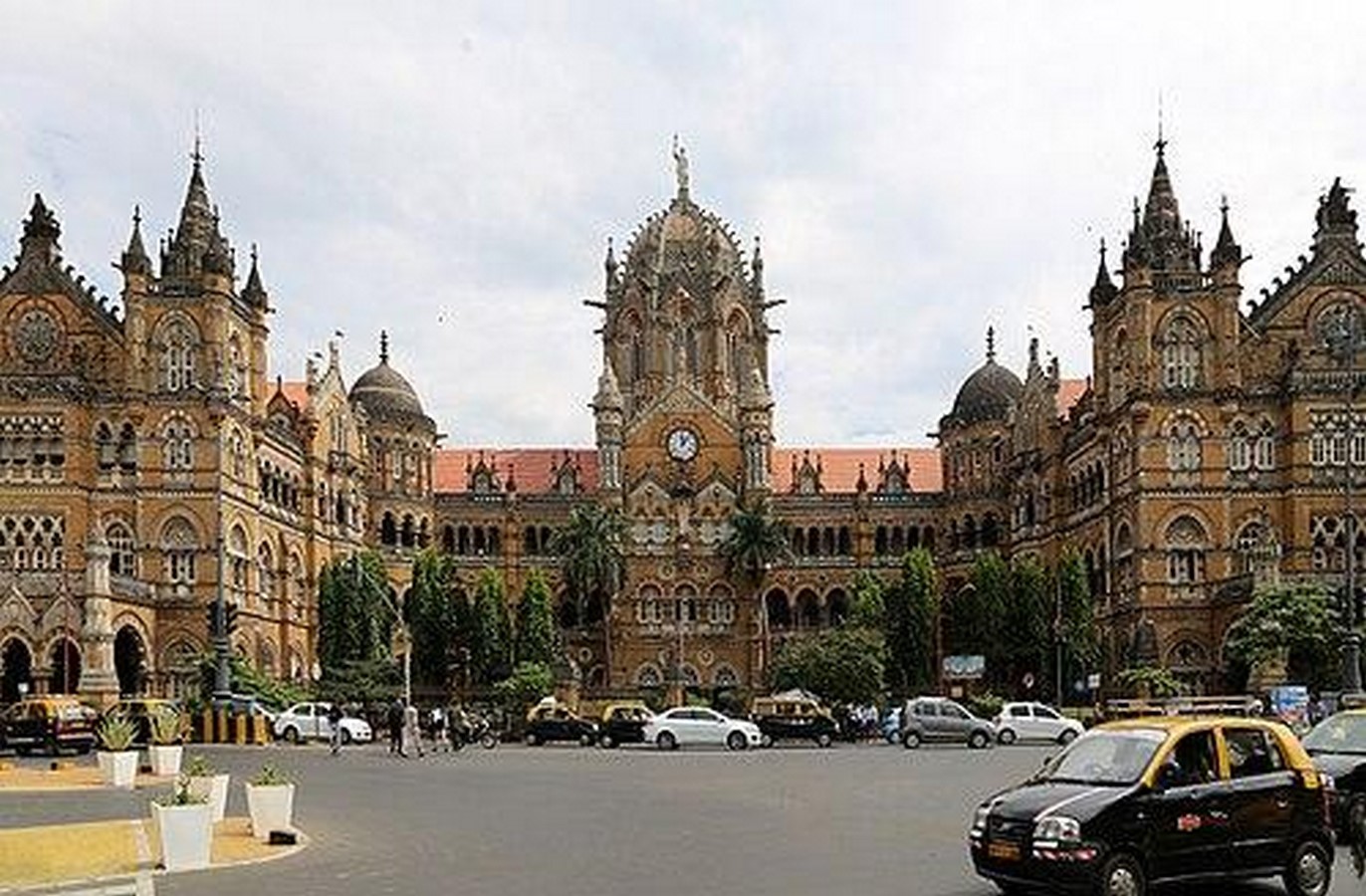
The British Raj left its mark on Indian architecture. Victoria Terminus (Chhatrapati Shivaji Maharaja Terminus) of 1888 at Bombay (Mumbai) is a case in point. Frederick William Stevens designed it, Victorian Gothic and Indian together, and arches and domes borrowed from the Mughals. This eclecticism, as native sentiment finding expression in turn, completely overran the legitimation of British rule through borrowing and reinterpretation of Indian forms by colonial hegemony.
Post-Colonial Responses: Reclamation and Reinvention
National states adopted such forms of architecture of heritage in postcolonial modernity to mediate new histories between the past and modernity. The reactions were proportional to negation, and with them included, all new histories of mediation between past and modern times.
Preservation and Adaptation
The colonial architecture was reinterpreted to fit new national narratives in some cases.
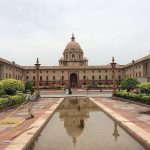
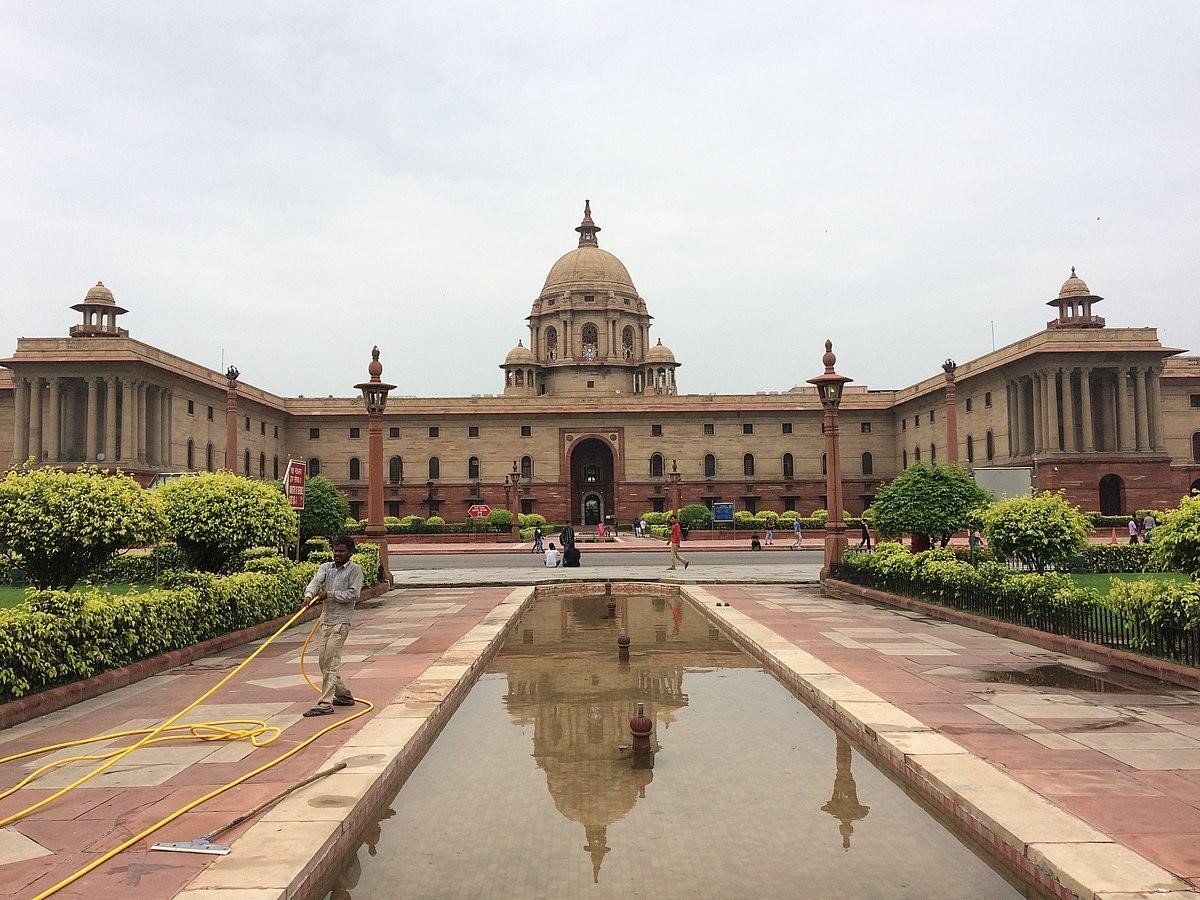
In New Delhi, Rastrapati Bhavan, commissioned by Edwin Lutyens as Viceroy’s House, is now the home of the president. Its neoclassical restraint, alleviated by Indian forms towards the back of the chhatris (canopies) screen, wasn’t desecrated to create a context of continuations and design density for the new state as well. Manipulations such as charting the manner post-colonial states seize colonial legacies with fresh significance.
Rejection and Reassertion of Indigenous Forms
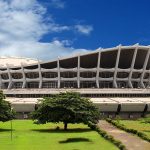
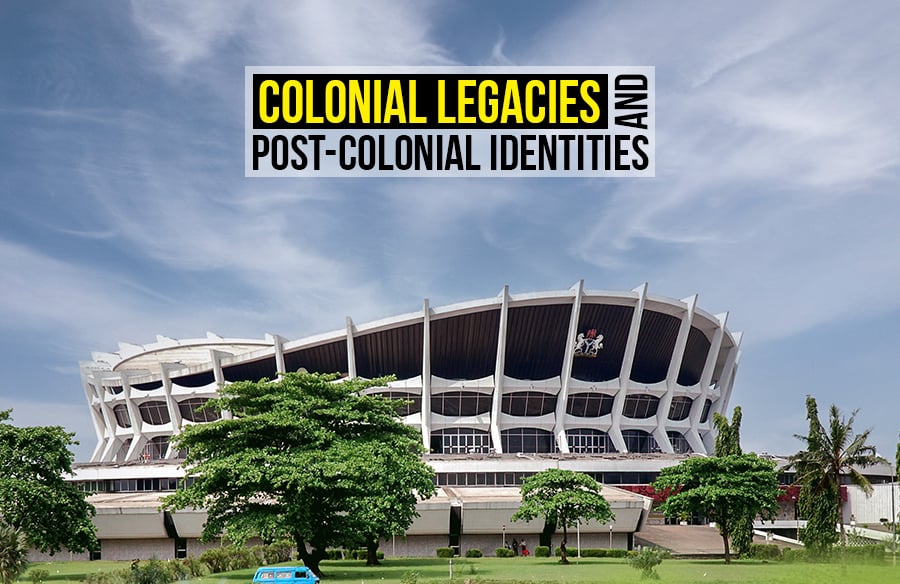
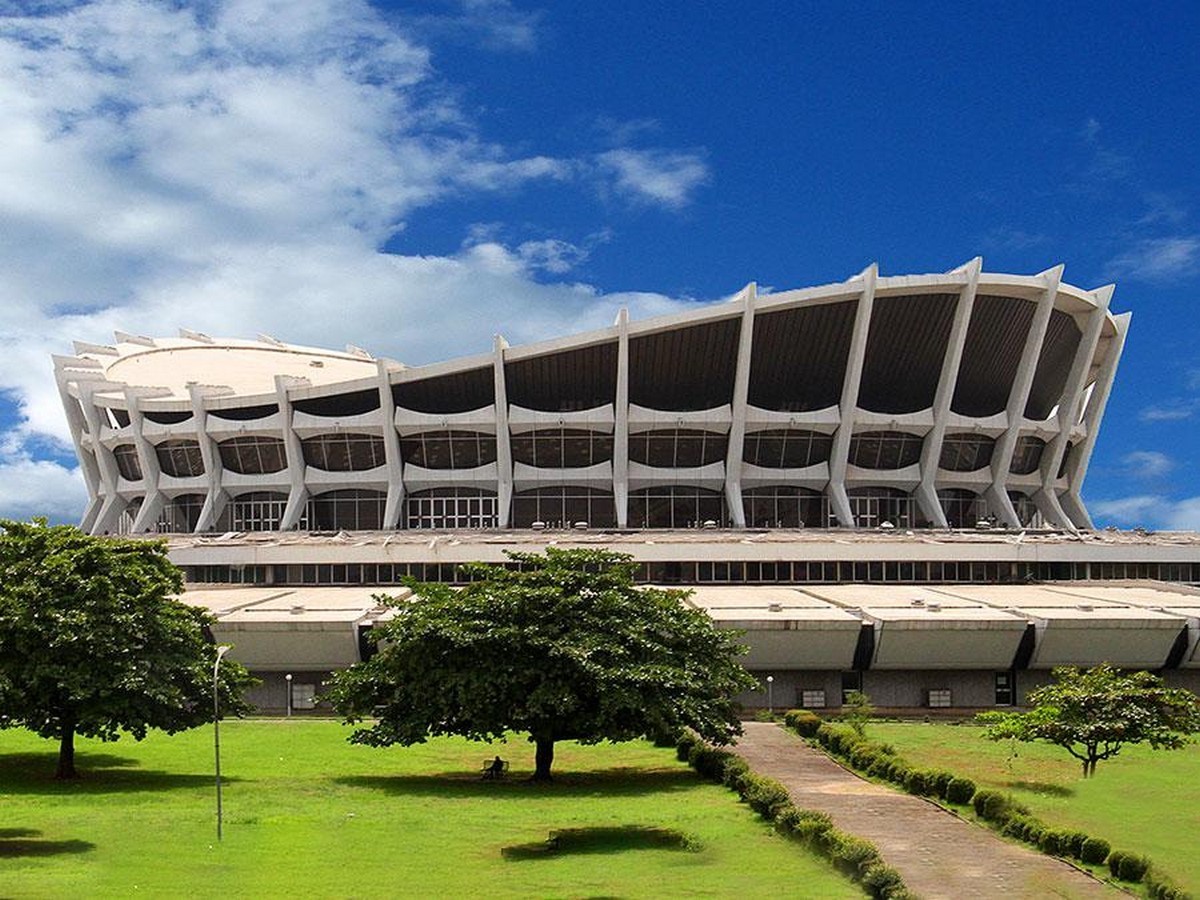
The other architects attempt to divest colonial appearance and assume indigenous or modernist form, declaring cultural identity. Indigenous forms were borrowed by post-independence architecture in Nigeria. Lagos National Theatre, finished in 1976, takes the Yoruba patterns of culture and modernist ideology and divests pre-independence administrative architecture’s colonial neoclassicism. The curved, sinuous geometric form and motifs trace to pre-colonial Nigerian design and make a call for cultural heritage.
Hybrid and Global Influence
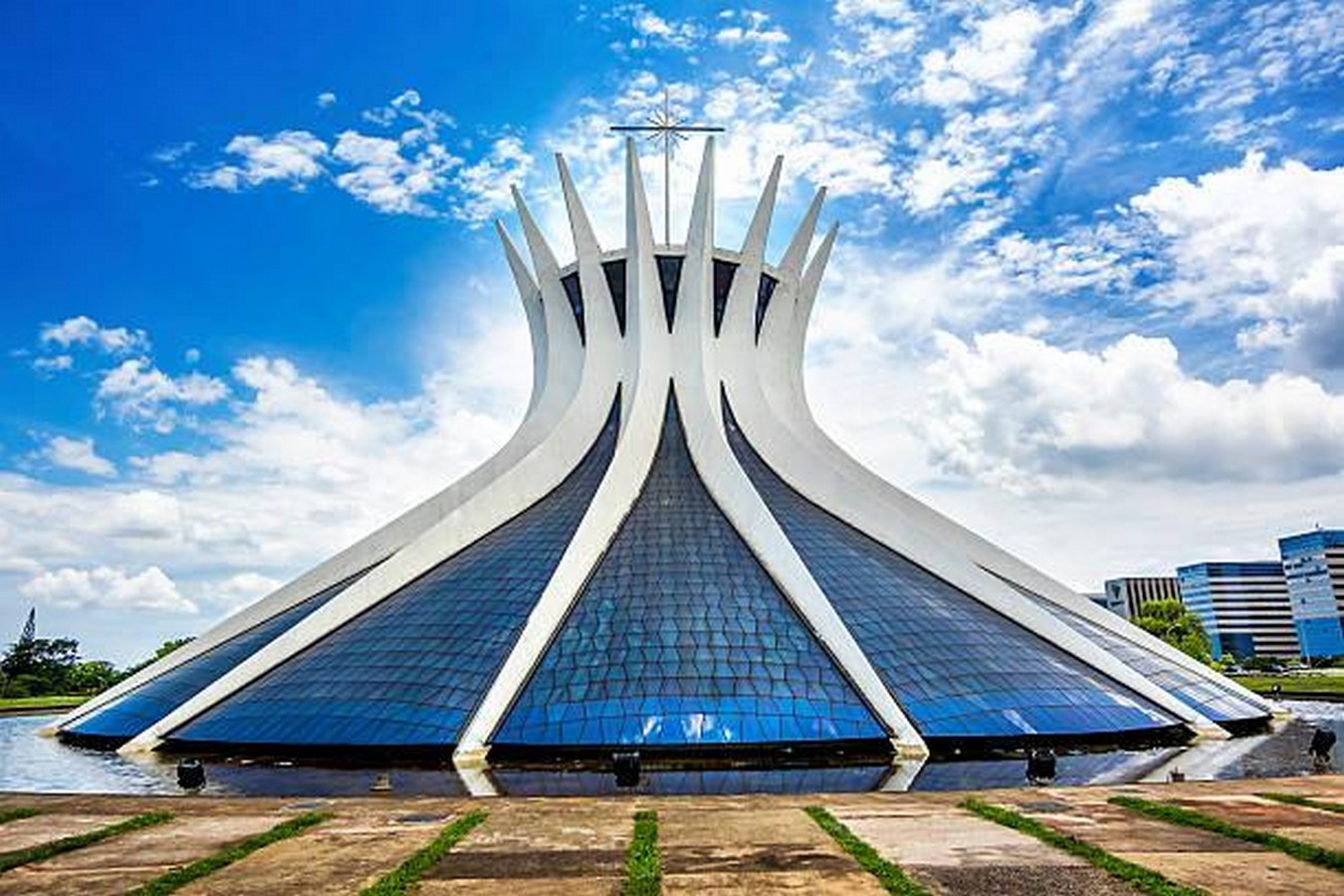
Post-colonial architecture then goes into hybridity, welcoming the colonial heritages and the global and local ones. In Brazil, Oscar Niemeyer’s architecture, i.e., the Brasilia building during the 1950s and 1960s, is a post-colonial desire. The new appearance of Brasilia not only disavowed the Portuguese colonial buildings but also sought modernity to make Brazil a vanguard country. Nevertheless, its huge size and standardized plan also caused criticism for distancing it from indigenous tradition, the complexity of post-colonial identity formation was highlighted.
Challenges and Future Outlook
Colonial architectures are beset with challenges. Conservation of colonial structures is bound to be with memories of oppression, while demolition of the same risks erasing history. To that, globalization and urbanization propel post-colonial countries towards generic western-style architecture at the cost of indigenous identities.
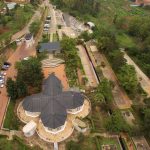
In Rwanda, firms like MASS Design Group incorporate participatory design and local materials in work like the Kigali Genocide Memorial, healing and rebuilding communities through architecture. These moves bring us to a future where heritage and innovation are the post-colonial identity.
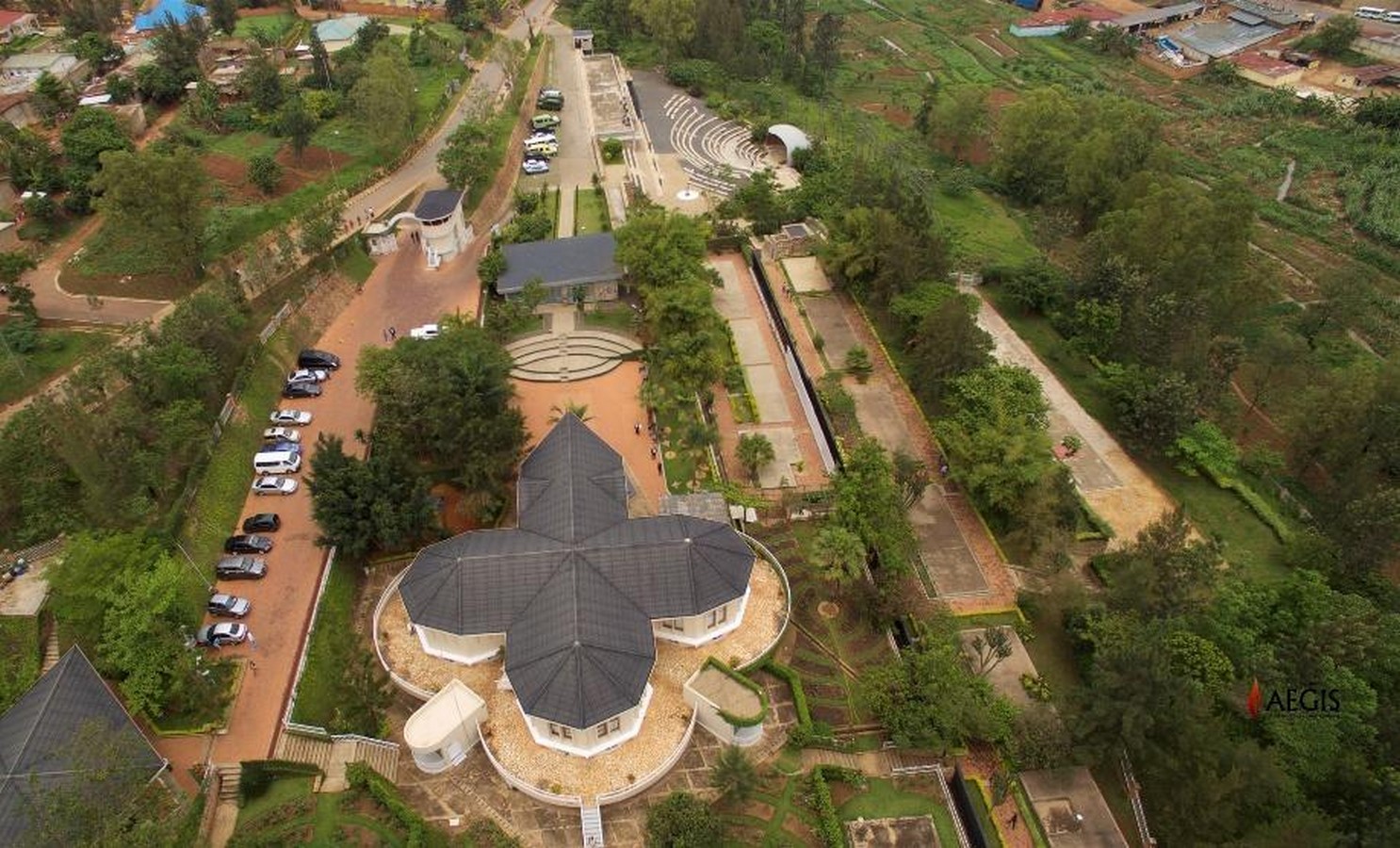
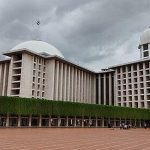
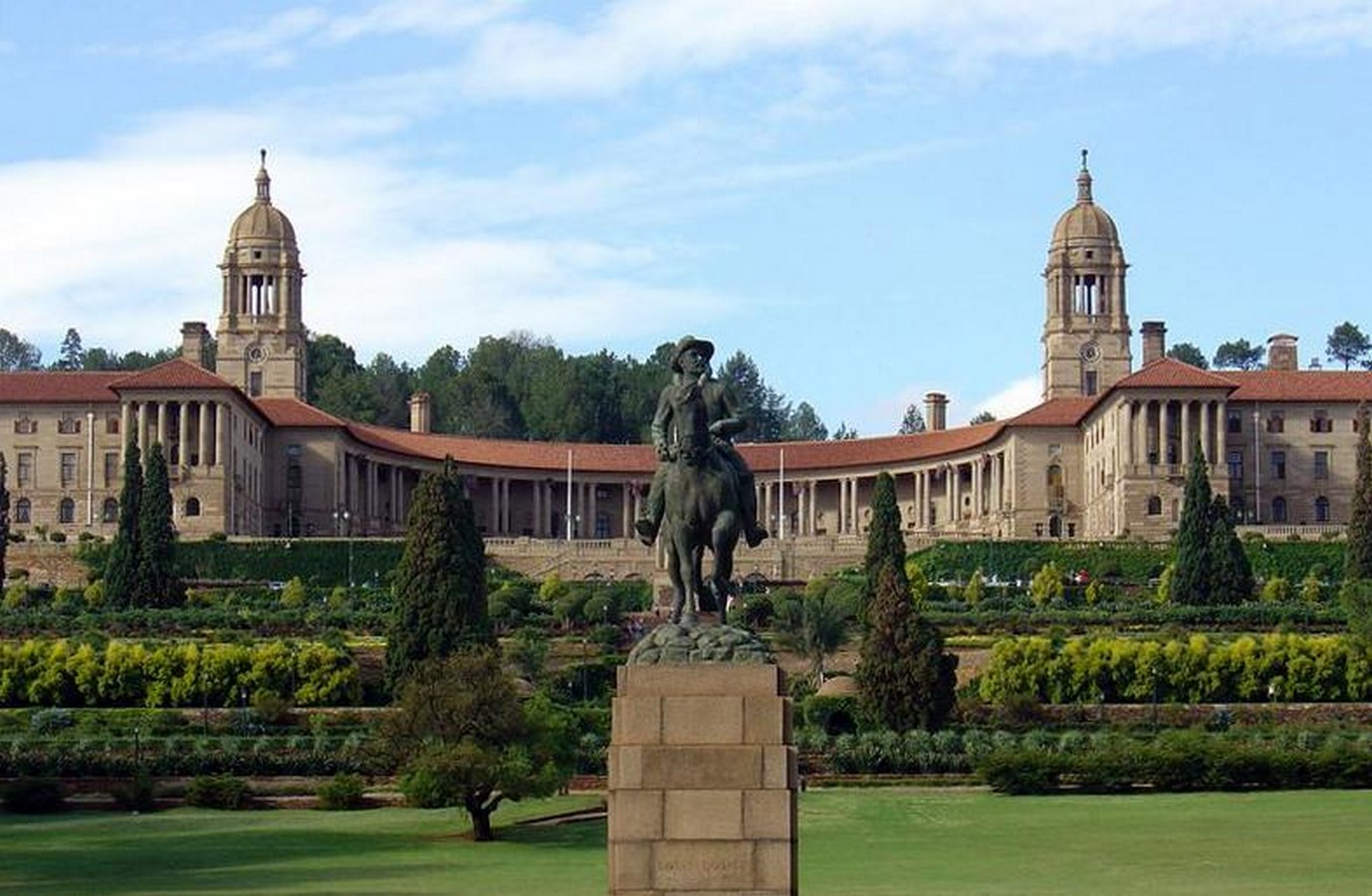
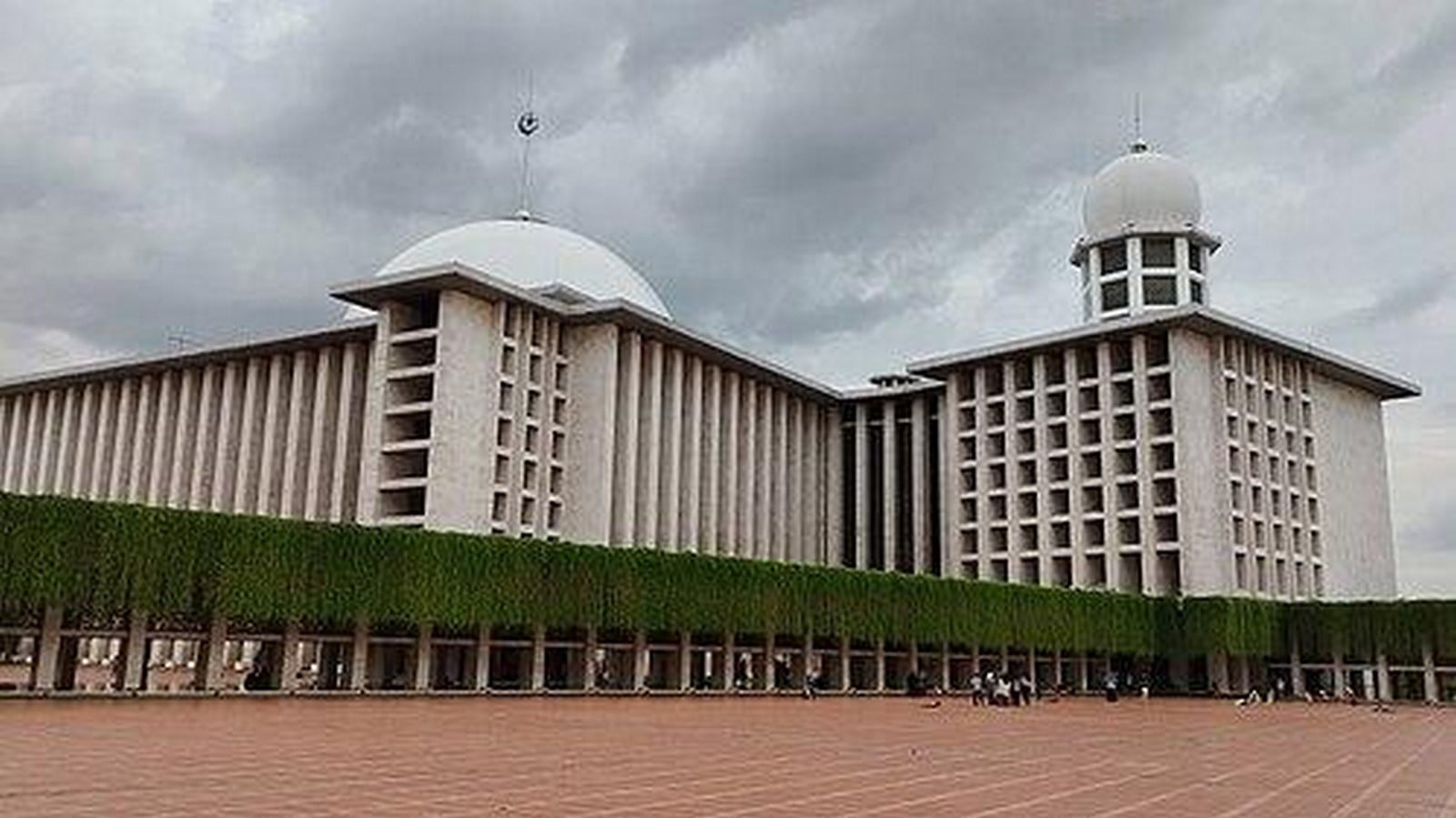
Colonial architectural heritages are not just buildings; they are landscapes of memory, conflict, and power. The post-colonial nations make peace with their heritage by retaining them, re-imagining it, or donating it away, constructing in their own voice. From the retro-fitting of the Union Building of South Africa to the modernist Istiqal Mosque of Indonesia, the exemplary case studies reveal that the dialectic tension between history and hope constitutes the post-colonial built form.
Reference:
- https://en.wikipedia.org/wiki/Chhatrapati_Shivaji_Terminus#
- https://commons.wikimedia.org/wiki/File:Rashtrapati_Bhawan-New_Delhi.jpg
- https://culturalindia.net/indian-architecture/colonial-architecture.html
- https://scholarblogs.emory.edu/postcolonialstudies/2014/06/20/colonialism-and-architecture/
- https://www.slideshare.net/rajatrmr/british-colonial-architecture
- https://victorianvisualculture.blog/2021/12/05/victorian-architecture-in-colonial-india/
- https://www.kaarwan.com/blog/architecture/colonial-architecture-in-india-british-portuguese-dutch-influence?id=670
- https://www.istockphoto.com/photos/cathedral-brasilia
- https://www.wallpaper.com/architecture/oscar-niemeyer-architecture-guide
- https://en.wikipedia.org/wiki/Oscar_Niemeyer
- https://www.researchgate.net/publication/228829982_Brasilia_daylighting_analysis_of_public_buildings_designed_by_Oscar_Niemeyer
- https://visitrwanda.com/interests/kigali-genocide-memorial/
- https://en.wikipedia.org/wiki/Union_Buildings
- https://en.wikipedia.org/wiki/Istiqlal_Mosque,_Jakarta