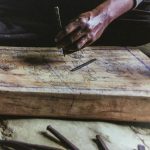
This is an era of technological revolution. New forms of technology are coming up like BIM, Parametric designs, and AI-driven spaces, which can no doubt achieve every possible design idea, making it a reality. But why do some spaces made with just bare hands, years of knowledge, and skills attract people towards them? Why did these spaces leave an impact on the mind even after leaving it? This is the beauty of Handcrafted Spaces. They are built with locally available materials, generational wealth of knowledge, tools, but most importantly, the human touch. They may not be as perfect and advanced as technology, but they hold emotions and stories of the communities. These are the things that connect with people more and bring them close to each other, and lesser-known facts.

The Emotional Power of the Handcrafted:
Emotions serve as a bridge that connects people with people, and translating them into our spaces through a unique handcrafted experience is essential. Architects or designers create spaces, but only a few can create places. There is a thin line between these two terminologies; space is something general and universal, and place is something personal or intimate, and many fail to understand this. This intimacy comes from closely working with these experiences, spending time learning and creating elements with my hands. That is the beauty of handcrafted spaces; it brings intimacy to the space, and people feel that it belongs to them. Also, imperfections in handmade things resonate with human nature. Nothing in this world is perfect, and its beauty lies in these flaws. This helps in more attachment to the spaces if one can capture that beautifully through handcrafted spaces. It also depicts the narratives of their everyday life, religion, and socio-cultural factors, which help in incorporating diversity. These crafts are the year-long treasury of their knowledge, which is being passed from one generation to another. It takes users through a journey of experiences, evoking their senses and making them think and feel through a space. It evokes a feeling of warmth, nostalgia, and togetherness. As Juhani Pallasmaa wrote in ‘The Eyes of the Skin’, “The door handle is the handshake of the building,” depicting how even a small detail affects the people. What feels more alive- a concrete panel or hand-plastered mud wall with niches and paintings from naturally extracted pigments?
What Makes a Space “Low-Tech” Yet Powerful?
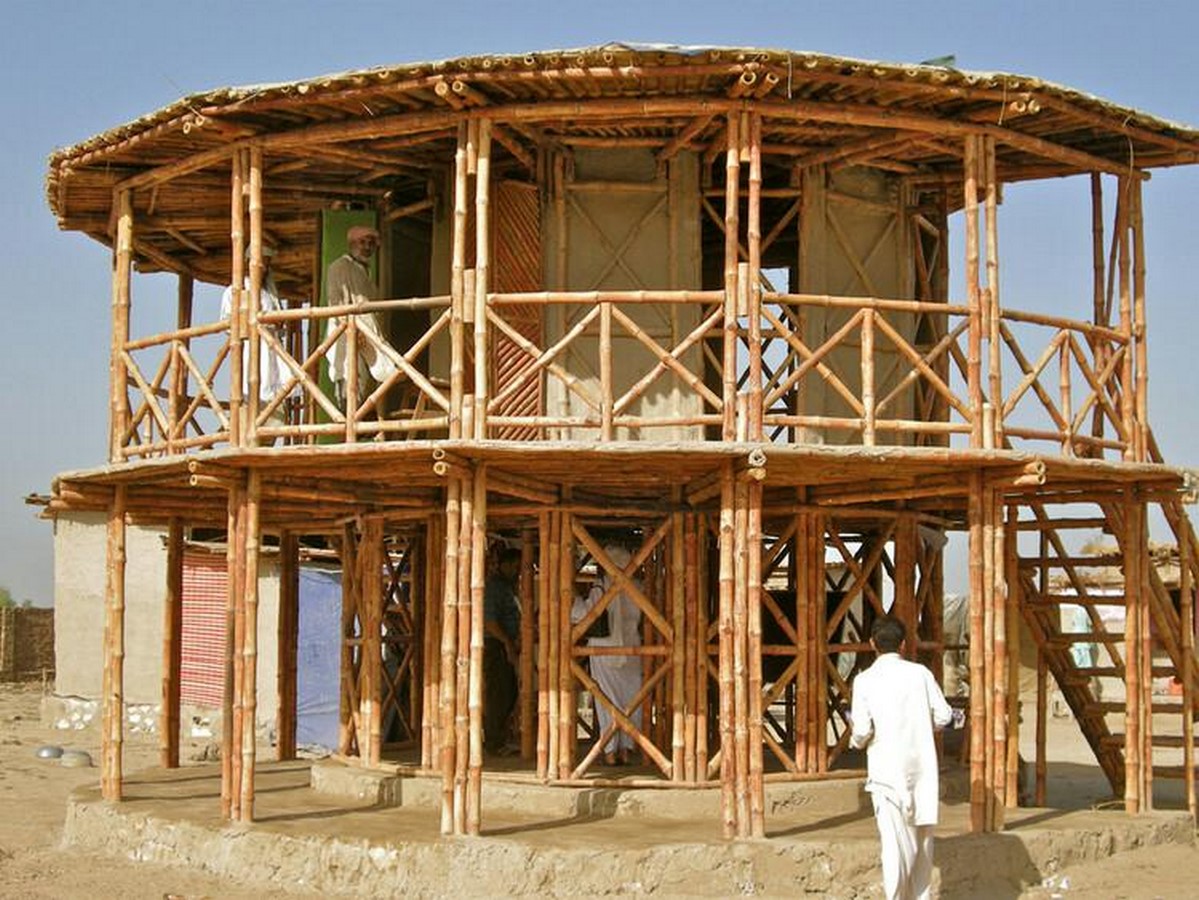
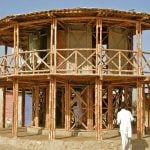
Low tech in architecture means less dependency on industrial, machine-made, or technology-based solutions in our design, but more of hand work. Handcrafted spaces are not for aesthetics but to solve their problems. Our hands and brains are the most powerful tools; they can create the most fascinating things. Also, the knowledge base we have accumulated over the years, when these two things combine, becomes more powerful than any other technological aspect. Instead of using industrial-based systems, try using this knowledge base, which is the result of being climate responsive, site sensitive, and harmonious with nature. Through the years, communities have developed different passive strategies that respond to their needs and depict them through their craft. Some examples are Cob or rammed earth walls, Lime plaster, which makes walls breathe, bamboo joinery of Assam, or even using coconut shells in the roof to provide insulation. If someone wants to know a region, one should study or visit these local dwellings. They look primitive, but these crafts are emotionally intelligent and climatically responsive.
Craftsmanship as Cultural Memory:

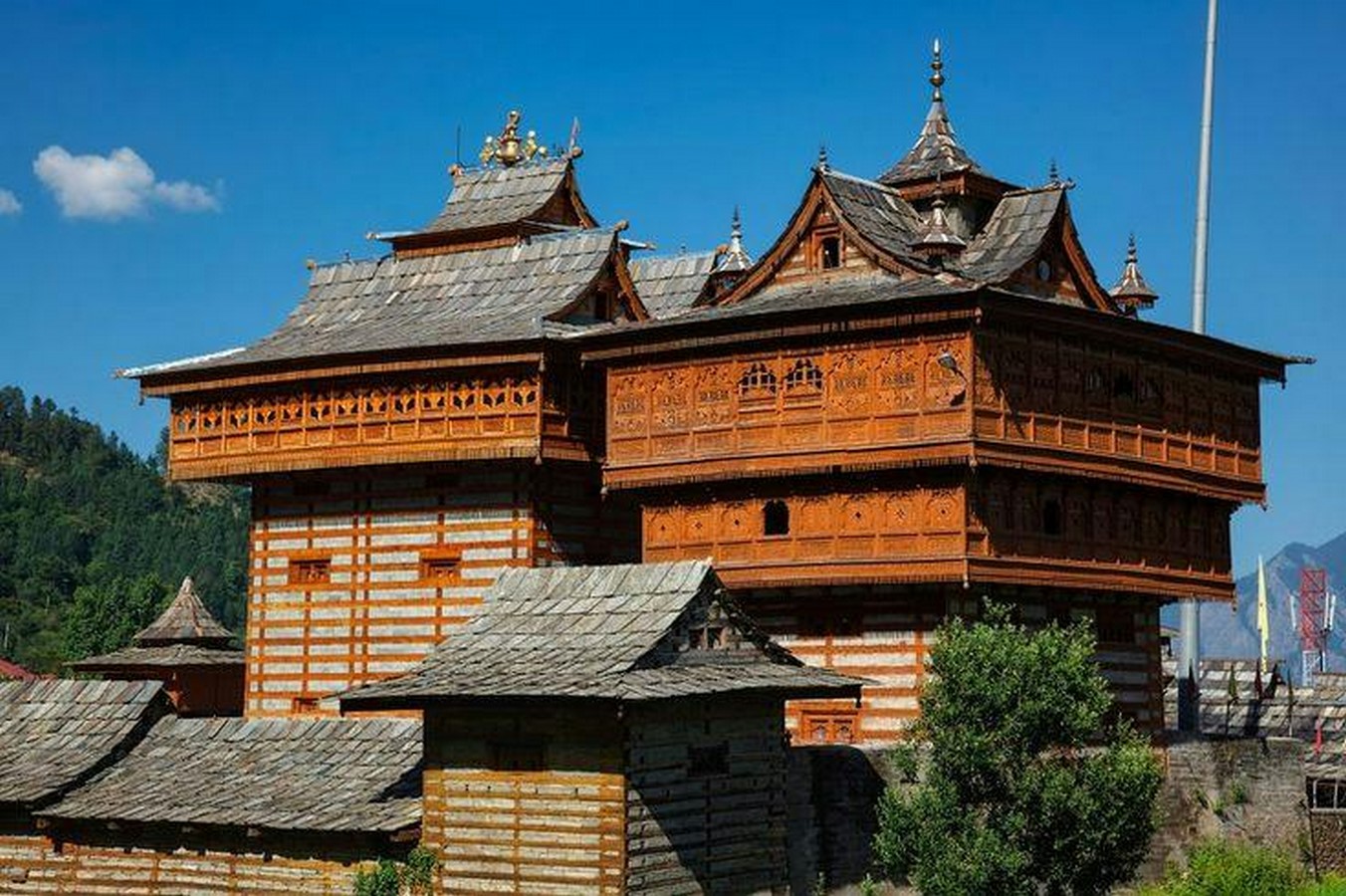
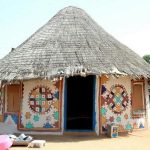
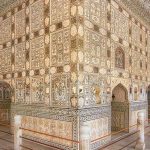
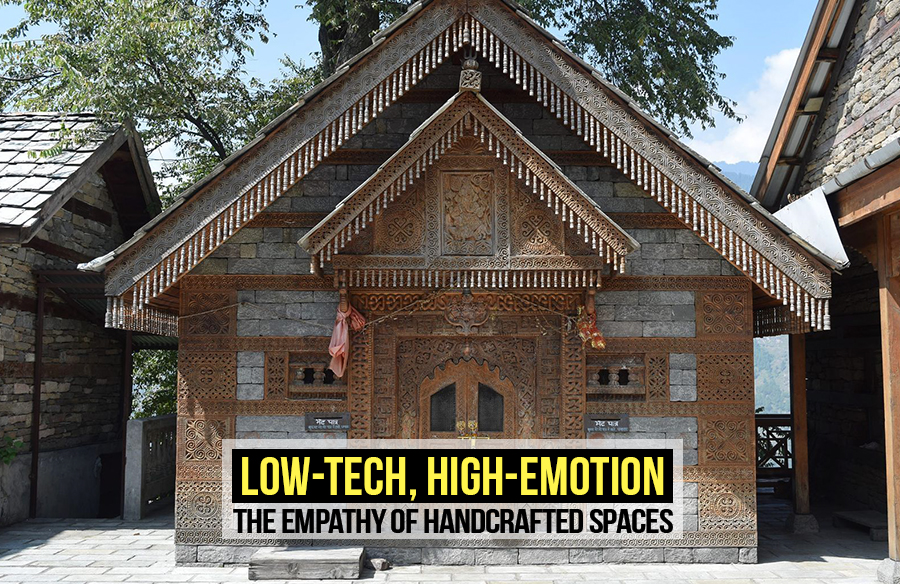
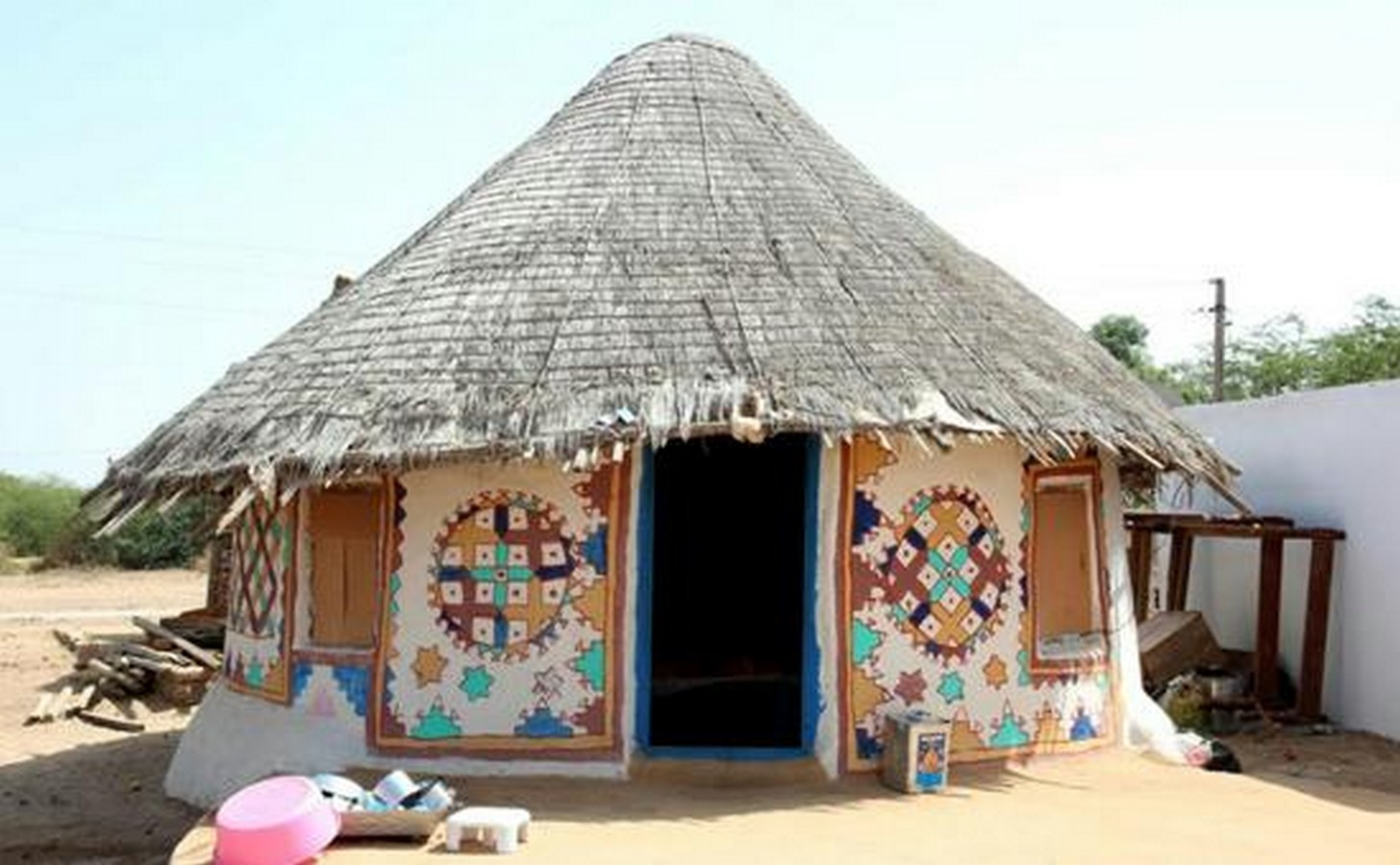
Generations may come and go, but knowledge is everlasting. One of the ways of preserving this knowledge is through documenting the past and integrating it into our spaces. Handcrafted architecture is the carrier of those narratives, traditions, and stories that ultimately provide a sense of identity to a place. Kath Khuni architecture in Himachal Pradesh responds to the extreme climatic conditions, contour differences, and earthquakes in that region. It is a unique blend of stone and timber architecture which are arranged in such a way without mortar that when an earthquake comes, it settles and makes the building stand for years. Kutch houses in Gujarat also respond to the earthquake, but have completely different techniques of construction. It also has hand-painted interiors that depict the culture. Even if the materials and techniques are somewhat the same, they still differ according to the region. That same stone carving in Uttar Pradesh and Rajasthan, but it still has different methods and stories to tell. Terracotta jaalis, wooden columns, inlay work, and mirror work are all emotional designs through tactile crafts. These spaces are not just pieces of craft, but they support livelihoods and intergenerational knowledge transfer.
Handcrafted Architecture in Practice:
Laurie Baker and His Legacy:

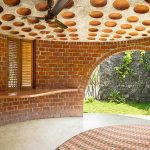
Architects and Designers around the world have embraced the work of hands, merging it with contemporary needs. For instance, Laurie Baker, also known as ‘Gandhi of Architecture’, always created new techniques required as per the context, economy, and serving people first through his design. His techniques of using bricks in a rat-trap or arrangement to form jaalis, which let filtered light and enhance the microclimate of the building. It creates a poetic, tactile, and organic flow throughout the site. He also refused to change the typography of the site, blending the building through the curves and fluidity of the buildings. He used filler slabs with handcrafted ceiling designs by collaborating with local artisans, and he contributed towards a sense of social sustainability.
T2 Terminal of Mumbai- An attempt to create mini India through Handcrafted Spaces:

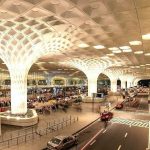
Another Example is the T2 Terminal in Mumbai, designed by GVK Architects, which perfectly blends those space-making elements and space-making crafts. The concept is to design a mini India, allowing travelers going through it to get an experience of different parts of India. It has peacock-feather-inspired columns and ceiling designs, panels showing different types of jaalis around the world. Indian Gond art panels, lotus-inspired lighting in the lobby area, all these things depict how crafts can evoke a sense of emotion.
New Parliament: Merging Ancient skills with Modern Design
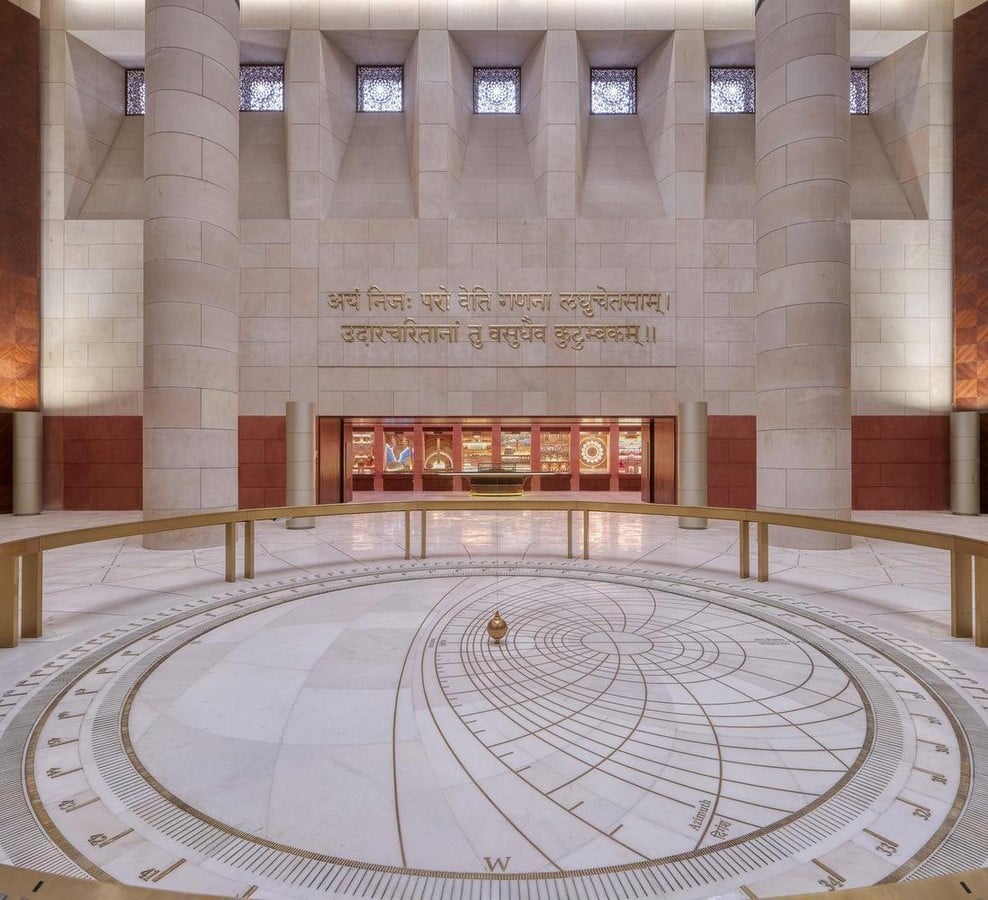
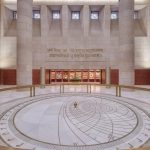
The New parliament interiors also have the incorporation of the vernacular architecture of Delhi, like courtyards. It has given equal importance to the integration of our ancient science and crafts all over the world. It has panels and wall art of different art forms around India, crafted by tribes in different regions. It has a long pendulum that tries to mimic the Earth’s rotation around the Sun, drawing inspiration from ancient knowledge. It also has a mini treasury of all our history, culture, and sciences. Even the design of the New Lok and Rajya Sabha is inspired by the lotus and peacock in elements like the ceiling and the flooring.
Handcrafted Spaces in Contemporary Practice:
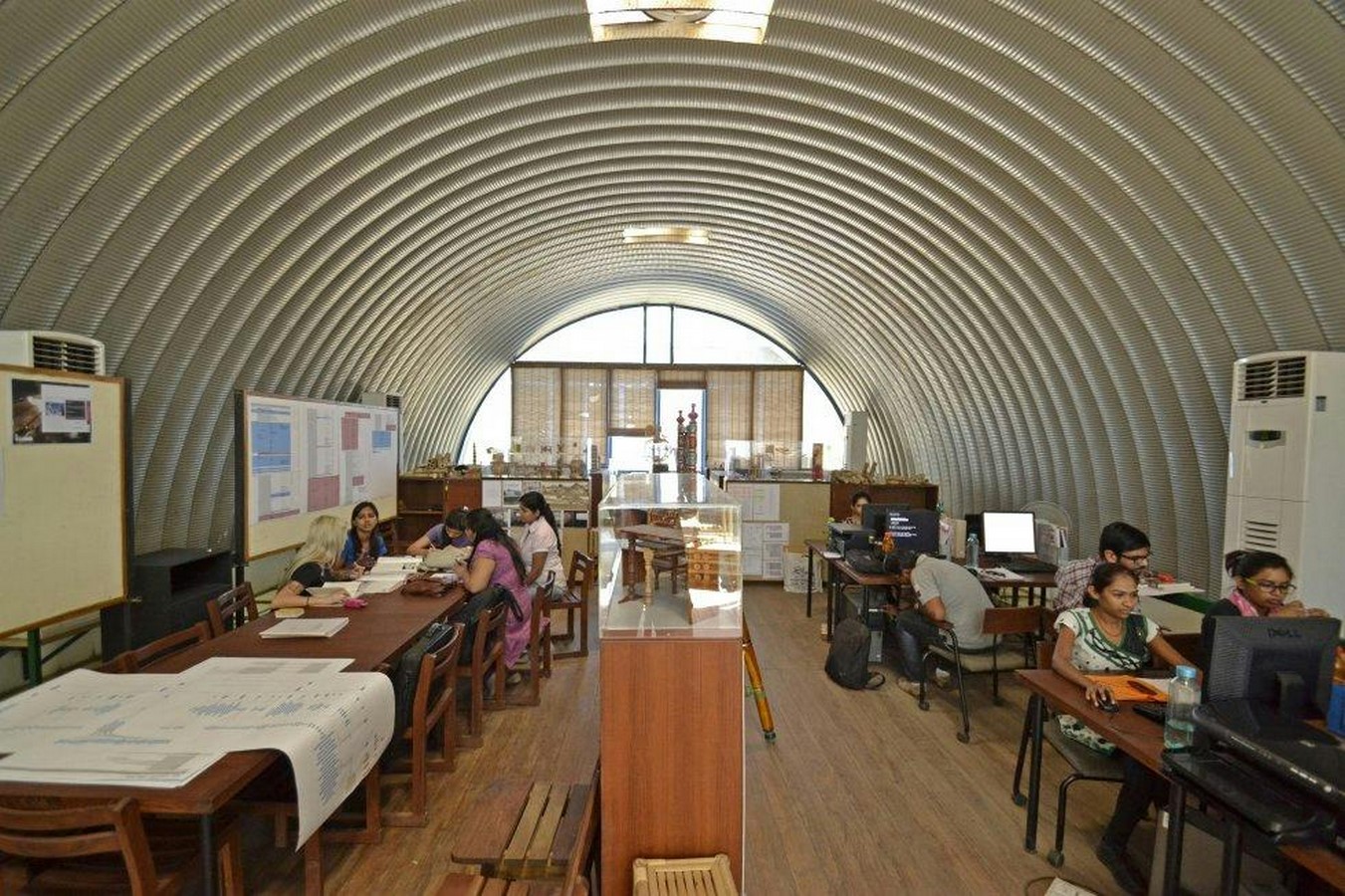
As technology advances and innovations are coming up in this modern world, designers and architects around the world are showing less interest in slow architecture and non-digital expressions. Many of them even lack awareness of their past, as either it is not documented well or left at very early stages. Documentation and hands-on workshops of these crafts are very important, especially for the younger generations. It helps them to learn from it and implement it in projects combining technology and tradition, like CNC-cut bamboo with hand joining. As said by Einstein, “The only source of knowledge is Experience”, which signifies experiences and the touch of local crafts and artisans. Some initiatives like Design Innovation & Craft Resource Center, set up by CEPT University or CSIR-CBRI under IIT Roorkee, work in documenting and researching the local crafts and bringing them to the people. Even NASA India takes some initiatives in some hands-on workshops, making the younger generation aware of these practices. Other institutes are coming up as well with some fellowship programs, heritage walks, and programs bringing crafts closer to the people.
Conclusion: Emotion is the Future of Design

In considering social, environmental, and economic sustainability, there also comes a term, emotional sustainability, which demonstrates the designs that age well, tell stories, and build identity. In India’s Ancient architecture, these handcrafted spaces are never a second thought, always given equal importance as the architectural elements. In this heavy tech-driven era, designers sometimes forget to give place to our traditional knowledge system. But they become an anchor of emotions, memory, and meaning. These spaces are inclusive, sustainable, and deeply human; they should never become an afterthought. They should be well merged with structures and designs. A handcrafted space may not be perfect, but it holds the fingerprints of care, culture, and craft.