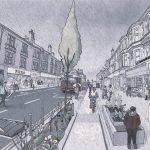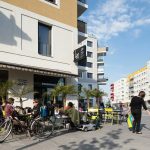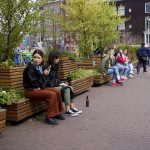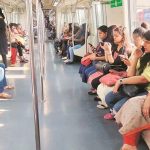
Historically, the cities built around us have been designed by and for men, neglecting women’s needs and their lived experiences. The built environment reflects the hierarchies of power that exist in our society by linking social relationships and urban space together. Feminist Urban and architectural design challenges this ideology by making an inclusive and equitable space for women. The approach discusses reimagining urban spaces, enhancing gender equality, sustainability and inclusiveness. It also focuses on how city planning tends to neglect the needs of women, creating an unsafe and inaccessible environment.
Gender sensitive urban planning centres prioritise the everyday lives of women, men and bigender people. It mainly focuses on accepting the needs of different age groups and providing them with all the facilities. The main aim is to reflect diversity in urban areas and ensure all groups are provided with equal opportunities to achieve a healthy quality of life. But this philosophy failed because women were disadvantaged as the settings were not created keeping their needs in mind. Gendered spaces were created with a lack of facilities for women. The basic calculation about the planning was that men worked more on building activities while women took care of the household and children. This led to generalised planning based on the basic needs of men and neglecting the needs of women and other non-dominant groups.
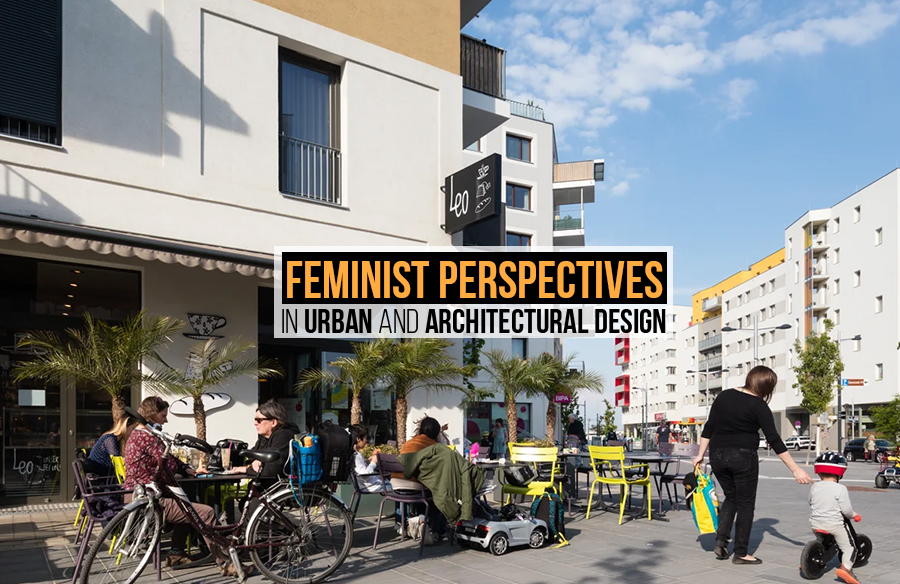
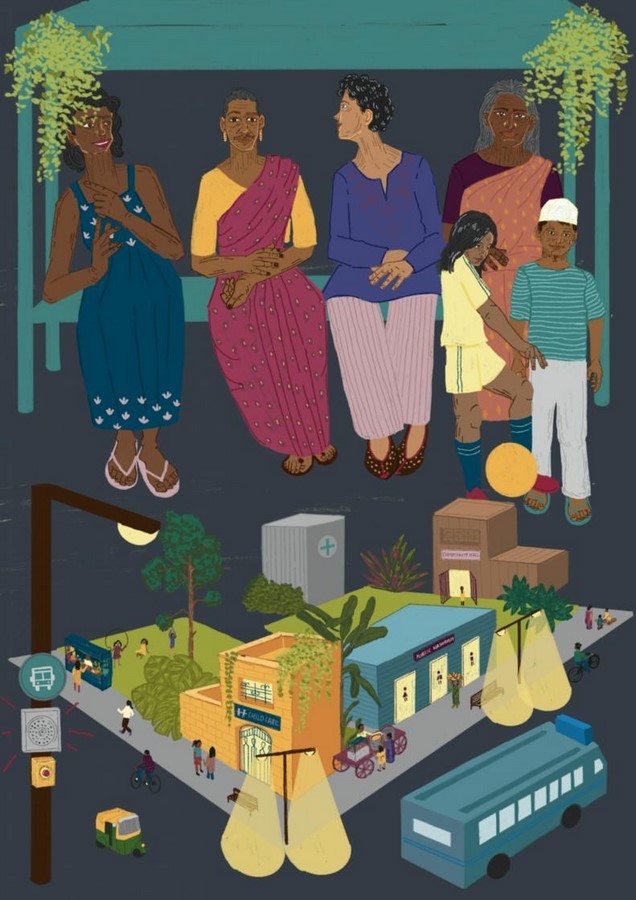
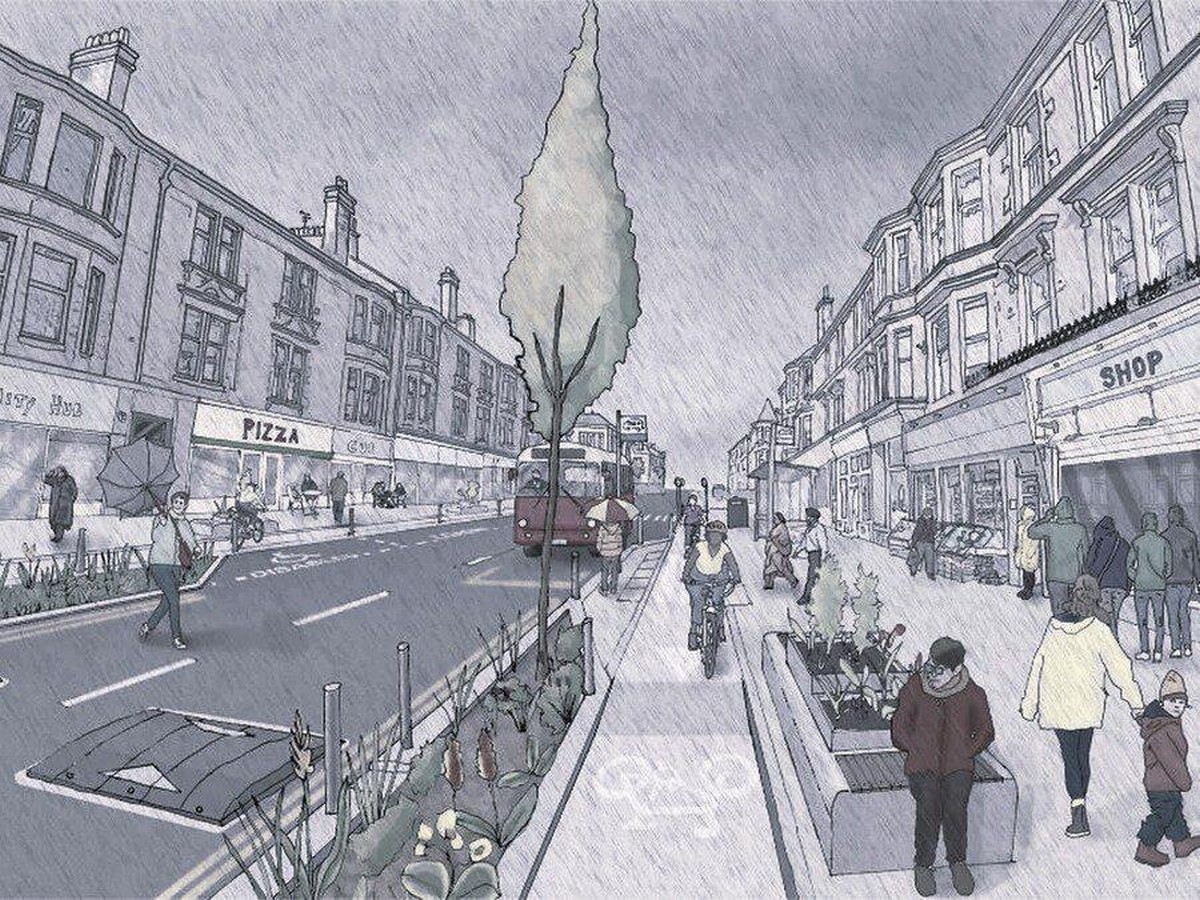
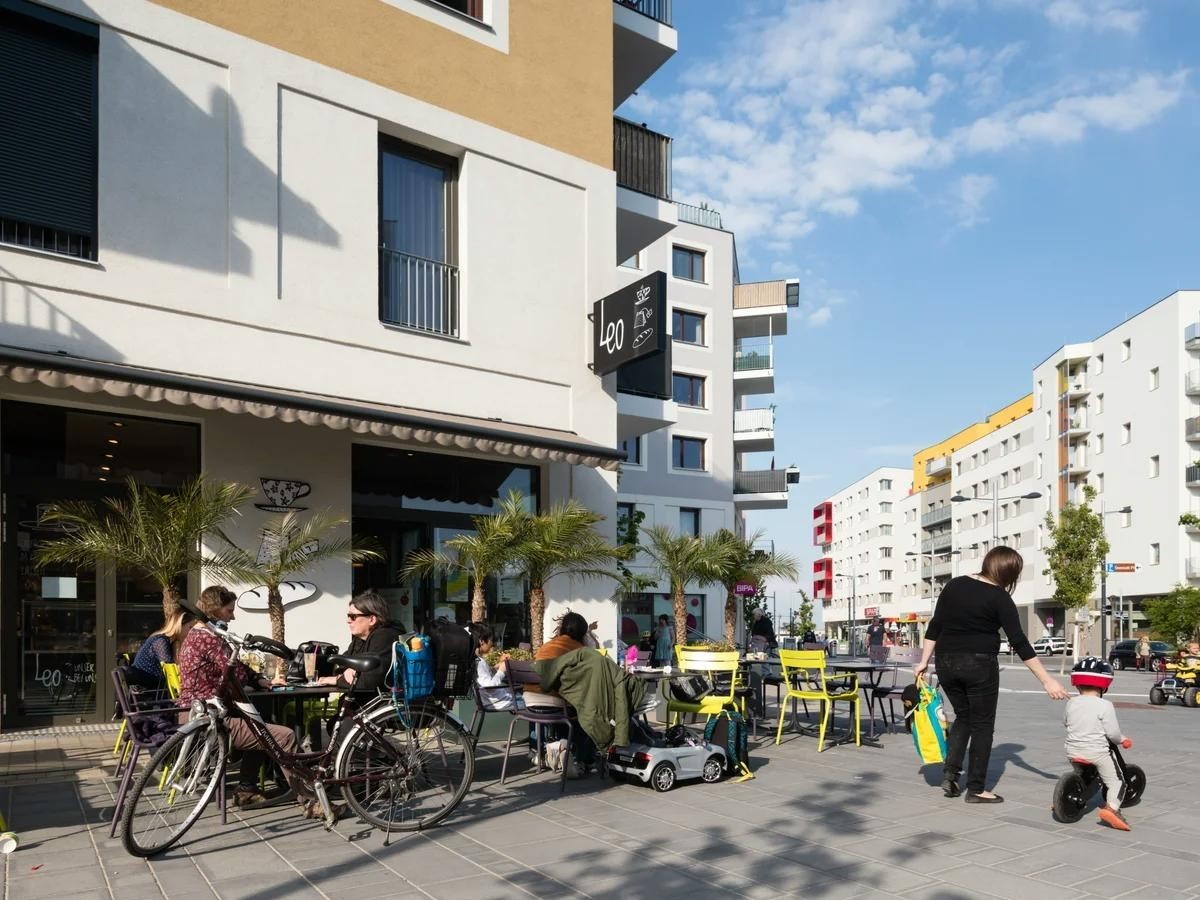
Urbanism that includes feminism considers diversity, safety, inclusivity and community engagement as the main principles that reshape the city through a holistic design. In 1991, the city of Vienna recognised the presence of diverse needs by enhancing urban life principles for women, prioritising their safety and accessibility. The concept of Gender Mainstreaming led to various initiatives like wider sidewalks, improved street lighting, and family-friendly housing. Gender considerations are blended into all levels of urban planning, including housing, transportation and public spaces. The city also created an inclusive environment by addressing the needs of all women and ensuring their perspectives and needs are taken into account. The city established its first Women’s office in 1998 by integrating the needs of women and girls. Also, the transformation of Mariahilfer Street was transformed into a pedestrian-friendly zone by making it a safer zone for women and other pedestrians. This is how Vienna’s approach to urban planning leads to a more equitable and livable city for its women and all other residents.
Feminist Perspectives
The feminist perspectives share a belief that justice requires freedom and equality for women. It approaches urban design to explore women’s identities that shape the use of the urban environment and accommodate cities with women’s needs. The major group of women to consider are those who are most disadvantaged by planning practices, such as lower-income workers, working mothers and single-headed households. A lot of issues hinder women’s freedom in public spaces, like a lack of proper transportation facilities, improper rules for safety and a lack of public infrastructure. Recreational spaces for women encourage social interaction, caregiving and personal well-being, along with community participation and gender equity. Basically, feminists critique male-dominated planning systems and prioritise inclusivity and equality, emphasising safety and easy accessibility. This aims to create environments reflecting the diverse needs of all genders, mainly now trying to focus on women and their needs.
Women in Public Spaces
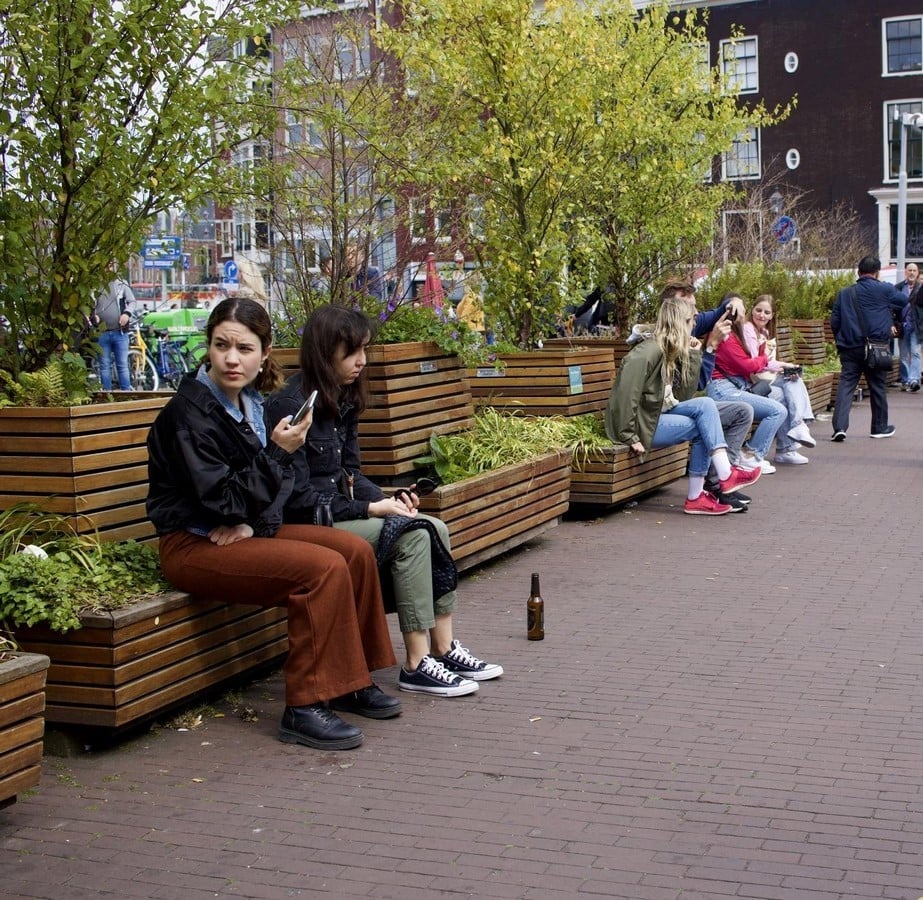
Gender shapes women’s experiences of public spaces. Women are less likely to approach strangers in public spaces, as their biggest concern is safety. The main characteristic of an ideal public space is where all come together in equal and free exchange of ideas. Women require a public space that provides them with the utmost facilities to make them feel included. The public spheres should incorporate well-lit pathways and clear sightlines and integrate transit systems that are safe and accessible. Many women move while multitasking, like taking care of children, running errands and also working, which requires them to have barrier-free mobility. There should also be recreational zones like parks and libraries, which motivate women to gather, socialise and rest. From a feminist perspective, women should be enabled to fully participate in public places that help shape urban design. This helps them feel visible and empowered to use the public spaces independently.
Women and Transportation
Feminist urban design also focuses on how gender influences mobility patterns, safety and access with respect to transportation systems. Women’s mobility continues to be constrained by factors that include gendered division of household and child-rearing labour due to segregated patterns of urban land use. Due to separation of land uses, women’s mobility had become more difficult for women to travel. Women’s trips should be multi-trip and should engage in trip-chaining, which should make these systems diverse. Safety is also one of the main concerns during travelling, which leads to restricted mobility, mainly during nighttime. Hence, provision of visible stations and stops, CCTVs, and real-time tracking apps should be made. The stations should be equipped with ramps, strollers and wheelchair accessibility along with toilets, seating areas and rest zones for proper infrastructure. This helps push the community engagement, which helps shape women to shape the urban design with empowerment and equity.
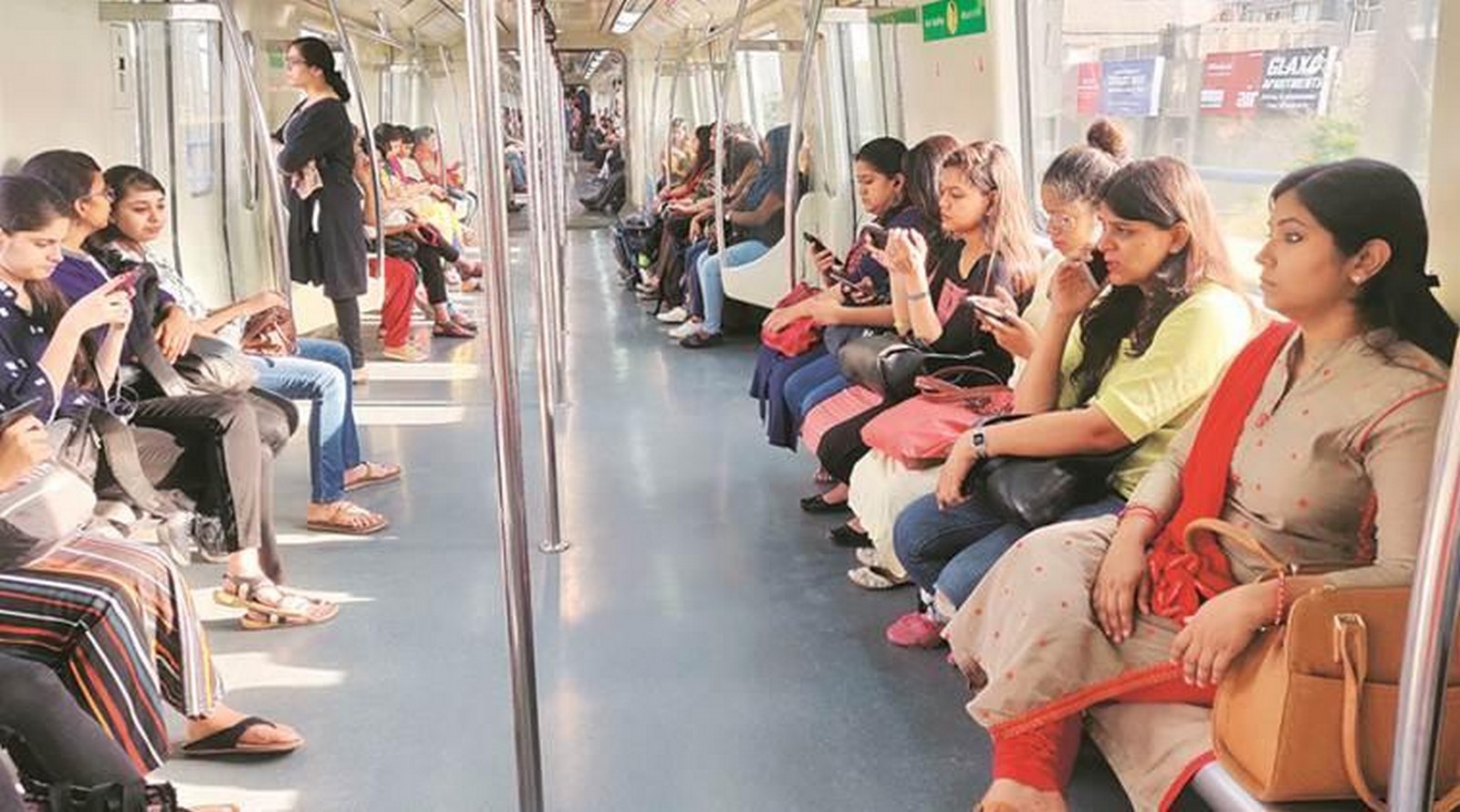
Feminist approach towards urban design and architecture challenges the neutral façade of urban design by shaping the spaces powerfully. In recent years, women have played leadership roles in shaping cities and communities, considering their value on par with men. Feminist urban design and architecture challenge the male-centric planning systems by focusing on the perspectives of women and their needs. This helps promote inclusivity, accessibility and safety in cities and aims to create equitable and responsive urban spaces.
Citations:
- Feminist Urbanism Approach to Urban Planning (2024) Urban Design Lab. Available at: https://urbandesignlab.in/feminist-urbanism-approach-to-urban-planning/?srsltid=AfmBOorSMlv6lgyjMZK6o6FZPNjiu1SP0Ihv_wc3DenA_fsMvmINLyP(Accessed: 7 July 2025).
- Feminist Urbanism: Smashing the Patriarchy in Urban Design (2023) Urbanet. Available at: https://www.urbanet.info/feminist-urbanism-smashing-patriarchy-in-urban-design/(Accessed: 7 July 2025).
- How Vienna focused on gender in urban planning (2023) Feministeerium. Available at: https://feministeerium.ee/en/vienna-urban-planning/(Accessed: 7 July 2025).
- Is Public Commute Gender Inclusive? : Access, Safety, And Utility Of Our Transport Infrastructure (2022) Feminism in India. Available at: https://feminisminindia.com/2022/06/06/is-public-commute-gender-inclusive-transport-infrastructure/(Accessed: 7 July 2025).
- Design to Connect Podcast (2023) Structures of Care: How Feminist Urban Design Promotes Safety in Our Cities│Anna Bednarczyk [YouTube video]. Available at: https://youtu.be/I3-5q6Y8yEk?si=0NfjIPyQ6kYpqRQ-(Accessed: 7 July 2025).